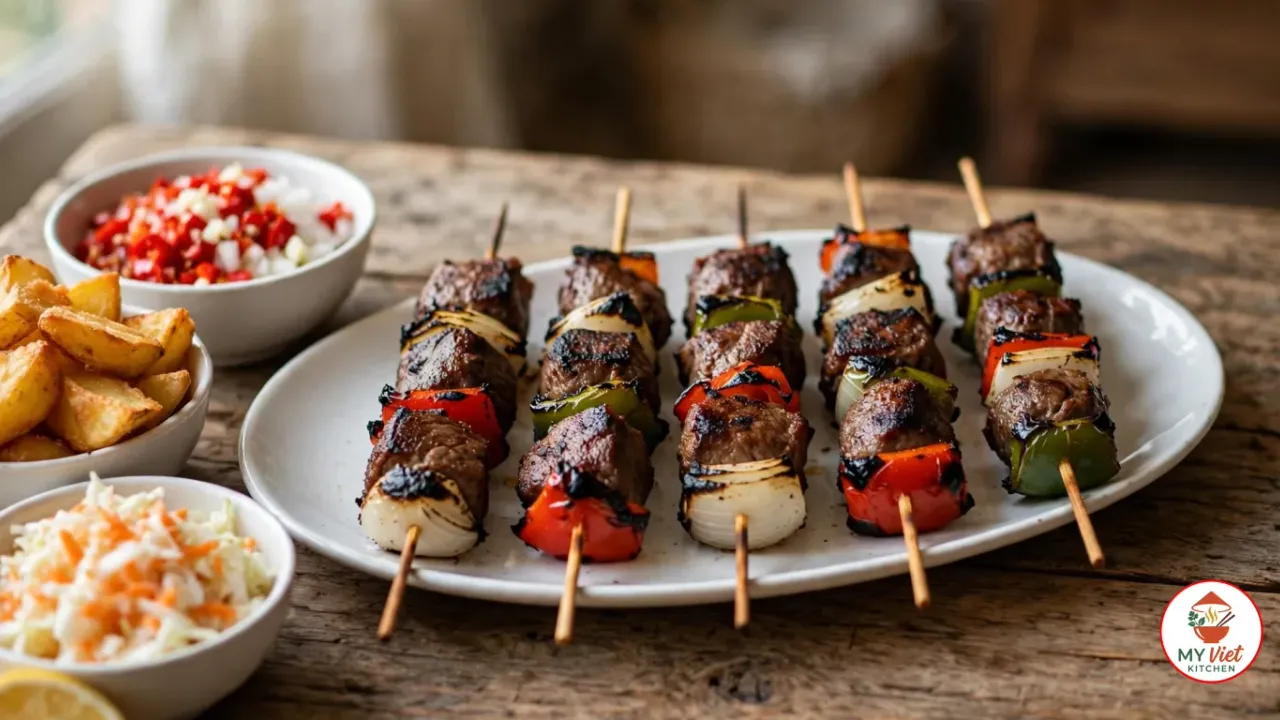
Brochettes are the undisputed kings of East African street food and one of the most iconic dishes in Rwandan and Burundian cuisine. This authentic brochettes recipe features tender cubes of goat meat or beef marinated in a fragrant blend of garlic, ginger, cumin, and lemon juice, then grilled over blazing charcoal until the exterior forms a dark, smoky crust while the interior stays juicy and succulent. In Rwanda and Burundi, brochettes are far more than a meal. They are a social ritual, a gathering point, and the centerpiece of every evening out with friends. Whether you are exploring East African food for the first time or perfecting your brochettes technique at home, this guide covers every detail from marinade to grill.
Prep Time: 30 minutes (plus at least 2 hours marinating) | Cook Time: 15 minutes | Servings: 6
Difficulty: Easy | Calories: ~350 per serving
What Makes Brochettes Special?
Brochettes hold a unique position in the food cultures of Rwanda and Burundi because they represent the intersection of simplicity and mastery. The ingredient list is straightforward: cubed meat, a handful of spices, and fire. Yet the results depend entirely on the skill of the cook and the quality of the charcoal. In Kigali and Bujumbura, grill masters spend years perfecting their technique, learning to read the heat of the coals and knowing exactly when to turn each skewer. The best brochettes have an exterior that is almost charred, with a deep Maillard crust that crunches when you bite through it, giving way to meat that is still pink and tender at the center.
A Tradition Rooted in East African Culture
The word “brochettes” comes from French, a linguistic legacy of Belgian colonial influence in Rwanda and Burundi. However, the tradition of grilling meat on skewers over open fire is far older than any colonial presence. Pastoral communities in the Great Lakes region of Africa have grilled meat over wood and charcoal for centuries. In addition, the cattle-keeping cultures of Rwanda and Burundi elevated meat cookery to a central role in celebrations, weddings, and community gatherings. After independence, brochettes became the dominant street food in both countries. Today, you cannot walk through any neighborhood in Kigali without encountering the aromatic smoke of brochettes grilling at a roadside stand or open-air bar.
What sets Rwandan and Burundian brochettes apart from other grilled skewer traditions around the world is the emphasis on the meat itself rather than elaborate sauces or glazes. The marinade exists to enhance the natural flavor of the goat or beef, not to mask it. Cumin provides earthy warmth, ginger adds a sharp brightness, and garlic deepens the savory character. Meanwhile, the lemon juice tenderizes the surface while contributing acidity that balances the richness of the fat. Because the seasoning stays restrained, the charcoal smoke becomes the dominant flavor, and this is the defining characteristic of great brochettes. Consequently, the quality of the charcoal matters as much as the quality of the meat.

Choosing the Right Meat for Brochettes
The meat you choose shapes the entire character of your brochettes. In Rwanda and Burundi, goat meat is the gold standard. However, other proteins produce excellent results depending on your preference and availability. The key requirement is that the meat should have enough fat to stay moist during high-heat grilling.
- Goat meat (best choice for authenticity): Goat is the most traditional protein for brochettes in Rwanda and Burundi. Its slightly gamey, robust flavor stands up beautifully to the bold spice marinade and intense charcoal heat. Use leg or shoulder cuts, which have the ideal balance of lean meat and connective tissue. The fat renders during grilling, basting the meat from within and creating an incredibly juicy result.
- Beef sirloin or chuck: Beef produces brochettes that are milder in flavor but equally satisfying. Sirloin offers tenderness with minimal chewing, while chuck has more marbling and develops a richer taste when grilled. Cut against the grain for the most tender cubes. Beef brochettes are common in restaurants that cater to visitors.
- Chicken thighs: Boneless, skinless chicken thighs are the best poultry option because they resist drying out on the grill. Chicken brochettes cook faster than goat or beef, typically finishing in 10 minutes. They absorb the cumin and ginger marinade deeply, making them a lighter but still flavorful alternative.
Ingredients for Brochettes
For the Meat and Marinade:
- 2 pounds goat meat or beef sirloin, cut into 1-inch cubes
- 4 cloves garlic, minced
- 1 inch fresh ginger, grated
- 2 tablespoons vegetable oil
- 1 tablespoon ground cumin
- 1 teaspoon smoked paprika
- 1 teaspoon ground coriander
- 1/2 teaspoon cayenne pepper
- 1/2 teaspoon ground black pepper
- 1 teaspoon salt
- Juice of 1 lemon
- 1 seasoning cube (Maggi or Jumbo), crushed
- 1 teaspoon dried thyme
For the Skewers:
- 1 large onion, cut into 1-inch chunks
- 2 bell peppers (red and green), cut into 1-inch pieces
- Wooden or metal skewers (soak wooden skewers for 30 minutes)
For the Pilipili Dipping Sauce:
- 3 fresh chili peppers (bird’s eye or habanero), finely chopped
- 2 cloves garlic, minced
- Juice of 1 lemon
- 1/2 teaspoon salt
- 1 tablespoon finely diced onion
- Pinch of ground cumin
Pro tip: Marinate the meat overnight in the refrigerator for the deepest flavor. The lemon juice and spices need time to penetrate beyond the surface, and a long marination transforms tough goat meat into something remarkably tender.
Step-by-Step Instructions
Step 1: Prepare and Marinate the Meat
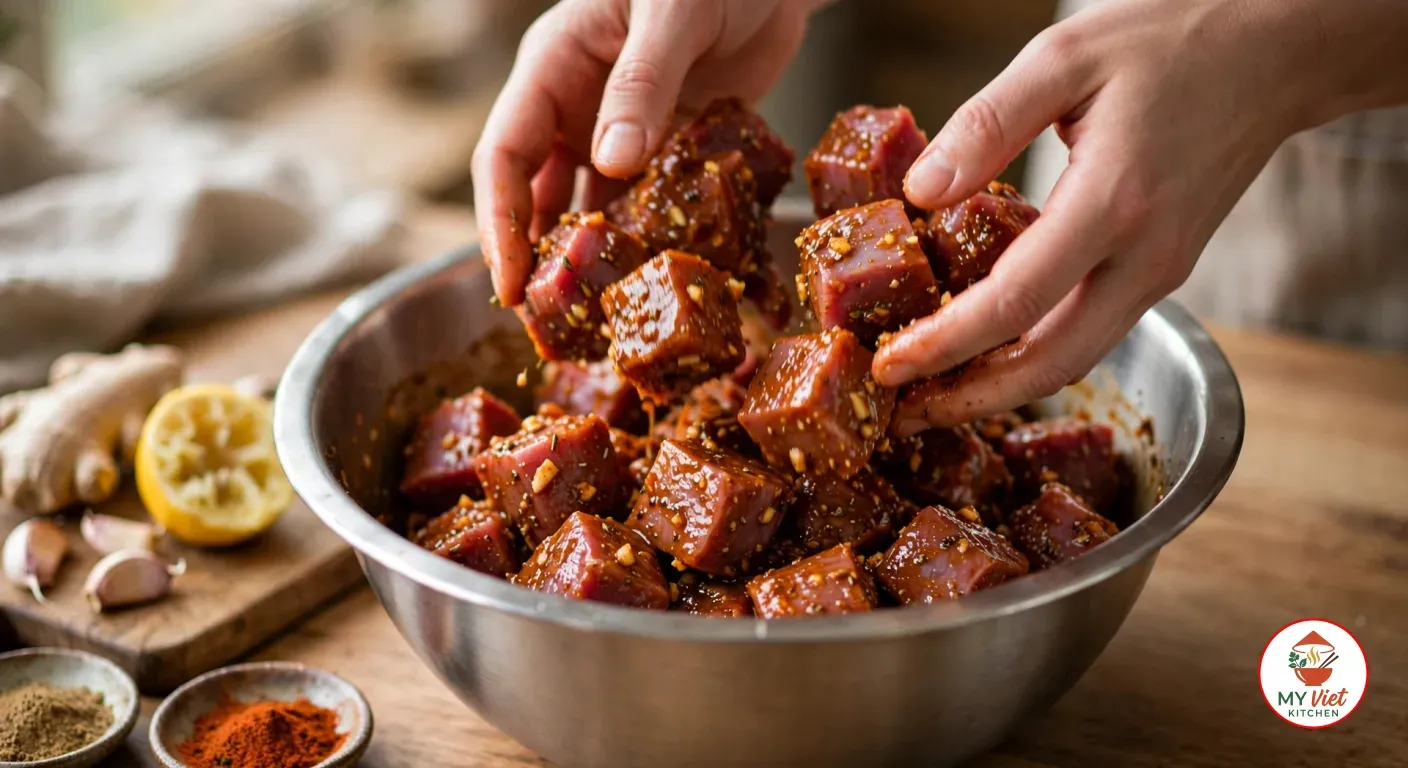
1Start by cutting your goat meat or beef into even 1-inch cubes. Uniformity matters here because pieces of different sizes will cook at different rates, leaving you with some cubes overdone and others still raw in the center. In a large mixing bowl, combine the minced garlic, grated ginger, vegetable oil, ground cumin, smoked paprika, ground coriander, cayenne pepper, black pepper, salt, lemon juice, crushed seasoning cube, and dried thyme. Stir this mixture until it forms a thick paste. Add the meat cubes and toss them with your hands until every piece carries a generous coating of the marinade. Cover the bowl tightly with plastic wrap and refrigerate for at least 2 hours. For the best results, marinate overnight.
Step 2: Prepare the Skewers and Vegetables
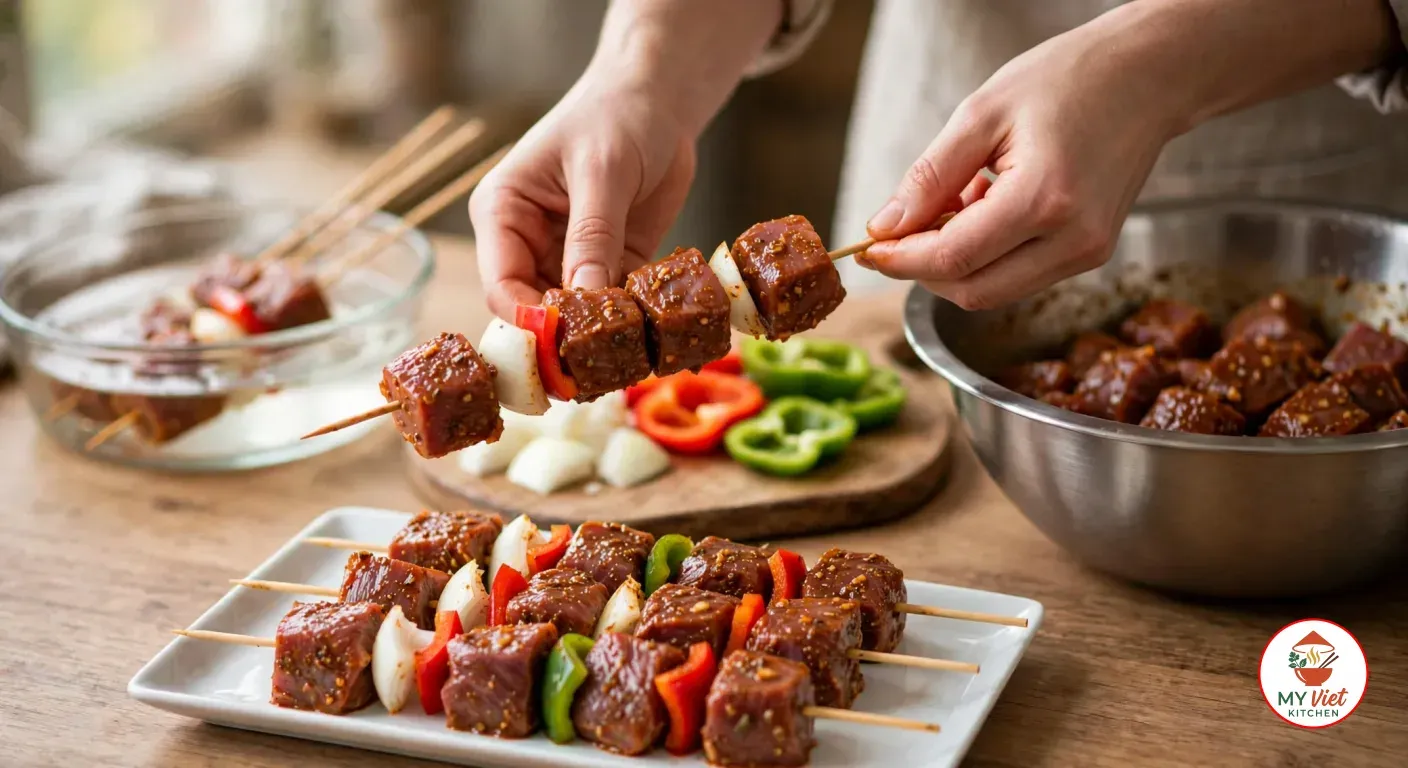
2If you are using wooden skewers, submerge them in water for at least 30 minutes before threading. This prevents them from catching fire on the grill. While the skewers soak, cut your onion into chunks and your bell peppers into pieces roughly the same size as the meat cubes. Remove the marinated meat from the refrigerator and let it sit at room temperature for 15 minutes. Then thread the meat onto the skewers, alternating with pieces of onion and bell pepper. Leave a small gap between each piece so the heat circulates evenly around every surface. Each skewer should hold about 5 to 6 pieces of meat.
Step 3: Grill the Brochettes Over High Heat
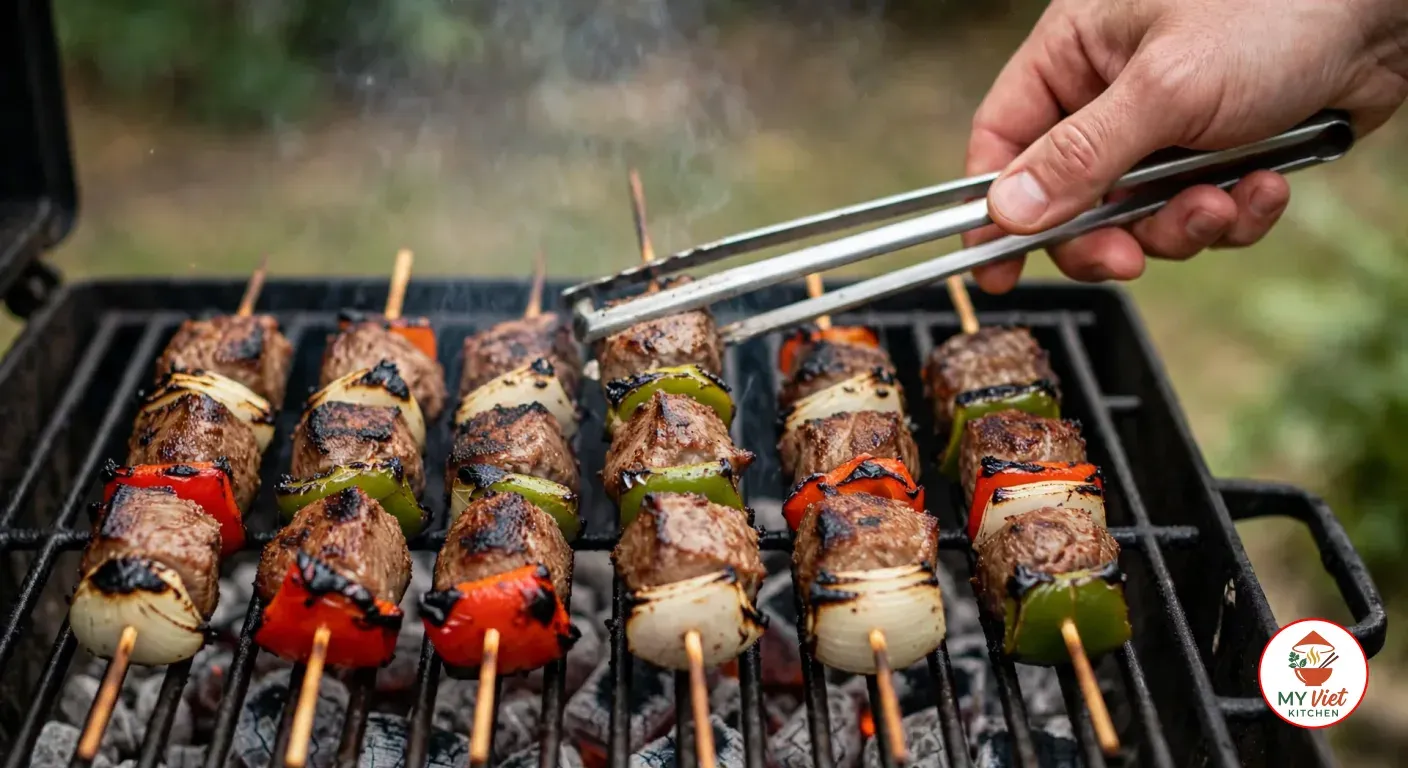
3Preheat your charcoal grill until the coals glow white-hot and you can hold your hand 6 inches above the grate for only 2 seconds. This intense heat is essential for creating the characteristic crust. Brush the grill grates lightly with oil to prevent sticking. Place the skewers directly over the hottest part of the coals. Let them cook undisturbed for 3 to 4 minutes until the bottom surface develops a dark, caramelized crust. Then rotate each skewer a quarter turn and repeat. Continue turning every 3 to 4 minutes until all four sides have charred evenly. Total grilling time is 12 to 15 minutes for goat or beef, and about 10 minutes for chicken.
Step 4: Make the Pilipili Dipping Sauce
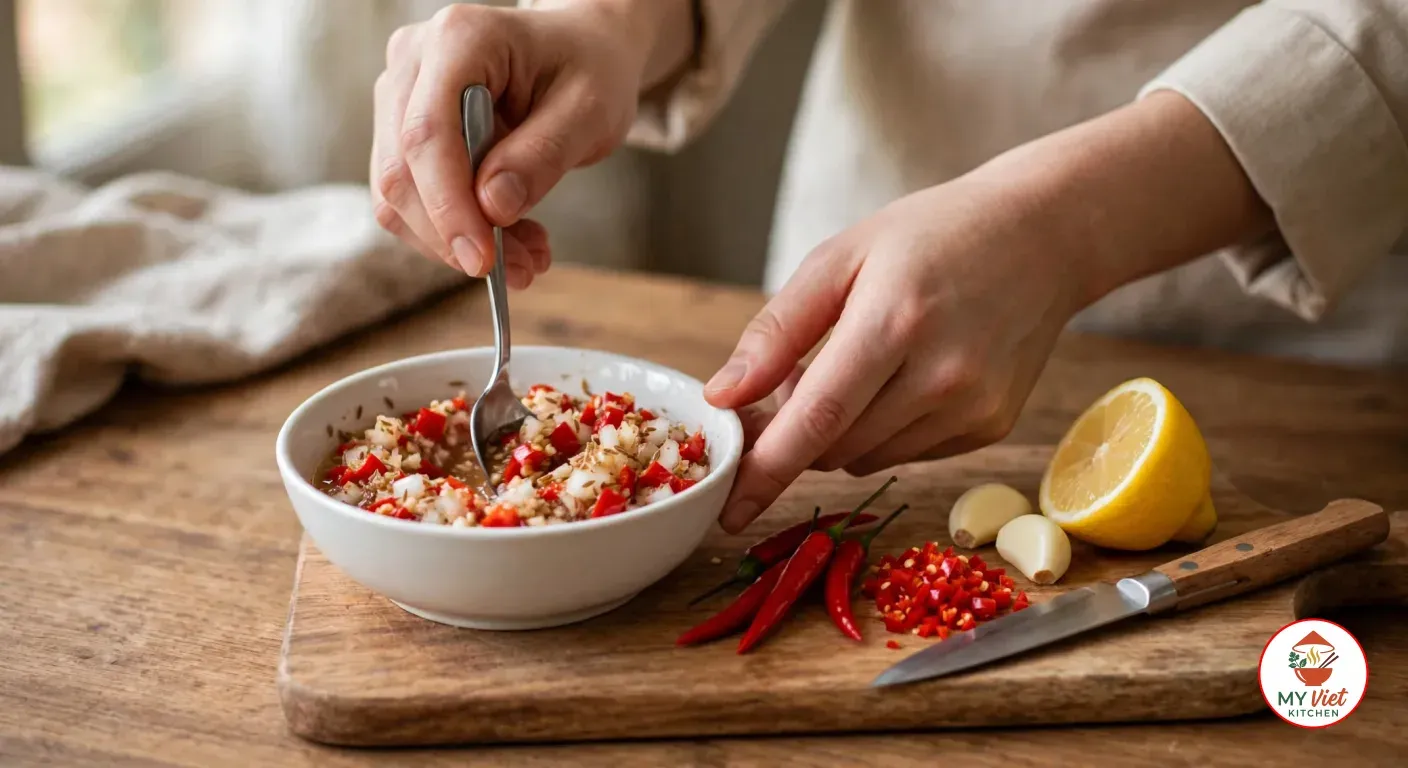
4While the brochettes grill, prepare the pilipili sauce that accompanies every serving in Rwanda and Burundi. Finely chop 3 fresh chili peppers and combine them in a small bowl with the minced garlic, lemon juice, salt, diced onion, and a pinch of ground cumin. Stir everything together and let it sit for at least 10 minutes so the flavors meld. The raw garlic and fresh chili create a sauce that is bracingly hot and sharp, designed to cut through the fatty richness of the grilled meat. Adjust the number of chili peppers up or down depending on your heat tolerance.
Step 5: Rest and Serve the Brochettes
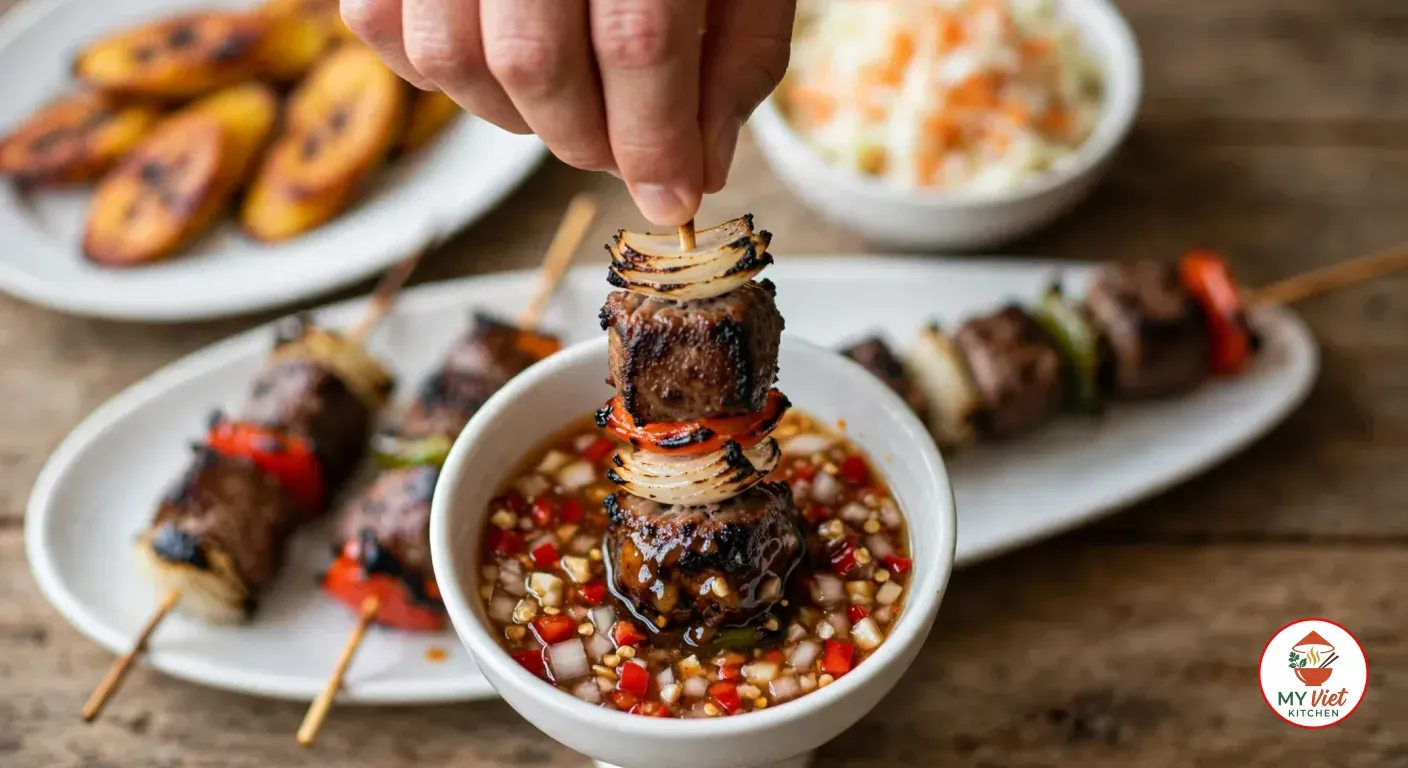
5Remove the brochettes from the grill and let them rest on a clean plate for 3 minutes. Resting allows the juices to redistribute throughout the meat, so when you bite into a cube the liquid stays inside rather than running out onto the plate. Arrange the skewers on a large serving platter alongside a bowl of the pilipili sauce. In Rwanda and Burundi, brochettes are always served with accompaniments. Add grilled plantains, fried potatoes, or ugali to the platter along with a simple salad of shredded cabbage dressed with lemon juice and salt. Eat the meat directly from the skewer, dipping each piece into the pilipili for the most authentic experience.
Expert Tips for Perfect Brochettes
Master the Heat
The single most important factor in making great brochettes is the heat level of your grill. You need high, direct heat from the start. If the coals are too cool, the meat will steam instead of sear, and you will never achieve that signature smoky crust. Wait until the charcoal is covered in white ash and radiating intense heat before placing a single skewer on the grate. In addition, resist the urge to move the skewers constantly. Let each side cook undisturbed so the Maillard reaction has time to develop a proper crust.
Use the Right Fat Content
Lean meat dries out quickly over high heat. Choose cuts with natural marbling or visible fat. For goat, leg and shoulder contain enough intramuscular fat to stay moist during grilling. For beef, sirloin and chuck are ideal. If you must use a leaner cut, increase the oil in your marinade to compensate. The fat renders during grilling, creating those dripping flare-ups that add smoky flavor to the exterior of the brochettes.
Brochettes Across East Africa: A Regional Comparison
Grilled meat on skewers appears throughout East Africa under different names and with subtle regional variations. Understanding these differences helps you appreciate what makes Rwandan and Burundian brochettes distinct from their neighbors.
| Feature | Rwandan/Burundian Brochettes | Kenyan Nyama Choma | Tanzanian Mishkaki |
|---|---|---|---|
| Primary meat | Goat or beef | Goat or beef | Beef or chicken |
| Marinade style | Cumin, ginger, garlic, lemon | Minimal salt and pepper | Ginger, garlic, lemon, green papaya |
| Cooking method | Skewered over charcoal | Roasted whole, then chopped | Skewered over charcoal |
| Signature sauce | Pilipili (raw chili and garlic) | Kachumbari (tomato salsa) | Pilipili and kachumbari |
| Common sides | Fried potatoes, plantains | Ugali, kachumbari | Chips, chapati or naan |
Serving Suggestions
In Rwanda and Burundi, brochettes are rarely eaten alone. They anchor a spread of complementary dishes that balance the smoky, rich character of the grilled meat with fresh, starchy, and acidic elements.
The Perfect Accompaniments:
- Fried potatoes (frites): Thick-cut, twice-fried potatoes are the most popular side dish for brochettes across Rwanda. The crispy exterior and fluffy interior complement the chewy texture of grilled goat meat perfectly.
- Grilled plantains: Sweet, caramelized plantain slices grilled alongside the brochettes add a natural sweetness that contrasts the savory, smoky meat. This pairing is especially popular in Burundi.
- Ugali: This East African staple made from cornmeal provides a neutral, starchy base that absorbs the spicy pilipili sauce and meat juices.
- Cabbage salad: A simple salad of shredded cabbage, grated carrot, and lemon juice provides a crisp, fresh counterpoint to the heavy grilled meat.
Beverage Pairings:
- Primus or Mutzig beer: These Rwandan lagers are the traditional pairing. The crisp, light body and mild bitterness cut through the richness of the grilled meat without competing with the spices.
- Urwagwa (banana wine): This traditional Rwandan banana wine has a slightly sweet, tangy character that pairs surprisingly well with the smoky brochettes.
- Fresh passion fruit juice: The tropical acidity of passion fruit cleanses the palate between bites, making this an excellent non-alcoholic pairing.
Storage and Reheating
Refrigerator: Store leftover brochettes in an airtight container for up to 3 days. Remove the meat from the skewers before storing. The flavors actually deepen overnight as the spices continue to permeate the meat.
Freezer: Freeze cooked brochettes for up to 2 months. Wrap individual portions tightly in plastic wrap and then place them in a freezer bag. Thaw overnight in the refrigerator before reheating.
Reheating: The best method is a hot grill or grill pan for 2 to 3 minutes per side. This restores the crispy exterior that makes brochettes special. Alternatively, reheat in a 400 degree Fahrenheit oven for 8 to 10 minutes. Avoid the microwave, as it softens the crust and makes the meat rubbery.
Common Mistakes to Avoid
1. Cutting the Meat Too Small
Pieces smaller than 1 inch will cook too quickly, drying out before they develop a proper crust. Aim for cubes that are at least 1 inch on each side. Slightly larger is better than slightly smaller because you can always cook longer, but you cannot add moisture back to overcooked meat.
2. Grilling Over Low Heat
Low or medium heat causes the meat to steam and stew on the skewer rather than sear. You need aggressive, direct heat to create the charred crust that defines authentic brochettes. If your coals are not radiating enough heat to make holding your hand above them uncomfortable after 2 seconds, wait longer before grilling.
3. Skipping the Resting Period
Pulling the skewers off the grill and serving them immediately causes the juices to escape as soon as you bite into the meat. Even 3 minutes of resting makes a noticeable difference. The internal temperature continues to rise slightly during this time, finishing the cooking while the muscle fibers relax and reabsorb the liquid.
Frequently Asked Questions
How long should I marinate the meat for brochettes?
A minimum of 2 hours produces good results, but overnight marination is ideal. The acid in the lemon juice breaks down surface proteins, allowing the spices to penetrate deeper into the meat. For goat meat in particular, longer marination also helps tenderize the naturally firmer texture. However, do not marinate for more than 24 hours because excessive acid exposure can make the exterior mushy.
Can I bake brochettes in the oven?
Yes. Place the skewers on a wire rack over a baking sheet so air circulates around all sides, and cook them under the broiler on high for 4 to 5 minutes per side, until the edges char. Oven-cooked brochettes lack the deep smokiness of charcoal grilling, so consider adding smoked paprika or a drop of liquid smoke to the marinade.
What is pilipili sauce?
Pilipili is the spicy chili condiment that accompanies brochettes in Rwanda and Burundi. The name comes from the Swahili word for pepper. At its simplest, pilipili is just chopped fresh chili peppers mixed with salt and lemon juice. More elaborate versions add garlic, diced onion, and ground cumin. The sauce is always raw and uncooked, providing a sharp, fiery contrast to the rich, smoky grilled meat.
Are brochettes the same as kebabs?
Brochettes share a similar concept with kebabs, as both involve grilled meat on skewers. However, the flavor profiles differ significantly. Rwandan brochettes use a cumin-and-ginger-forward marinade and rely heavily on charcoal smoke for flavor. Middle Eastern kebabs typically feature yogurt marinades with sumac, turmeric, or saffron. Turkish shish kebab and Rwandan brochettes may look alike on the skewer, but they taste distinctly different because of the spice traditions behind each one.
Variations and Adaptations
Chicken Brochettes:
Replace the goat or beef with boneless chicken thighs cut into 1-inch cubes. Reduce the grilling time to 10 minutes total because chicken cooks faster. The cumin and ginger marinade works beautifully with poultry. Chicken brochettes are a popular lighter option at Rwandan restaurants.
Fish Brochettes:
Use firm white fish such as tilapia or catfish cut into large chunks. Fish brochettes appear along the shores of Lake Kivu in western Rwanda. Use a lighter marinade with more lemon and less cumin. Thread the fish carefully onto double skewers to prevent pieces from spinning or falling through the grill grates.
Organ Meat Brochettes:
In Rwanda and Burundi, organ meats including liver, heart, and kidney are popular brochettes ingredients. These offal brochettes cook quickly over high heat and have a rich, mineral flavor that many East Africans consider superior to muscle meat. Cut the organs into uniform pieces and marinate them for only 30 minutes because they absorb flavors rapidly.
The Cultural Significance of Brochettes
Brochettes occupy a central place in Rwandan and Burundian social life that goes far beyond their role as food. In both countries, eating brochettes is a communal activity closely tied to friendship, hospitality, and celebration. The typical setting involves a group of friends or colleagues gathering at an open-air bar after work, ordering rounds of brochettes and cold beer, and spending the evening in conversation while the grill master tends the charcoal fire nearby. This tradition is so deeply embedded in the culture that the phrase “let’s go for brochettes” effectively means “let’s go socialize.”
The grill master holds a position of respect in the community. These skilled cooks often operate the same roadside stall for decades, building a loyal clientele through consistency and craftsmanship. In Kigali, certain brochettes vendors are celebrities within their neighborhoods, known by name and reputation. The best ones maintain closely guarded marinade recipes and source their goat meat from specific farms. During national celebrations, weddings, and holiday gatherings, brochettes are almost always present. They symbolize abundance, generosity, and the host’s commitment to providing guests with the best food possible. For Rwandans and Burundians living abroad, making brochettes at home is an act of cultural connection, a way to carry the flavors and rituals of home across oceans and borders.
Conclusion
Making authentic brochettes at home is remarkably achievable. The recipe requires nothing more than good meat, a simple spice marinade, and a hot grill. Yet the results rival what you would find at the best roadside stalls in Kigali or Bujumbura. Focus on three things: cut the meat into uniform 1-inch cubes, marinate for at least 2 hours, and grill over the highest heat your setup can produce. The pilipili dipping sauce takes minutes to prepare and transforms each bite with its raw, fiery intensity.
If you enjoyed this brochettes recipe, explore more of our African recipes collection for dishes like nyama choma, suya, and pilau that showcase the incredible diversity of the continent’s grilling traditions.