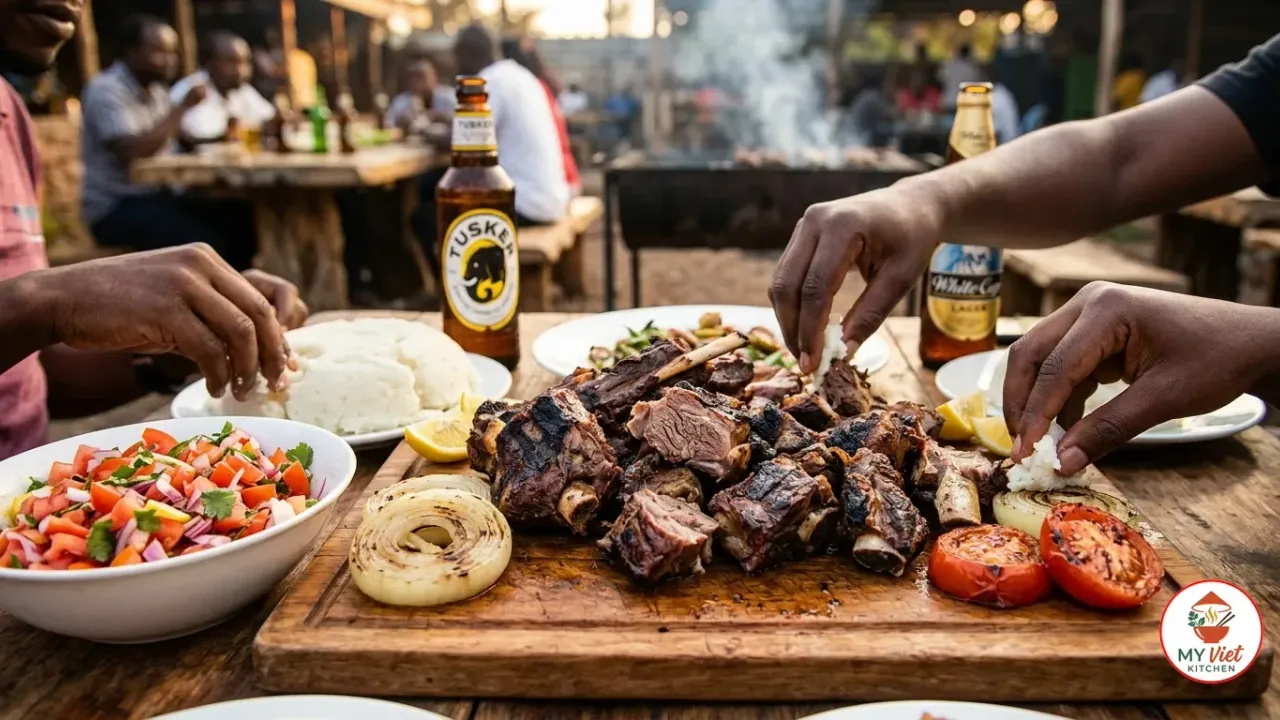
Nyama choma is the undisputed king of Kenyan cuisine, a dish so deeply woven into the culture that it serves as the centerpiece of nearly every social gathering across the country. The name means “roasted meat” in Swahili, and at its heart, this nyama choma recipe is beautifully simple: bone-in goat meat seasoned with salt, garlic, and citrus, then slow-grilled over glowing charcoal until the outside chars and the inside turns meltingly tender. This guide walks you through every detail of making authentic Kenyan nyama choma at home.
Prep Time: 15 minutes | Cook Time: 60 minutes | Servings: 6
Difficulty: Easy | Calories: ~380 per serving
What Makes Nyama Choma Special?
Nyama choma stands apart from other grilled meat traditions because of its deliberate simplicity. While American barbecue relies on complex rubs and sweet sauces, and Argentine asado uses chimichurri, this Kenyan tradition trusts the quality of the meat and the skill of the griller above all else. The seasoning is minimal on purpose. Specifically, salt, perhaps some garlic and lemon, and then the charcoal does the rest. As a consequence, this philosophy produces meat that tastes purely of itself, elevated by smoke and fire.
The slow grilling method is what transforms tough, bone-in goat into something extraordinary. Essentially, low heat over white-hot coals breaks down the connective tissue gradually. As a result, the collagen in the meat converts to gelatin over the course of an hour, making each bite tender and rich. Meanwhile, the Maillard reaction creates a deeply browned crust on the surface. The contrast between the charred exterior and the juicy interior is the hallmark of this beloved dish.
Beyond flavor, nyama choma carries enormous social weight in Kenya. It is the food of celebration, friendship, and community. Kenyans gather at open-air joints called “nyama choma places” where meat hangs on hooks and grills smoke all day long. First, you choose your cut. Then the griller seasons and cooks it, and you eat it with your hands alongside friends and cold beer. This communal ritual is what makes the dish far more than just grilled meat.

Choosing the Right Meat for Nyama Choma
The meat you select determines the final quality of your nyama choma. Not all cuts perform the same way over charcoal, so consequently choosing wisely matters. Here are the best options for an authentic result.
- Goat leg or shoulder (best choice): Bone-in goat is the most traditional meat for nyama choma in Kenya. The bones add flavor during grilling, and the moderate fat content bastes the meat naturally. According to Kenyan food historians, goat has been the preferred grilled meat for generations because of its robust, slightly gamey flavor that pairs perfectly with charcoal smoke.
- Beef ribs: Beef ribs are the second most popular choice for this dish. They have more fat than goat, which keeps them moist during the long grilling process. The larger bones also make them easy to handle while eating with your hands.
- Chicken: Whole chicken or chicken pieces grilled nyama choma style cook faster than goat or beef. Butterfly the chicken for even cooking. While not as traditional as goat, grilled chicken is common at gatherings where guests want a lighter option.
Ingredients for Nyama Choma
Main Ingredients:
- 3 pounds bone-in goat leg or shoulder, cut into large pieces
- 1 large onion, sliced into thick rings for grilling
- 2 tomatoes, quartered for grilling
For the Seasoning:
- 1 tablespoon coarse salt
- 1 teaspoon black pepper
- 6 cloves garlic, minced
- 1 tablespoon fresh ginger, grated
- 2 tablespoons fresh lemon juice
- 2 tablespoons vegetable oil
- 1 teaspoon paprika
- 1 teaspoon cumin
For Serving:
- Ugali (firm cornmeal porridge)
- Kachumbari salad (diced tomatoes, onions, cilantro, and lemon juice)
- Fresh cilantro for garnish
- Lemon wedges
Pro tip: Ask your butcher to cut the goat into large, bone-in pieces about the size of your fist. Smaller pieces dry out quickly over charcoal. Larger chunks retain more moisture and give you better control over the cooking process.
Step-by-Step Instructions
Step 1: Season the Meat
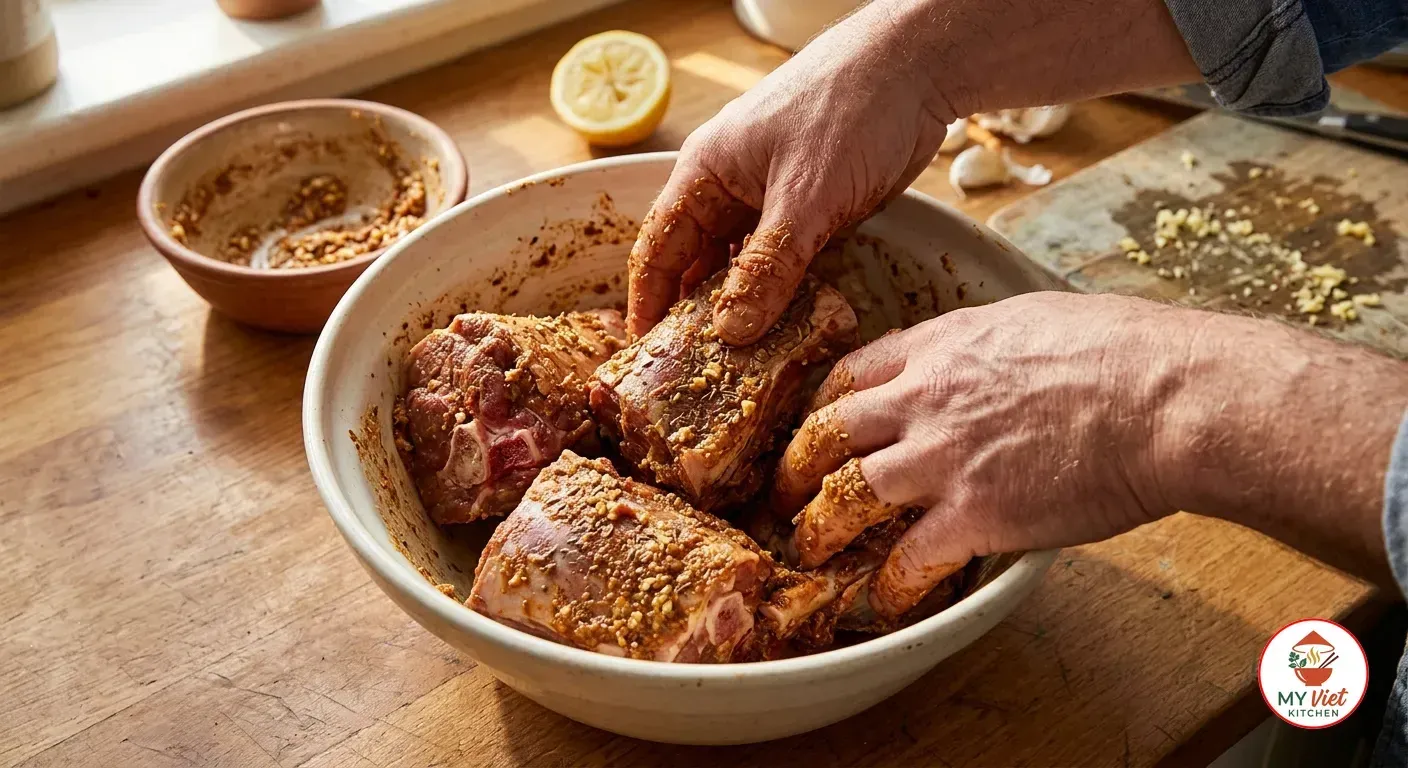
1 Place the goat pieces in a large bowl. Combine the coarse salt, black pepper, minced garlic, grated ginger, lemon juice, paprika, cumin, and vegetable oil in a small bowl and mix well. Pour this seasoning mixture over the goat and rub it into every surface with your hands. Most importantly, press the garlic and spices into any crevices between the meat and bone.
Let the seasoned meat rest at room temperature for 30 minutes before grilling. After all, cold meat placed directly on a hot grill cooks unevenly. The outside chars while the center stays raw. If you want deeper flavor, cover the bowl and refrigerate the meat for up to 4 hours. However, traditional Kenyan nyama choma uses only salt and perhaps lemon. The minimal approach is authentic.
Step 2: Prepare the Charcoal Grill
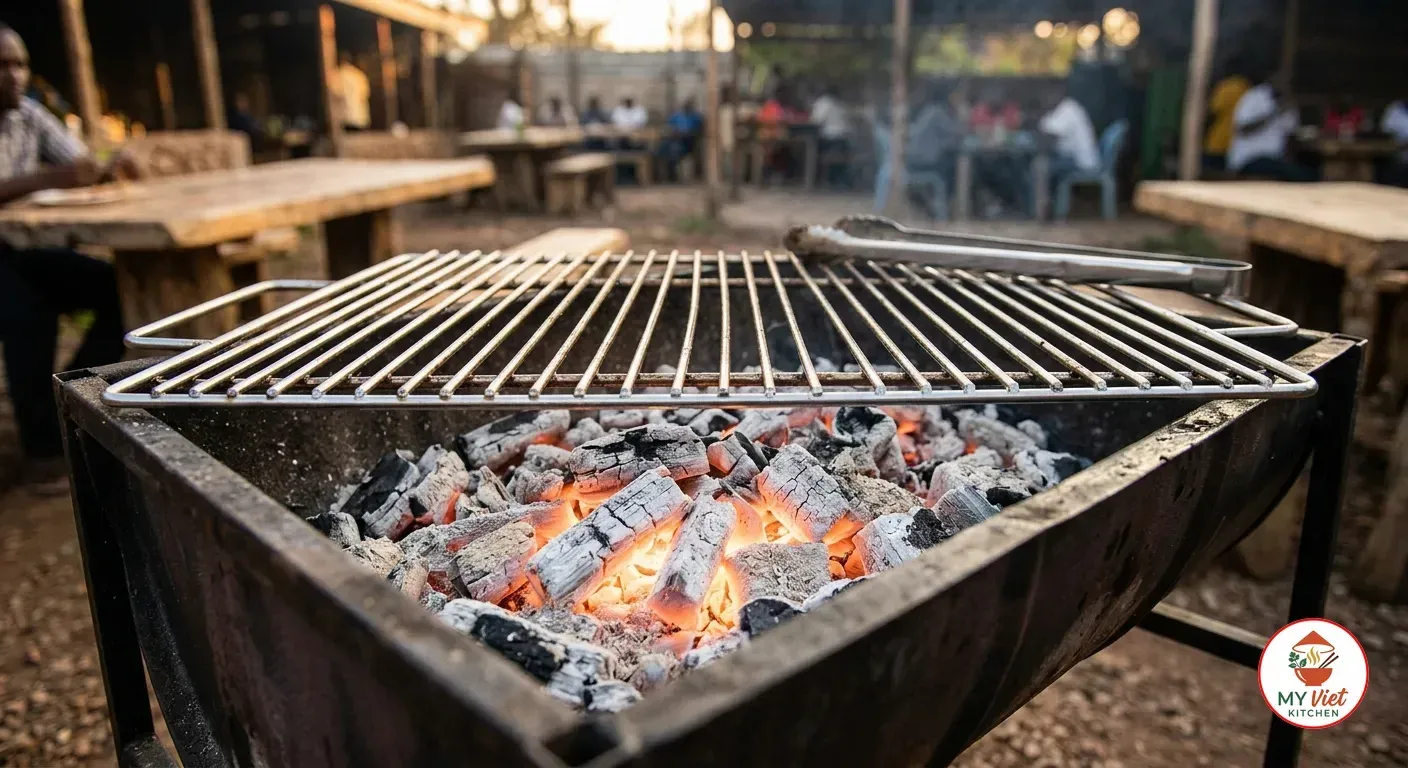
2 Light your charcoal using a chimney starter or newspaper and allow the coals to burn for 20 to 25 minutes. Above all, the coals must turn white-hot with a thin layer of gray ash covering them. This signals that the initial burst of high heat has passed and the fire has settled into a steady, moderate temperature. Spread the coals evenly across the bottom of the grill.
Position the grill grate about 6 inches above the coals. Correspondingly, this distance creates the medium heat zone that this dish demands. If your grate sits too close, the meat will burn on the outside before the inside cooks through. In Kenya, grillers often use simple metal grills with adjustable heights, moving the grate up or down to control the heat. Clean and oil your grate before placing any meat on it.
Step 3: Grill the Nyama Choma
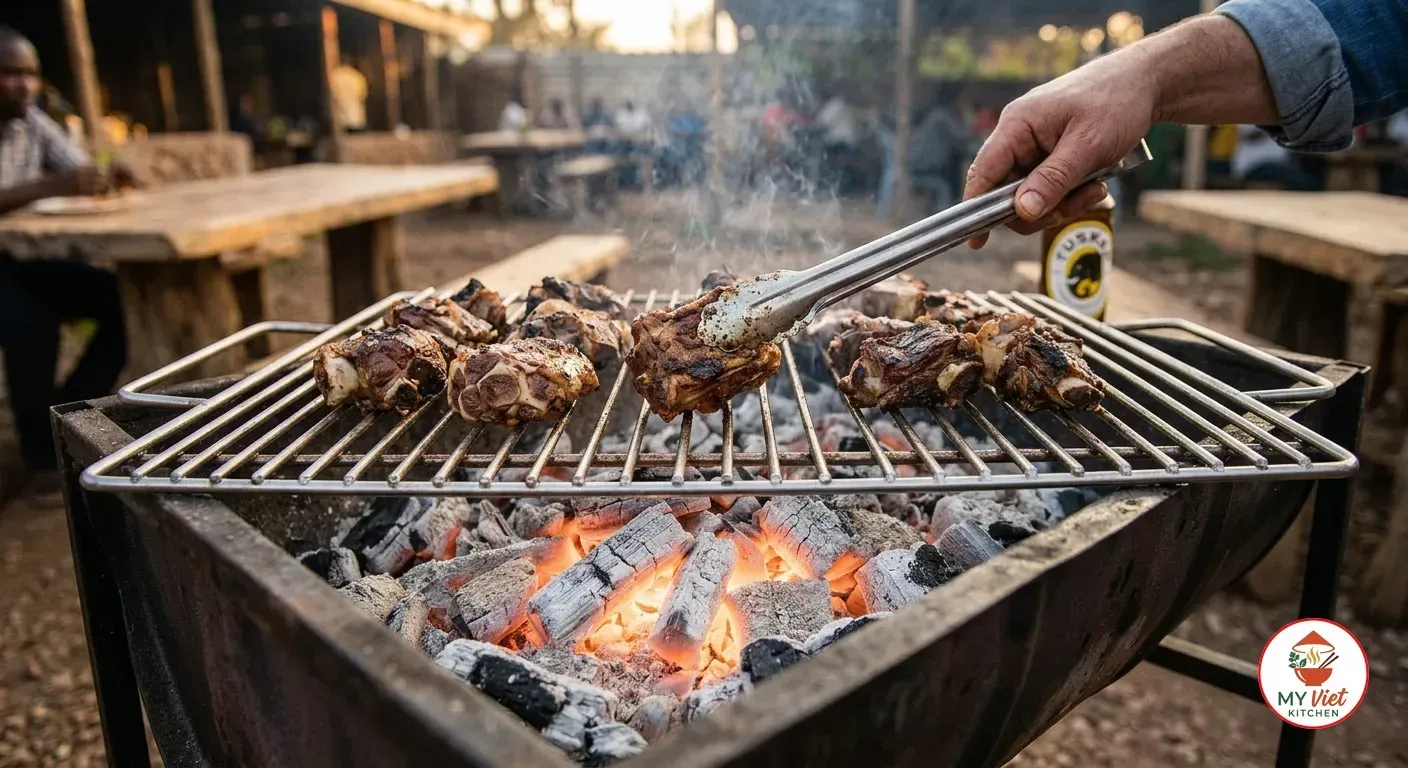
3 Place the seasoned goat pieces on the oiled grill grate. Arrange them so that none of the pieces touch each other. In particular, air needs to circulate around every piece for even cooking. Close the lid if your grill has one, or simply let the meat cook uncovered as Kenyan street grillers do. The initial sizzle will be loud, then it will settle into a gentle hiss.
Cook the nyama choma for 45 to 60 minutes total, turning every 10 to 15 minutes. Consequently, each turn exposes a new side to the heat and builds layers of char. Baste the meat with a mixture of oil and lemon juice after every other turn. This keeps the surface moist and adds a subtle citrus brightness. The goat is done when the exterior shows deep browning and the meat pulls slightly away from the bone. If you use a thermometer, aim for 160 degrees Fahrenheit at the thickest point.
Step 4: Grill the Accompaniments
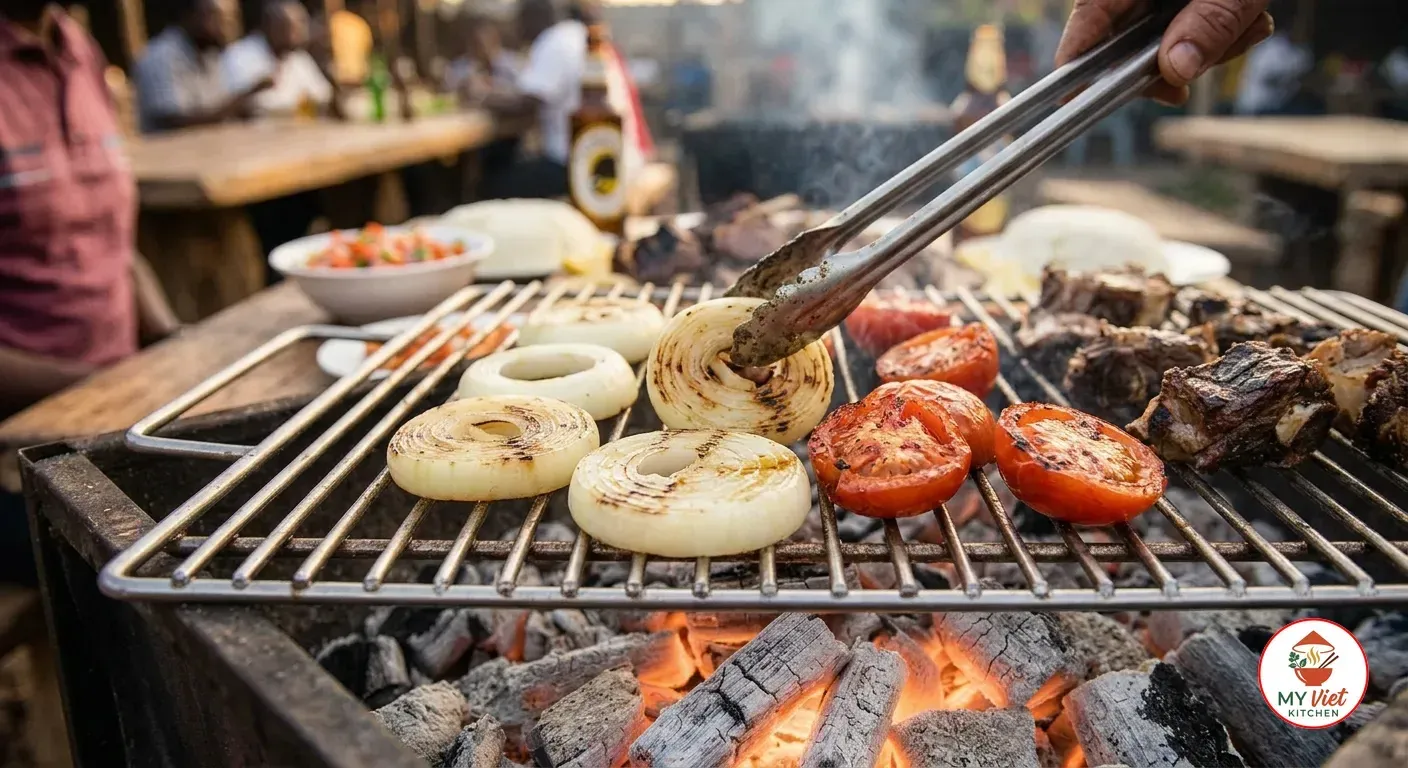
4 During the last 10 minutes of cooking, place the thick onion rings and tomato quarters directly on the grill alongside the meat. Generally, the onions need about 5 minutes per side. They should turn soft and develop dark grill marks while keeping some bite in the center. The tomatoes need only 3 to 4 minutes per side. They should blister and soften but not fall apart completely.
Grilled onions and tomatoes are a traditional part of the grilled meat experience. They provide a fresh, slightly sweet contrast to the rich, smoky meat. In addition, their juices mix with the meat drippings on the serving board and create a natural sauce that you mop up with ugali or bread. Do not skip these simple sides because they complete the dish.
Step 5: Rest and Serve
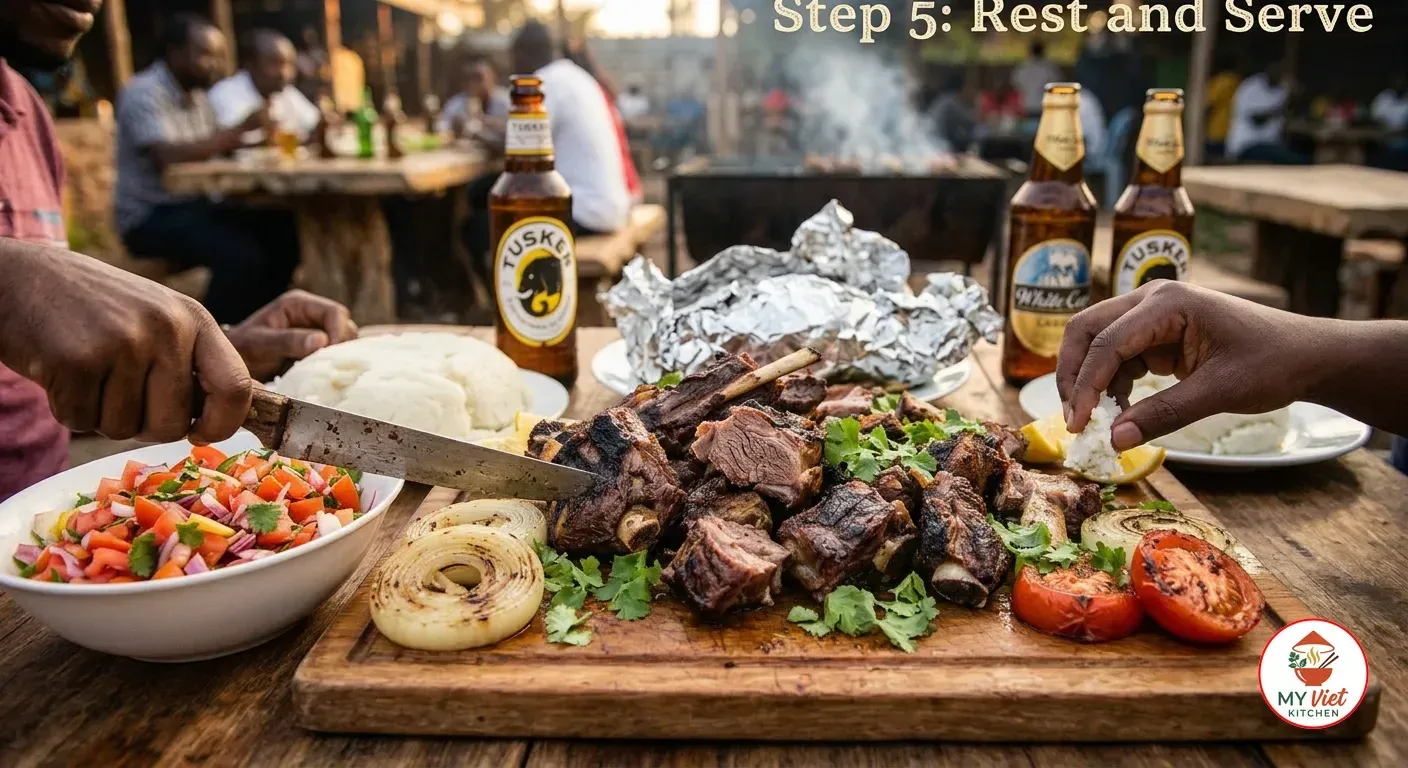
5 Transfer the grilled goat pieces to a large wooden cutting board and let them rest for 5 minutes. In effect, resting allows the juices to redistribute throughout the meat. If you cut too soon, the juices will escape onto the board and the meat will taste dry. Cover the pieces loosely with foil while they rest.
After resting, slice the nyama choma against the grain into thick pieces. Arrange them on the cutting board alongside the grilled onions and tomatoes. Scatter fresh cilantro over everything and place lemon wedges around the edges. Serve with a bowl of ugali and a generous portion of kachumbari salad on the side. In Kenya, everyone eats directly from the shared board using their hands.
Expert Tips for Perfect Nyama Choma
Patience Is the Secret Ingredient
The biggest mistake home grillers make with nyama choma is rushing the process. After all, goat meat has dense muscle fibers and tough connective tissue that require slow cooking to break down. If you blast the meat with high heat, the outside burns while the inside stays chewy and tough. Keep your coals at medium heat and resist the urge to move the grate closer. The full 45 to 60 minutes of slow grilling is non-negotiable for tender results.
Choose Bone-In Cuts
Without doubt, bone-in meat always delivers better results than boneless cuts. The bones conduct heat into the center of the meat, which helps it cook more evenly. They also add a subtle richness to the flavor as the marrow heats up during grilling. Furthermore, the meat near the bone stays juicier because bone slows the rate of moisture loss. In Kenya, boneless grilled goat would be considered a compromise.
Control Flare-Ups
Fat dripping onto charcoal causes flare-ups that char the meat unevenly and leave a bitter, acrid taste. Keep a spray bottle of water nearby to tame any sudden flames. Alternatively, move the meat temporarily to a cooler part of the grill when flare-ups happen. Alternatively, some Kenyan grillers trim excess fat from the meat before cooking to prevent this problem entirely.
Nyama Choma Compared to Other Grilled Meat Traditions
Every continent has its own grilled meat tradition. Here is how Kenyan nyama choma compares to the most famous grilling styles around the world.
| Grilling Style | Key Differences from Nyama Choma |
|---|---|
| Kenyan nyama choma | Minimal seasoning, goat meat, slow charcoal grilling, eaten with hands and ugali |
| South African braai | More variety of meats and boerewors sausage, often uses wood fire, complex marinades |
| American barbecue | Heavy rubs and sauces, pork and beef focus, low and slow smoking technique |
| Argentine asado | Beef-focused, wood fire, chimichurri sauce, longer cooking times up to several hours |
| Nigerian suya | Skewered meat, heavy peanut spice rub called yaji, street food style |
Serving Suggestions
In Kenya, nyama choma is always a communal affair. The meat arrives on a large wooden board and everyone gathers around it. There are no individual plates in the traditional setting. You tear off pieces with your hands, dip them in salt or squeeze lemon over them, and enjoy each bite with sides that balance the richness of the grilled meat.
The Perfect Accompaniments:
- Ugali: This firm cornmeal porridge is the staple starch of East Africa and the most traditional partner for nyama choma. You pinch off a piece, press a dent into it with your thumb, and use it to scoop up the meat. Its neutral flavor absorbs the smoky meat juices beautifully.
- Kachumbari: This fresh salsa of diced tomatoes, red onions, cilantro, and lemon juice provides a bright, acidic contrast to the rich grilled meat. The raw crunch and citrus cut through the fat and refresh the palate between bites.
- Sukuma wiki (collard greens): Sauteed collard greens with onions and tomatoes add a healthy, slightly bitter counterpoint that balances the heaviness of the meat perfectly.
- Roasted potatoes: Chunky potatoes roasted alongside the meat on the grill absorb the smoke and fat drippings, becoming crispy on the outside and creamy within.
- Chapati: These soft, flaky East African flatbreads are perfect for wrapping around pieces of grilled meat and soaking up the juices on the board.
Beverage Pairings:
- Tusker Lager: This iconic Kenyan beer is the classic pairing for nyama choma. Its crisp, malty flavor washes down the smoky meat and cleanses the palate between bites. No nyama choma gathering in Kenya is complete without cold Tusker bottles on the table.
- White Cap Lager: Another popular Kenyan beer that pairs well with grilled meat. It has a lighter body than Tusker and a slightly hoppy finish that complements the charred flavors.
- Fresh passion fruit juice: For a non-alcoholic option, passion fruit juice balances the richness of the meat with its tart sweetness. Many Kenyan restaurants serve it alongside grilled meat platters.
Storage and Reheating
Refrigerator: Store leftover nyama choma in an airtight container for up to 3 days. The smoky flavor intensifies in the fridge, so cold leftover nyama choma actually makes an excellent snack straight from the container. Separate the meat from any grilled vegetables to prevent sogginess.
Freezer: Freeze cooked nyama choma for up to 2 months. Wrap individual portions tightly in plastic wrap and place them in freezer bags. Thaw overnight in the refrigerator before reheating. The texture holds up well to freezing because the bone-in pieces retain more moisture than boneless cuts.
Reheating: The best method is to reheat nyama choma on a hot grill or under the broiler for 4 to 5 minutes per side. This restores the crispy charred exterior that defines the dish. You can also reheat it in a cast iron skillet over high heat for 3 minutes per side. Avoid the microwave because it softens the crust and makes the texture rubbery.
Common Mistakes to Avoid
1. Grilling Over Flames Instead of Coals
Unfortunately, many beginners place the meat on the grill while the charcoal still has active flames. Active flames produce inconsistent heat and cause excessive charring. Instead, always wait until the coals turn white-hot with a gray ash coating. This stage provides steady, even heat that cooks the meat through without burning it. Patience at this step prevents every other grilling problem.
2. Cutting the Meat Too Small
Similarly, small pieces of goat meat dry out rapidly over charcoal. The high surface-to-volume ratio means moisture escapes too fast. Keep your pieces large, roughly the size of your fist or bigger. Larger cuts retain more juice during the long cooking time and give you a better contrast between the charred outside and tender inside. You can always slice them smaller after grilling.
3. Over-Seasoning the Meat
Authentic nyama choma celebrates the natural flavor of the meat and the smoke from the charcoal. Therefore, heavy marinades and complex spice rubs mask these flavors. Salt is the only essential seasoning. At most, garlic, lemon, and mild spices add subtle depth without overpowering the meat. If your nyama choma tastes more like the seasoning than the goat, you have used too much.
Frequently Asked Questions
Where can I buy goat meat for nyama choma?
For instance, look for goat meat at halal butcher shops, African grocery stores, Caribbean markets, or Mexican carnecerias. Many regular supermarkets now stock frozen goat as well. Alternatively, ask your local butcher to order bone-in goat leg or shoulder. For the freshest option, check farmers’ markets that sell directly from local goat farms.
Can I use beef instead of goat for nyama choma?
Yes, beef is a popular alternative for nyama choma in Kenya. Beef short ribs and bone-in chuck work especially well because they have enough fat to stay moist during slow grilling. Notably, the cooking time stays the same at 45 to 60 minutes. However, goat delivers a more authentic flavor that most Kenyans consider superior for this particular dish.
How do I know when nyama choma is fully cooked?
The meat should pull slightly away from the bone and show deep browning on all sides. When you press it with tongs, it should feel firm but not hard. Additionally, a meat thermometer should read 160 degrees Fahrenheit at the thickest point for goat and beef. If the meat still feels soft and springy, it needs more time on the grill.
Variations and Adaptations
Nyama Choma Chicken:
Butterfly a whole chicken and season it with the same simple spice mixture. Grill over medium coals for 35 to 40 minutes, flipping every 10 minutes. Since chicken cooks faster than goat, watch closely for burning. The internal temperature should reach 165 degrees Fahrenheit at the thickest part of the thigh. Serve with the same accompaniments for a lighter version of the classic.
Oven-Roasted Nyama Choma:
For a weeknight version without the grill, season the goat as directed and place it on a wire rack over a sheet pan. Roast at 350 degrees Fahrenheit for 50 to 60 minutes. Then switch to the broiler on high for the final 5 minutes to develop a charred crust. Although the result lacks the authentic smokiness of charcoal, it still delivers tender, well-seasoned meat.
Spicy Nyama Choma:
Add 2 teaspoons of chili flakes and 1 tablespoon of pilipili (Swahili hot pepper sauce) to the seasoning mixture for a fiery version. Some Kenyan regions prefer spicier nyama choma, particularly along the coast where the influence of Indian and Arab spice traders has shaped the local palate. Serve with extra lemon wedges to balance the heat.
The Cultural Significance of Nyama Choma
Nyama choma is far more than a recipe in Kenya. It is a social institution that crosses all tribal, economic, and generational boundaries. In a country with over 40 ethnic groups, nyama choma is one of the few foods that every community claims and enjoys equally. From Nairobi’s upscale restaurants to rural village gatherings, the sight and smell of meat grilling over charcoal brings people together in a way that nothing else can.
In fact, the tradition runs deep in Kenyan daily life. After work on Friday evenings, colleagues head to their favorite nyama choma joint. On weekends, families fire up grills in their backyards. During holidays and celebrations, a feast without nyama choma feels incomplete. Chiefly, the act of sharing meat from a single board builds bonds and shows generosity. Indeed, offering someone nyama choma is a gesture of hospitality that carries real cultural meaning.
The grillers themselves hold a respected position in Kenyan food culture. A skilled nyama choma griller knows exactly when to turn the meat, how to manage the coals, and when the goat reaches perfect tenderness. This knowledge passes from one generation to the next. When you make this recipe at home, you participate in a food tradition that has united Kenyans for generations and continues to define the country’s culinary identity.
Conclusion
Making authentic Kenyan nyama choma at home comes down to three essentials: quality bone-in goat meat, simple seasoning that respects the natural flavor, and the patience to grill slowly over white-hot charcoal until the meat turns tender and deeply charred. The result is one of Africa’s greatest grilled meat traditions, brought to your own table with minimal effort and maximum reward.
Whether you grill it outdoors over a proper charcoal fire for the most authentic experience or adapt it to your oven on a weeknight, this nyama choma recipe delivers bold Kenyan flavor that will have everyone gathered around the cutting board. For more African recipes, explore our collection of African dishes including Nigerian suya and Mozambican piri piri chicken.