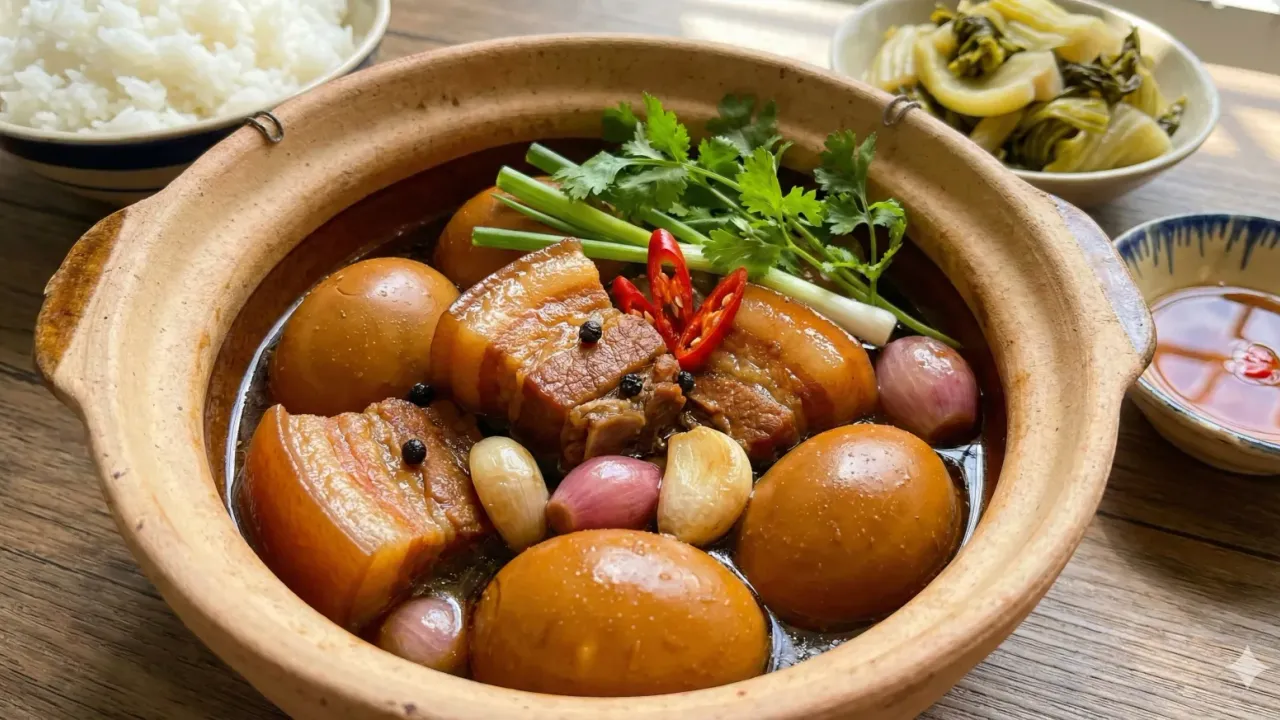
Thit kho tau (or thịt kho tàu) is one of Vietnam’s most cherished comfort foods - tender pork belly and hard-boiled eggs slowly braised in a sweet-savory caramel sauce with coconut water. This traditional Vietnamese dish transforms simple ingredients into a rich, flavorful meal that’s especially beloved during Tết (Vietnamese Lunar New Year).
The name “thit kho tau” literally means “Chinese-style braised pork,” reflecting the Chinese culinary influence on Vietnamese cuisine. However, the Vietnamese version has evolved with its own distinctive flavor profile, particularly through the use of fresh coconut water and fish sauce.

Why You’ll Love This Vietnamese Caramelized Pork Recipe
- Incredible depth of flavor: The caramelized sugar creates a complex sweet-savory balance
- Melt-in-your-mouth tender: Slow braising makes the pork incredibly tender
- Perfect for meal prep: Tastes even better the next day as flavors develop
- Cultural significance: A traditional dish that connects you to Vietnamese heritage
- Budget-friendly: Uses affordable ingredients with impressive results
Essential Ingredients for Thit Kho Tau
Main Ingredients
-
Pork belly (1.5 lbs / 700g): Choose pieces with good fat-to-meat ratio for best results
-
Hard-boiled eggs (6-8): Preferably duck eggs for authenticity, but chicken eggs work well
-
Fresh coconut water (2 cups / 500ml): Young coconut water preferred; can substitute with canned
-
Shallots (4-5): Adds aromatic depth to the sauce
-
Garlic (4-5 cloves): Essential for the flavor base
Seasoning and Sauce
-
Granulated sugar (3-4 tablespoons): For making the caramel
-
Fish sauce (3-4 tablespoons): The soul of Vietnamese cooking
-
Black pepper (1 teaspoon): Freshly ground is best
-
Salt (to taste): Usually minimal due to fish sauce
-
Water (1 cup / 250ml): To help make the caramel
Optional Ingredients for Enhanced Flavor
-
Thai chili peppers for heat
-
Scallions for garnish
-
Five-spice powder (1/4 teaspoon) for complexity
-
MSG or mushroom seasoning for umami boost
How to Make Thit Kho Tau: Step-by-Step Instructions
Step 1: Prepare the Pork
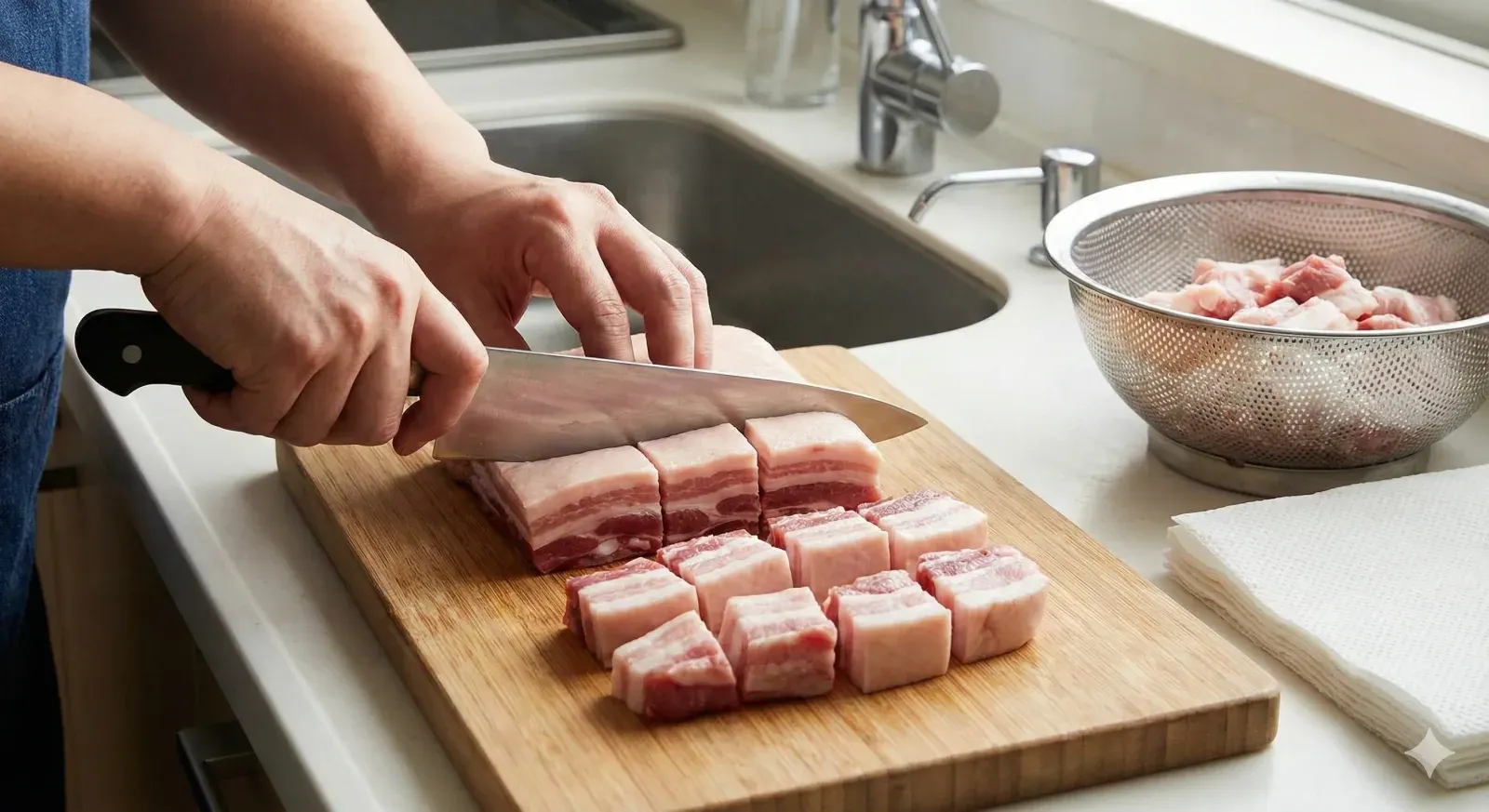
1Cut the pork belly into 1.5-inch (4cm) chunks. The pieces should be substantial enough to withstand long braising without falling apart. Rinse the pork under cold water and pat dry with paper towels.
Pro tip: Some cooks briefly blanch the pork in boiling water for 2-3 minutes to remove impurities and excess fat. This step is optional but results in a cleaner-tasting sauce.
Step 2: Prepare the Eggs
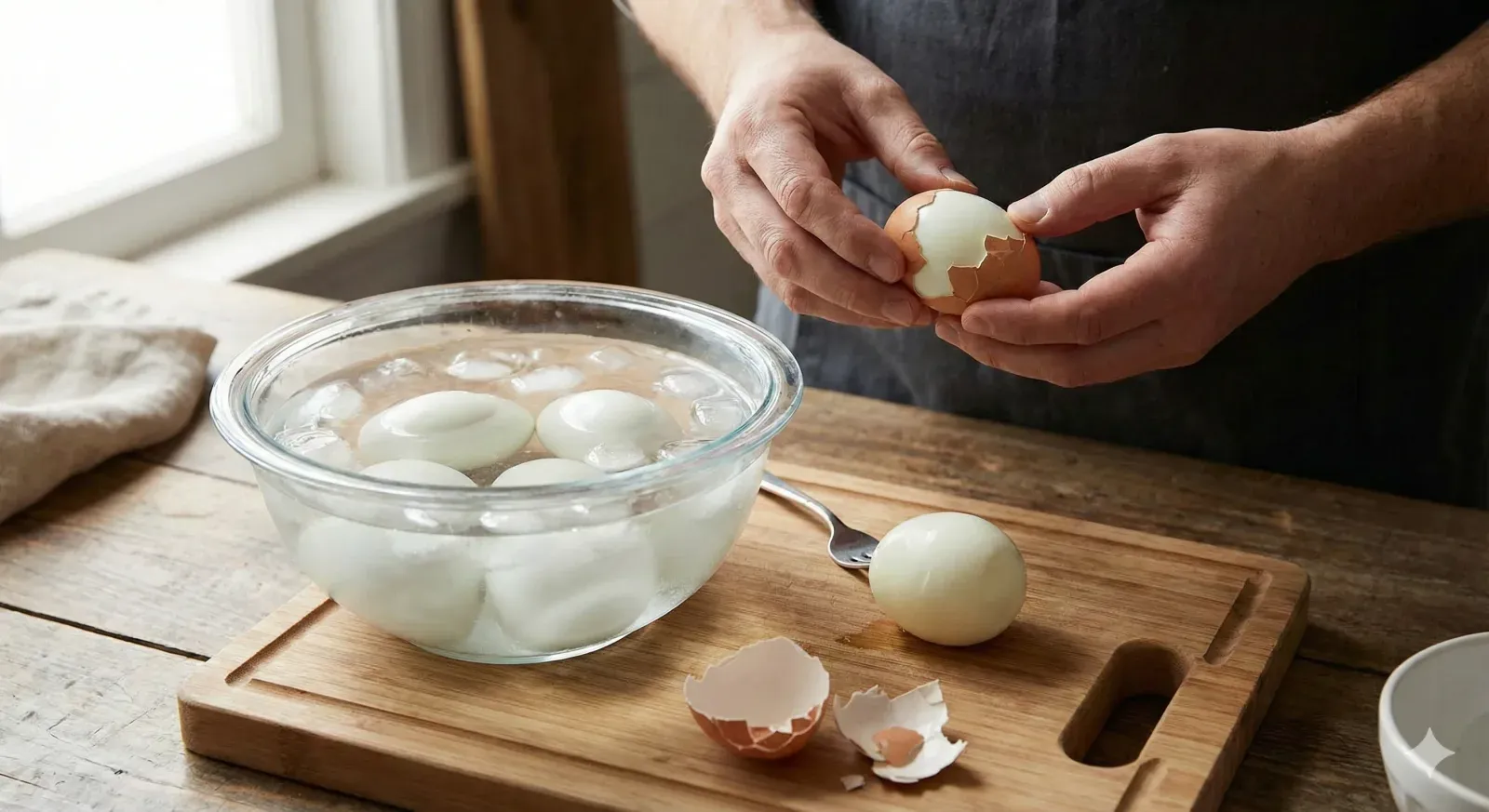
Hard-boil the eggs by placing them in cold water, bringing to a boil, then simmering for 10 minutes. Transfer immediately to an ice bath. Once cooled, peel the eggs and use a fork to prick the surface several times - this helps the eggs absorb the flavorful sauce during braising.
Step 3: Make the Caramel (Nuoc Mau)
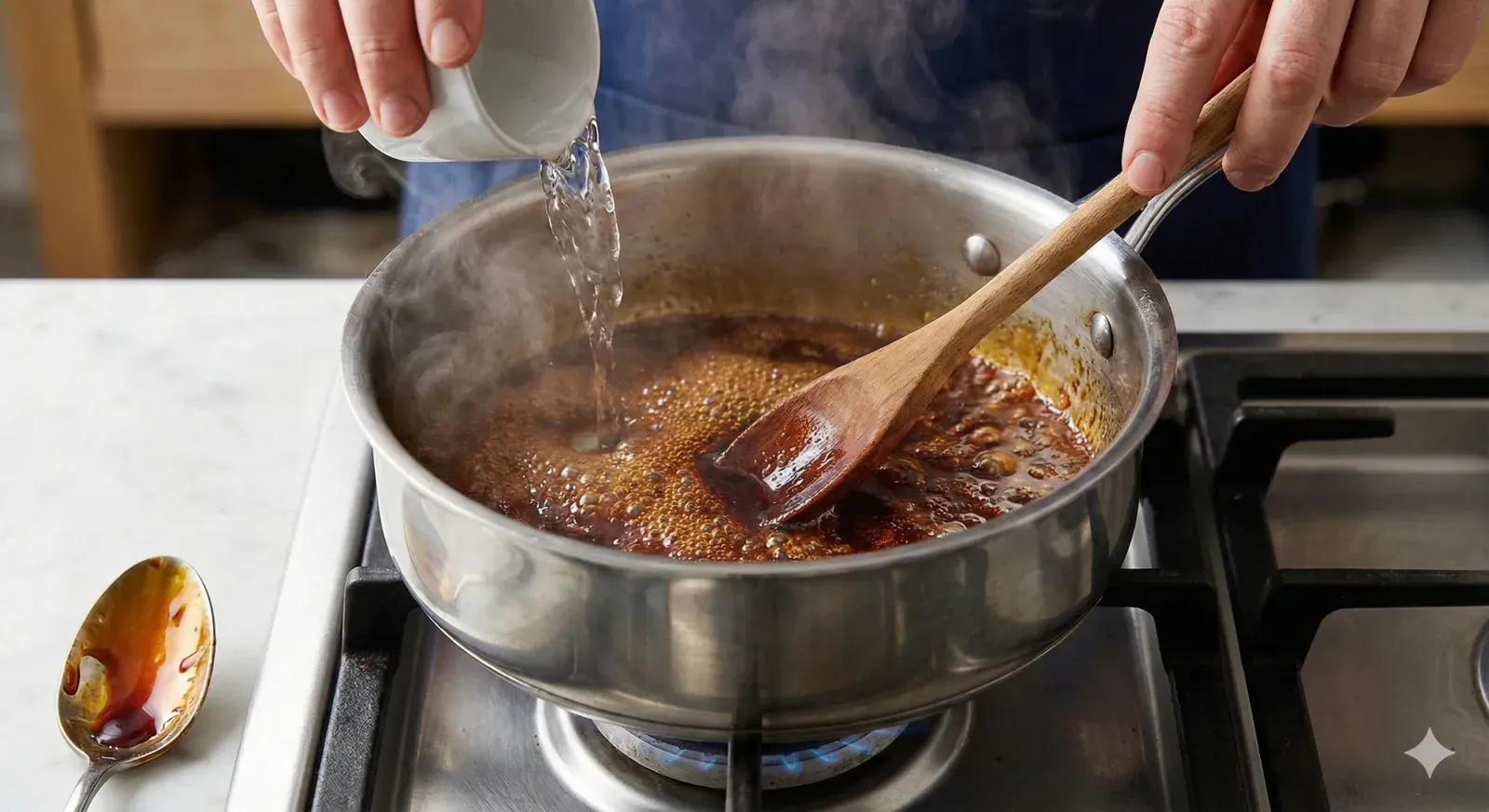
This is the crucial step that gives thit kho tau its signature flavor and color:
- Add 3 tablespoons of sugar to a heavy-bottomed pot or clay pot
- Heat over medium heat without stirring until sugar melts and turns golden brown
- Carefully add 2-3 tablespoons of water (it will sputter!)
- Stir to create a smooth caramel sauce
- The caramel should be dark amber, not burnt
Important: Making caramel requires attention. Too light and you won’t get the deep flavor; too dark and it becomes bitter. Aim for a rich amber color similar to dark honey.
Step 4: Brown the Pork
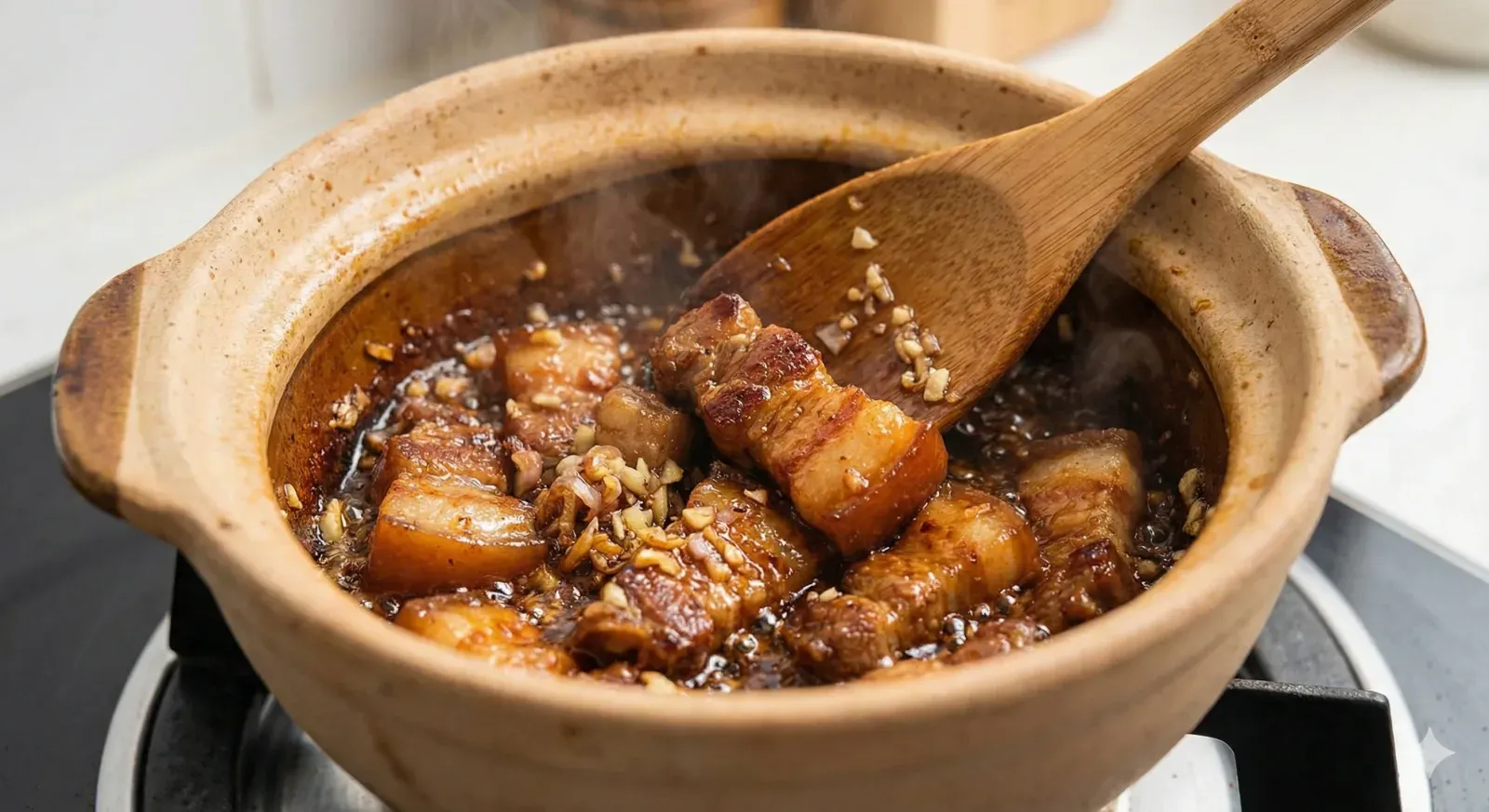
Add the pork pieces directly to the caramel, stirring to coat each piece. Let the pork sear for 2-3 minutes, developing a beautiful caramelized exterior. Add minced garlic and shallots, stirring until fragrant (about 30 seconds).
Step 5: Add Liquids and Seasonings
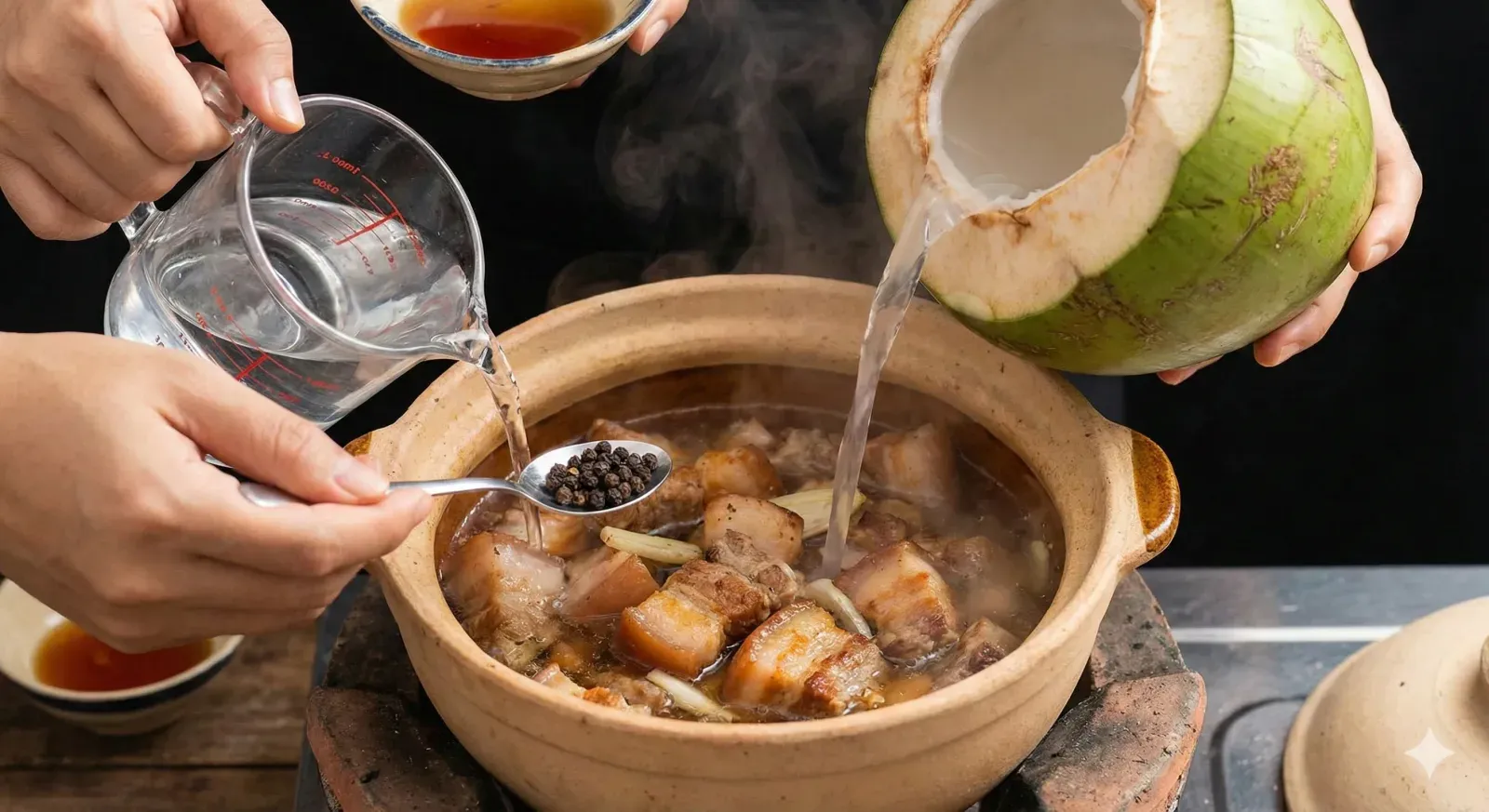
Pour in the coconut water and regular water. Add fish sauce and black pepper. Stir to combine all ingredients. The liquid should just cover the pork - adjust water as needed.
Step 6: Braise the Pork
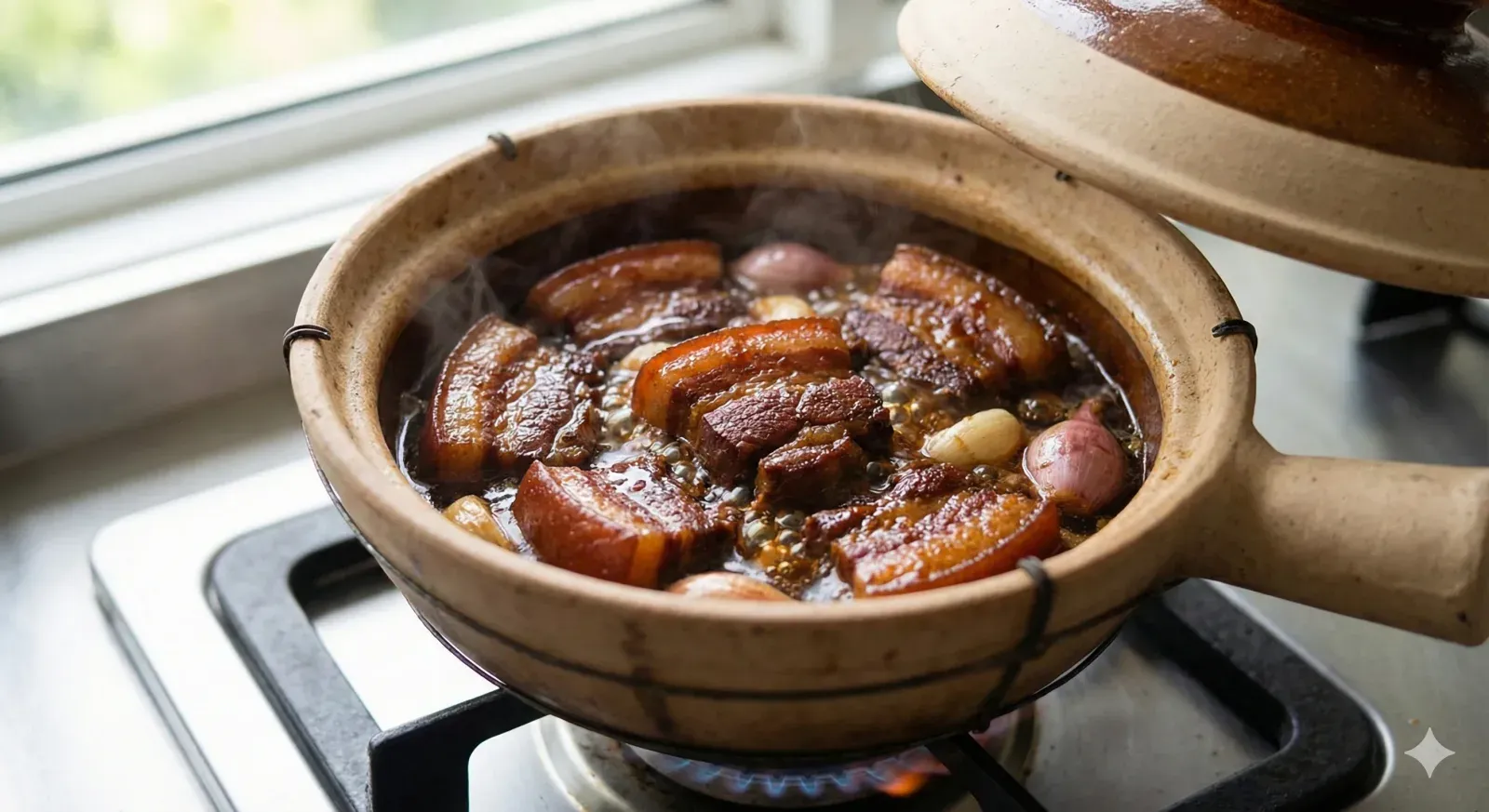
Bring the mixture to a boil, then reduce heat to low. Cover and simmer for 45 minutes, stirring occasionally. The pork should become tender and the sauce should reduce by about one-third.
Step 7: Add the Eggs
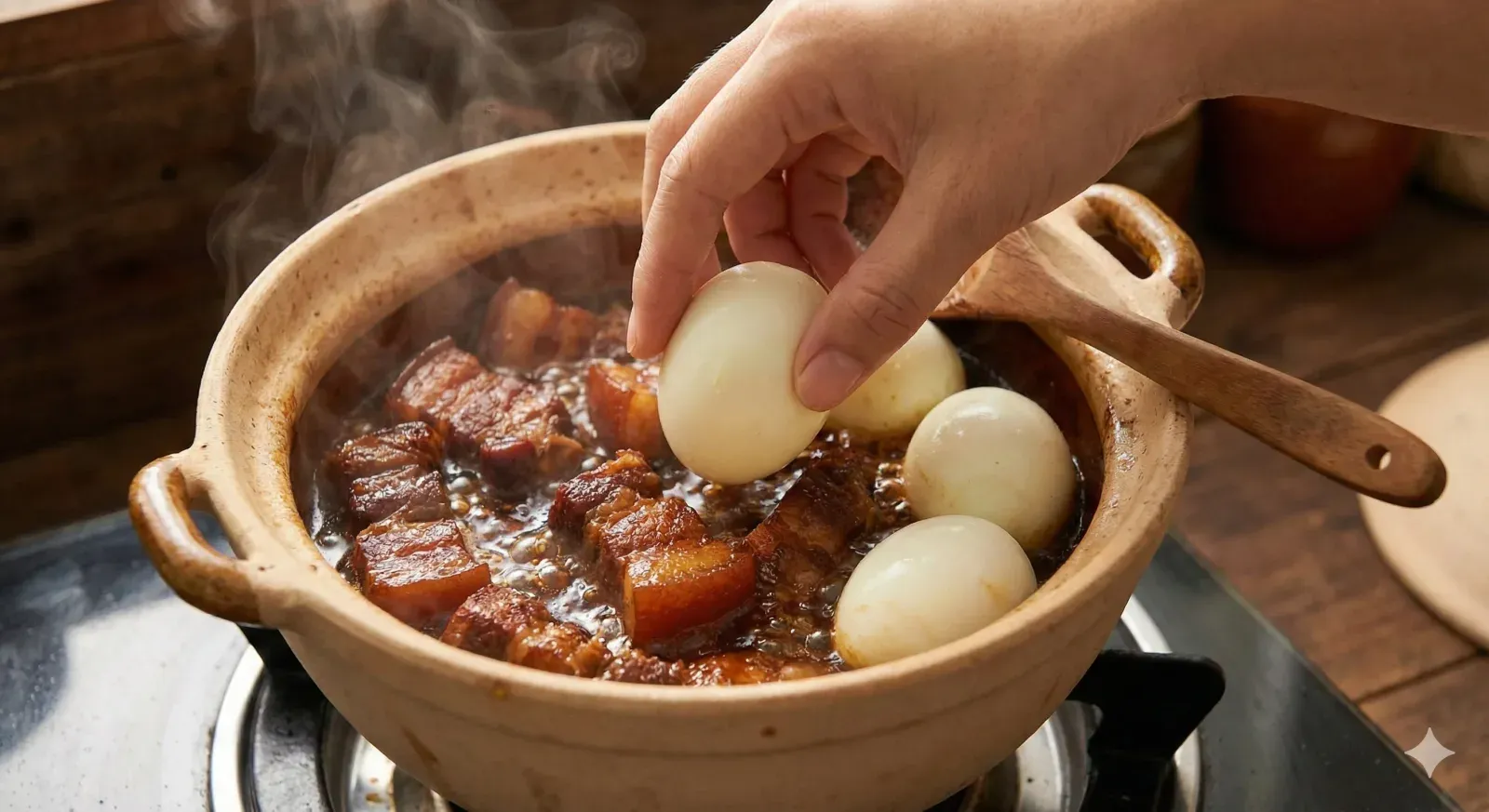
Gently nestle the prepared hard-boiled eggs into the sauce. Continue simmering uncovered for another 30-45 minutes, occasionally spooning sauce over the eggs. The sauce should reduce to a thick, glossy glaze that coats the back of a spoon.
Step 8: Final Adjustments
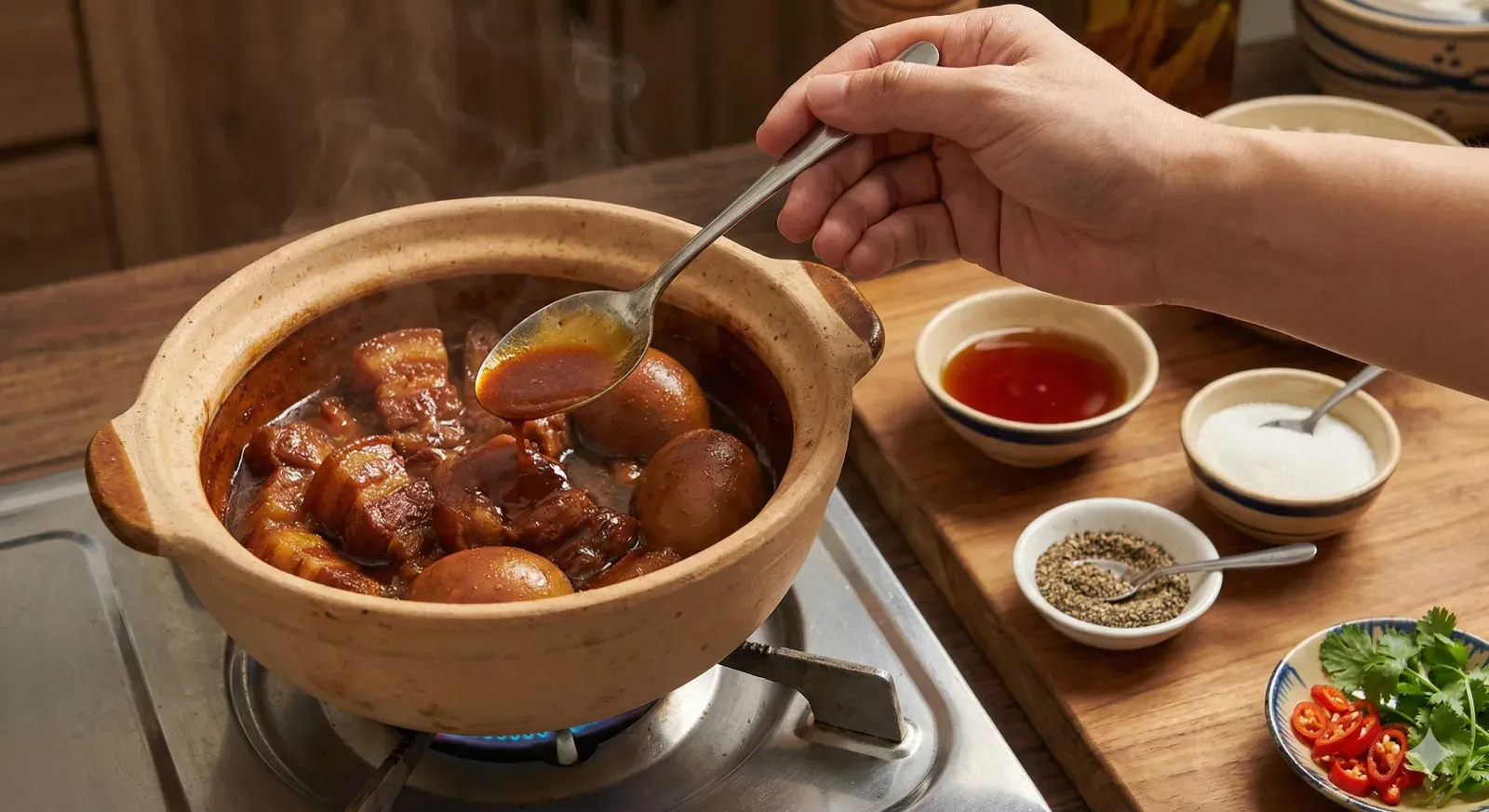
Taste and adjust seasoning with additional fish sauce, sugar, or pepper as needed. If the sauce is too thin, continue simmering uncovered. If too thick or salty, add a splash of coconut water.
Serving Suggestions
Thit kho tau is traditionally served in a clay pot (hence “tau” or pot) with:
-
Steamed white rice: The essential companion to soak up the flavorful sauce
-
Pickled vegetables (dua chua): Cuts through the richness
-
Fresh herbs: Cilantro, Vietnamese coriander, or Thai basil
-
Vegetable soup (canh): Provides balance to the meal
-
Stir-fried greens: Adds freshness and nutrition
Tips for Perfect Vietnamese Caramelized Pork
Choosing the Right Pork
Pork belly with skin-on is traditional and provides the best texture contrast. The fat renders during cooking, creating a silky sauce. For a leaner option, use pork shoulder, though it won’t be quite as rich.
Caramel Color Guide
The darkness of your caramel determines the final color and flavor. For thit kho tau, aim for dark amber - almost the color of dark soy sauce but not black. This gives the classic mahogany appearance.
Coconut Water vs. Water
Fresh coconut water adds subtle sweetness and authentic flavor. In Vietnam, young coconut water is preferred. If using canned, choose brands without added sugar. In a pinch, plain water works, though the dish will be less nuanced.
The Low and Slow Method
Resist the urge to rush. Slow braising at low heat allows:
- Pork fat to fully render and distribute flavor
- Collagen to break down into gelatin, creating silky texture
- Flavors to meld and deepen
- Sauce to reduce and concentrate naturally
Common Variations of Thit Kho
Thit Kho Trung (With Quail Eggs)
Use quail eggs instead of chicken or duck eggs for a more delicate presentation. They’re popular for bento boxes and look beautiful in the finished dish.
Thit Kho Dua (With Bamboo Shoots)
Add canned bamboo shoots in the last 15 minutes of cooking. They absorb the sauce beautifully and add textural interest.
Thit Kho Nuoc Dua (Heavy on Coconut)
Replace all water with coconut water or add coconut cream for an extra rich, Southern Vietnamese-style version.
Spicy Version
Add sliced Thai chilies or dried chili flakes with the aromatics for a spicy kick. This is popular in Central Vietnam.
AdvertisementStorage and Reheating
Refrigeration: Thit kho tau keeps well for 4-5 days in an airtight container. The flavors actually improve overnight as the pork and eggs continue absorbing the sauce.
Freezing: Can be frozen for up to 3 months. Thaw overnight in the refrigerator before reheating.
Reheating: Gently warm in a pot over low heat, adding a splash of water if the sauce has thickened too much. Microwave works in a pinch, but stovetop reheating preserves texture better.
The Cultural Significance of Thit Kho Tau
In Vietnamese culture, thit kho tau holds special meaning beyond its delicious taste. It’s one of the essential dishes for Tết celebration, symbolizing prosperity and family unity. The rich, dark color represents wealth, while the round eggs symbolize completeness and family togetherness.
During Tết, Vietnamese families often prepare large batches to last through the holiday period, as cooking fresh food during the first days of the new year is traditionally avoided. The dish’s ability to keep well and taste better with time makes it perfect for this purpose.
Many Vietnamese people have fond childhood memories of their grandmothers’ thit kho tau, each family recipe carrying slight variations passed down through generations.
Troubleshooting Common Issues
Sauce Too Salty
Add more coconut water and a pinch of sugar to balance. Continue simmering to reduce again if needed.
Pork Still Tough
Continue braising - some cuts need up to 2 hours. Ensure heat is low enough that liquid barely bubbles.
Caramel Burned
Start over - there’s no recovering burnt caramel. Watch it carefully and use medium heat, not high.
Sauce Won’t Thicken
Remove lid and simmer uncovered for 15-20 minutes. The sauce should reduce and become glossy.
Eggs Don’t Absorb Color
Make sure to prick the eggs before adding them. Turn them occasionally during braising so all sides get coated.
AdvertisementFrequently Asked Questions
Can I use chicken instead of pork?
Yes, but chicken thighs work better than breast. Reduce cooking time to 30-40 minutes total as chicken cooks faster than pork.
What’s the difference between thit kho tau and thit kho tieu?
Thit kho tieu (peppery braised pork) emphasizes black pepper and is typically drier with less sauce. Thit kho tau has more sauce and uses caramel as the dominant flavoring.
Can I make this in a slow cooker?
Yes! Brown the pork and make caramel in a pan first, then transfer everything to a slow cooker. Cook on low for 6-8 hours or high for 3-4 hours.
Is duck egg necessary?
No, chicken eggs work perfectly fine. Duck eggs are traditional because they’re larger and have richer yolks, but the difference is subtle in the final dish.
Why is my caramel grainy?
The sugar likely crystallized. This happens if you stir while melting or if water drops get into the sugar. Start over and avoid stirring until sugar is fully melted.
Nutritional Information
Per serving (approximately 1 cup with 1 egg):
- Calories: 450-520
- Protein: 28g
- Fat: 35g
- Carbohydrates: 12g
- Sodium: 800-1000mg
Note: Nutritional values vary based on pork cut and amount of fat trimmed. This is a rich dish meant to be enjoyed in moderation with plenty of rice and vegetables.
Final Thoughts
Thit kho tau is more than just a recipe - it’s a connection to Vietnamese culinary tradition and family heritage. While it may seem intimidating at first with its caramel-making step, once you master the technique, you’ll have a dish that impresses at any gathering.
The beauty of this Vietnamese caramelized pork lies in its simplicity and depth. With just a handful of ingredients and patience, you create something truly special that tastes like it took much more effort than it actually did.
Whether you’re making it for Tết celebration, a Sunday family dinner, or simply craving authentic Vietnamese comfort food, thit kho tau delivers every time. The rich sauce coating tender pork and flavorful eggs, served over steaming rice - it’s pure satisfaction in a bowl.
-
-