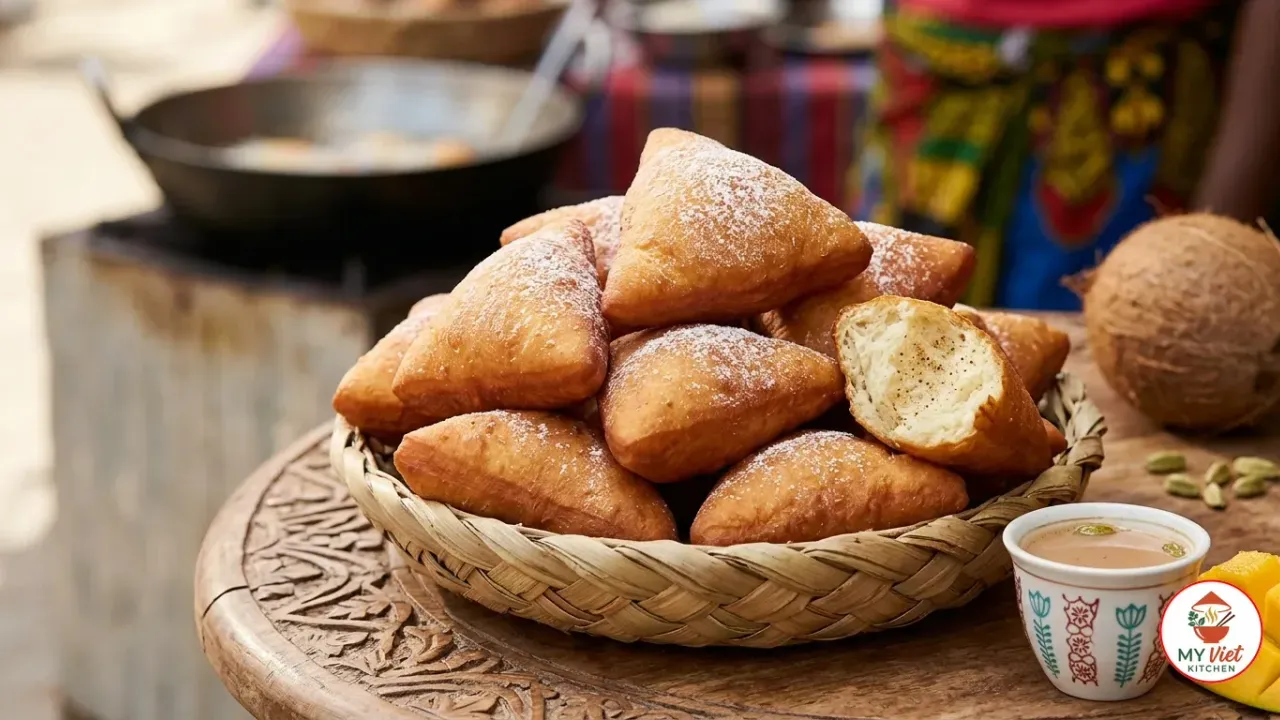
Mandazi is the beloved fried bread of East Africa, a golden, pillowy triangle of dough scented with cardamom and coconut milk that you will find on nearly every street corner from Nairobi to Dar es Salaam. This mandazi recipe walks you through every step of making these fluffy, lightly sweet doughnuts at home. Unlike Western doughnuts that drip with sugar glaze, mandazi strikes a gentler balance, just sweet enough to enjoy on their own, yet savory enough to pair with spicy stews and strong tea.
Prep Time: 25 minutes (plus 1 hour rising) | Cook Time: 20 minutes | Servings: 16 pieces
Difficulty: Easy | Calories: ~145 per piece
What Makes This Mandazi Recipe Special?
Mandazi occupies a unique space in the world of fried breads. It is lighter than a beignet, less sweet than a doughnut, and more fragrant than any of its Western cousins. The secret to great mandazi lies in two ingredients that most non-African recipes overlook: coconut milk and ground cardamom. Coconut milk gives the dough a subtle richness and a tender crumb that plain milk simply cannot match. Cardamom adds a warm, floral aroma that defines the Swahili coast flavor profile. Together, these two ingredients turn a basic fried dough into something distinctly East African.
This mandazi recipe uses a yeast-leavened dough that rises for about an hour before frying. The fermentation does two important things. First, it creates carbon dioxide bubbles that expand in the hot oil, so the mandazi puffs up into light, airy pillows. Second, the yeast produces subtle flavor compounds during fermentation that give the bread a depth you cannot get from baking powder alone. Many quick recipes skip the yeast, but the difference in texture and taste is significant.
What also makes this mandazi recipe stand out is the frying technique. The oil temperature matters enormously. Too hot, and the outside browns before the inside cooks through. Too cool, and the dough absorbs oil like a sponge. At 170 degrees Celsius, the mandazi hits the oil and immediately starts to puff. The exterior sets quickly into a thin, golden crust while the interior stays soft and cloud-like. Mastering that oil temperature is the single most important skill in making perfect mandazi.

Choosing the Right Coconut Milk for Mandazi
Coconut milk is the backbone of authentic mandazi flavor. However, not all coconut milk works equally well in this mandazi recipe. Here are your best options ranked by how well they perform in the dough.
- Full-fat canned coconut milk (best choice): This is what Swahili cooks use. The high fat content makes the dough tender and rich. Shake the can well before measuring to combine the cream and liquid. The fat coats the flour proteins and creates a soft crumb that stays moist even after cooling.
- Freshly squeezed coconut milk: If you have access to fresh coconuts, grating and squeezing the flesh produces the most flavorful milk. Coastal Kenyan and Tanzanian cooks prefer this method. The flavor is more intense and aromatic than canned versions. Strain through cheesecloth to remove any solids before adding to the dough.
- Light coconut milk or carton coconut milk: These work in a pinch but produce a less rich mandazi. The lower fat content means the crumb will be slightly drier. If you use light coconut milk, add an extra tablespoon of melted butter to compensate for the missing richness. Avoid sweetened or flavored coconut beverages entirely.
Ingredients for Mandazi Recipe
Main Ingredients:
- 3 cups all-purpose flour
- 1/3 cup granulated sugar
- 1 teaspoon instant yeast
- 1/2 teaspoon ground cardamom
- 1/4 teaspoon ground cinnamon
- 1/4 teaspoon salt
Wet Ingredients:
- 1/2 cup full-fat coconut milk
- 1/4 cup warm water (about 40 degrees Celsius)
- 1 large egg, beaten
- 2 tablespoons melted butter or coconut oil
For Frying:
- Vegetable oil for deep frying (about 4 cups)
- Optional: powdered sugar for dusting
Pro tip: Use instant yeast rather than active dry yeast for this mandazi recipe. Instant yeast can go directly into the flour without blooming in water first, which simplifies the process. If you only have active dry yeast, dissolve it in the warm water with a pinch of sugar and wait 5 minutes until it foams before adding it to the flour mixture.
Step-by-Step Instructions
Step 1: Make the Mandazi Dough
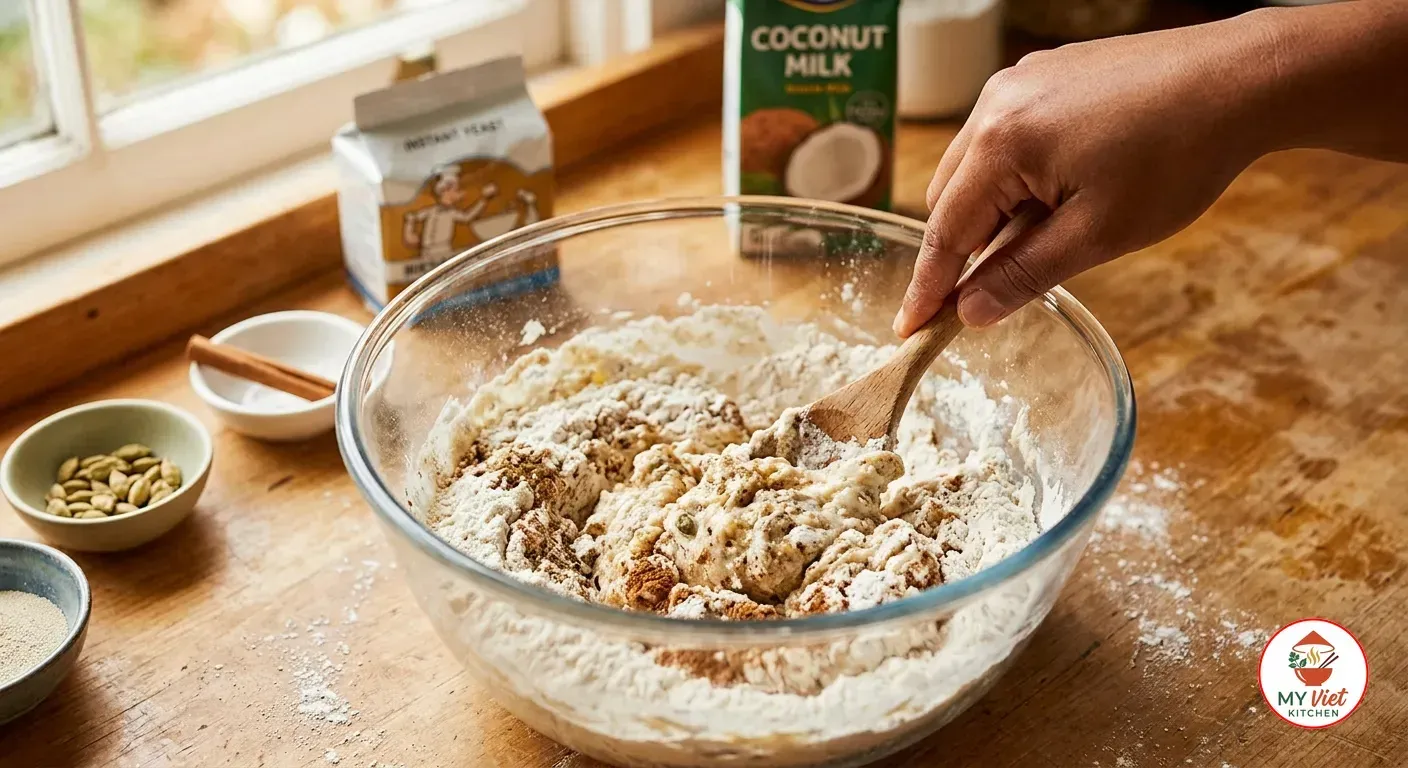
1Whisk together the flour, sugar, instant yeast, cardamom, cinnamon, and salt in a large mixing bowl. In a separate bowl, combine the coconut milk, warm water, beaten egg, and melted butter. Make a well in the center of the dry ingredients and pour in the wet mixture. Stir with a wooden spoon until a shaggy, rough dough forms. Turn the dough onto a lightly floured surface and knead for 8 to 10 minutes. Push the dough away with the heel of your palm, fold it back, and turn it a quarter. The finished dough should feel smooth, soft, and slightly tacky but not sticky. Place the dough in a lightly oiled bowl, cover with a damp cloth or plastic wrap, and set it in a warm spot. Let it rise for about 1 hour until the dough doubles in size.
Step 2: Shape the Mandazi Pieces
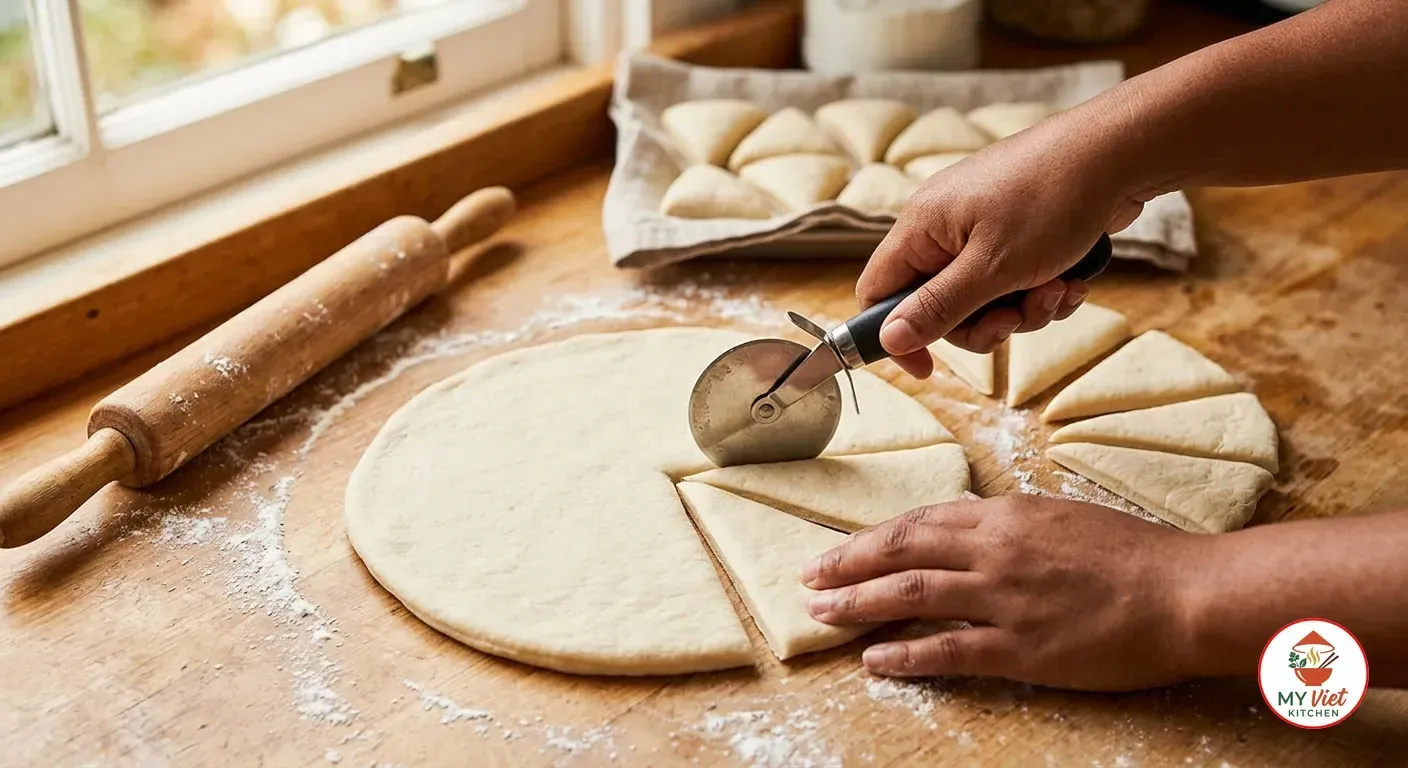
2Once the dough has doubled, punch it down gently to release the gas. Divide the dough into two equal portions. On a lightly floured surface, roll one portion into a circle about half an inch thick and roughly 10 inches across. Use a sharp knife or pizza cutter to slice the circle into 8 equal triangles, like cutting a pizza. Repeat with the second dough portion, so you end up with 16 triangles total. Place the cut pieces on a lightly floured tray and cover loosely with a cloth. Let them rest for 10 minutes. This short rest allows the gluten to relax and gives the yeast one final push, which helps the mandazi puff up more during frying.
Step 3: Fry the Mandazi Until Golden
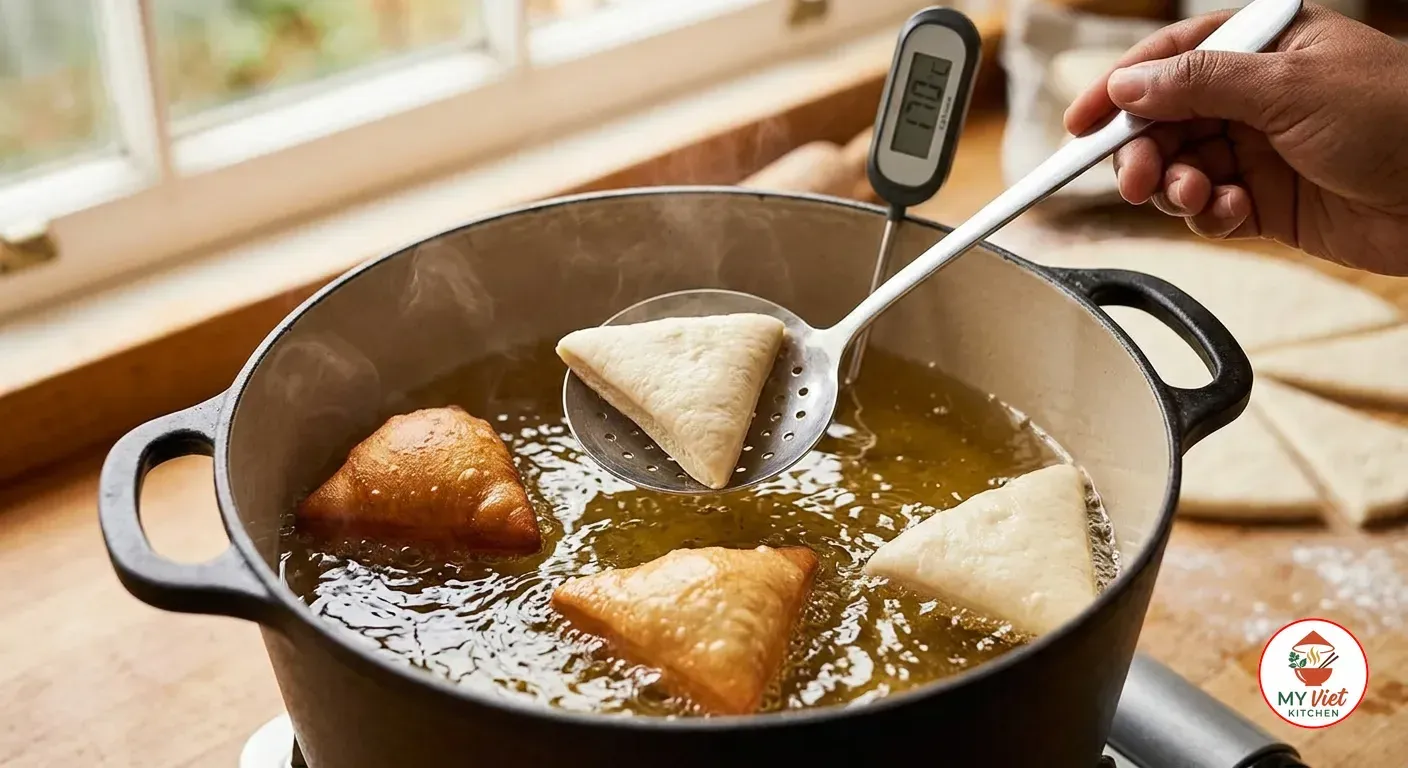
3Pour vegetable oil into a deep, heavy-bottomed pot or Dutch oven until it reaches about 3 inches deep. Heat the oil over medium heat until it reaches 170 degrees Celsius (340 degrees Fahrenheit). Use a kitchen thermometer for accuracy. To test without a thermometer, drop a small piece of dough into the oil. It should sink briefly, then rise to the surface and bubble steadily within 3 seconds. Gently lower 3 to 4 mandazi triangles into the hot oil. Do not crowd the pot, because overcrowding drops the oil temperature and produces greasy results. Fry each piece for about 2 minutes per side. The mandazi will puff up and float. Flip them once with a slotted spoon when the bottom turns golden brown. Remove each batch and drain on a plate lined with paper towels. Let the oil return to 170 degrees before frying the next batch.
Step 4: Serve Warm with Tea
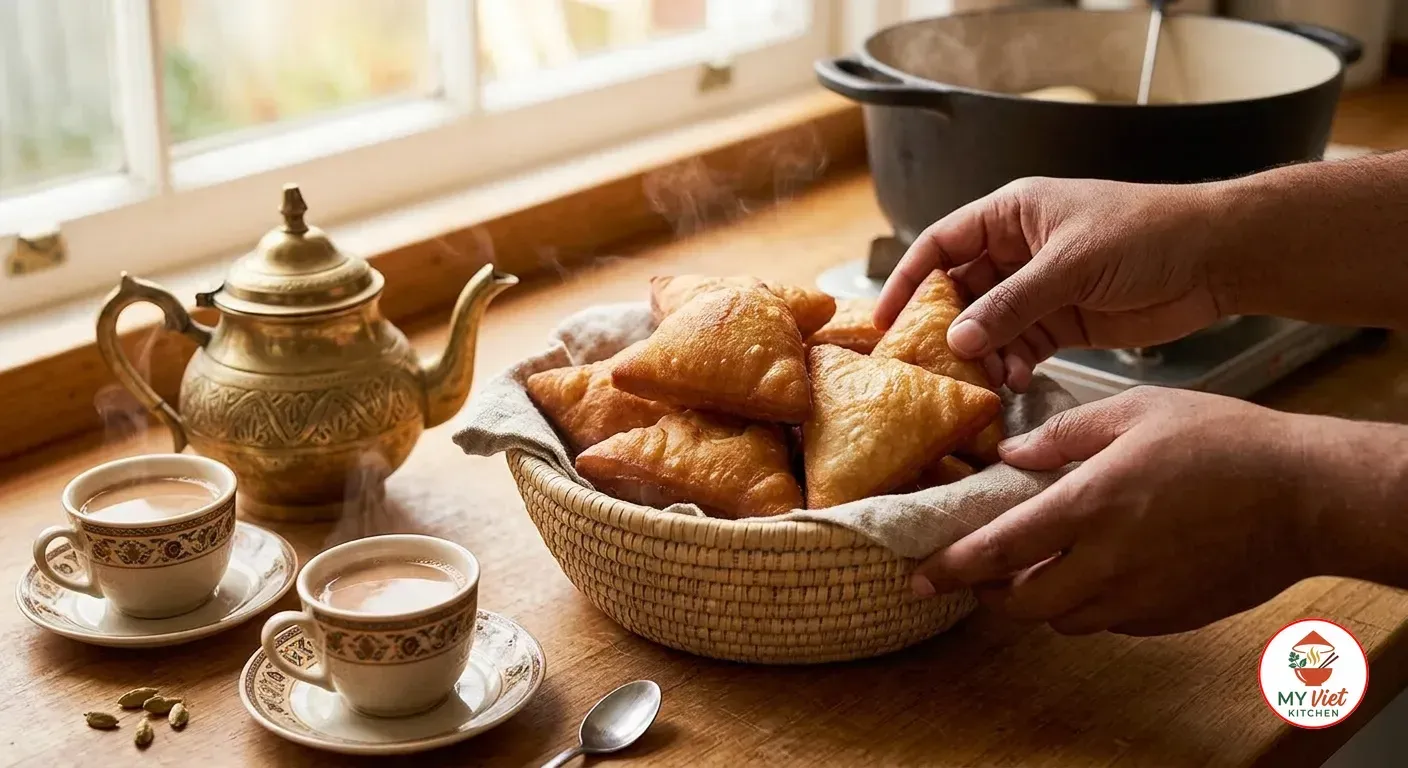
4Transfer the fried mandazi to a serving plate. You can dust them lightly with powdered sugar for a sweeter finish, although most East Africans enjoy them plain. Mandazi tastes best while still warm, when the outside has a delicate crunch and the inside is soft, airy, and fragrant with cardamom. Serve alongside a strong cup of chai tea or black coffee. In East Africa, mandazi and chai is one of the most popular breakfast combinations, and it is easy to understand why once you tear open a warm piece and smell that burst of coconut and spice.
Expert Tips for Perfect Mandazi
Get the Oil Temperature Right
Oil temperature is the most critical factor in this mandazi recipe. At 170 degrees Celsius, the dough puffs immediately and develops a thin, golden shell while staying soft inside. If the oil is too hot, the mandazi browns in seconds while the center stays raw and doughy. If the oil is too cool, the dough soaks up oil and becomes heavy and greasy. A kitchen thermometer takes all the guesswork out. If you do not own one, use the dough scrap test described in Step 3 above.
Do Not Skip the Rising Time
The one-hour rise is essential for light, airy mandazi. During this time, the yeast feeds on the sugar and produces gas bubbles throughout the dough. Those bubbles expand rapidly in hot oil, which is what makes mandazi puff up into pillowy shapes. If you rush the rise, the mandazi will fry flat and dense. Place the dough in a warm spot, such as an oven that has been heated to 50 degrees and then turned off. The warmth speeds up fermentation and ensures a good rise.
Roll the Dough to the Right Thickness
Half an inch is the target thickness for rolling the dough. Thinner than that, and the mandazi will not have enough body to puff up during frying. Thicker than that, and the center will not cook through before the outside turns too dark. Use a rolling pin and work from the center outward with even pressure. If the dough springs back when you roll, let it rest for 5 more minutes to relax the gluten before trying again.
Mandazi vs. Mahamri vs. Western Doughnuts
Mandazi belongs to a family of fried breads, but it has its own distinct identity. Here is how it compares to its closest relatives.
| Feature | Mandazi | Mahamri | Western Doughnut |
|---|---|---|---|
| Sweetness | Mildly sweet | Mildly sweet | Very sweet, often glazed |
| Key Flavor | Cardamom, coconut | Cardamom, coconut, sometimes lime zest | Vanilla, cinnamon, sugar glaze |
| Shape | Triangle or square | Triangle | Ring or filled round |
| Texture | Fluffy, bread-like | Lighter, more airy | Soft, cake-like or yeast-raised |
| Dairy | Coconut milk or regular milk | Always coconut milk | Whole milk, butter, eggs |
| Typical Pairing | Chai tea, stews | Chai tea, black coffee | Coffee, milk |
Serving Suggestions
Mandazi is one of the most versatile foods in East African cooking. It works as breakfast, a midday snack, a side dish with stew, or even a light dessert. Here are the best ways to serve your freshly fried mandazi.
The Perfect Accompaniments:
- Bean stew (maharagwe): Tear a warm mandazi in half and dip it into thick, coconut-simmered bean stew for a classic Kenyan combination that balances sweet bread with savory sauce.
- Fresh fruit: Sliced mango, pineapple, or passion fruit on the side adds a bright, tropical contrast to the warm, fried bread. This pairing is common at East African breakfast tables.
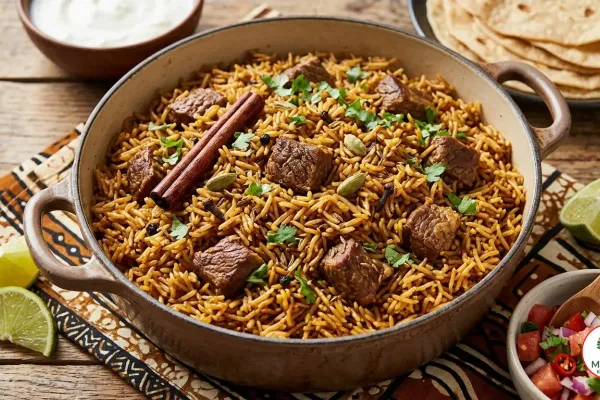
- Pilau: At celebrations and large gatherings, mandazi often appears alongside pilau and other dishes as part of a festive spread. The sweet bread complements the savory spiced rice beautifully.
- Honey or jam: For a simple sweet treat, drizzle warm mandazi with honey or spread with mango jam. Children across East Africa enjoy mandazi this way as an after-school snack.
- Mchuzi wa samaki: Fish in coconut curry sauce is a coastal Tanzanian pairing that works surprisingly well with mandazi, as the bread soaks up the rich, fragrant sauce.
Beverage Pairings:
- Chai ya maziwa (milk tea): Strong black tea brewed with milk, sugar, and sometimes ginger or cardamom is the definitive partner for mandazi across all of East Africa.
- Kahawa tungu (bitter coffee): In Zanzibar and along the Swahili coast, tiny cups of strong, spiced black coffee are the traditional accompaniment for mandazi, especially during Ramadan celebrations.
- Fresh juice: Passion fruit juice, tamarind juice, or mango juice provide a refreshing, tangy counterpoint to the warm, fried sweetness of mandazi.
Storage and Reheating
Room temperature: Mandazi keeps well at room temperature for up to 2 days when stored in an airtight container or wrapped in aluminum foil. The texture softens slightly as they cool, but they remain delicious. In East African homes, a batch made in the morning is enjoyed throughout the day.
Refrigerator: Store mandazi in a sealed zip-lock bag for up to 5 days. The cold firms up the crumb, so always reheat before eating. Let them sit at room temperature for 10 minutes before warming them in the oven.
Freezer: Mandazi freezes beautifully for up to 2 months. Spread the cooled pieces on a baking sheet and freeze until solid, then transfer to a freezer bag. This prevents them from sticking together. Thaw at room temperature for 20 minutes or in the refrigerator overnight.
Reheating: Warm mandazi in a preheated oven at 180 degrees Celsius for 5 minutes. This restores the crispy exterior while keeping the inside soft. You can also pop them in the microwave for 15 seconds for a quick fix, though the oven method gives better texture. Avoid re-frying leftover mandazi, as it makes them overly greasy and tough.
Common Mistakes to Avoid
1. Frying at the Wrong Temperature
This is the number one reason mandazi turns out heavy, greasy, or unevenly cooked. Oil that is too hot creates a hard, dark shell with raw dough inside. Oil that is too cool lets the dough absorb fat like a sponge. Use a thermometer and maintain 170 degrees Celsius throughout the frying process. Between batches, let the oil come back up to temperature before adding more pieces. Consequently, patience between batches produces much better results than rushing.
2. Crowding the Frying Pot
Adding too many pieces at once drops the oil temperature sharply, which leads to greasy, flat mandazi. Fry in small batches of 3 to 4 pieces at a time, depending on the size of your pot. Each piece needs space to float freely, puff up, and brown evenly. Additionally, crowding makes it difficult to flip individual pieces, so some end up darker on one side than the other.
3. Using Dead Yeast
If your mandazi does not puff up during frying, the yeast may be expired or killed by liquid that was too hot. Yeast dies above 50 degrees Celsius, so make sure the warm water and coconut milk are comfortably warm to the touch, not hot. Check the expiration date on your yeast packet before starting. If you are unsure whether your yeast is alive, dissolve a teaspoon in warm water with a pinch of sugar. After 5 minutes, it should be foamy and active. If nothing happens, the yeast is dead and you need a fresh packet.
Frequently Asked Questions
What is mandazi?
Mandazi is a popular East African fried bread that looks like a triangular doughnut but is not as sweet. It is made from flour, coconut milk, sugar, egg, and cardamom, then deep-fried until puffy and golden. People across Kenya, Tanzania, Uganda, and other East African countries eat mandazi for breakfast, as a snack, or as street food. Along the Swahili coast, a richer version called mahamri uses more coconut milk and extra spices for a more aromatic result.
Can I make this mandazi recipe without yeast?
Yes, you can replace the yeast with 2 teaspoons of baking powder. Skip the rising time and shape the dough right away. Baking powder mandazi is quicker to make, but the texture will be denser and more cake-like compared to the light, airy result you get from yeast. For the best flavor and texture, the yeast version in this mandazi recipe is worth the extra hour of rising time.
What oil is best for frying mandazi?
Vegetable oil, sunflower oil, or canola oil all work well because of their neutral flavor and high smoke point. Coconut oil adds authentic flavor but is more expensive for deep frying. Avoid olive oil, as its low smoke point and strong taste make it a poor choice for deep frying. The oil should be fresh and clean for the best results. If you reuse frying oil, strain it through a fine sieve and store it in a sealed container. Do not reuse oil more than twice, because degraded oil produces off flavors.
Why is my mandazi dough too sticky to handle?
Sticky dough usually means you added too much liquid or not enough flour. Add flour one tablespoon at a time during kneading until the dough pulls away from the surface cleanly. A slightly tacky dough is fine and actually produces softer mandazi than a dry, stiff dough. If the stickiness is severe, let the dough rest for 10 minutes. The flour absorbs moisture during rest, and the dough often becomes easier to handle without adding extra flour.
Variations and Adaptations
Mahamri (Coastal Swahili Version):
For the richer Swahili coastal version, increase the coconut milk to 3/4 cup and add the zest of one lime to the dough. Use freshly ground cardamom for a stronger aroma. Some Swahili cooks also add a pinch of ground cloves and nutmeg. Let the dough ferment for 2 hours instead of 1 for a lighter, tangier result. Mahamri is traditionally served during Ramadan with spiced coffee as part of the iftar meal.
Chocolate Mandazi:
Add 3 tablespoons of cocoa powder and an extra 2 tablespoons of sugar to the dry ingredients. The cocoa creates a deep brown mandazi with a mild chocolate flavor that children love. Dust with powdered sugar after frying for a dramatic contrast. This version works beautifully as a dessert or special breakfast treat.
Stuffed Mandazi:
Roll the dough into small circles instead of triangles. Place a spoonful of sweetened coconut flakes, mashed banana, or spiced ground meat in the center. Fold the dough over the filling and seal the edges by pressing with a fork. Fry as usual. Stuffed mandazi is popular at parties and special occasions. The savory meat-filled version, sometimes called kaimati in some regions, serves as a hearty snack that can stand in for a full meal.
Vegan Mandazi:
Replace the egg with 2 tablespoons of ground flaxseed mixed with 5 tablespoons of warm water. Let this flax mixture sit for 5 minutes until it becomes gel-like before adding it to the dough. Use coconut oil instead of butter. The rest of the mandazi recipe stays the same. Vegan mandazi is slightly denser but still fluffy and flavorful, and the coconut milk provides plenty of richness without any dairy.
The Cultural Significance of Mandazi in East Africa
Mandazi holds a deep place in East African daily life that goes far beyond simple food. In Kenya, Tanzania, and Uganda, you see mandazi everywhere: at bus stations, in school canteens, at morning tea stalls, and on family breakfast tables. Street vendors fry batch after batch in large blackened pots from early morning until nightfall. The sweet smell of hot oil and cardamom drifting through market lanes is one of the defining sensory experiences of East African cities.
The roots of mandazi trace back to the ancient trading routes that connected East Africa with the Arab world and the Indian subcontinent. Swahili coastal towns like Mombasa, Lamu, and Stone Town in Zanzibar served as cultural crossroads for centuries through the Indian Ocean trade routes. Arab traders brought deep-frying techniques, Indian merchants introduced cardamom and other spices, and local cooks blended these influences with East African coconut palm culture. The result is mandazi, a food that carries the DNA of three continents in every bite. During Ramadan, mandazi and mahamri take on special importance along the Swahili coast. Families prepare large batches to break the fast at iftar, and sharing mandazi with neighbors is a gesture of community and generosity.
In modern East Africa, mandazi remains a food for the people. It is affordable, filling, and satisfying. Workers buy a couple of pieces with a cup of chai to start the day. Students eat them between classes. Mothers make them for children coming home from school. At weddings and celebrations, towering stacks of mandazi appear alongside pilau, chapati, and grilled meats. By making this mandazi recipe at home, you connect with a living food tradition that has fed millions of people across East Africa for generations.
Conclusion
This mandazi recipe gives you everything you need to make fluffy, golden, cardamom-scented fried bread at home. Mix the dough with coconut milk for authentic richness, let the yeast work its magic during the one-hour rise, and fry at a steady 170 degrees Celsius for puffy, perfectly cooked results. Above all, the combination of proper dough hydration, patient fermentation, and correct oil temperature makes the difference between good mandazi and great mandazi.
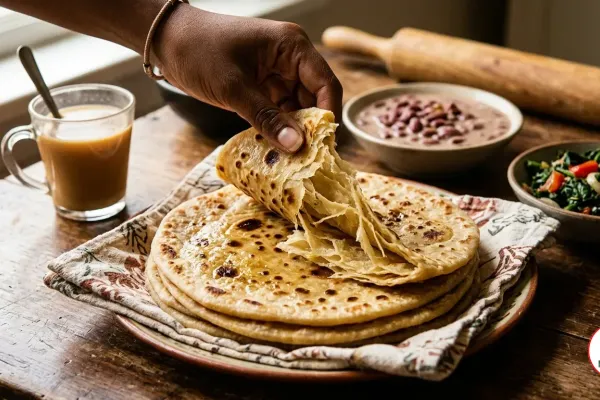
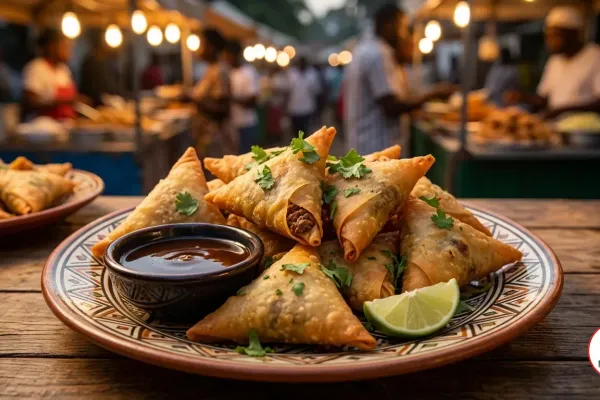
If you enjoy East African cooking, explore our East African chapati recipe for soft, flaky flatbread that pairs beautifully with stews and curries. For another beloved East African staple, try our sambusa recipe for crispy spiced pastries filled with seasoned meat or vegetables. You can also check out our pilau recipe for fragrant spiced rice that completes any East African feast.