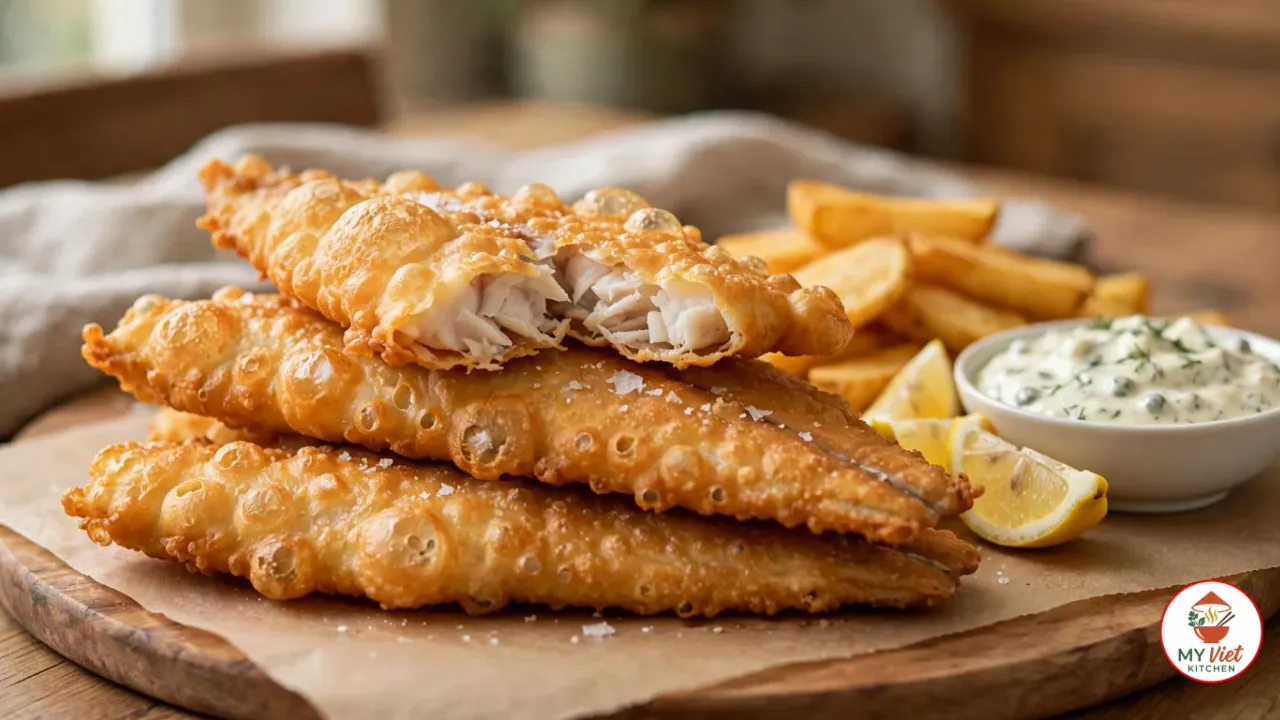
Battered flathead is the crown jewel of Australian fish and chips, and there is a good reason why it has held that title for generations. This classic deep-fried fish features delicate flathead fillets wrapped in a golden, shatteringly crispy beer batter that puffs and crackles with every bite. Flathead is native to Australian waters, and its mild, sweet flesh makes it the ideal canvas for a light, airy coating. In this guide, you will learn how to make the perfect version at home with a simple beer batter recipe, expert frying tips, and all the details you need for a proper fish and chips spread.
Prep Time: 20 minutes | Cook Time: 15 minutes | Servings: 4
Difficulty: Easy | Calories: ~380 per serving
What Makes Battered Flathead Special?
Walk into any fish and chip shop along the Australian coastline and you will almost certainly find battered flathead on the menu. This fish has earned its place as the country’s most popular choice for deep frying. Its firm, white flesh and clean, sweet flavour set it apart. Unlike flaky species that fall apart in hot oil, flathead holds its shape beautifully. As a result, every piece comes out of the fryer with a perfect ratio of crispy batter to tender, moist fish inside.
The tradition of battered flathead in Australia traces back to the British fish and chips shops that immigrant families established in coastal towns during the early 20th century. Australian cooks quickly adapted the concept, however, by using local species instead of cod or haddock. Flathead became the favourite because it was abundant, affordable, and perfectly suited to battering. Today, battered flathead is more than just a meal. It represents summer holidays, seaside picnics, and Friday night takeaway for millions of Australians.
What sets a truly great battered flathead apart from an ordinary one comes down to three essentials. First, the batter must be ice-cold when it meets the hot oil, because this temperature shock is what creates the lightest, crispiest shell. Second, the fish needs to be patted completely dry before coating, since any moisture will cause the batter to slide off. Third, the oil temperature must stay consistent throughout the frying process. Nail these three fundamentals and your homemade version will rival the best fish and chip shop in town.

Choosing the Right Flathead for Battering
Australia is home to over 40 species of flathead. Not all are equally suited to battering and frying. The species you choose affects the flavour, texture, and how well the fillet holds together in hot oil. Here is a breakdown of the most common varieties.
- Dusky flathead (best choice): This is the most widely available species along the east coast and the top pick for battered flathead. Dusky flathead has a mild, sweet flavour with firm flesh that stays intact during frying. The fillets are a good size for individual portions. The meat flakes in large, satisfying pieces when you bite through the batter.
- Tiger flathead: Found in deeper waters off southern Australia, tiger flathead has a slightly sweeter and more delicate flavour than dusky. The fillets tend to be smaller and thinner, so they cook faster. Reduce the frying time by about a minute to avoid overcooking.
- Sand flathead: Common in estuaries and shallow coastal waters, sand flathead is a solid budget option. The flavour is mild and the texture is firm, although the fillets are typically smaller than dusky. They work well for battered flathead when you want bite-sized pieces.
- Rock flathead: Less commonly sold at markets, rock flathead has a firmer texture and slightly earthier taste. It holds up extremely well to frying, making it a good alternative when dusky flathead is unavailable.
If you enjoy exploring Australian seafood, our salt and pepper squid recipe is another classic worth trying alongside your battered flathead spread.
Ingredients for Battered Flathead
Fish:
- 4 flathead fillets, about 600g total, skin removed
- Salt and white pepper for seasoning
Beer Batter:
- 1 cup (150g) plain flour
- 1/2 cup (75g) cornflour
- 1 teaspoon baking powder
- 1 teaspoon salt
- 1/2 teaspoon white pepper
- 1/2 teaspoon garlic powder
- 1 cup (250ml) ice-cold beer, such as a pale lager
- 1 egg, lightly beaten
For Frying and Serving:
- Extra plain flour for dusting
- Vegetable oil or canola oil for deep frying
- Lemon wedges
- Tartare sauce
- Hot chips for serving
Pro tip: Keep the beer in the fridge until the very moment you mix the batter. Cold batter is the single biggest factor in achieving a light, crispy coating on your battered flathead. Some cooks even add a few ice cubes directly to the batter bowl. The colder the batter when it hits the hot oil, the more dramatic the puff and crunch.
Step-by-Step Instructions
Step 1: Prepare the Flathead Fillets
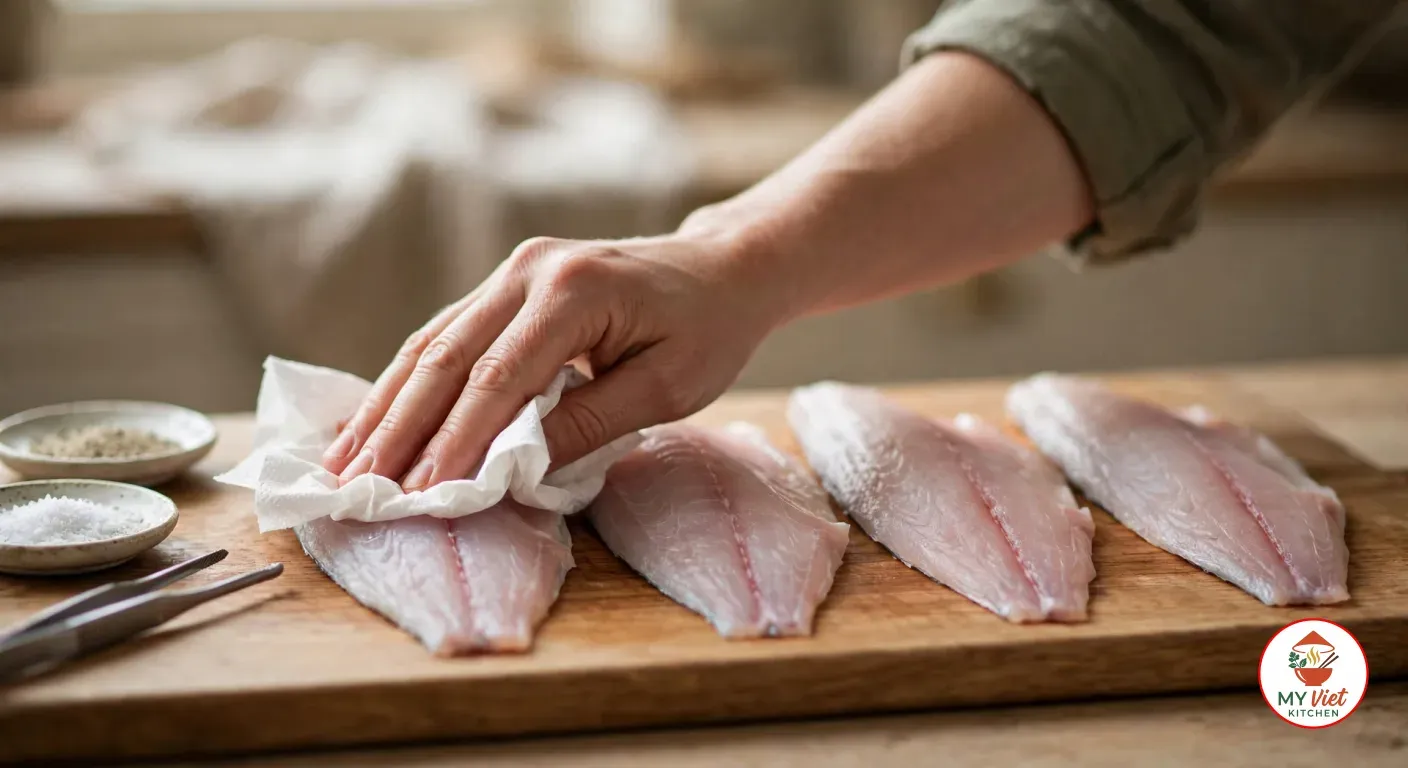
1 Start by patting each flathead fillet thoroughly dry with paper towels. This step is critical because any surface moisture will prevent the batter from sticking. Run your fingers along the fillets to check for any remaining pin bones and remove them with tweezers. Then season both sides of each fillet lightly with salt and white pepper. Place the seasoned fillets on a clean plate lined with paper towels and return them to the fridge while you prepare the batter. Cold fish helps the batter adhere better and keeps everything at the right temperature for frying.
Step 2: Mix the Beer Batter
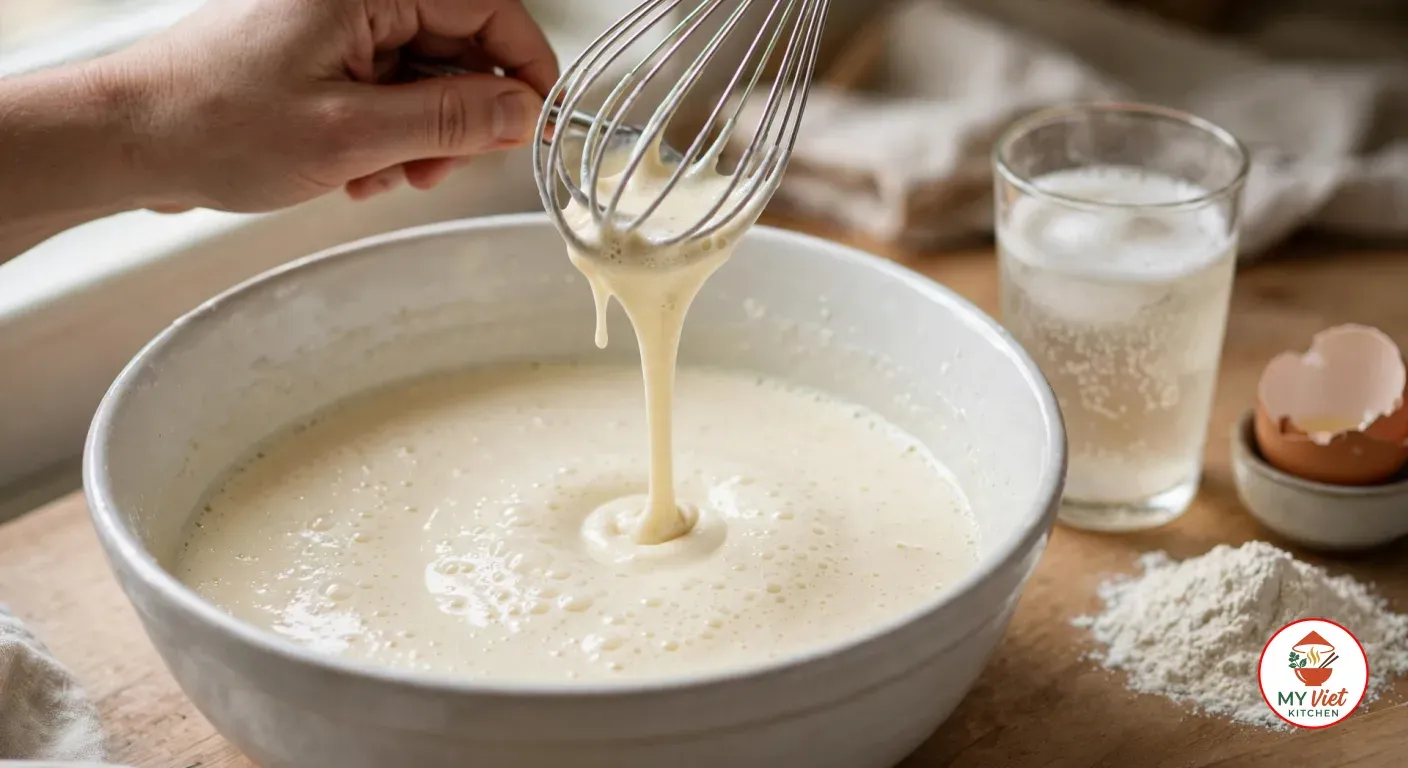
2 In a large mixing bowl, whisk together the plain flour, cornflour, baking powder, salt, white pepper, and garlic powder until well combined. Make a well in the centre of the dry ingredients. Pour in the ice-cold beer and the beaten egg. Whisk from the centre outward, gradually incorporating the dry ingredients into the liquid. Mix until the batter is smooth and free of large lumps, but do not overwork it. A few small lumps are perfectly fine and actually contribute to a more textured, crispier coating.
The finished batter should have the consistency of thick pouring cream. If it seems too thick, add a splash more beer. If it appears too thin, sprinkle in a tablespoon of flour. Let the batter rest for 5 minutes in the fridge before using. This short rest allows the gluten to relax, producing a more tender crust on the finished fish.
Step 3: Heat the Oil
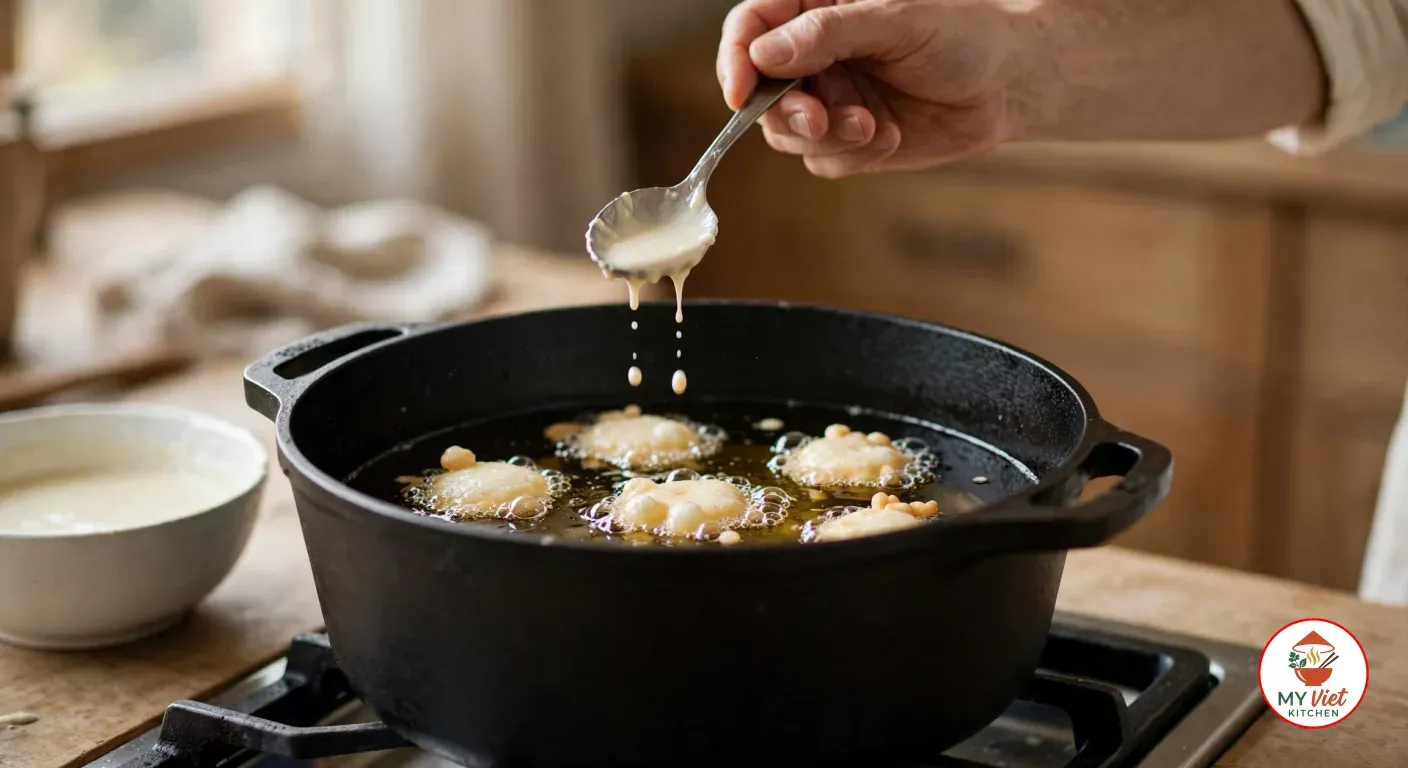
3 Fill a deep, heavy-bottomed pot or a deep fryer with vegetable oil to a depth of at least 8 centimetres (3 inches). Heat the oil over medium-high heat until it reaches 180 degrees Celsius (356 degrees Fahrenheit). Use a deep-fry thermometer to monitor the temperature closely. Consistent oil temperature is the foundation of perfectly fried fish. If you do not have a thermometer, test the oil by dropping a small amount of batter into it. It should sizzle immediately and float to the surface within seconds.
Step 4: Batter and Fry the Flathead
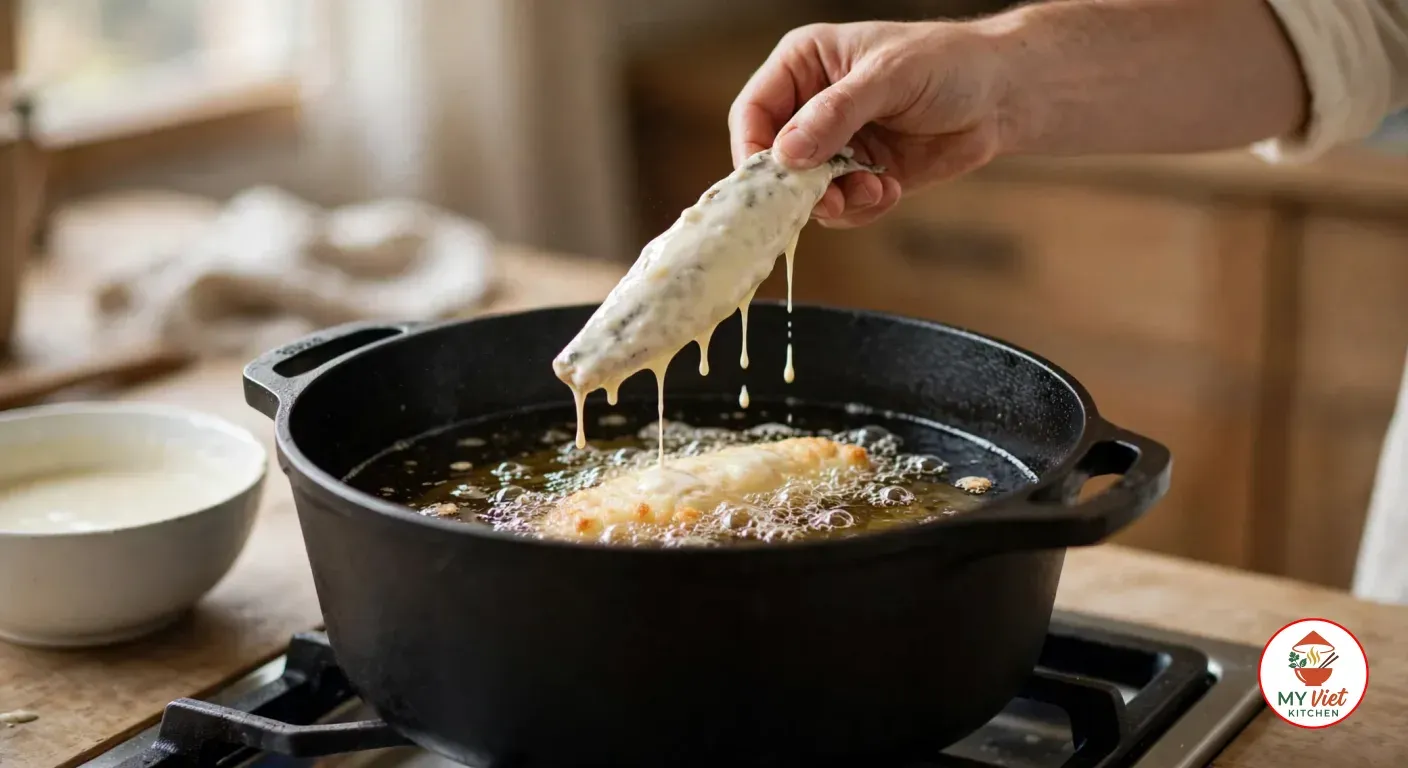
4 Place some extra plain flour on a plate. Take a flathead fillet from the fridge and dust it lightly in the flour, shaking off any excess. The thin flour layer acts as a primer that helps the wet batter grip the fish. Then dip the floured fillet into the beer batter, turning it to coat completely. Lift the fillet and let the excess batter drip off for 3 to 4 seconds.
Carefully lower the battered fillet into the hot oil, sliding it away from you to prevent splashing. Fry no more than 2 fillets at a time to avoid overcrowding the pot. Too many pieces at once cause the oil temperature to drop sharply, resulting in greasy, soggy fish. Cook for 4 to 5 minutes, turning once halfway through, until the batter turns a deep golden brown on all sides. The fish inside will be flaky and cooked through when the batter reaches this colour. Remove each piece with a slotted spoon and transfer to a wire rack set over a baking sheet.
Step 5: Drain and Serve
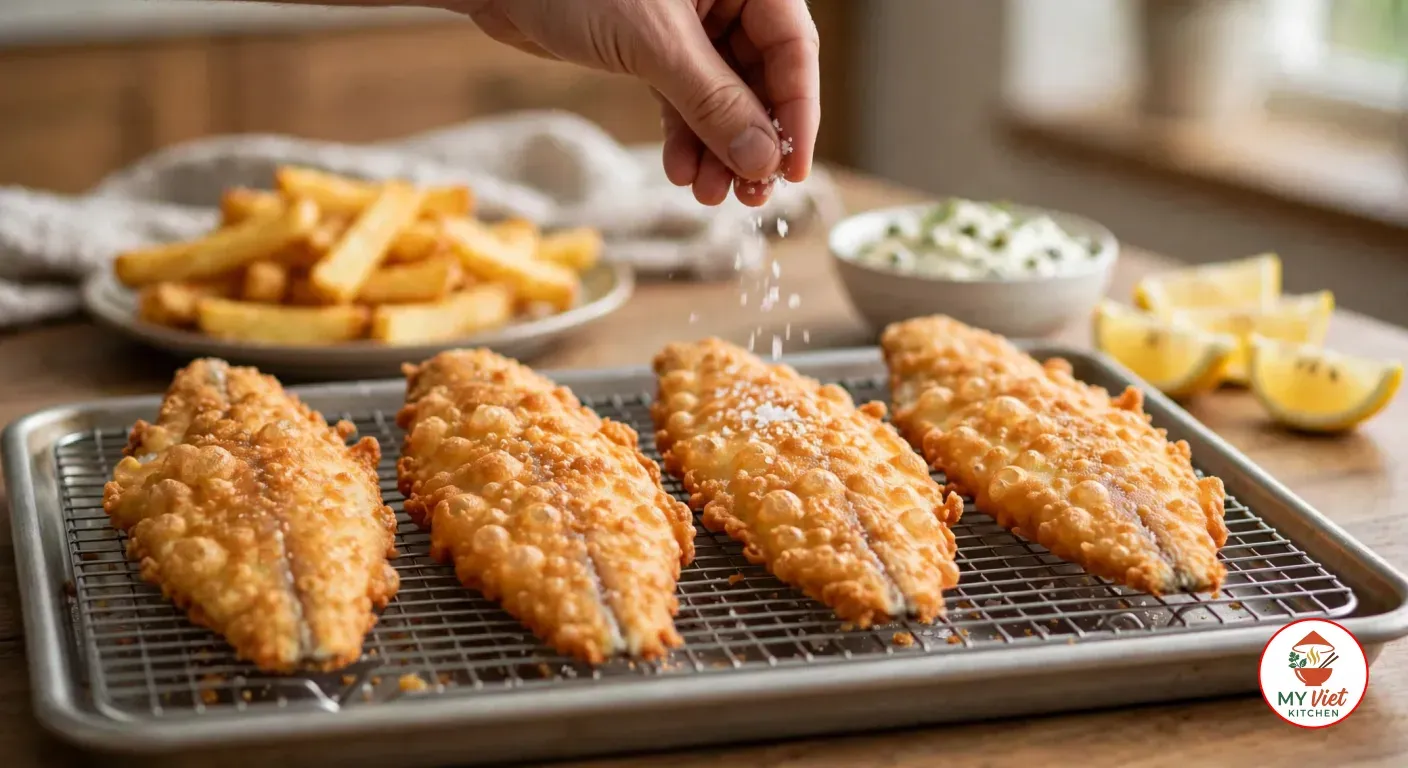
5 Let the fried battered flathead rest on the wire rack for 2 minutes. This brief resting period allows excess oil to drip away and the internal temperature to equalise. Drain on a wire rack rather than paper towels, because towels trap steam against the bottom of the fish and soften the batter. Serve the battered flathead immediately on a warm plate alongside generous lemon wedges, a bowl of tartare sauce, and a pile of hot chips. For the most satisfying presentation, sprinkle a pinch of flaky sea salt over the fish just before serving.
Expert Tips for Perfect Battered Flathead
Keep Everything Cold
Temperature contrast is the secret weapon behind the crispiest results. Cold batter hitting hot oil creates rapid steam expansion. This puffs the coating into a light, airy shell. Therefore, refrigerate the batter between batches and keep the fish cold until the moment it goes into the bowl. Some professional chefs place the batter bowl over a larger bowl filled with ice to stay cold throughout frying.
Choose the Right Beer
A light, cold lager produces the best results for the batter. Pale lagers and pilsners contribute carbonation and a subtle malty sweetness without overpowering the delicate fish flavour. Avoid dark stouts or hoppy IPAs, because their strong flavours can dominate the batter. Australian lagers work particularly well. Keeping the beer ice-cold ensures maximum carbonation when it hits the flour.
Do Not Overcrowd the Pot
Frying too many fillets at once is the most common mistake home cooks make when preparing this dish. Each piece of fish lowers the oil temperature significantly. When you add four or five fillets together, the oil can drop by 20 degrees or more. At lower temperatures, the batter absorbs oil instead of crisping. Fry in small batches of 1 to 2 pieces. Let the oil return to 180 degrees Celsius between each batch.
Beer Batter vs. Tempura Batter for Fish
Home cooks often wonder whether beer batter or tempura batter is better for frying fish. Both create a crispy coating, but they produce very different textures and flavours. Here is a side-by-side comparison to help you decide which suits your battered flathead best.
| Feature | Beer Batter | Tempura Batter |
|---|---|---|
| Key liquid | Beer (carbonated, malty) | Ice water (neutral) |
| Texture | Thick, crunchy, golden shell | Thin, light, lacy coating |
| Flavour | Malty, savoury depth | Neutral, lets fish shine |
| Colour | Deep golden brown | Pale, light gold |
| Best for | Fish and chips, hearty portions | Delicate seafood, vegetables |
| Crunch duration | Stays crispy longer | Best eaten immediately |
| Traditional origin | British and Australian | Japanese |
For a classic Australian fish and chips experience, beer batter is the traditional and recommended choice. Its thicker, crunchier shell stands up to generous portions and the robust serving style of Australian fish and chips. However, tempura batter works beautifully if you prefer a lighter touch. You can explore our shrimp tempura recipe for a detailed guide to that technique.
Serving Suggestions
In Australia, battered flathead is almost never served alone. The fish is the star, but the supporting cast makes the meal complete. A proper fish and chips spread is one of life’s simple pleasures, so take the time to get the sides right.
The Perfect Accompaniments:
- Hot chips: Thick-cut, double-fried chips are the essential partner for battered flathead. Fry them first at 160 degrees Celsius to cook through, then again at 190 degrees for a crispy golden exterior.
- Tartare sauce: A creamy, tangy tartare sauce with chopped gherkins, capers, and fresh dill is the classic Australian condiment for fried fish.
- Lemon wedges: A generous squeeze of fresh lemon juice brightens every bite and cuts through the richness of the batter.
- Coleslaw: A crunchy cabbage slaw dressed with a light vinaigrette adds freshness and texture contrast to the plate. Our homemade coleslaw recipe pairs wonderfully with fried fish.
- Mushy peas: Borrowed from the British tradition, these soft, minty peas add a vibrant pop of colour and a gentle sweetness alongside the savoury fish.
Beverage Pairings:
- Cold Australian lager: A crisp lager like Coopers or Tooheys cuts through the oil and complements the malty batter perfectly.
- Sauvignon Blanc: A zesty, citrus-forward white wine pairs brilliantly with the mild flathead and crispy coating.
- Sparkling water with lime: For a non-alcoholic option, the bubbles and citrus provide a refreshing palate cleanser between bites.
Storage and Reheating
Refrigerator: Store leftover battered flathead in an airtight container in the fridge for up to 2 days. The batter will soften during storage, but reheating can restore some of the crunch. Place a piece of paper towel under the fish to absorb moisture.
Freezer: You can freeze cooked battered flathead for up to 1 month. Place the cooled pieces on a parchment-lined tray and freeze until solid. Then transfer to a freezer bag. Freezing beyond a month causes the batter to become dry and the fish to lose its texture.
Reheating: The oven is the best method for reheating battered flathead. Place the fish on a wire rack over a baking sheet and reheat at 200 degrees Celsius (390 degrees Fahrenheit) for 8 to 10 minutes until the batter crisps up again. Avoid the microwave at all costs, because it turns the batter soggy and rubbery. An air fryer at 180 degrees Celsius for 5 minutes also works well as an alternative.
Common Mistakes to Avoid
1. Using Warm Batter
Warm batter produces a heavy, dense coating that absorbs oil instead of puffing up. The carbonation escapes quickly when the batter is warm. This removes the very thing that makes it light and crispy. Always use ice-cold beer straight from the fridge. In addition, rest the bowl over ice between batches to stay cold.
2. Skipping the Flour Dusting
Dipping fish directly into the batter without a light flour coating first is a recipe for disappointment. The wet batter slides right off the smooth, moist surface of the fish. A thin dusting of plain flour creates a dry layer that the batter grips onto firmly. This simple step ensures the batter stays attached throughout frying. You get an even, unbroken golden crust on every piece.
3. Draining on Paper Towels
Many home cooks place fried fish on a plate lined with paper towels, thinking this absorbs excess oil. While it does catch drips, the towel traps steam against the bottom of the fish. This quickly turns the crispy batter soft and soggy. Instead, always drain fried fish on a wire rack set over a baking sheet. The elevated rack allows air to circulate freely, keeping the batter crispy on all sides.
Frequently Asked Questions
What is the best fish for Australian fish and chips?
Flathead is widely considered the best fish for Australian fish and chips. It has a mild, sweet flavour and firm white flesh that holds together perfectly during deep frying. Other popular choices include barramundi, snapper, and whiting. However, flathead remains the most traditional and beloved option at fish and chip shops across the country.
Should you use beer or soda water in fish batter?
Beer produces a superior batter for this dish. The carbonation creates air pockets that make the coating light and crispy. Meanwhile, the alcohol evaporates rapidly during frying, further improving the crunch. The malt adds a subtle depth of flavour as well. Soda water provides carbonation without flavour, so use it as a substitute if you prefer a completely alcohol-free batter.
How do you keep battered fish crispy after frying?
Three key factors keep your fried fish crispy. First, drain the fish on a wire rack instead of paper towels to prevent trapped steam from softening the bottom. Second, serve immediately since the batter is at its best within 5 minutes of leaving the oil. Third, if you need to hold the fish briefly, keep it uncovered on a rack in a 120 degrees Celsius oven. Never cover fried fish, because trapped moisture is the enemy of crispiness.
Can you bake battered flathead instead of deep frying?
Traditional beer batter requires the rapid heat of hot oil to puff up and crisp properly, so it does not translate well to oven baking. For a lighter alternative, coat the flathead fillets in seasoned breadcrumbs or panko instead of batter and bake at 220 degrees Celsius for 12 to 15 minutes. The result is a healthier version with a crunchy exterior, although it lacks the classic battered texture. For the authentic crispy experience, deep frying is essential.
What temperature should oil be for frying battered flathead?
The ideal oil temperature for frying fish is 180 degrees Celsius (356 degrees Fahrenheit). At this temperature, the batter sets quickly on contact. This seals in moisture and creates a crispy golden shell without absorbing excess oil. Oil below 170 degrees produces greasy results, while oil above 190 degrees burns the batter before the fish cooks through. A deep-fry thermometer is the most reliable way to maintain consistency.
Variations and Adaptations
Gluten-Free Battered Flathead:
Replace the plain flour with a gluten-free flour blend and use rice flour in place of the cornflour. Choose a gluten-free beer, which is now widely available at Australian supermarkets. The batter will be slightly thinner and lighter in colour, but it still produces a satisfying crunch. Follow the same frying temperature and times as the standard recipe for consistent results.
Sparkling Water Batter (Alcohol-Free):
For an alcohol-free version, substitute the beer with an equal amount of ice-cold sparkling water. Add a teaspoon of white vinegar to the batter to compensate for the acidity that beer normally provides. The resulting batter is lighter and more neutral in flavour, allowing the sweetness of the flathead to take centre stage. This version works well for family meals with children.
Air Fryer Battered Flathead:
Traditional wet batter does not work in an air fryer because it drips off before it sets. Instead, use a dry coating method. Dust the flathead fillets in seasoned flour, dip in beaten egg, and coat in panko breadcrumbs. Spray generously with oil and air fry at 200 degrees Celsius for 10 to 12 minutes, flipping halfway through. While the texture differs from a classic battered flathead, the result is crispy, golden, and significantly lower in fat.
Spiced Battered Flathead:
Add flavour to the standard batter by mixing in a teaspoon of smoked paprika, half a teaspoon of cayenne pepper, and a teaspoon of onion powder. These spices add warmth and colour without overpowering the fish. Serve the spiced battered flathead with a chipotle aioli for dipping instead of the traditional tartare sauce. This variation pairs especially well with sweet potato chips.
The Cultural Significance of Battered Flathead in Australia
Battered flathead is deeply woven into the fabric of Australian food culture. Fish and chips arrived in Australia with British and Greek immigrants in the early 1900s, and the dish quickly became a national institution. While the British used cod and haddock, Australians embraced local species, with flathead emerging as the clear favourite by the mid-20th century. According to the Fisheries Research and Development Corporation, fish and chips remains a national favourite: when Australians were asked to vote for their favourite fish and chip shop, almost 300,000 votes came in.
For many Australians, battered flathead carries powerful memories. It evokes Friday nights wrapped in butcher paper, eaten on the beach while watching the sunset. It recalls summer holidays in coastal towns where the local fish and chip shop was the social hub. The dish connects generations, because grandparents, parents, and children have all shared the same simple pleasure of crispy fish, hot chips, and a squeeze of lemon by the water.
Today, battered flathead continues to evolve while keeping its essential character. Modern Australian chefs have elevated the humble dish with craft beer batters, native seasoning blends using lemon myrtle and wattleseed, and artisan tartare sauces. Yet the heart of battered flathead remains unchanged: fresh local fish, a simple crispy coating, and the joy of sharing a meal that feels like home.
If you love exploring fried dishes from around the world, check out our fried chicken recipe and our collection of seafood recipes for more inspiration.
Conclusion
Making battered flathead at home is simpler than most people expect, and the results are genuinely rewarding. The entire process comes down to a handful of straightforward steps: season the fish, mix a cold beer batter, heat the oil to the right temperature, and fry until golden. The key to success is maintaining cold batter and hot oil throughout the process. Follow these principles and you will produce battered flathead that is every bit as crispy and delicious as your favourite fish and chip shop.
Whether you serve it on a Friday night at the kitchen table or wrap it in paper for a picnic at the beach, battered flathead delivers a combination of flavours and textures that never gets old. The shattering crunch of golden beer batter, the tender flake of sweet flathead, and the bright squeeze of lemon create a perfect bite every single time. Once you master this recipe, you will never look at fish and chips the same way again. Explore more of our seafood recipes for your next cooking adventure.