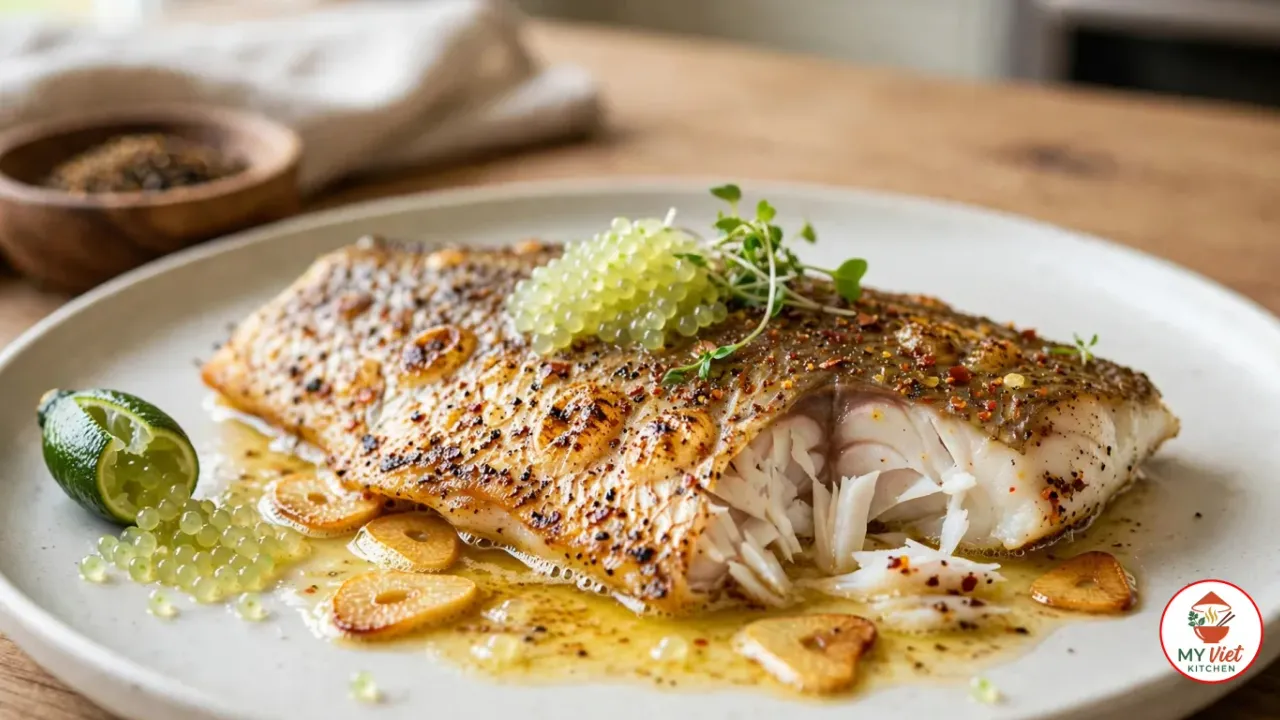
Barramundi with bush spices is a stunning modern Australian dish that brings together one of the country’s most prized fish with the aromatic power of native ingredients. This recipe coats tender, flaky barramundi fillets in a fragrant blend of lemon myrtle, mountain pepperberry, wattleseed, and bush tomato before pan-searing them to crispy-skinned perfection. The result is a dish that tastes like the Australian landscape itself. In addition, this barramundi with bush spices recipe is ready in just 35 minutes, making it ideal for both weeknight dinners and impressive entertaining.
Prep Time: 20 minutes | Cook Time: 15 minutes | Servings: 4
Difficulty: Easy | Calories: ~290 per serving
What Makes Barramundi with Bush Spices Special?
Barramundi with bush spices represents the heart of modern Australian cuisine. It is a dish that honors Indigenous Australian food traditions while embracing contemporary cooking techniques. Unlike European-influenced fish dishes that rely on butter, dill, or capers, this recipe draws its character entirely from native Australian botanicals. Lemon myrtle delivers an intense citrus aroma that is more complex than lemon zest. Mountain pepperberry provides a warm, lingering heat that builds gradually. Meanwhile, wattleseed adds a nutty, coffee-like depth that grounds the entire flavor profile.
Indigenous Australians have used these native spices for over 60,000 years as both food and medicine. However, it was not until the 1980s and 1990s that Australian chefs began incorporating bush ingredients into restaurant-style cooking. Pioneers like Vic Cherikoff and Andrew Fielke championed what became known as “bush tucker cuisine.” Today, preparing barramundi with bush spices at home connects you to a culinary tradition that stretches back thousands of generations. Furthermore, these native flavors are impossible to replicate with any combination of European or Asian spices.
Barramundi is the perfect fish for this treatment because of its mild, buttery flavor and firm texture. The fish does not compete with the bush spices but instead serves as a clean canvas that lets their complex aromatics shine. As a result, every bite delivers a balance of crispy skin, tender flesh, and bold seasoning that is uniquely Australian. This dish has become a signature of fine dining restaurants across Sydney and Melbourne, yet it is surprisingly simple to prepare at home.
Choosing the Right Fish for Bush Spice Cooking
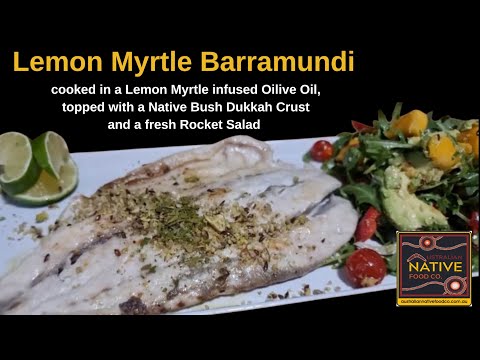
While barramundi is the traditional and best choice for this dish, understanding what makes it ideal helps you choose alternatives when needed. The fish must have three qualities: firm flesh that holds together during pan-searing, mild flavor that does not overpower the delicate bush spices, and skin that crisps well at high heat. Barramundi excels in all three areas, which is why Australian chefs consistently reach for it.
- Barramundi (best choice): Australia’s iconic native fish with mild, buttery flesh and large, satisfying flakes. The skin crisps beautifully and the flavor pairs perfectly with lemon myrtle and pepperberry. Both wild-caught and sustainably farmed barramundi work well for this recipe.
- Coral trout: Another prized Australian fish with sweet, delicate flesh. Coral trout has a slightly more refined texture than barramundi and works beautifully with bush spices. It is more expensive and harder to find outside Australia, however.
- Snapper: Widely available with firm, moist flesh that takes seasoning well. Snapper is a reliable substitute that delivers crispy skin and clean flavor. It holds up to the bold bush spice blend without losing its own character.
- Sea bass: The closest international substitute if barramundi is unavailable. Sea bass has a similar buttery texture and mild taste. Choose skin-on fillets for the best results when making this bush spice fish dish.
If you enjoy cooking fish with bold spice blends, also try our Vietnamese caramelized fish recipe, which uses a completely different but equally aromatic approach to seasoning fish.
Understanding Australian Bush Spices
Before you start cooking, it helps to understand each bush spice individually. These native ingredients behave differently from familiar pantry spices, so knowing their flavor profiles allows you to adjust the blend to your taste. Australian bush spices are concentrated and aromatic, which means a small amount delivers significant impact. According to research funded by AgriFutures Australia, native herbs, spices and fruits have a higher antioxidant capacity than blueberries.
Lemon myrtle is often called “the queen of lemon herbs” because its citral content is higher than lemongrass, lemon zest, or lemon verbena. It delivers a pure, intense citrus flavor without acidity. Use it sparingly because too much can taste soapy. Mountain pepperberry, on the other hand, provides a slow-building heat that is different from black pepper or chili. The warmth starts mild and intensifies over several seconds, creating a lingering tingle on the palate. This makes it perfect for fish dishes where you want gentle warmth rather than sharp spiciness.
Wattleseed has a remarkable nutty, roasted flavor reminiscent of coffee, chocolate, and hazelnuts combined. It adds earthy depth to the spice blend and helps bridge the bright citrus of lemon myrtle with the warmth of pepperberry. Bush tomato, also known as akudjura, contributes a tangy, sun-dried tomato quality with caramel undertones. Together, these four spices create the distinctive flavor profile that defines barramundi with bush spices and sets it apart from any other seasoned fish dish.
Ingredients for Barramundi with Bush Spices
Bush Spice Blend:
- 2 teaspoons ground lemon myrtle
- 1 teaspoon ground mountain pepperberry
- 1 teaspoon ground wattleseed
- 1/2 teaspoon ground bush tomato (akudjura)
- 1/2 teaspoon dried native thyme
- 1 teaspoon sea salt flakes
For the Fish:
- 4 barramundi fillets, skin-on (about 6 ounces each)
- 2 tablespoons extra virgin olive oil
- 1 tablespoon macadamia oil (or extra olive oil)
- 2 tablespoons butter
- 2 cloves garlic, thinly sliced
- 1 tablespoon fresh lemon juice
For Garnish and Serving:
- Fresh finger limes, halved
- Micro herbs or native greens
- Extra sea salt flakes for finishing
Pro tip: Toast the wattleseed in a dry pan for 30 seconds before grinding it. Toasting activates the nutty, coffee-like oils inside the seed and dramatically intensifies the flavor. The aroma should remind you of freshly ground espresso. This one small step elevates the entire bush spice blend and makes your barramundi with bush spices taste noticeably more complex.
Step-by-Step Instructions
Step 1: Prepare the Bush Spice Blend
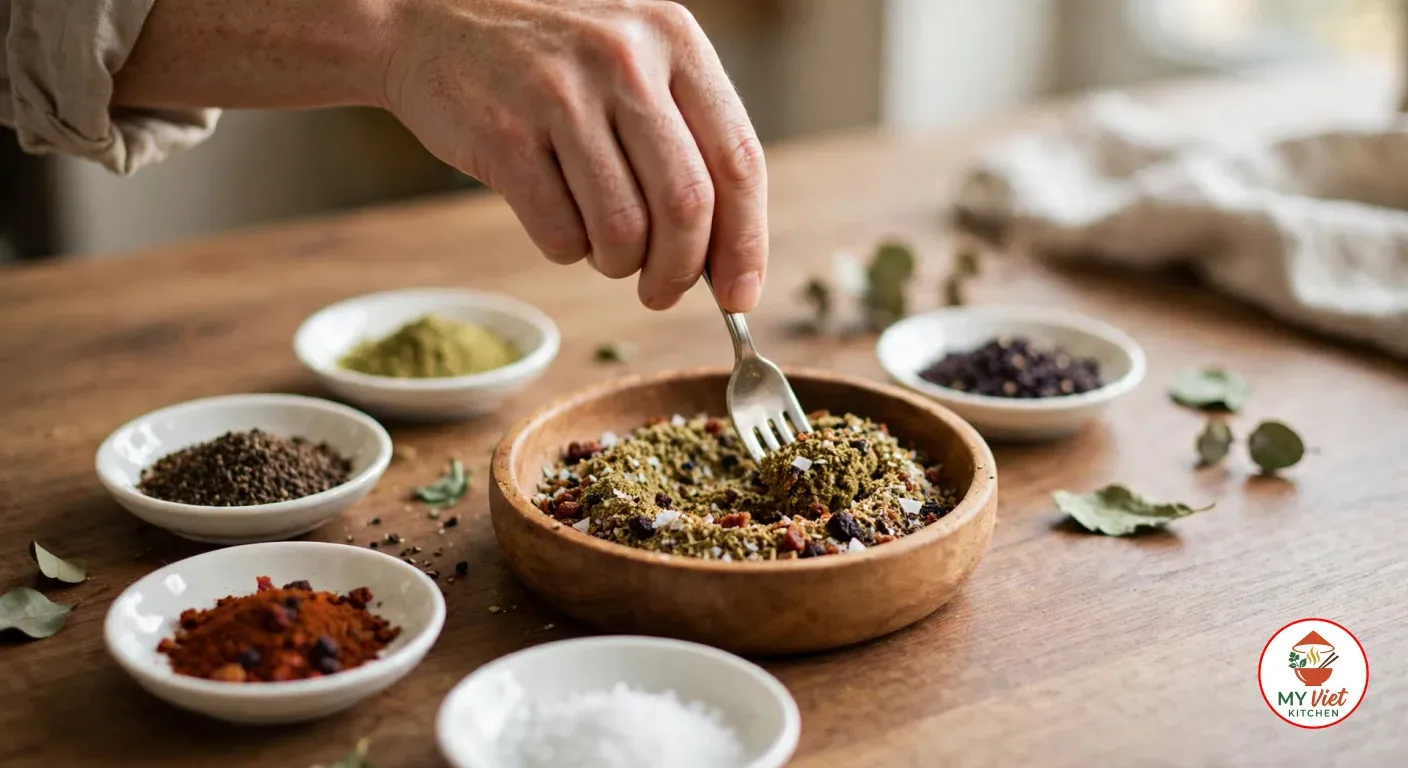
1 Combine the ground lemon myrtle, mountain pepperberry, wattleseed, bush tomato, native thyme, and sea salt flakes in a small mixing bowl. Stir the blend thoroughly with a fork until all the spices distribute evenly. Take a moment to smell the mixture. You should detect bright citrus from the lemon myrtle, followed by earthy warmth from the wattleseed and pepperberry. If the aroma seems flat, the spices may be stale and should be replaced.
This bush spice blend makes slightly more than you need for four fillets, which is intentional. The extra allows you to adjust the seasoning to taste. You can also store leftover blend in an airtight jar for up to three months and use it on chicken, lamb, or roasted vegetables. Consequently, making a larger batch is worthwhile if you plan to cook with bush spices regularly.
Step 2: Season the Barramundi Fillets
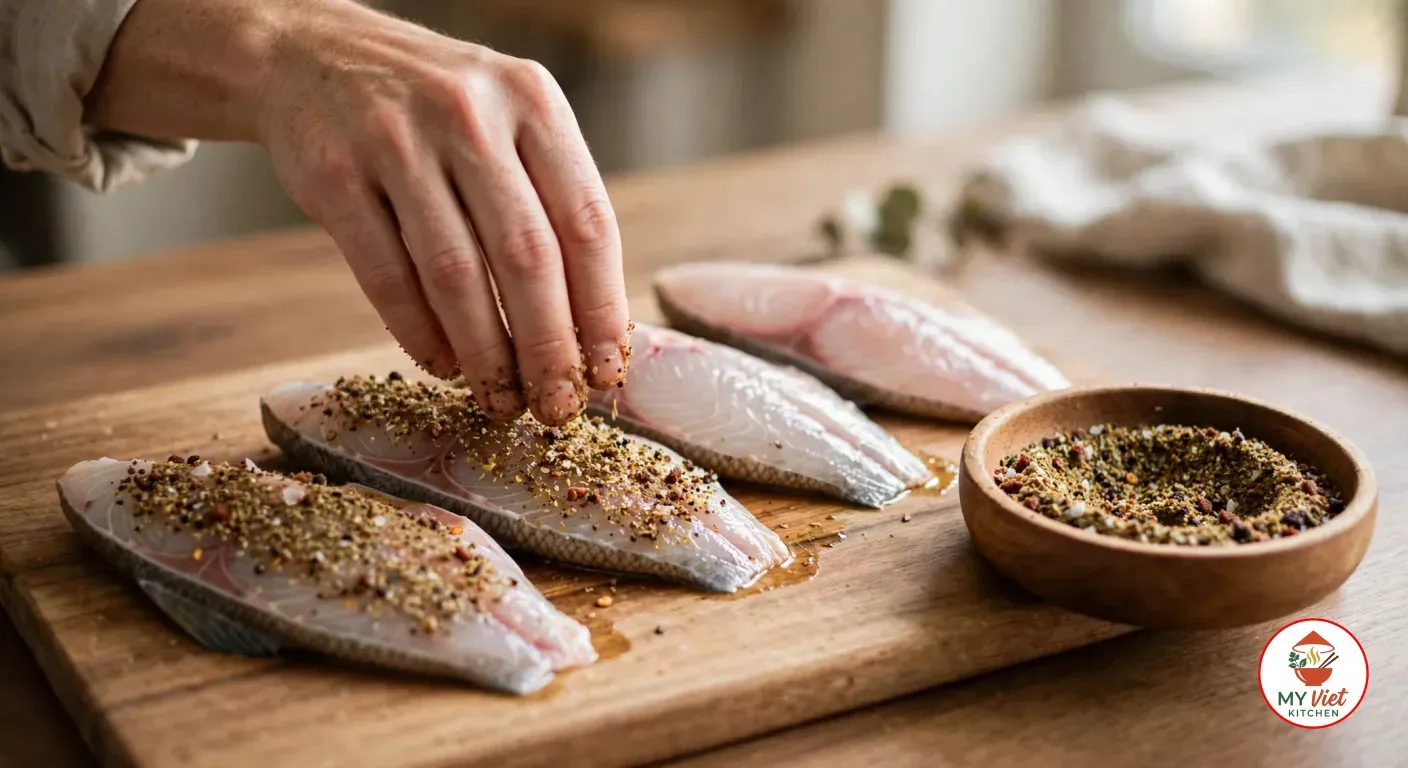
2 Remove the barramundi fillets from the refrigerator 10 minutes before cooking. Pat each fillet thoroughly dry on both sides with paper towels. This step is essential because surface moisture prevents the skin from crisping and causes the spices to clump rather than adhere evenly. Drizzle a thin coating of macadamia oil over both sides of each fillet.
Sprinkle the bush spice blend generously over the flesh side of each fillet. Press the spices gently into the surface with your fingertips so they bond with the oil and stick firmly. Season the skin side with just a light pinch of the blend. Then let the fillets rest at room temperature while you heat the pan. During this resting time, the salt in the spice blend draws a small amount of moisture from the fish, which the spices then absorb. As a result, the flavors penetrate deeper into the flesh rather than sitting only on the surface.
Step 3: Pan-Sear Skin Side Down
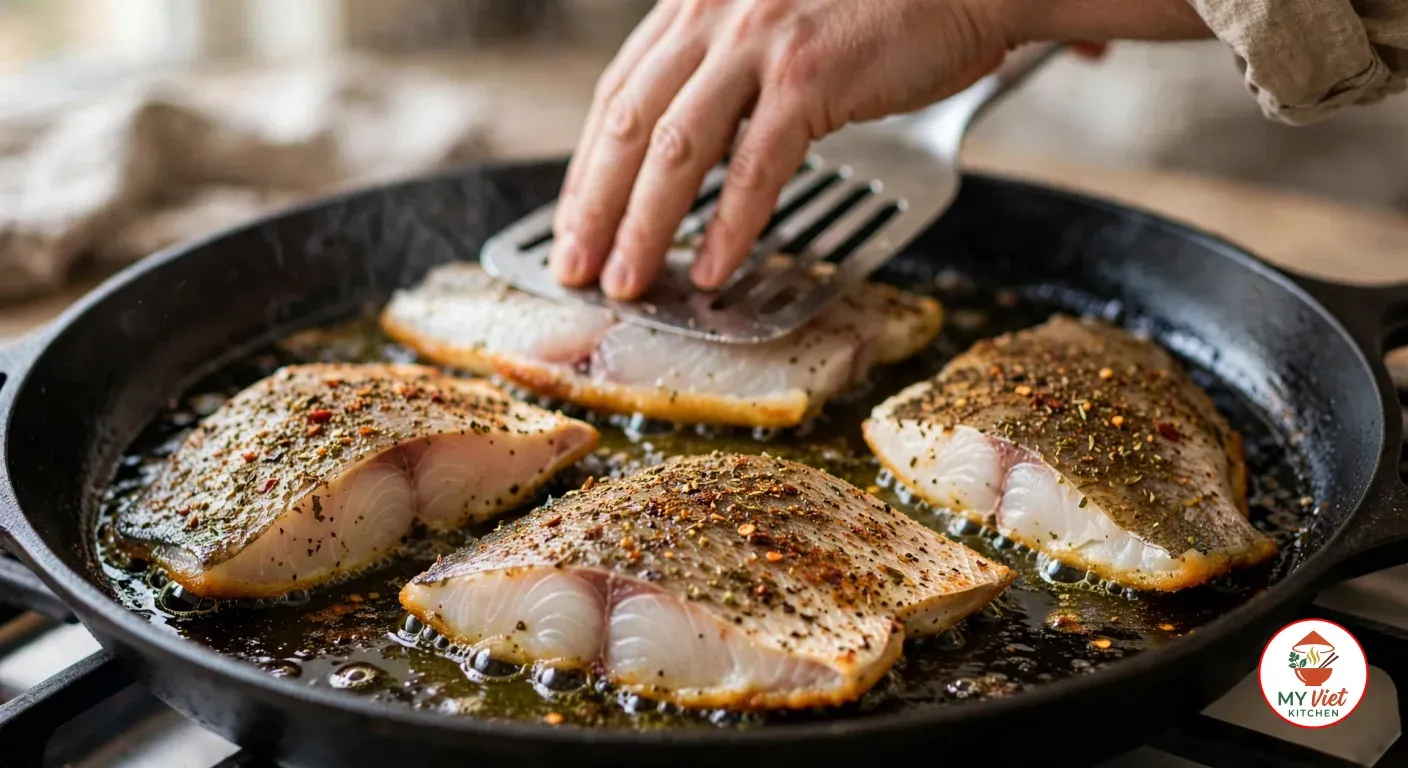
3 Heat the olive oil in a large non-stick or cast-iron skillet over medium-high heat. Wait until the oil shimmers and a small wisp of smoke appears. Place the barramundi fillets skin-side down in the pan, laying them away from you to prevent oil splatter. Immediately press each fillet gently with a spatula for the first 30 seconds. This prevents the skin from curling and ensures full contact with the hot pan.
Cook the fillets without moving them for 4 to 5 minutes. You will see the flesh turn opaque from the bottom up as the heat travels through the fillet. When the flesh is opaque about two-thirds of the way up, the skin side is perfectly crispy. Resist the urge to lift the fish and check. If the fillet releases easily when you slide the spatula underneath, it is ready to flip. If it sticks, give it another 30 seconds.
Step 4: Flip and Finish with Garlic Butter
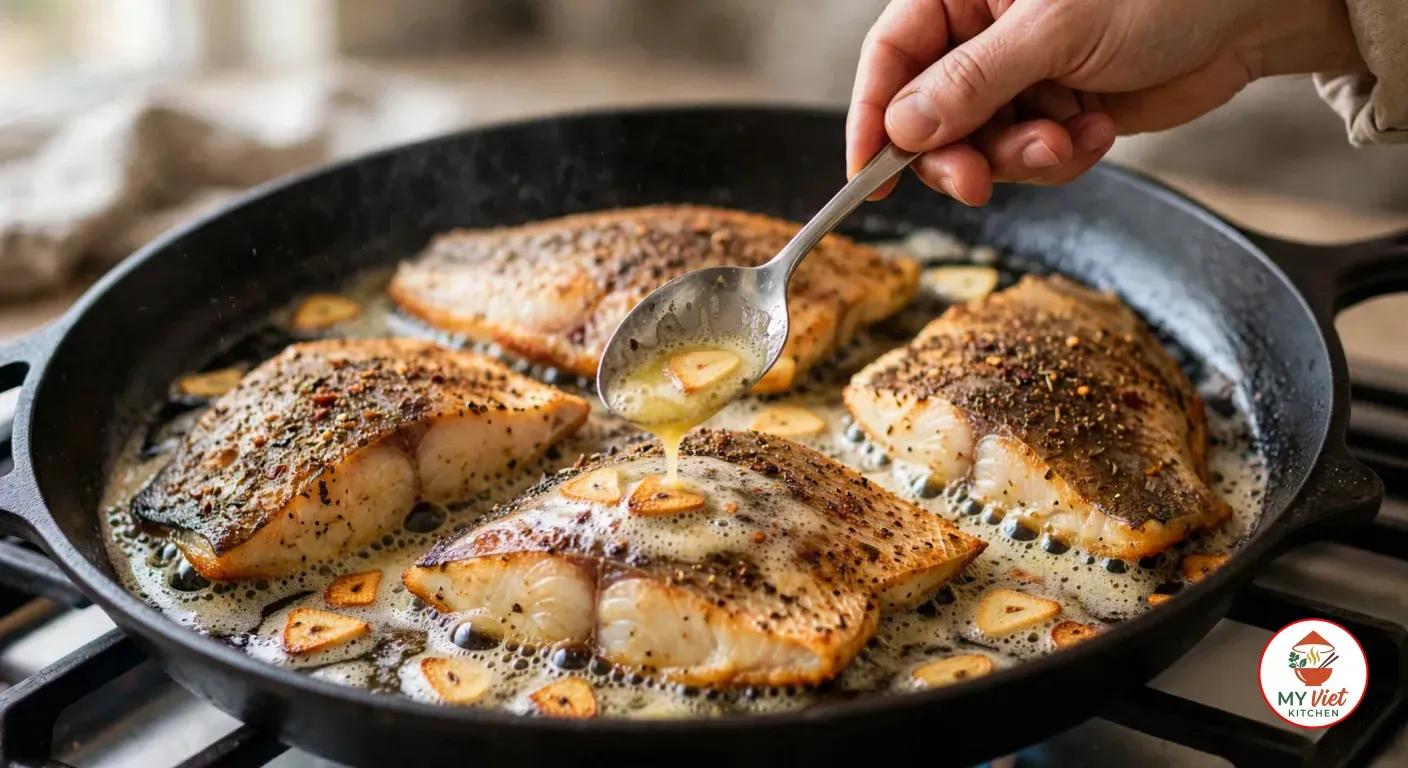
4 Carefully flip each fillet using a thin spatula. Reduce the heat to medium. Add the butter and sliced garlic to the pan immediately. The butter will foam and sizzle. Tilt the pan slightly and use a spoon to baste the barramundi fillets with the melted garlic butter repeatedly. This basting technique adds richness and helps the bush spices bloom further in the warm fat.
Cook the flesh side for just 2 to 3 minutes. The barramundi is done when it flakes easily with a fork and reaches an internal temperature of 145 degrees Fahrenheit. Squeeze fresh lemon juice directly over the fillets while they are still in the pan. The acidity brightens the earthy bush spices and brings the entire flavor profile into balance. Remove the pan from heat immediately to prevent overcooking.
Step 5: Plate and Garnish
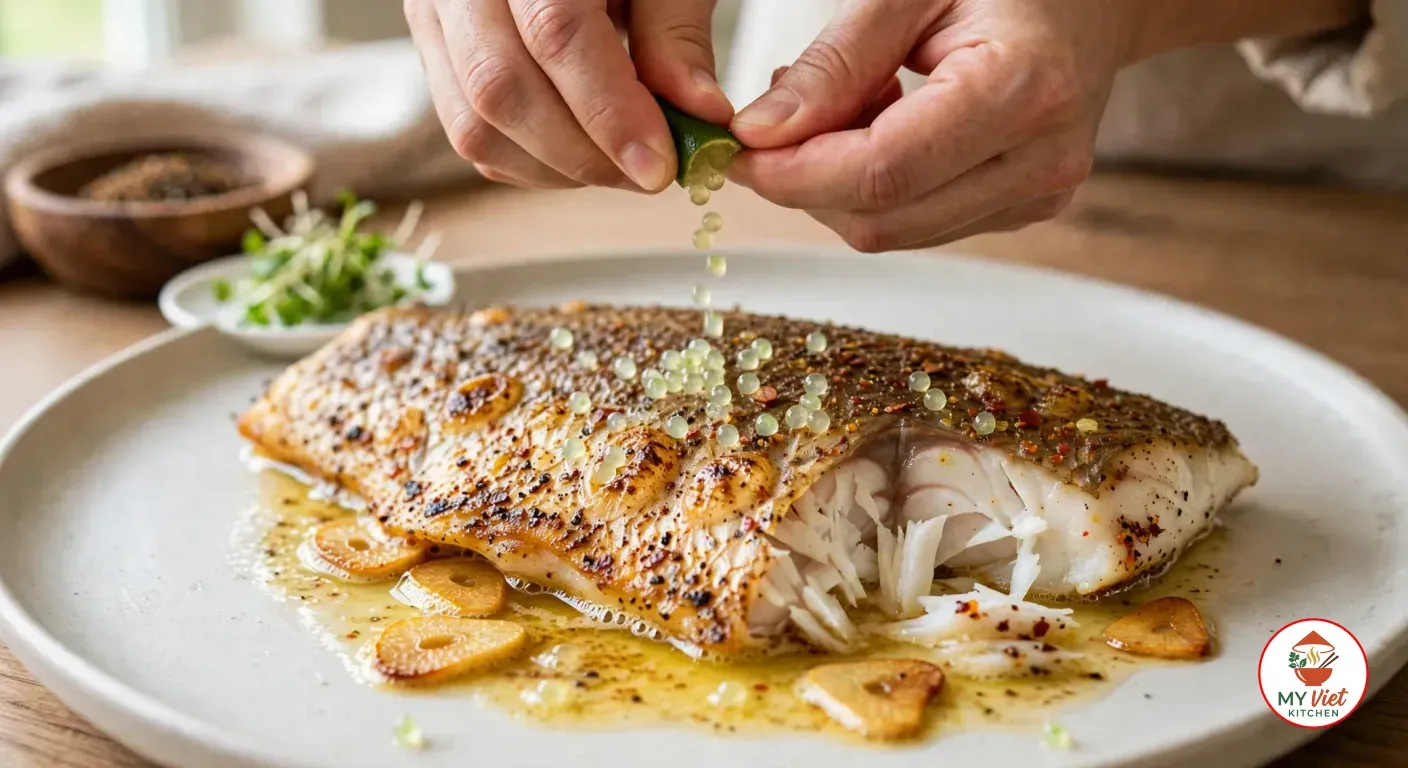
5 Transfer the barramundi fillets to warmed plates with the skin side facing up to preserve its crispiness. Spoon the remaining garlic butter and any pan juices over each fillet. Cut the finger limes in half and squeeze the caviar-like pearls directly over the fish. The burst of fresh citrus from finger limes is a classic Australian garnish that complements the lemon myrtle in the bush spice blend beautifully.
Scatter micro herbs or native greens around the plate for color and a final layer of freshness. Finish with a small pinch of sea salt flakes over the top. Serve the barramundi with bush spices immediately while the skin is still crackling and the butter is still warm. This dish is best enjoyed the moment it leaves the pan.
Expert Tips for Perfect Results
Dry the Fish Thoroughly
Moisture is the biggest obstacle to crispy barramundi skin. Even a thin layer of water on the surface creates steam instead of allowing direct contact between the skin and the hot pan. Use multiple paper towels and press firmly on both sides. Some chefs even leave the fillets uncovered on a rack in the refrigerator for an hour before cooking. This extra drying step makes a dramatic difference in skin texture and is well worth the effort.
Do Not Overcook the Fish
Barramundi cooks quickly because of its moderate thickness. Overcooking turns the moist, flaky flesh dry and chalky, which wastes the beautiful bush spice crust you built. Remember that the fish continues cooking for about 30 seconds after you remove it from the pan due to residual heat. Therefore, pull the fillets off the heat when they are just barely done in the center. The carry-over cooking will finish the job perfectly. This approach gives you the juiciest possible result.
Use Macadamia Oil for Authenticity
Macadamia oil is native to Australia and has a subtle nutty sweetness that complements bush spices beautifully. It also has a high smoke point, which makes it practical for pan-searing. While olive oil works as a substitute, macadamia oil adds another layer of Australian terroir to the dish. You can find it at most health food stores or online. It is a worthwhile investment that elevates this recipe from good to exceptional.
Bush Spices vs. Common Spice Substitutes
If you cannot source authentic Australian bush spices, you can approximate the flavor profile with more common ingredients. However, the result will be different because bush spices have unique chemical compounds not found in their substitutes. Use this comparison table as a guide when making adjustments to your barramundi with bush spices recipe.
| Bush Spice | Flavor Profile | Closest Substitute |
|---|---|---|
| Lemon myrtle | Intense citrus, floral | Lemon zest + lemongrass |
| Mountain pepperberry | Warm, slow-building heat | Szechuan pepper + black pepper |
| Wattleseed | Nutty, coffee, chocolate | Finely ground espresso + hazelnut |
| Bush tomato | Tangy, sun-dried, caramel | Sun-dried tomato powder |
| Native thyme | Herbal, slightly minty | Regular thyme + oregano |
While these substitutes offer a reasonable approximation, they cannot fully replicate the complexity of genuine bush spices. For the most authentic experience, source the real ingredients. The flavor difference is significant and immediately noticeable.
Serving Suggestions
This bush spice barramundi is a versatile main course that pairs with both Australian-inspired and international sides. The key is choosing accompaniments that complement the earthy, citrusy spice profile without overwhelming the fish. Keep sides light and fresh to let the bush spices remain the star of the plate.
The Perfect Accompaniments:
- Sweet potato mash: The natural sweetness of roasted sweet potato balances the peppery warmth of the bush spices and adds a creamy base to the plate.
- Charred broccolini: Quick-grilled broccolini with a squeeze of lemon provides a fresh, slightly bitter counterpoint that cuts through the butter sauce.
- Native greens salad: Warrigal greens, samphire, or a simple rocket salad dressed with macadamia oil and lemon juice stays true to the Australian theme.
- Steamed jasmine rice: A bowl of fluffy rice absorbs the garlic butter sauce and makes this dish more filling for hungry diners.
Beverage Pairings:
- Australian Riesling: A Clare Valley or Eden Valley Riesling has the acidity and citrus notes to match lemon myrtle beautifully.
- Sauvignon Blanc: Crisp and herbaceous, a Margaret River Sauvignon Blanc refreshes the palate between bites of spice-crusted fish.
- Pale ale: An Australian craft pale ale with citrus hop notes echoes the lemon myrtle and stands up to the pepperberry warmth.
- Sparkling water with Davidson plum: For a non-alcoholic option, this native Australian fruit adds tartness that cleanses the palate wonderfully.
Storage and Reheating
Refrigerator: Store leftover barramundi in an airtight container for up to 2 days. The bush spice crust actually intensifies in flavor during storage as the spices continue to infuse into the fish. However, the crispy skin will soften once refrigerated.
Freezer: Cooked barramundi with bush spices freezes for up to 2 months. Wrap each fillet individually in plastic wrap, then place in a freezer bag with the air pressed out. Thaw overnight in the refrigerator before reheating.
Reheating: The best method is a hot oven. Place the fillets skin-side down on a wire rack over a baking sheet. Reheat at 375 degrees Fahrenheit for 8 to 10 minutes. This method partially restores the skin crispiness while keeping the flesh moist. Avoid the microwave at all costs, because it makes the skin rubbery and dries out the delicate barramundi flesh.
Common Mistakes to Avoid
1. Using Too Much Lemon Myrtle
Lemon myrtle is extremely concentrated. Using more than the recommended amount turns the flavor soapy and overpowering rather than pleasantly citrusy. Start with the measurements in this recipe and add more only after tasting. A quarter teaspoon too much can push the entire dish into unpleasant territory. Treat lemon myrtle like saffron rather than like dried herbs: a little goes a very long way.
2. Moving the Fish Too Early
Lifting or shifting the barramundi before the skin has fully crisped tears the skin and ruins the presentation. The skin needs a full 4 to 5 minutes of uninterrupted contact with the hot pan. When it is ready, it releases naturally. If you try to flip and the fish resists, it is telling you it needs more time. Patience during this stage is the difference between a restaurant-quality crispy skin and a patchy, torn one.
3. Cooking on Low Heat
A pan that is not hot enough causes the barramundi to steam instead of sear. The skin turns pale and flabby rather than golden and crunchy. Your pan should be genuinely hot before the fish goes in. The oil should shimmer and a drop of water should sizzle and evaporate on contact. Medium-high heat is the minimum. Cold pans and gentle heat have no place in this recipe.
4. Neglecting the Resting Step
Skipping the 10-minute rest after seasoning means the bush spices sit only on the surface. They never penetrate the flesh and wash off during cooking. The salt in the blend needs time to draw moisture and create a tacky surface that bonds with the spices. This brief resting period is not optional. It transforms the seasoning from a superficial coating into a deeply embedded flavor layer.
Frequently Asked Questions
What are bush spices in Australian cooking?
Bush spices are native Australian ingredients that Indigenous Australians have used for thousands of years. The most common bush spices include lemon myrtle, mountain pepperberry, wattleseed, bush tomato, and native thyme. Each spice carries a unique flavor profile ranging from intensely citrusy and floral to earthy and peppery. Modern Australian chefs use these spices to create dishes that honor the continent’s ancient culinary heritage while embracing contemporary techniques.
Can I use a different fish instead of barramundi?
Yes, you can substitute barramundi with other firm, white-fleshed fish such as snapper, sea bass, or coral trout. The important thing is choosing a fish with mild flavor and firm texture that withstands pan-searing without falling apart. Avoid delicate varieties like sole or tilapia, as they cannot handle the bold bush spice blend or the high-heat searing technique.
Where can I buy Australian bush spices?
Australian bush spices are available from specialty online retailers such as Herbie’s Spices, The Australian Superfood Co, and Outback Spirit. In Australia, gourmet food stores and some supermarkets stock them in the specialty aisle. Outside Australia, Amazon and specialty food websites carry dried bush spice blends. Start with ground lemon myrtle, pepperberry, and wattleseed as your foundation collection for cooking barramundi with bush spices and other native-inspired dishes.
What does barramundi taste like?
Barramundi has a mild, buttery flavor with a clean, slightly sweet finish. The texture is firm yet moist, with large flakes that hold together well during cooking. Its mild taste makes it an excellent canvas for bold seasonings like bush spices. Many people compare barramundi to sea bass or snapper, although it has a more delicate sweetness that pairs beautifully with citrusy and earthy spice blends.
How do I get crispy skin on barramundi?
Three steps guarantee crispy barramundi skin. Pat the skin completely dry with paper towels, because moisture is the enemy of crispiness. Use a hot pan with oil that shimmers before placing the fish skin-side down. Finally, do not move the fish for at least 4 minutes. Pressing the fillet gently for the first 30 seconds prevents curling and ensures full contact between the skin and the pan surface.
Variations and Adaptations
Grilled Barramundi with Bush Spices:
For a smoky variation, cook the seasoned barramundi on a preheated grill or grill pan instead of a skillet. Oil the grates well and place the fish skin-side down over medium-high heat. Grill for 4 minutes per side without moving. The grill marks add visual appeal and a subtle charred flavor that works wonderfully with the earthy wattleseed and pepperberry in the bush spice blend.
Oven-Roasted Whole Barramundi:
For a dramatic presentation, use a whole barramundi instead of fillets. Score the skin in diagonal cuts, rub the bush spice blend into the slashes and the cavity, and stuff with lemon slices and native herbs. Roast at 400 degrees Fahrenheit for 25 to 30 minutes until the flesh flakes at the thickest point. This method feeds a crowd and makes a stunning centerpiece for an Australian-themed dinner party.
Bush Spice Barramundi Tacos:
Break the seared barramundi into large flakes and serve in warm tortillas with a finger lime crema, shredded cabbage, and pickled red onion. The bush spices pair surprisingly well with Mexican-style accompaniments. This fusion approach makes the dish more casual and is ideal for outdoor entertaining or a relaxed weekend lunch.
Dairy-Free Version:
Simply omit the butter and increase the macadamia oil to 2 tablespoons. Use the extra oil for basting instead of butter. The macadamia oil provides enough richness and nutty flavor to compensate. Add a splash of coconut aminos or a drizzle of tahini at the end for additional depth. The bush spice blend itself is naturally dairy-free, vegan, and gluten-free.
The Cultural Significance of Bush Tucker Cuisine
Preparing barramundi with bush spices at home is more than cooking a meal. It is participating in a food movement that reconnects modern Australian cooking with the continent’s oldest culinary traditions. Indigenous Australians developed a sophisticated understanding of native plants and animals over tens of thousands of years. They identified which species were edible, medicinal, or seasonal. They created processing techniques for toxic plants like cycad nuts. Their food knowledge represents the longest continuous food culture on Earth.
The modern bush tucker movement began in the 1980s when chefs started experimenting with native ingredients in fine dining settings. Today, restaurants like Orana in Adelaide and Noma Australia’s pop-up have brought global attention to these flavors. At the same time, Indigenous-owned businesses such as Outback Spirit and Warndu have made bush spices accessible to home cooks worldwide. Every purchase of native Australian spices supports Indigenous communities and helps preserve traditional food knowledge.
Cooking with bush spices also carries an environmental message. These plants evolved to thrive in Australia’s challenging climate without irrigation, fertilizers, or pesticides. They are inherently sustainable crops. By choosing native ingredients, you support agricultural practices that work with the land rather than against it. This philosophy of cooking in harmony with the local environment echoes food traditions across many cultures, including the Asian cuisines we explore regularly on this site.
Conclusion
Making barramundi with bush spices at home is surprisingly straightforward, yet the result tastes like something from a top Australian restaurant. The entire process takes just 35 minutes from start to plate. You need only a handful of native spices, fresh barramundi fillets, and a hot pan. The techniques are simple: season well, sear patiently, baste generously, and serve immediately. Master these basics and you will produce a dish with shatteringly crispy skin, moist flaky flesh, and a complex spice crust that no other seasoning blend can replicate.
Whether you are exploring Australian cuisine for the first time or looking to deepen your repertoire of global fish recipes, this barramundi with bush spices belongs in your rotation. The native spices bring flavors you simply cannot find anywhere else, and they connect your kitchen to one of the world’s oldest food traditions. Once you taste the combination of lemon myrtle, pepperberry, and wattleseed on perfectly seared barramundi, you will understand why Australian chefs have built an entire culinary movement around these extraordinary ingredients. Explore more of our seafood recipes and global dishes for your next culinary adventure.