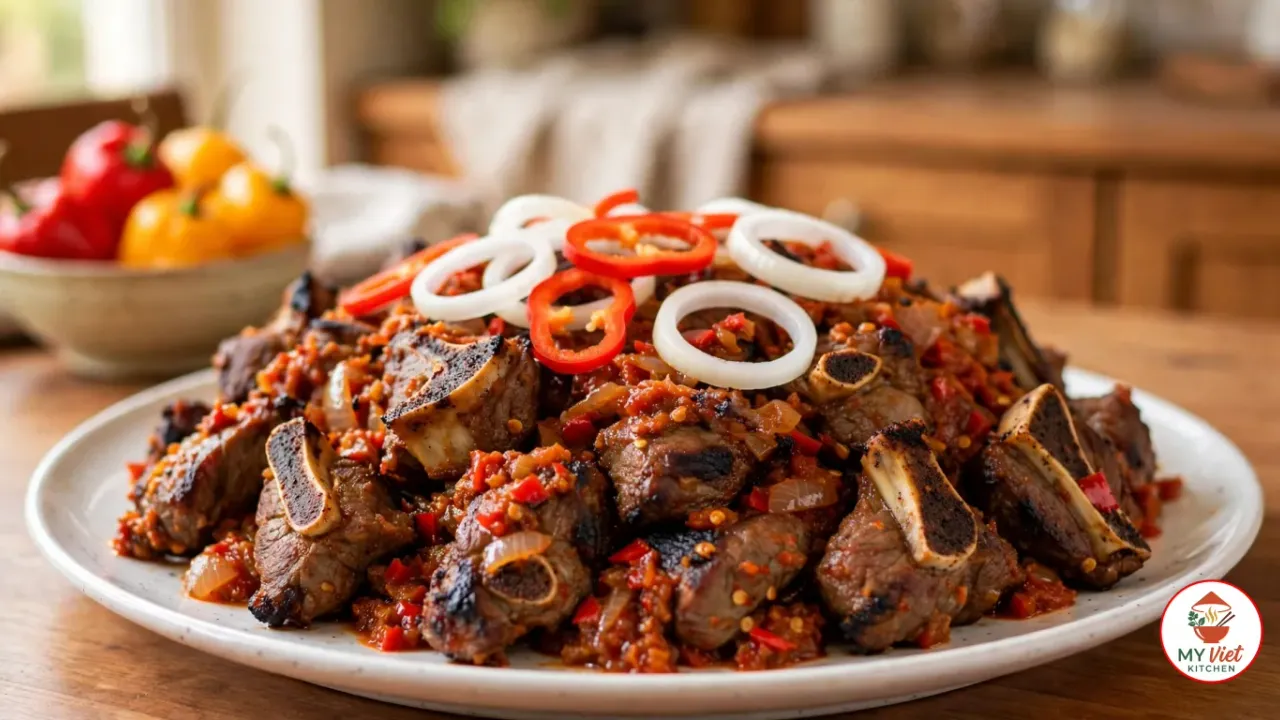
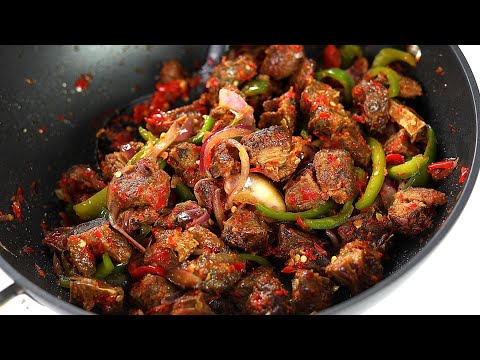
Asun is Nigeria’s legendary spicy smoked goat meat, and this fiery dish has become the star of every Yoruba party table. Made from goat meat that is grilled over an open flame until deeply charred, then tossed in a blazing pepper sauce loaded with Scotch bonnet peppers and onions, asun delivers an unforgettable combination of smoke, heat, and bold flavor. Whether you are hosting a celebration or craving authentic Nigerian street food, this asun recipe walks you through every step to achieve the perfect balance of tender, smoky meat and fiery pepper sauce at home.
Prep Time: 20 minutes | Cook Time: 60 minutes | Servings: 6
Difficulty: Medium | Calories: ~350 per serving
What Makes Asun Special?
Asun occupies a unique position in Nigerian cuisine because it bridges the gap between simple grilled meat and a fully sauced dish. Unlike suya, which relies on a dry spice rub and is eaten straight from the grill, asun goes through two stages of cooking. First the meat gets smoked or grilled over intense heat until charred and fully cooked. Then it is tossed in a freshly made pepper sauce that clings to every piece and infuses the smoky meat with waves of fiery heat. This two-stage process creates layers of flavor that no single cooking method can achieve alone.
The dish originated among the Yoruba people of southwestern Nigeria, particularly in Lagos, Ibadan, and the surrounding states. Asun first gained popularity as a party food at owambe celebrations, which are the lavish social gatherings that define Yoruba culture. At these events, asun appears alongside other beloved dishes like jollof rice, fried rice, and pounded yam with egusi soup. However, asun always stands out because of its dramatic presentation and intense flavor. According to Nigerian food traditions, the dish evolved from the broader West African practice of smoking and grilling goat meat, but the Yoruba innovation of finishing it in a pepper sauce elevated asun into a distinct culinary category.
Beyond its cultural significance, asun also appeals to those who appreciate bold, uncompromising flavors. The Scotch bonnet peppers provide searing heat, the charcoal grill contributes deep smokiness, and the goat meat itself offers a robust gamey character that beef or chicken simply cannot replicate. For anyone who loves spicy food, asun represents the ultimate test of heat tolerance and the ultimate reward for passing it. Each bite delivers smoke first, then pepper heat, and finally the rich, savory depth of perfectly cooked goat meat.
Choosing the Right Goat Meat for Asun
The cut and quality of goat meat you select directly determines the texture and flavor of your finished asun. Since the meat undergoes high-heat grilling followed by sauce tossing, you need cuts that stay tender throughout both stages. Here are your best options when shopping for goat meat.
- Goat ribs (best choice): Ribs offer the ideal balance of meat, fat, and bone for asun. The fat bastes the meat during grilling, keeping it moist and flavorful. The bones also add structural support that prevents the pieces from falling apart when tossed in the pepper sauce. Most Nigerian butchers recommend ribs as the premium choice for asun.
- Goat shoulder: Shoulder meat has good marbling and connective tissue that breaks down during grilling, producing tender, juicy pieces. Cut the shoulder into bite-sized chunks before grilling for even cooking. This cut works especially well when you want boneless asun pieces that are easy to eat with toothpicks at parties.
- Goat leg: Leg meat is leaner than ribs or shoulder, so it requires careful attention during grilling to avoid drying out. Slice leg meat thinly against the grain before grilling, and do not cook it beyond medium to preserve moisture. Leg meat is a good option when ribs are unavailable, but it produces a slightly drier asun.
Ingredients for Asun
Main Ingredients:
- 3 pounds goat meat, cut into bite-sized pieces
- 3 tablespoons vegetable oil
- 2 large onions (one for blending, one for frying)
For the Dry Rub:
- 2 seasoning cubes (Maggi or Knorr), crushed
- 1 teaspoon salt
- 1 teaspoon dried thyme
- 1 teaspoon garlic powder
- 1 teaspoon onion powder
- 1 tablespoon smoked paprika
For the Pepper Sauce:
- 4 Scotch bonnet peppers or habanero peppers
- 1 red bell pepper, roughly chopped
- 1 teaspoon ground cameroon pepper or cayenne pepper
Pro tip: For the most authentic smoky flavor, grill the goat meat over natural lump charcoal rather than gas. The charcoal produces aromatic smoke that penetrates the meat in a way that gas grills cannot match. If you only have a gas grill, add soaked wood chips in a smoker box to approximate the charcoal effect.
Step-by-Step Instructions
Step 1: Season and Prepare the Goat Meat
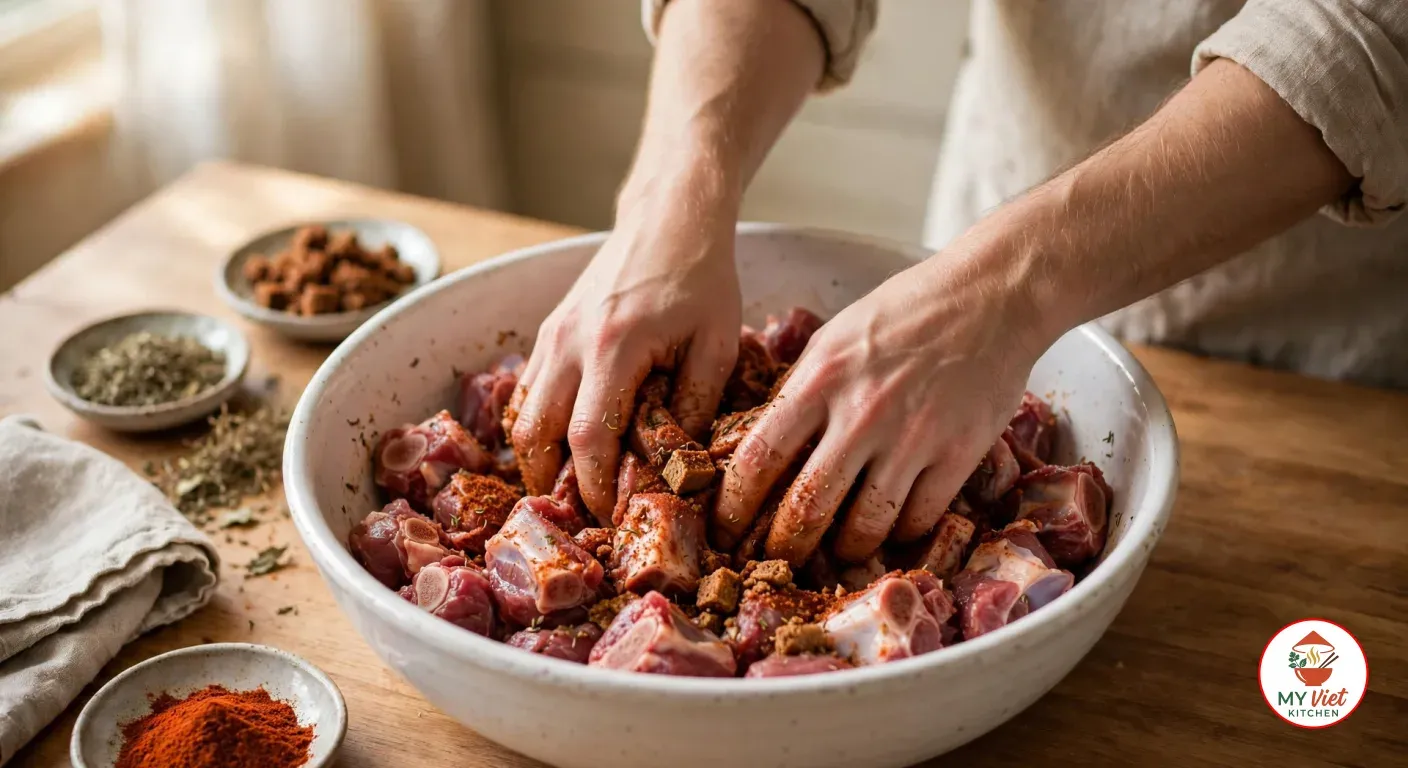
1Rinse the goat meat pieces under cold running water and pat them completely dry with paper towels. Removing surface moisture helps the dry rub adhere properly and promotes better charring during grilling. In a large bowl, combine the crushed seasoning cubes, salt, dried thyme, garlic powder, onion powder, and smoked paprika. Add the goat meat and rub the spice mixture into every piece, making sure to coat all surfaces evenly. Cover the bowl with plastic wrap and refrigerate for at least 30 minutes. For deeper flavor penetration, marinate the meat for 2 to 4 hours or overnight. The longer the goat meat sits in the spice rub, the more flavorful your asun becomes.
Step 2: Smoke and Grill the Goat Meat
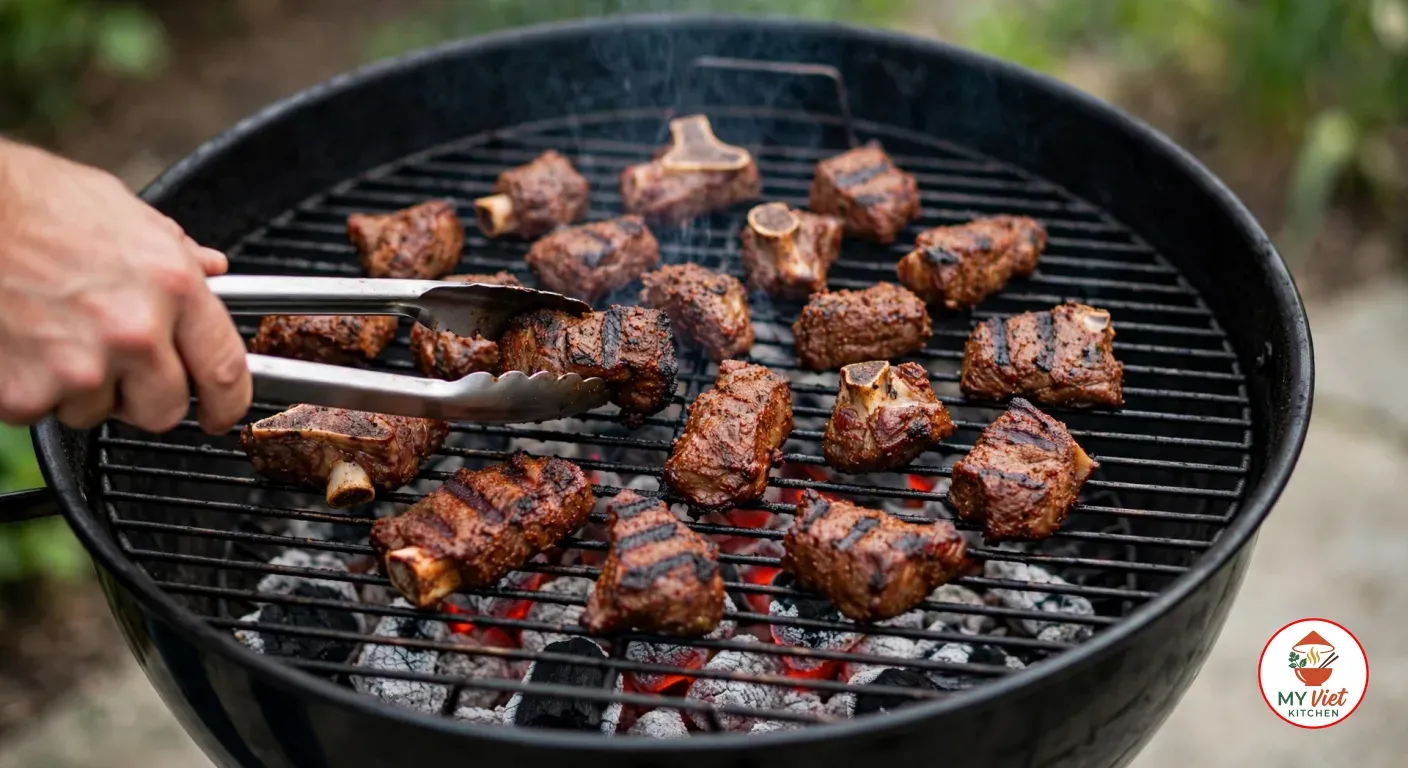
2Light your charcoal grill and allow the coals to develop a layer of white ash, which indicates they have reached the ideal temperature for grilling. Place the seasoned goat meat pieces directly on the grill grate over the hot coals. Grill the meat for 25 to 35 minutes, turning every 5 to 7 minutes to ensure even charring on all sides. You want a deep, dark crust on the exterior while the interior remains juicy and tender. The fat from the meat will drip onto the coals and create aromatic smoke that infuses every piece. If using an oven, roast at 400 degrees Fahrenheit for 35 to 45 minutes, then finish under the broiler for 5 minutes to char the surface.
Step 3: Prepare the Pepper Sauce
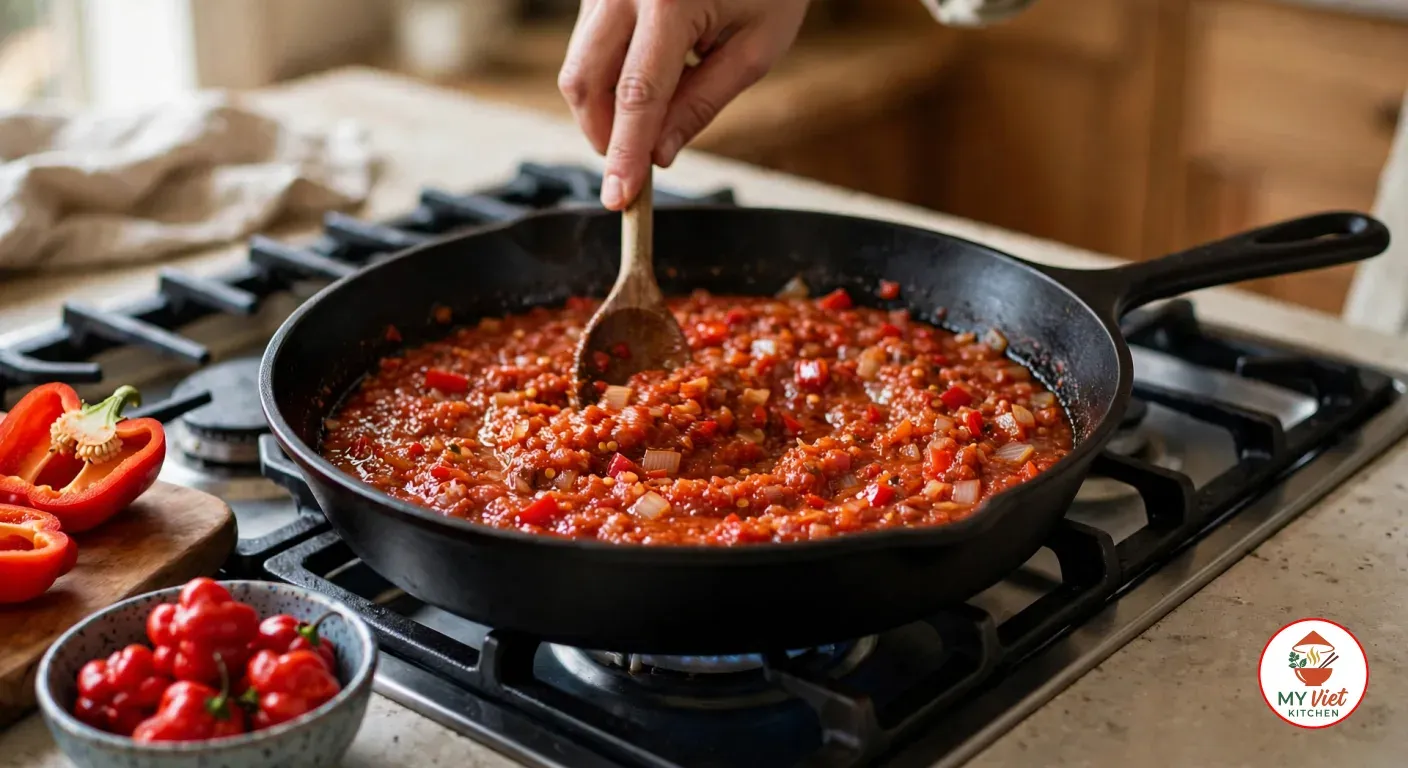
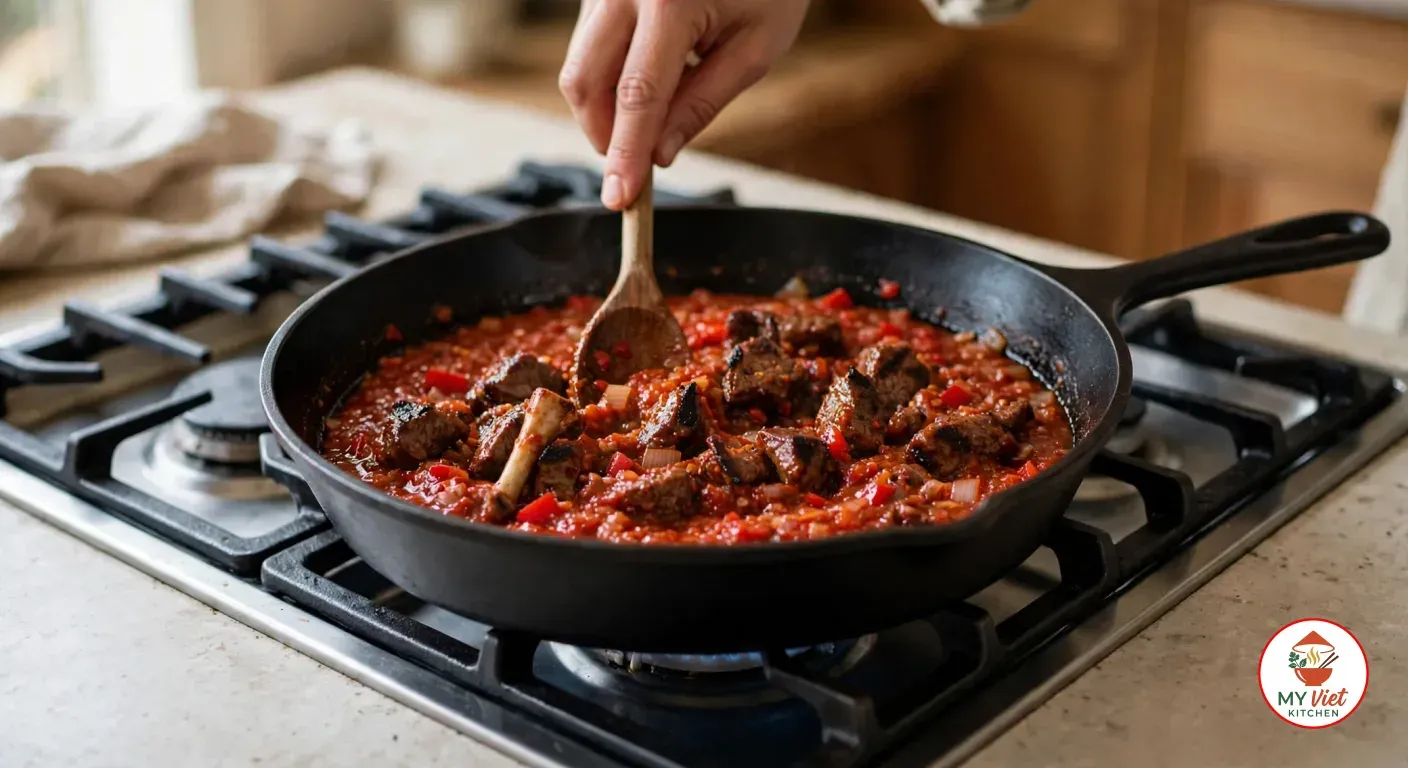
3While the goat meat grills, prepare the pepper sauce that defines asun. Add the Scotch bonnet peppers, one roughly chopped onion, and the red bell pepper to a blender. Pulse until you achieve a coarse paste with visible pepper chunks rather than a completely smooth puree. The texture matters because those small pepper pieces create pockets of intense heat throughout the finished dish. Heat vegetable oil in a large skillet or pot over medium heat. Dice the remaining onion and fry it in the oil for 3 to 4 minutes until it turns translucent and fragrant. Pour the blended pepper paste into the pot and add the ground cameroon pepper. Stir well and cook for 10 to 15 minutes until the raw pepper smell disappears and the sauce thickens slightly.
Step 4: Combine and Toss the Asun
4Transfer the grilled goat meat directly into the pot with the pepper sauce. Toss the meat vigorously in the sauce, making sure every piece gets thoroughly coated. Cook over medium heat for 5 to 7 minutes, stirring frequently, so the smoky meat absorbs the fiery pepper flavors. The heat from the sauce slightly loosens the charred crust on the meat, creating a sticky, spicy glaze that clings to each piece. Taste the asun at this stage and adjust the seasoning. Add more salt if needed, or throw in extra Scotch bonnet pepper for those who prefer extreme heat. The sauce should coat the meat generously without pooling at the bottom of the pot.
Step 5: Serve the Asun
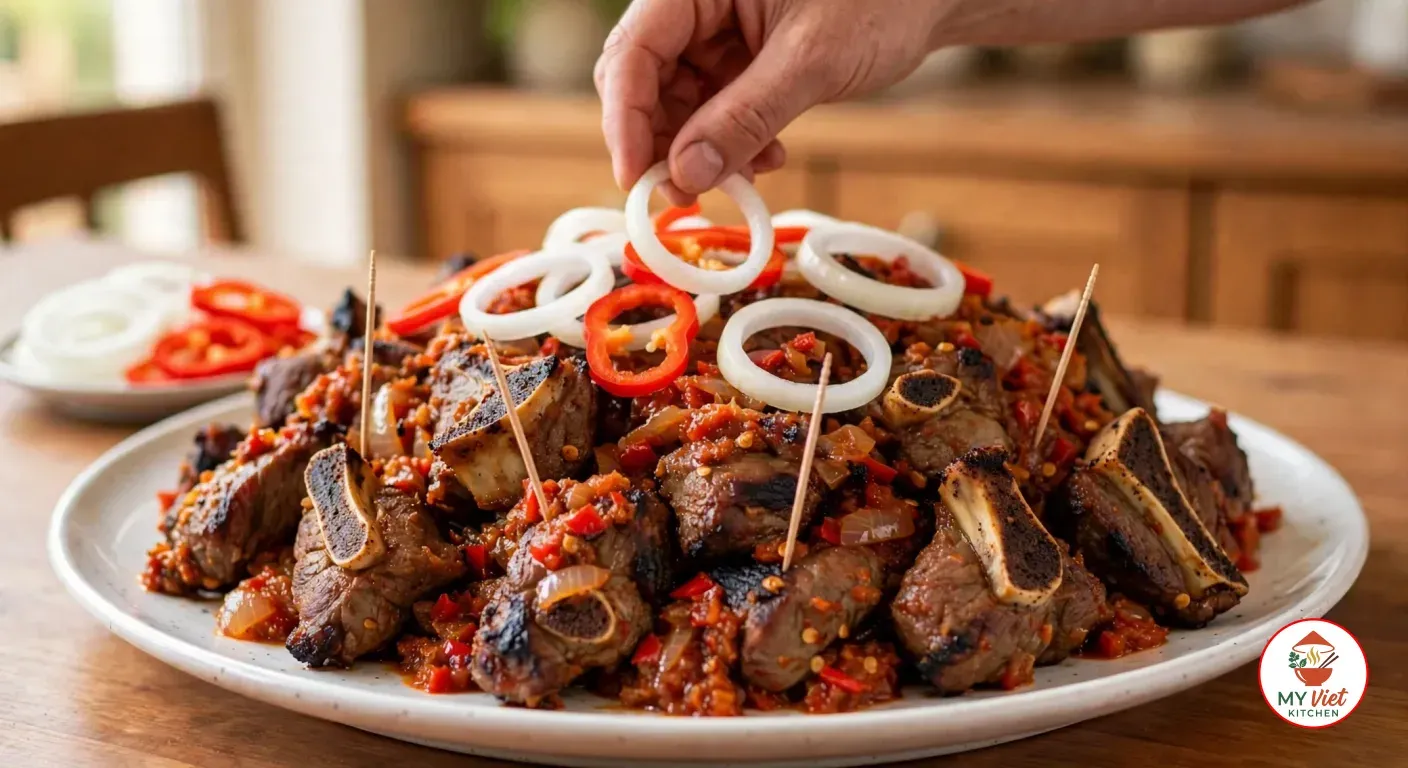
5Transfer the finished asun to a serving platter and garnish with fresh onion rings and thin slices of Scotch bonnet pepper for a dramatic presentation. Insert toothpicks into individual pieces for easy serving at parties, which is how asun appears at most Nigerian celebrations. Serve immediately while the meat is still hot and the pepper sauce glistens on the surface. At Nigerian parties, asun arrives at the table alongside chilled drinks because guests need cold beverages to balance the intense heat of the peppers.
Expert Tips for Perfect Asun
Control the Heat Level
The number of Scotch bonnet peppers you use determines whether your asun is pleasantly warm or eye-wateringly hot. For moderate heat, use 2 peppers with the seeds removed. For traditional Nigerian-level spice, use 4 peppers with the seeds left in. You can also split the difference by using 3 peppers and removing the seeds from only half of them. Remember that the heat intensifies as the dish sits, so a freshly tossed asun that seems mild will taste noticeably spicier 10 minutes later.
Achieve the Perfect Char
The smoky char on the goat meat is what separates outstanding asun from ordinary peppered meat. To develop the deepest char, pat the meat completely dry before placing it on the grill. Moisture on the surface creates steam instead of char, which prevents the Maillard reaction from producing those complex, caramelized flavors. Additionally, resist the urge to move the meat too frequently. Let each piece sit undisturbed on the grill grate for at least 3 minutes before turning. This patience allows a proper crust to form.
Do Not Overcook the Pepper Sauce
Cooking the pepper sauce for too long dulls the vibrant flavor of the fresh Scotch bonnet peppers. The goal is to cook the sauce just long enough to eliminate the raw pepper taste, which takes 10 to 15 minutes. Beyond that point, the peppers lose their fruity brightness and the sauce becomes one-dimensional. A properly cooked asun pepper sauce should taste both fiery and fresh, with the distinct tropical fruitiness of the Scotch bonnets still evident.
Asun vs. Other Nigerian Goat Meat Dishes
Nigeria has several beloved goat meat preparations, and each one uses different techniques to create a distinct eating experience. Here is how asun compares to other popular Nigerian goat meat dishes.
| Feature | Asun | Suya | Nkwobi | Peppered Goat Meat |
|---|---|---|---|---|
| Cooking Method | Grilled then sauced | Grilled with dry rub | Boiled then sauced | Boiled then fried |
| Key Flavor | Smoky and fiery | Nutty and spicy | Rich and peppery | Peppery and savory |
| Heat Source | Scotch bonnet peppers | Yaji spice blend | Utazi leaves, peppers | Mixed peppers |
| Typical Occasion | Parties, owambe | Street food, any time | Bars, special meals | Home cooking |
| Region | Yoruba (Southwest) | Hausa (North) | Igbo (Southeast) | Nationwide |
Serving Suggestions
In Nigeria, asun shines brightest as a party appetizer that gets guests excited before the main course arrives. However, its bold flavor also makes it an excellent main dish when paired with the right accompaniments. Here are the most traditional and popular ways to serve your homemade asun.
The Perfect Accompaniments:
- Jollof rice: The tomato-based rice complements the smoky heat of asun beautifully. Together they form the quintessential Nigerian party plate that satisfies every craving for bold, layered flavors.
- Fried plantains (dodo): Sweet, caramelized plantains provide a welcome contrast to the fiery heat of asun. The natural sugar in ripe plantains cools the palate between bites of spicy meat.
- Fried rice: Nigerian fried rice with mixed vegetables offers a milder counterpoint to the intense asun. This pairing works especially well at parties where guests have varying spice tolerances.
- Coleslaw: The cool, creamy crunch of Nigerian-style coleslaw tames the Scotch bonnet heat while adding a refreshing element to the meal. Many party hosts serve asun and coleslaw together for this exact reason.
Beverage Pairings:
- Chapman: This iconic Nigerian cocktail combines Fanta, Sprite, grenadine, and Angostura bitters. Its sweet, fruity fizz provides the ideal counterbalance to the searing heat of asun peppers.
- Palm wine: The mildly sweet, slightly sour character of fresh palm wine pairs naturally with smoky grilled goat meat. This traditional combination has been enjoyed across southern Nigeria for generations.
- Cold beer: A well-chilled Nigerian lager like Star, Gulder, or Heineken is the most popular companion for asun at parties. The cold carbonation cuts through the oil and pepper heat with every sip.
Storage and Reheating
Refrigerator: Store leftover asun in an airtight container for up to 4 days. The flavors actually deepen during refrigeration as the meat continues to absorb the pepper sauce. Many Nigerians consider leftover asun even more flavorful than freshly made because of this marinating effect.
Freezer: Freeze asun in portion-sized containers for up to 3 months. The pepper sauce prevents freezer burn and preserves the meat’s moisture effectively. Thaw overnight in the refrigerator before reheating for the best texture.
Reheating: Warm leftover asun in a skillet over medium heat for 5 to 7 minutes, stirring occasionally. This method restores the sticky, glazed texture of the pepper coating. You can also reheat in the oven at 350 degrees Fahrenheit for 10 to 12 minutes. Avoid the microwave because it makes the charred exterior soft and eliminates the smoky crunch that defines great asun.
Common Mistakes to Avoid
1. Using Meat That Is Too Lean
Selecting very lean goat meat without any fat produces dry, tough asun that no amount of pepper sauce can rescue. The fat serves a critical purpose during grilling. As it renders, it bastes the meat from within and creates the juicy, succulent texture that makes asun so satisfying. Always choose cuts with visible fat marbling, and ask your butcher to leave some fat on the pieces rather than trimming them completely.
2. Blending the Peppers Too Smooth
Pureeing the Scotch bonnet peppers into a completely smooth paste removes the textural contrast that makes asun exciting to eat. The best asun has visible chunks of pepper throughout the sauce that burst with concentrated heat when you bite into them. Pulse the blender only 5 to 8 times to achieve a coarse, chunky consistency rather than running it continuously. Those pepper pieces also look visually appealing on the finished dish.
3. Skipping the Marination Time
Grilling the goat meat immediately after applying the dry rub means the spices only flavor the surface. Allowing at least 30 minutes of marination gives the salt, thyme, and garlic time to penetrate deeper into the meat. The result is asun that tastes seasoned throughout every bite rather than only on the charred exterior. Overnight marination produces the most flavorful results and is worth planning ahead for.
Frequently Asked Questions
What type of wood chips work best for smoking asun?
Mesquite and hickory wood chips produce the boldest smoke flavor that pairs well with goat meat. Oak chips offer a milder smokiness for those who prefer a subtler approach. In Nigeria, most cooks use natural hardwood charcoal rather than specific wood chips because the charcoal itself provides sufficient smoke. If you want to experiment, soak your chosen wood chips in water for 30 minutes before adding them to the coals.
Can I make asun with beef instead of goat?
Beef can substitute for goat in a pinch, but the dish becomes something closer to peppered beef rather than true asun. Goat meat has a distinctive gamey flavor that defines the character of authentic asun. If you use beef, choose chuck roast or short ribs cut into small pieces for the best texture match. The cooking times remain similar because both meats need thorough grilling before entering the pepper sauce.
Is asun gluten-free?
Yes, traditional asun is naturally gluten-free because it contains only goat meat, fresh peppers, onions, oil, and basic spices. However, always check the ingredients on your seasoning cubes because some brands contain wheat-based fillers. Substitute with salt and individual spices if you need to guarantee a completely gluten-free dish.
How many Scotch bonnet peppers should a beginner use?
Start with 2 Scotch bonnet peppers with the seeds completely removed. This produces a noticeable but manageable heat that most people can enjoy. Once you know your tolerance, increase to 3 or 4 peppers for future batches. You can always add more ground cayenne pepper after tasting the finished dish if you want extra heat without altering the texture of the sauce.
Variations and Adaptations
Oven-Roasted Asun:
For cooks without access to an outdoor grill, the oven produces excellent asun with a simple modification. Season the goat meat as directed and spread it on a wire rack set over a baking sheet. Roast at 400 degrees Fahrenheit for 35 to 45 minutes until well browned, then finish under the broiler for 5 minutes to develop a charred crust. Add a teaspoon of liquid smoke to the pepper sauce for a smoky flavor that approximates the charcoal grill experience.
Asun with Chicken:
Chicken thighs or drumsticks can replace goat meat for a milder, more accessible version of this dish. Use bone-in, skin-on chicken for the best results because the skin crisps up beautifully during grilling. Reduce the grilling time to 15 to 20 minutes since chicken cooks faster than goat. The pepper sauce preparation stays identical, and the final tossing step works the same way. While purists may object, chicken asun has become increasingly popular at Nigerian parties.
Extra-Spicy Asun (Pepper Lovers):
For those who crave maximum heat, double the Scotch bonnet peppers to 8, leave all seeds intact, and add 2 teaspoons of ground cameroon pepper to the sauce. Some Lagos party cooks also add a few drops of chili oil or dried ghost pepper flakes for an extra layer of heat. This version is not for the faint-hearted, and you should always warn your guests before serving it. Keep plenty of cold drinks and bread nearby to help those who underestimate the heat.
The Cultural Significance of Asun
Asun holds a special place in Yoruba celebration culture that extends far beyond its role as a party appetizer. At owambe gatherings, which are the extravagant social events that define Yoruba communal life, asun signals abundance and generosity from the host. A party without asun is considered incomplete in many circles, and the quality of the asun often becomes a talking point among guests for weeks afterward. Hosts compete informally to serve the spiciest, smokiest, most perfectly prepared asun, and hiring a skilled asun maker for a major event carries the same prestige as booking a top-tier DJ.
The preparation of asun also carries economic significance across Nigeria. Goat meat is more expensive than chicken or fish, so serving asun in large quantities demonstrates financial prosperity and willingness to spend generously on guests. At weddings, naming ceremonies, and milestone birthdays, the presence of asun on the menu tells attendees that no expense was spared. Street vendors and small caterers who specialize in asun have built thriving businesses around this cultural demand, with some asun makers in Lagos earning devoted followings on social media.
Furthermore, asun connects to the broader Nigerian tradition of communal eating and hospitality. In Yoruba culture, sharing food is an expression of community and belonging. When a host brings out a platter of asun, guests gather around and eat together with their hands, picking up pieces with toothpicks and sharing stories between bites. This communal experience strengthens social bonds and creates the warm, festive atmosphere that Nigerians call “jollification.” Every piece of asun eaten at a celebration carries forward centuries of Yoruba hospitality tradition and the deep belief that good food brings people together.
Conclusion
Asun is one of Nigeria’s most exciting culinary creations, and making it at home brings the electric energy of a Yoruba owambe celebration into your kitchen. The recipe demands attention at every stage, from properly seasoning and marinating the goat meat, through patient grilling over hot coals, to the final toss in a fiery Scotch bonnet pepper sauce. By choosing the right cuts of goat meat, achieving a deep charcoal char, and preparing the pepper sauce with the right texture, you can produce asun that rivals what you would find at the finest Nigerian parties.
If you enjoyed this recipe, explore more of our African food collection for dishes from across the continent. Try our suya recipe for Nigeria’s legendary spiced grilled meat skewers, or discover jollof rice for the iconic West African rice dish that appears alongside asun at every Nigerian party.