Attieke is the Ivory Coast’s beloved fermented cassava couscous, and it stands as one of the most important staple foods in all of West Africa. This light, fluffy side dish starts with fresh cassava that is grated, fermented for one to two days, pressed dry, sieved into fine granules, and then steamed until tender. The gentle fermentation gives attieke a subtle tangy flavor that sets it apart from regular couscous. Whether you serve it alongside grilled fish, braised chicken, or a rich stew like kedjenou, attieke brings an unmistakable Ivorian soul to the plate. This recipe walks you through making authentic attieke from scratch at home.
Prep Time: 30 minutes (plus 24-48 hours fermentation) | Cook Time: 20 minutes | Servings: 6
Difficulty: Medium | Calories: ~210 per serving
What Makes Attieke Special?
Attieke occupies a unique place in the world of grain and starch side dishes because of its fermentation process. While North African couscous is made from semolina wheat, attieke comes from cassava root. The cassava goes through a natural lactic acid fermentation that develops a mild sourness. As a result, each bite carries a pleasant tang that balances rich, heavily spiced main courses. In addition, the steaming step produces a texture that is lighter and softer than wheat couscous, with granules that separate easily on the fork.
This dish originated among the Alladian, Ebrié, and Avikam peoples of the lagoon region in southern Ivory Coast. For generations, these communities developed cassava processing techniques that removed the naturally occurring cyanogenic compounds in raw cassava while also creating a preserved, shelf-stable food. According to food historians, attieke spread from the lagoon region across the entire country during the twentieth century. Eventually it became the national side dish, eaten at nearly every meal from street-side lunch stands to formal dinner tables.
Beyond its cultural role, attieke is also valued for its nutritional profile. Because cassava is naturally gluten-free, attieke serves as an excellent alternative to wheat-based couscous or pasta. Furthermore, the fermentation process breaks down starches into more digestible forms and may improve nutrient absorption. For these reasons, attieke appeals to health-conscious eaters and anyone following a gluten-free diet.

Choosing the Right Cassava for Attieke
The quality of your cassava determines the final texture and flavor of your attieke. Since cassava is the only main ingredient, selecting the best roots matters more than any other step. Here are your options when shopping for cassava.
- Fresh cassava roots (best choice): Look for firm, heavy roots with no soft spots, mold, or cracks. The flesh inside should be bright white with no dark streaks. Fresh cassava produces the lightest, most flavorful attieke because the starches have not degraded during storage.
- Frozen cassava: Many grocery stores carry peeled and frozen cassava, which works well for attieke. The freezing process actually softens the fibers slightly, so it grates more easily. Thaw it completely and drain the excess water before grating.
- Pre-made attieke (shortcut): If you want to skip the fermentation, buy dried or frozen pre-made attieke from African grocery stores. Dried attieke needs soaking and steaming, while frozen versions only require a quick steam. This shortcut saves two days of preparation time.
Ingredients for Attieke
Main Ingredients:
- 2 pounds fresh cassava, peeled and washed
- 1/2 cup cassava flour (for binding)
- 1 tablespoon palm oil or vegetable oil
- 1 teaspoon salt
- 1/2 teaspoon fermented cassava starter or 2 tablespoons lemon juice
- Water for soaking
- Cheesecloth or clean cotton towel for pressing
For the Tomato Onion Salad (Traditional Side):
- 2 large ripe tomatoes, diced
- 1 medium onion, thinly sliced
- 1 habanero pepper, seeded and minced (optional)
- 2 tablespoons vegetable oil
- 1 tablespoon white vinegar or lemon juice
- Salt to taste
For Serving:
- Grilled or fried fish (tilapia, mackerel, or tuna)
- Fried plantains (optional)
- Hard-boiled eggs (optional)
Pro tip: If you cannot find fresh cassava, use two pounds of frozen peeled cassava instead. Thaw it completely and squeeze out all excess water before grating. The results will be nearly identical to fresh cassava attieke.
Step-by-Step Instructions
Step 1: Grate and Ferment the Cassava
1First, peel the cassava roots and cut them into manageable chunks. Then grate the cassava finely using the smallest holes on a box grater or the shredding disc of a food processor. Place the grated cassava in a large bowl and add the lemon juice or fermented cassava starter. Mix everything thoroughly with your hands. Next, cover the bowl with a clean cloth and let it sit at room temperature for 24 to 48 hours. During this fermentation period, beneficial bacteria break down the starches and develop the signature tangy flavor. You will know the cassava is ready when it smells pleasantly sour, similar to mild yogurt.
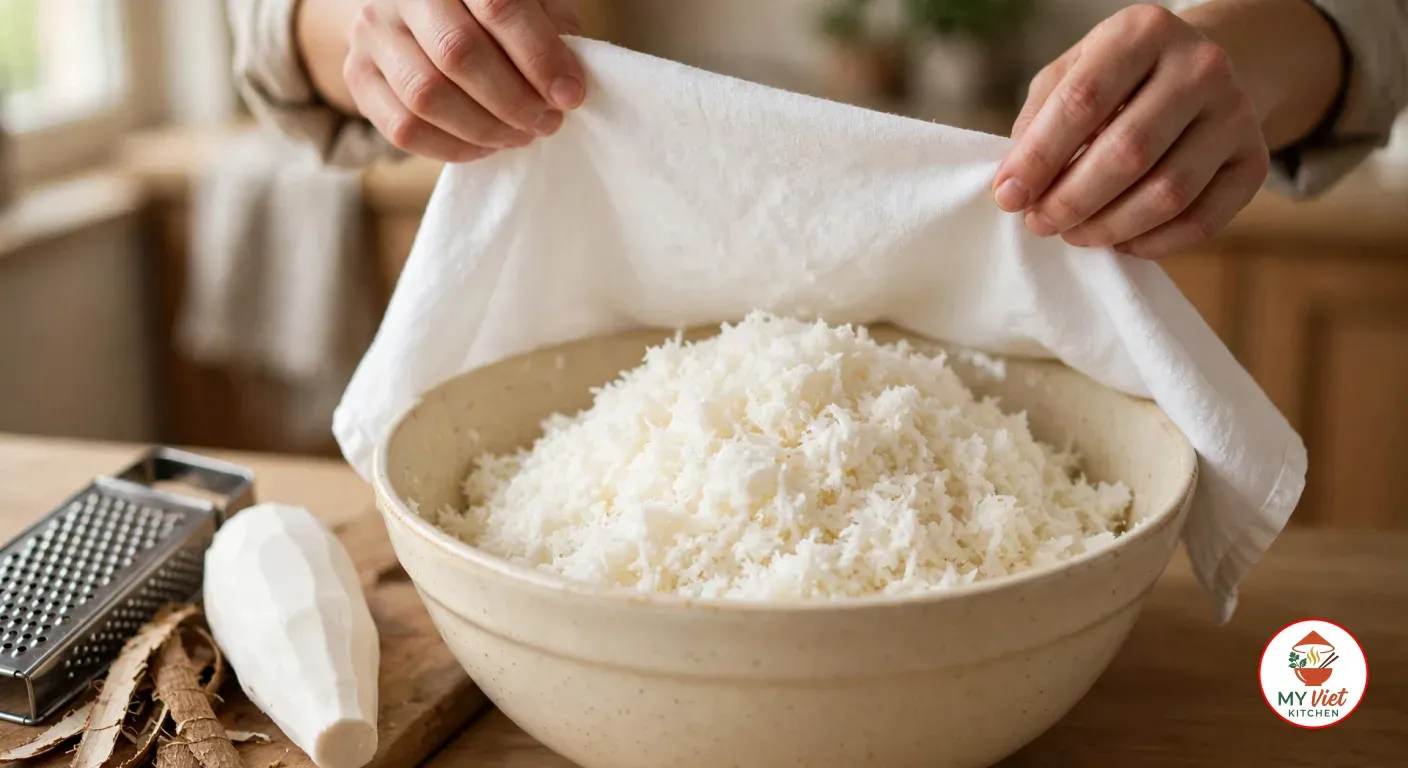
Step 2: Press and Dry the Cassava
2After fermentation, transfer the cassava to a large piece of cheesecloth or a clean cotton towel. Gather the edges and twist tightly to squeeze out as much liquid as possible. This pressing step is critical because the drier your cassava, the lighter and fluffier your attieke will turn out. Indeed, Ivorian cooks often press the cassava under heavy weights for several hours to extract every drop of moisture. At home, you can place the wrapped cassava in a colander, set a heavy pot on top, and let it drain for 30 minutes. After pressing, unwrap the cassava and spread it on a clean tray. Then break up any clumps with your fingers until you have a crumbly, dry mass.
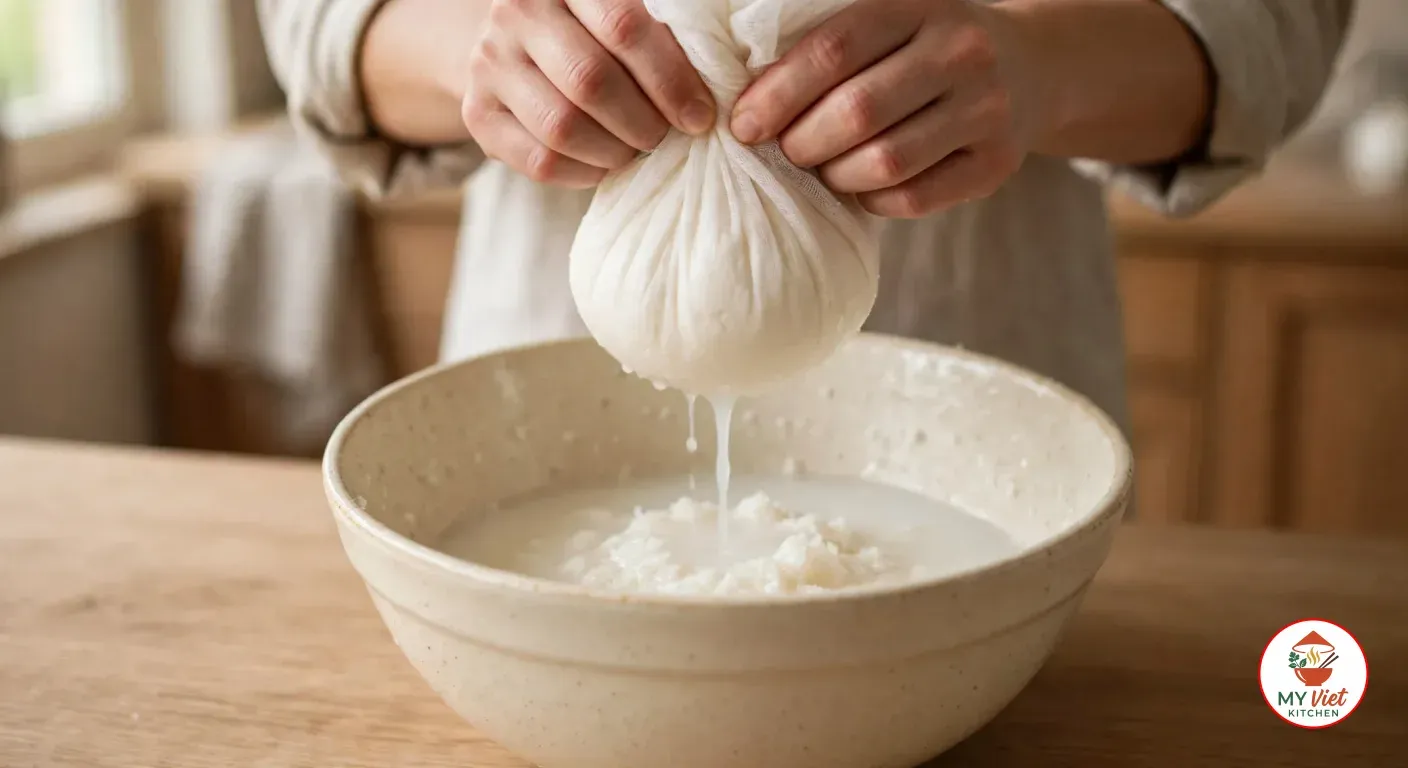
Step 3: Sieve the Cassava into Granules
3Push the pressed cassava through a fine-mesh sieve or colander to create small, uniform granules. Discard any long fibrous strands that do not pass through the mesh. This sieving step gives attieke its characteristic couscous-like texture. Next, add the cassava flour, palm oil, and salt to the sieved granules. Then rub the mixture between your palms in a gentle rolling motion. This coating ensures that every granule stays separate during steaming rather than clumping together. As a result, your finished attieke will have that signature fluffy, loose texture.
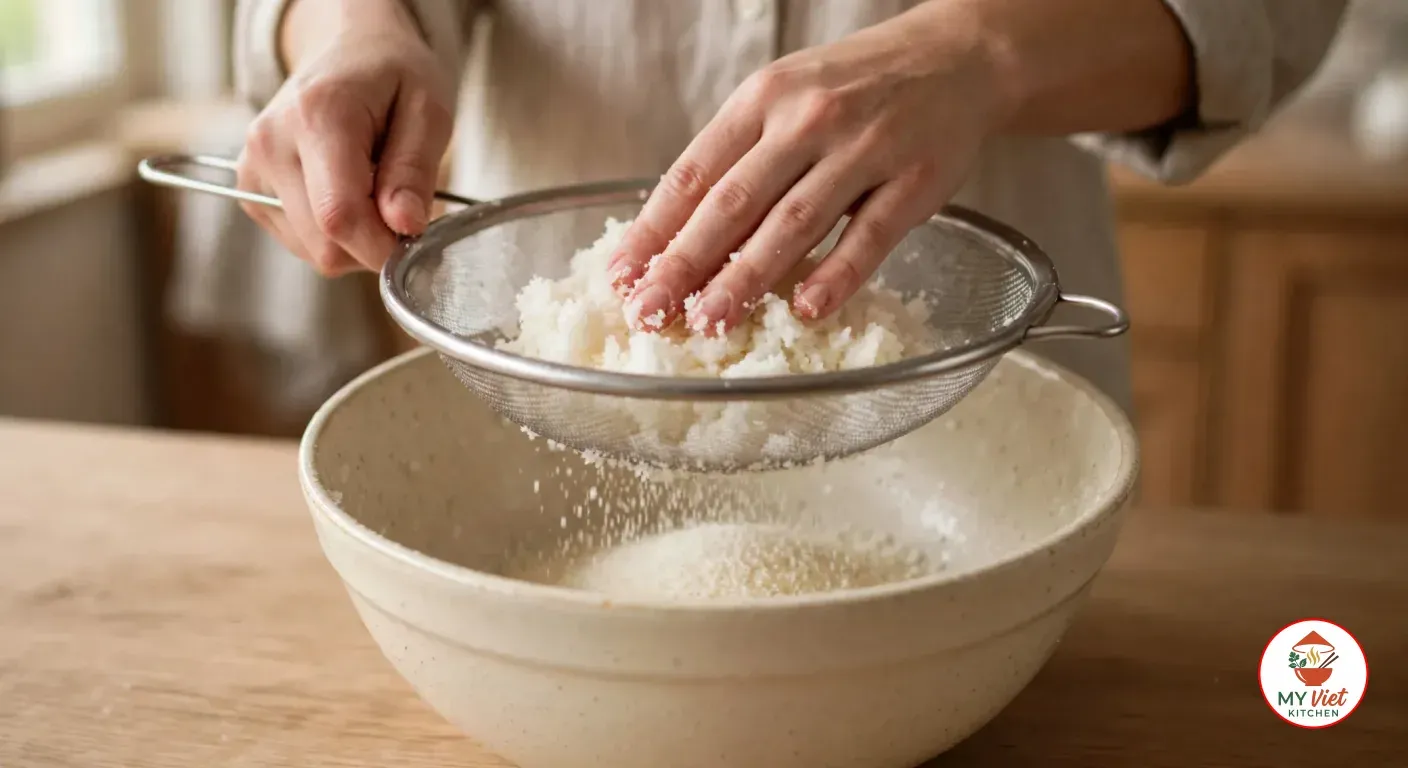
Step 4: Steam the Attieke
4Fill the bottom of a steamer or couscoussier with water and bring it to a rolling boil. Line the steamer basket with cheesecloth if the holes are large. Then spread the cassava granules loosely into the basket without pressing or packing them down. The steam must flow freely through the granules for even cooking. Cover the steamer and cook for 15 to 20 minutes. Halfway through, remove the lid and fluff the attieke with a fork to break up any clumps. Then re-cover and continue steaming. The attieke is ready when the granules look slightly translucent, feel tender when pressed between your fingers, and have a pleasant, fluffy texture.
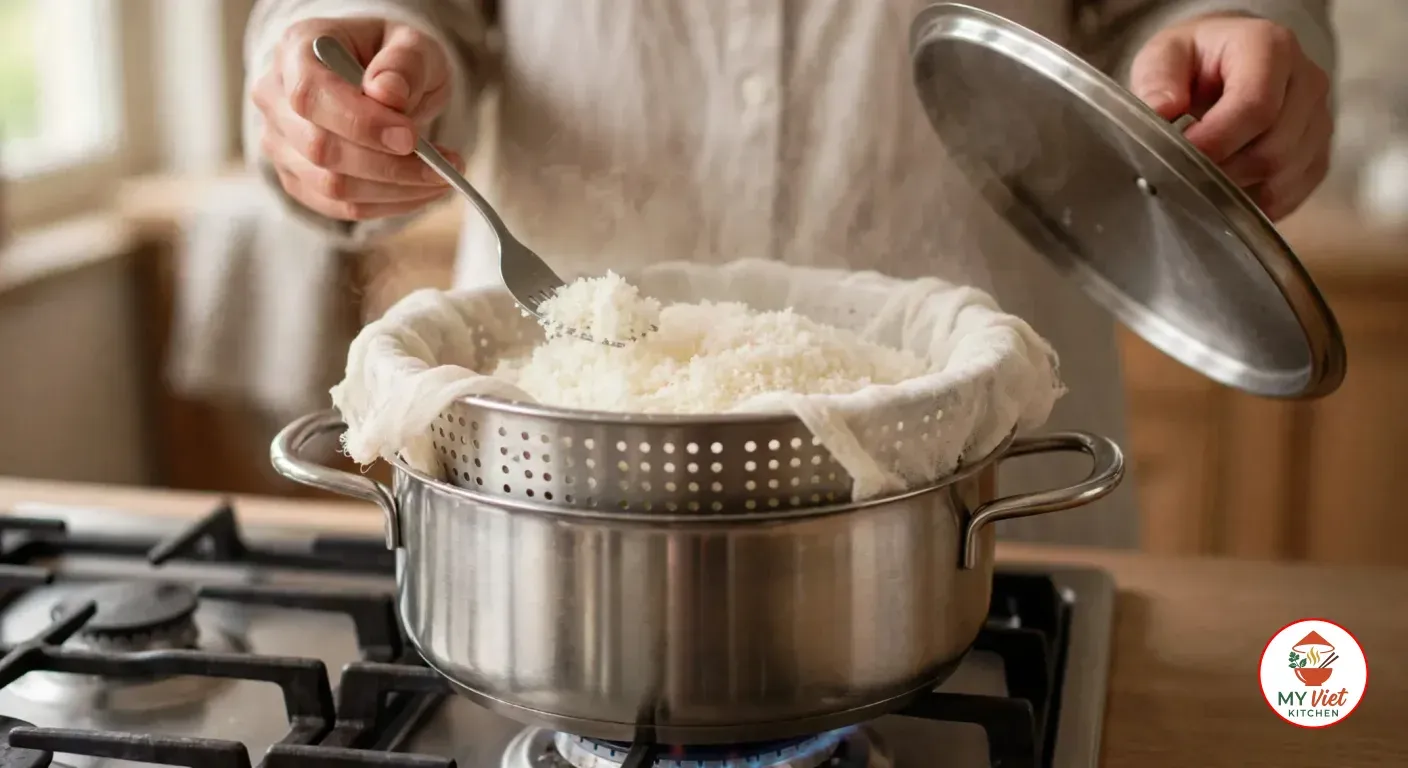
Step 5: Fluff and Serve
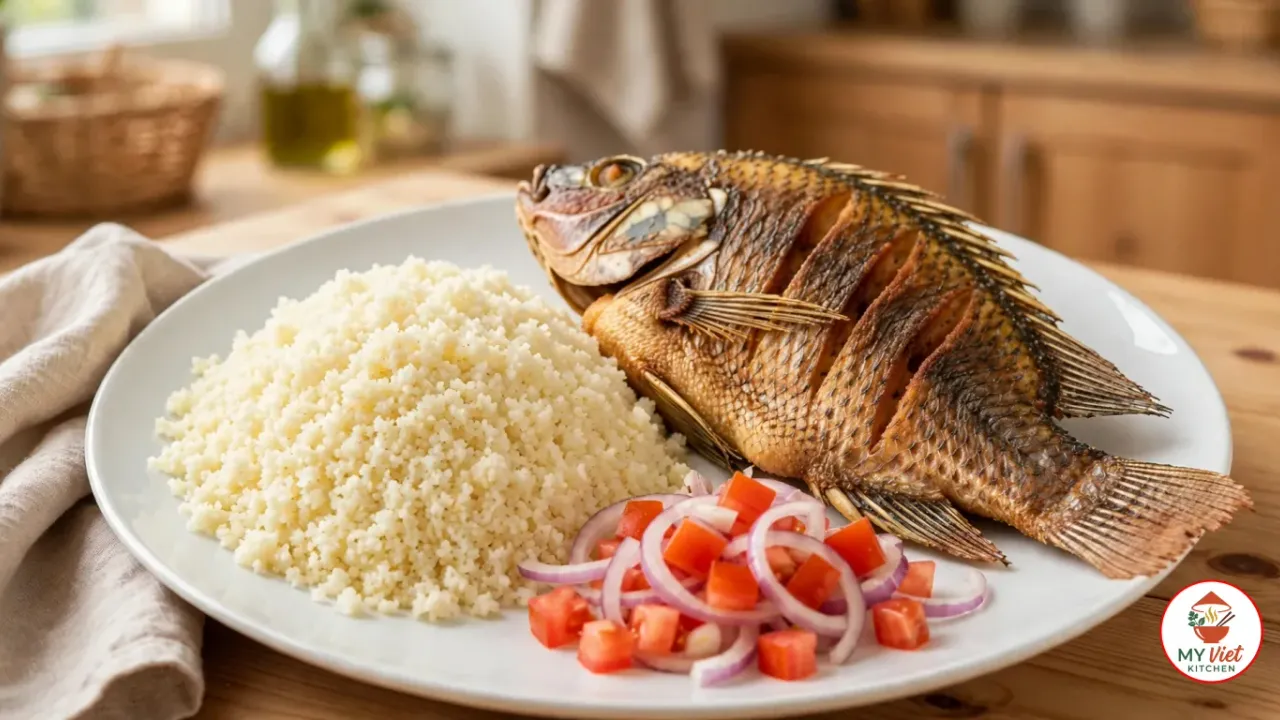
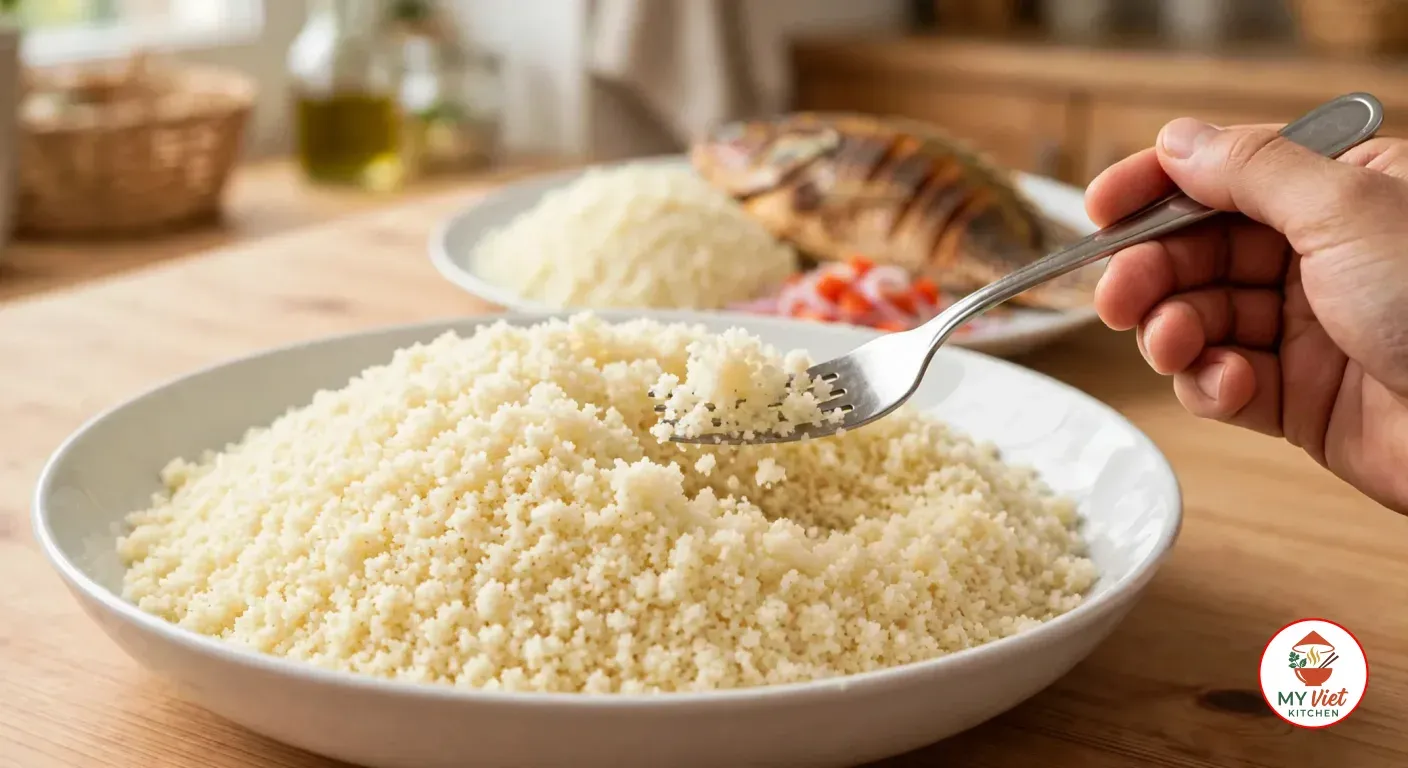
5Transfer the steamed attieke to a wide serving bowl or platter. Drizzle a small amount of oil over the top and fluff vigorously with a fork to separate every granule. Taste and adjust salt if needed. At this point, the attieke should be light, fluffy, and slightly tangy. Serve it warm alongside grilled fish, kedjenou, or braised chicken. For the most traditional presentation, mound the attieke on one side of the plate and place your protein and tomato onion salad on the other side.
Expert Tips for Perfect Attieke
Get the Fermentation Right
Fermentation is the step that transforms ordinary grated cassava into real attieke. If the fermentation is too short, the attieke tastes bland and starchy. If it goes too long, the flavor becomes overly sour and unpleasant. So check your cassava after 24 hours by smelling it. The aroma should be mildly sour, similar to yogurt. In warm climates, 24 hours is usually enough. In cooler kitchens, allow 36 to 48 hours for proper fermentation to develop.
Press Out Every Drop of Moisture
The single most important step for fluffy attieke is removing as much water as possible after fermentation. Wet cassava produces heavy, gummy granules that clump together during steaming. Therefore, squeeze the cheesecloth as hard as you can, and then press it under weights for extra dryness. Ivorian women traditionally use large wooden presses for this step. At home, a heavy Dutch oven placed on top of the wrapped cassava in a colander achieves similar results.
Never Pack the Steamer Basket
When you add the cassava granules to the steamer, spread them loosely and gently. If you pack them tightly, steam cannot circulate and the attieke cooks unevenly. Some parts become mushy while others stay raw. Instead, let the granules sit in a light, airy layer. Also, fluff with a fork halfway through steaming to prevent clumping and ensure even heat distribution.
Attieke vs. Other African Starches
West and Central Africa have many beloved starch side dishes, each with unique preparation methods and textures. Here is how attieke compares to other popular options from the continent.
| Feature | Attieke (Ivory Coast) | Fufu (West Africa) | Couscous (North Africa) |
|---|---|---|---|
| Base Ingredient | Fermented cassava | Pounded cassava, yam, or plantain | Semolina wheat |
| Texture | Light, fluffy, grainy | Smooth, stretchy, dough-like | Light, fluffy, grainy |
| Flavor | Mildly tangy from fermentation | Neutral and starchy | Neutral and wheaty |
| Preparation Time | 2 days (including fermentation) | 30 to 45 minutes | 15 to 20 minutes |
| Gluten-Free | Yes | Yes (if cassava or yam based) | No |
| Best Served With | Grilled fish, kedjenou | Soups and stews | Tagines and grilled meats |
Serving Suggestions
In the Ivory Coast, attieke is the foundation of countless meals throughout the day. Street vendors serve it from large bowls alongside fried fish, and families prepare it at home as the base for elaborate dinners. Here are the most popular ways to enjoy your homemade attieke.
The Perfect Accompaniments:
- Grilled tilapia (attieke poisson): This is the most iconic pairing in Ivorian cuisine. A whole grilled or fried tilapia served next to a mound of attieke with tomato onion salad is considered the national dish. The crispy fish skin contrasts beautifully with the soft, tangy cassava granules.
- Kedjenou (slow-cooked chicken): The rich, waterless sauce from this Ivorian stew soaks into attieke and creates a deeply satisfying combination. Many Ivorians consider this the ultimate comfort food pairing.
- Garba (fried tuna): Affordable fried tuna chunks served over attieke is one of the most popular street foods in Abidjan. The oily, savory fish balances the mild tanginess of the cassava.
- Tomato and onion salad: This simple condiment of diced tomatoes, sliced onions, habanero, oil, and vinegar accompanies nearly every attieke dish. The fresh acidity cuts through rich proteins and adds color to the plate.
Beverage Pairings:
- Bissap (hibiscus tea): This deep red, tart, and refreshing drink is the most popular beverage across West Africa. Its bright acidity pairs perfectly with the mild tang of attieke.
- Gnamankoudji (ginger juice): A spicy, sweet ginger beverage that complements the earthy cassava flavor and aids digestion after a filling meal.
- Bandji (palm wine): For an authentic pairing, this mildly sweet, naturally fermented palm sap pairs with the tanginess of attieke and is a favorite at celebrations.
Storage and Reheating
Refrigerator: Store leftover attieke in an airtight container for up to 3 days. The granules may clump slightly during storage, but a quick fluff with a fork restores the original texture. The tangy flavor remains stable in the refrigerator.
Freezer: Freeze attieke in portion-sized bags for up to 3 months. Spread the granules flat in the bag before sealing to make thawing easier. Thaw overnight in the refrigerator or at room temperature for 2 hours before reheating.
Reheating: Steam the attieke again for 5 to 8 minutes to restore its fluffy texture. You can also microwave it with a damp paper towel on top for 2 minutes. Avoid reheating in a dry pan, because the granules dry out quickly and become hard. Always fluff with a fork after reheating to separate the granules.
Common Mistakes to Avoid
1. Skipping the Fermentation Step
Without fermentation, grated cassava simply tastes starchy and flat. The fermentation develops the tangy flavor that defines real attieke. Furthermore, fermentation breaks down cyanogenic glycosides that naturally occur in raw cassava, so this step also serves an important food safety purpose. If you skip it, the result is neither authentic nor safe. Instead, always ferment for at least 24 hours before continuing with the recipe.
2. Not Pressing the Cassava Dry Enough
Excess moisture is the enemy of good attieke. If the fermented cassava still holds too much water when you sieve and steam it, the granules stick together into a dense, gummy mass. So press the cassava firmly and repeatedly. Use heavy weights on top of the cheesecloth bundle for at least 30 minutes. The cassava should feel crumbly and dry when you unwrap it.
3. Over-Steaming the Granules
Attieke needs only 15 to 20 minutes of steaming. If you cook it longer, the granules absorb too much moisture and turn soft and mushy. Similarly, cooking on excessively high heat can create uneven results. So keep the steam steady and start checking the texture at the 15-minute mark. The granules should feel tender but still hold their individual shape when you press one between your fingers.
Frequently Asked Questions
Can I use tapioca starch instead of cassava to make attieke?
No, tapioca starch will not produce real attieke. Tapioca is a refined starch extracted from cassava, but it lacks the fiber and texture that whole grated cassava provides. Attieke requires the full, grated cassava root to create proper granules. The fermentation process also needs the natural sugars and bacteria present in fresh cassava. So always start with whole cassava roots or frozen cassava pieces for authentic results.
How do I know when the fermentation is complete?
The cassava is ready when it develops a pleasant, mildly sour aroma similar to yogurt or sourdough starter. Additionally, the texture softens slightly and the mixture may produce small bubbles. If the smell turns sharp or unpleasant, the fermentation has gone too far. In that case, the attieke may taste overly sour. Check after 24 hours and then every 6 to 8 hours until the aroma reaches the right balance of tanginess.
What equipment do I need to make attieke at home?
You need a box grater or food processor for grating, cheesecloth for pressing, a fine-mesh sieve for creating granules, and a steamer or pot with a steamer insert for cooking. A couscoussier works perfectly if you have one. You do not need any specialized African cooking tools. Most home kitchens already have everything required to make attieke from scratch.
Is attieke the same as garri?
No, attieke and garri are both made from cassava, but they are different products. Garri is a Nigerian staple made by fermenting, pressing, and then dry-roasting the cassava into crunchy granules. Attieke is steamed instead of roasted, which gives it a softer, fluffier texture. Also, garri has a toasted, nutty flavor while attieke tastes mildly tangy and delicate. Each product plays a different role in West African cuisine.
Variations and Adaptations
Quick Attieke from Store-Bought Dried Attieke:
If you want to skip the two-day process, buy dried attieke from an African grocery store. Place the dried granules in a bowl and sprinkle with a few tablespoons of water. Let them sit for 5 minutes to rehydrate slightly. Then steam for 10 to 12 minutes, fluff with a fork, and add oil and salt. This shortcut delivers authentic flavor in under 20 minutes.
Attieke Salad (Cold Preparation):
In modern Ivorian cuisine, chefs serve attieke cold as a salad base. Steam and cool the attieke completely, then toss it with diced vegetables like cucumbers, bell peppers, and cherry tomatoes. Add a vinaigrette made from lime juice, olive oil, and fresh herbs. This version works wonderfully as a light summer side dish or a gluten-free alternative to tabbouleh.
Attieke with Coconut Milk:
For a richer version, replace part of the steaming water with coconut milk. The coconut infuses the granules with a subtle sweetness and creamy aroma. This variation pairs especially well with spicy grilled shrimp or curry-seasoned fish. Simply add half a cup of coconut milk to the steamer water and proceed with the normal steaming time.
The Cultural Significance of Attieke
Attieke is far more than a side dish in the Ivory Coast. It is a symbol of Ivorian identity and community. In Abidjan, the economic capital, attieke stalls line every major street. Workers, students, and families gather at these stands for affordable, satisfying meals of attieke poisson. Indeed, the dish is so central to daily life that economists use the price of attieke as an informal indicator of food affordability in the country.
The production of attieke also supports thousands of women across the Ivory Coast. In rural areas, women’s cooperatives process cassava into attieke as their primary source of income. These cooperatives have transformed local economies. Meanwhile, the Ivorian government has promoted attieke as an export product, shipping it to West African communities in Europe and North America. As a result, attieke now serves as a cultural bridge that connects the Ivorian diaspora to their homeland.
Moreover, the knowledge of making attieke passes from mother to daughter through hands-on teaching. Young girls learn the precise feeling of properly pressed cassava, the right smell of completed fermentation, and the exact moment the steamed granules reach perfection. This oral and tactile tradition ensures that every generation preserves the techniques that make authentic attieke possible.
Conclusion
Attieke is one of West Africa’s most remarkable foods, and making it from scratch at home is a deeply rewarding experience. The process of fermenting, pressing, sieving, and steaming cassava teaches patience and connects you to centuries of Ivorian culinary tradition. While the preparation takes two days, most of that time is passive fermentation. The actual hands-on work is straightforward, and the fluffy, tangy result is worth every minute of effort.
If you enjoyed this recipe, explore more of our African food collection for dishes from across the continent. Try our kedjenou recipe for the most classic attieke pairing, or discover Ivory Coast alloco for another beloved Ivorian side dish.