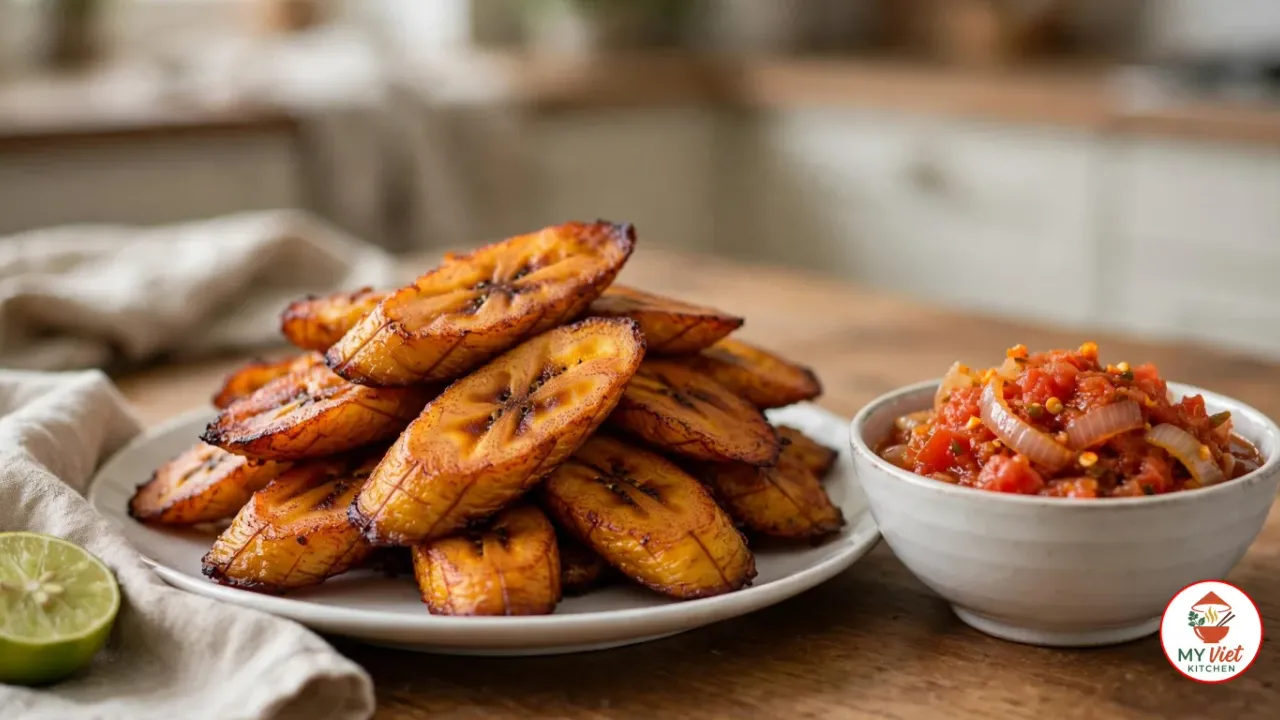
Alloco is the Ivory Coast’s most popular street food, and this beloved snack of golden fried plantains has won hearts across all of West Africa. Made from ripe plantains that are sliced thick, deep-fried until caramelized and crispy, and then served with a fiery tomato and onion sauce, alloco delivers an irresistible combination of sweet, savory, and spicy flavors in every bite. Whether you enjoy it as an afternoon snack, a party appetizer, or a side dish alongside grilled fish, this alloco recipe brings authentic Ivorian flavor to your home kitchen.
Prep Time: 15 minutes | Cook Time: 20 minutes | Servings: 4
Difficulty: Easy | Calories: ~320 per serving
What Makes Alloco Special?
Alloco holds a unique place in Ivorian cuisine because of its simplicity and universal appeal. Unlike many West African dishes that require hours of preparation, alloco comes together in just 35 minutes. The magic lies in the ripeness of the plantains and the quality of the oil. When ripe plantains hit hot oil, the natural sugars caramelize on the surface and create a crispy, golden-brown crust. Meanwhile, the interior stays soft, creamy, and naturally sweet. This contrast between the crunchy exterior and tender interior is what makes alloco so addictive.
In the Ivory Coast, alloco vendors set up their stalls on nearly every street corner in Abidjan and other major cities. The aroma of plantains frying in palm oil fills the air from late afternoon into the evening hours. Vendors serve alloco in paper cones or on plates with a generous pile of spicy tomato onion sauce and sometimes a grilled fish fillet or a hard-boiled egg on the side. According to food historians, alloco emerged as a street food in the 1970s and quickly became the most consumed snack in the country. Today it represents the informal food economy that feeds millions of Ivorians daily.
Beyond its cultural role, alloco appeals to a wide range of dietary preferences. Because plantains are naturally gluten-free and the recipe contains no dairy or wheat, alloco suits people following gluten-free, vegan, or dairy-free diets. Furthermore, plantains are rich in potassium, vitamin A, and dietary fiber. For these reasons, alloco is not only delicious but also a nourishing snack when enjoyed in moderation.

Choosing the Right Plantains for Alloco
The ripeness of your plantains determines the final flavor and texture of your alloco. Since plantains are the star ingredient, selecting the right ones matters more than any other step in this recipe. Here are your options when shopping for plantains.
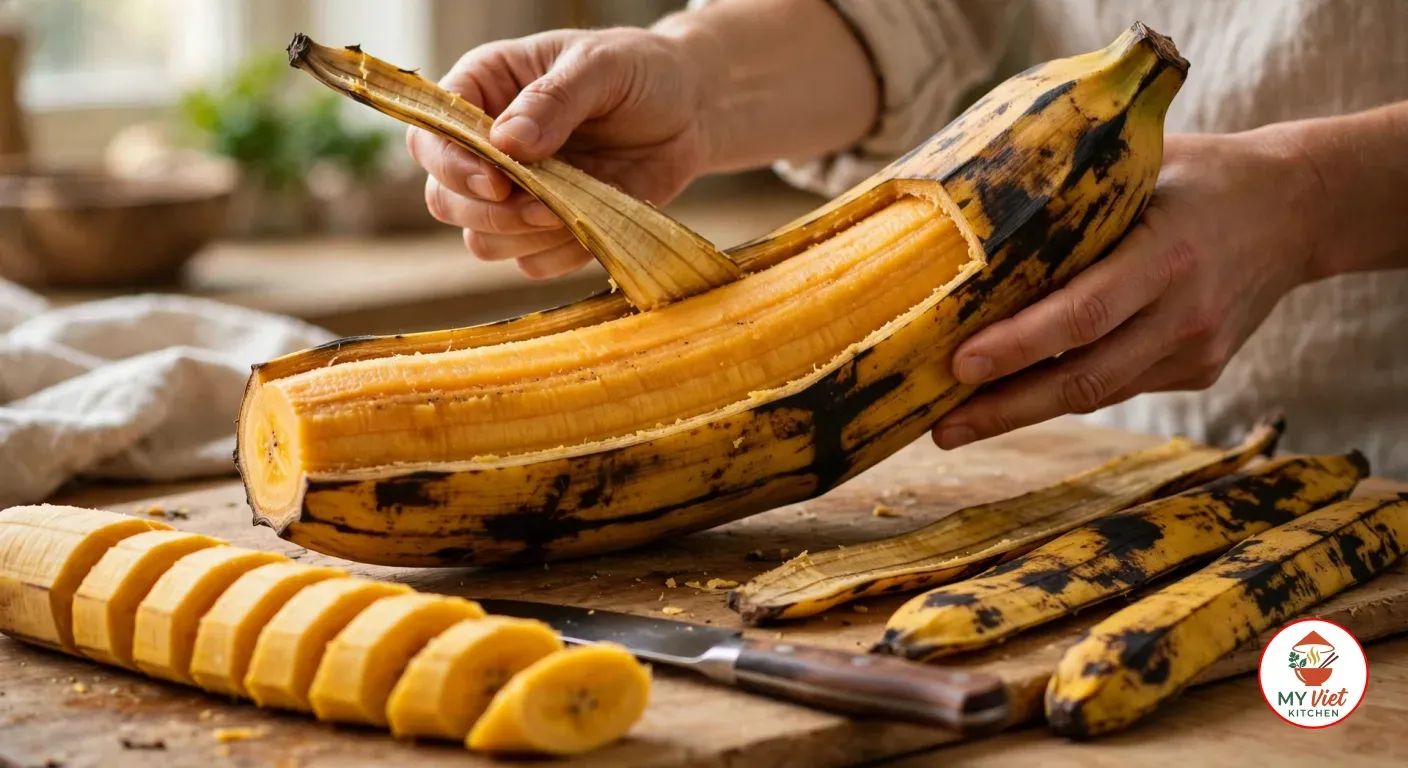
- Yellow with black spots (best choice): Plantains at this stage have developed their full sweetness while still holding enough structure for frying. The natural sugars caramelize beautifully in hot oil, and the slices maintain their shape without falling apart. Look for plantains that give slightly when pressed but are not mushy.
- Mostly black skin: Very ripe plantains are sweeter and softer, which makes them cook faster. They produce a more caramelized, almost candy-like alloco. However, they can be fragile and may break apart if handled roughly during frying. Use these when you prefer a sweeter result.
- Green or half-green plantains (avoid): Unripe plantains are starchy, firm, and lack sweetness. They do not caramelize when fried and produce a result that tastes more like plain fried potatoes. Green plantains are better suited for tostones or chips, not for traditional alloco.
Ingredients for Alloco
Main Ingredients:
- 4 large ripe plantains (yellow with black spots)
- 2 cups vegetable oil or palm oil for deep frying
- 1 teaspoon salt
- 1/2 teaspoon cayenne pepper (optional, for extra heat)
For the Spicy Tomato Onion Sauce:
- 3 large ripe tomatoes, diced
- 2 medium onions, thinly sliced
- 2 habanero peppers, seeded and minced
- 2 tablespoons vegetable oil
- 1 tablespoon white vinegar or lime juice
- Salt to taste
Optional Accompaniments:
- Grilled or fried fish (tilapia or mackerel)
- Hard-boiled eggs
- Fresh chili pepper slices
- Attiéké (cassava couscous) for a complete Ivorian meal
Pro tip: If you want the most authentic alloco experience, use red palm oil instead of vegetable oil. Palm oil gives the plantains a distinctive reddish-orange color and a rich, earthy flavor that is impossible to replicate with neutral oils. You can find palm oil at African grocery stores or online retailers.
Step-by-Step Instructions
Step 1: Select and Peel the Plantains
1Start by choosing ripe plantains with yellow skins that have plenty of black spots. Cut off both ends of each plantain with a sharp knife. Then score the skin lengthwise along each ridge, being careful not to cut into the flesh. Peel the skin away in strips. Next, cut the plantains into diagonal slices about half an inch thick. Diagonal cuts create a larger surface area, which means more crispy edges after frying. If you prefer, you can also cut them into rounds or lengthwise strips, depending on your presentation style.
Step 2: Heat the Oil
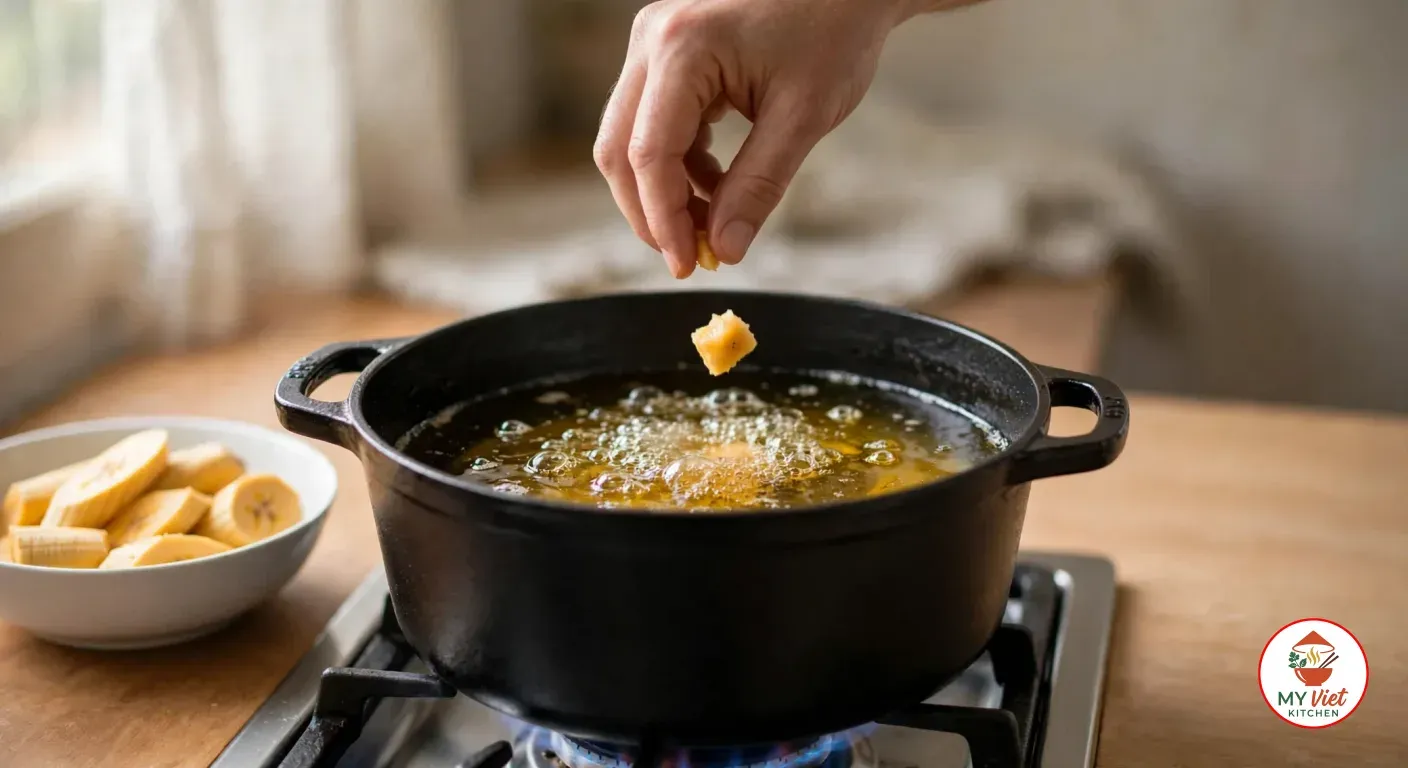
2Pour the vegetable oil or palm oil into a deep, heavy-bottomed pot, Dutch oven, or deep fryer. Heat the oil over medium-high heat until it reaches 350 degrees Fahrenheit (175 degrees Celsius). If you do not have a thermometer, test the oil by dropping in a small piece of plantain. When it sizzles immediately and floats to the surface within a few seconds, the oil is ready. Proper oil temperature is critical for alloco because oil that is too cool produces greasy, soggy plantains, while oil that is too hot burns the outside before the inside cooks through.
Step 3: Fry the Plantain Slices
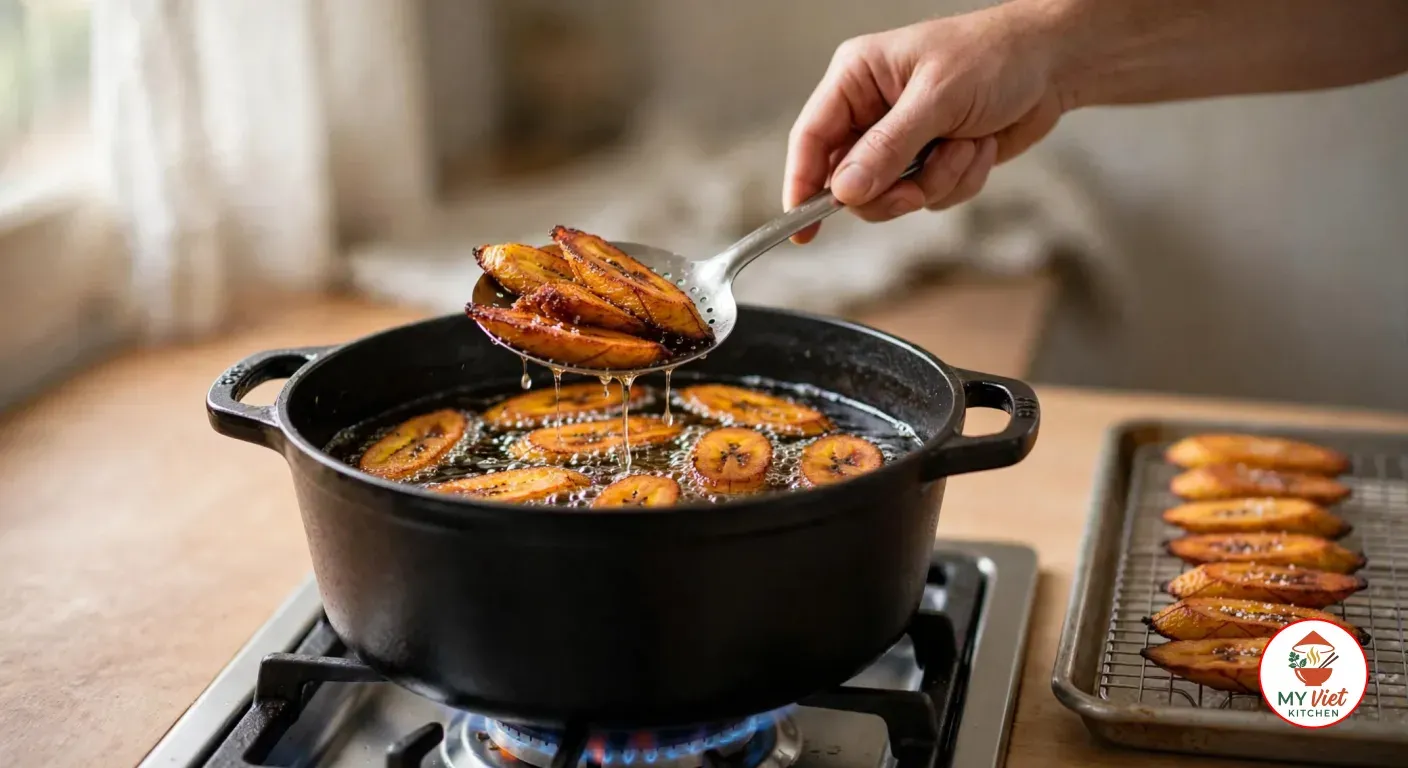
3Carefully lower the plantain slices into the hot oil in small batches of 8 to 10 pieces. Avoid overcrowding the pot because too many plantains at once drop the oil temperature and result in uneven cooking. Fry each batch for 3 to 4 minutes per side, turning once with a slotted spoon or tongs. The alloco is ready when the pieces turn deep golden brown and develop crispy, caramelized edges. Remove the fried plantains with a slotted spoon and place them on a wire rack to drain. Season immediately with salt and optional cayenne pepper while the pieces are still hot so the seasoning sticks to the surface.
Step 4: Prepare the Spicy Tomato Onion Sauce
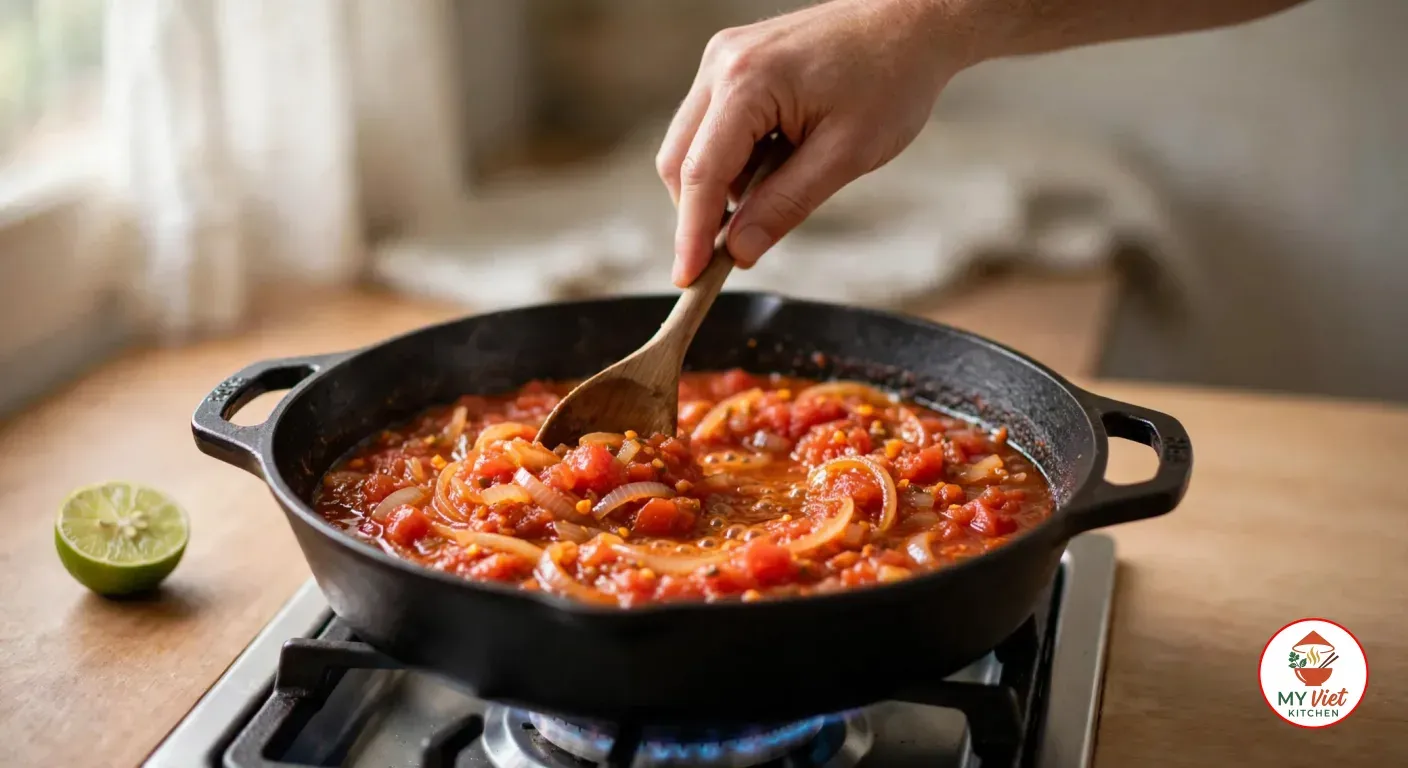
4While the plantains fry, prepare the signature sauce that accompanies alloco. Heat two tablespoons of oil in a separate pan over medium heat. Add the thinly sliced onions and cook for 3 minutes until they soften and turn translucent. Then add the diced tomatoes and minced habanero peppers. Stir everything together and cook for 5 to 7 minutes until the tomatoes break down into a thick, chunky sauce. The habanero peppers add serious heat, so adjust the amount based on your spice tolerance. Finally, season with salt and a splash of vinegar or lime juice. The acid brightens the sauce and balances the sweetness of the fried plantains.
Step 5: Serve the Alloco
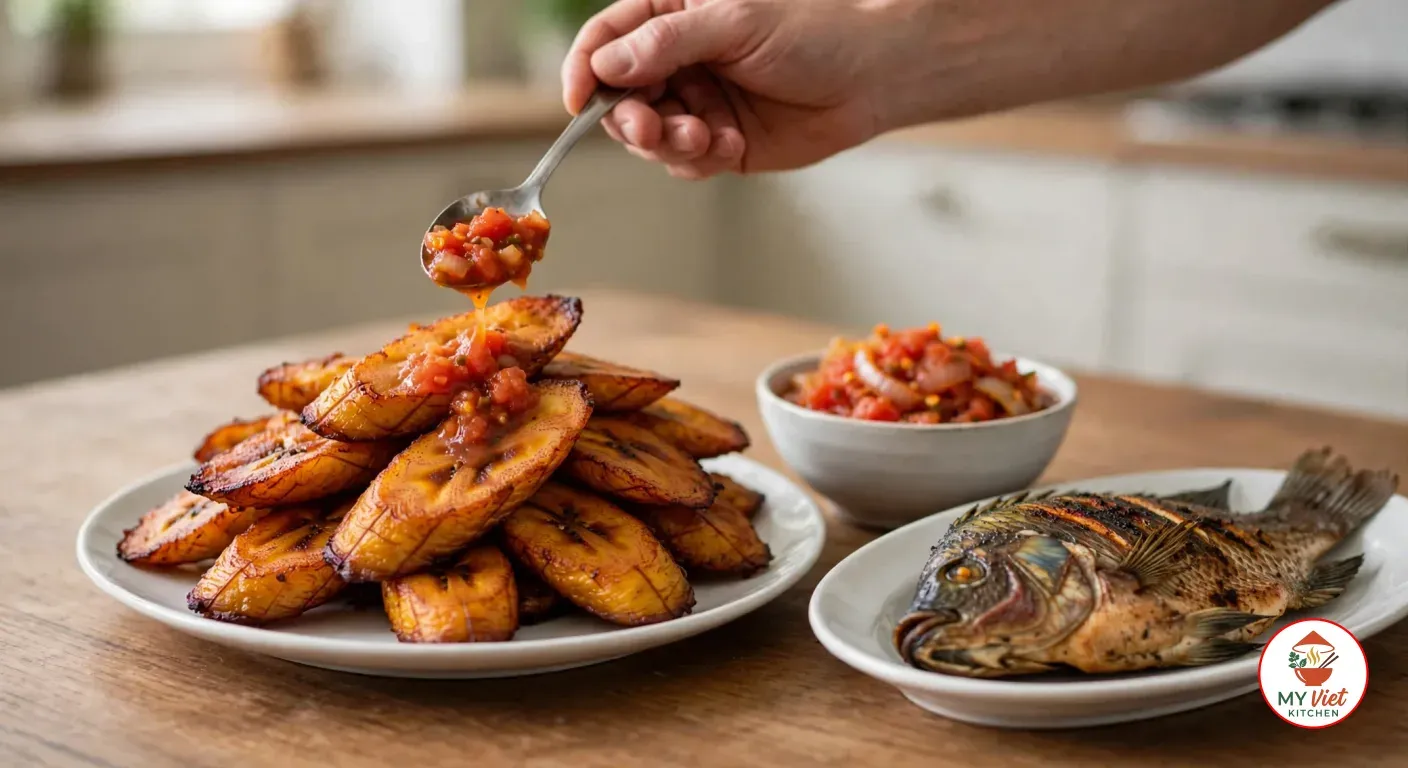
5Arrange the golden fried plantain slices on a serving plate or in a bowl. Spoon the warm spicy tomato onion sauce generously over the top, or serve it on the side as a dipping sauce. For the most traditional Ivorian presentation, add a grilled fish fillet or hard-boiled egg alongside the alloco. Serve immediately while the plantains are still hot and crispy. Alloco tastes best when eaten fresh from the fryer, so bring it straight to the table for the crunchiest experience.
Expert Tips for Perfect Alloco
Control the Oil Temperature
Maintaining steady oil temperature at 350 degrees Fahrenheit is the most important factor for crispy alloco. If the oil drops below 325 degrees, the plantains absorb excess oil and turn greasy. If it climbs above 375 degrees, the outside burns while the inside stays raw. So use a deep-fry thermometer and adjust your burner between batches. After removing one batch, let the oil come back to temperature for at least 30 seconds before adding the next batch.
Fry in Small Batches
Overcrowding the pot is the most common mistake when making alloco at home. Too many plantain slices at once cause the oil temperature to drop dramatically, which leads to soggy, oil-saturated results. Instead, fry only 8 to 10 slices at a time, depending on the size of your pot. This approach takes a few extra minutes but produces alloco that is consistently golden and crispy on every piece.
Season While Hot
Always season your alloco with salt and spices immediately after removing the pieces from the oil. The residual heat and surface moisture help the seasoning stick to the plantains. If you wait until the alloco cools down, the salt simply falls off and the pieces taste bland. For best results, have your seasonings measured and ready before you start frying.
Alloco vs. Other Fried Plantain Dishes
Fried plantains appear in many cuisines around the world, but each culture prepares them differently. Here is how Ivorian alloco compares to other popular fried plantain dishes from across the globe.
| Feature | Alloco (Ivory Coast) | Kelewele (Ghana) | Tostones (Caribbean) |
|---|---|---|---|
| Plantain Ripeness | Ripe (yellow-black) | Ripe (yellow-black) | Green (unripe) |
| Seasoning Method | Plain, sauce served separately | Marinated in ginger and spices | Salted after smashing and frying |
| Texture | Crispy outside, soft and sweet inside | Crispy with embedded spices | Crunchy and starchy throughout |
| Flavor Profile | Sweet and caramelized | Spicy, gingery, sweet | Savory and neutral |
| Typical Accompaniment | Spicy tomato onion sauce | Roasted peanuts | Garlic mojo sauce |
| Frying Method | Single deep fry | Single deep fry | Double fry (fry, smash, fry again) |
Serving Suggestions
In the Ivory Coast, alloco appears at street stalls, family gatherings, and casual restaurants throughout the day. The versatility of this dish means you can serve it as a standalone snack, a side dish, or part of a larger spread. Here are the most popular ways to enjoy your homemade alloco.
The Perfect Accompaniments:
- Grilled tilapia or mackerel: A whole grilled fish served beside a plate of alloco is one of the most common street food combinations in Abidjan. The smoky, savory fish contrasts perfectly with the sweet, crispy plantains and spicy sauce.
- Hard-boiled eggs: Many alloco vendors offer eggs as a protein addition. The mild, creamy egg provides a cooling contrast to the spicy tomato sauce and adds substance to the snack.
- Attieke (cassava couscous): For a complete Ivorian meal, serve alloco alongside attieke and grilled meat. The tangy, fluffy cassava couscous complements the sweet fried plantains beautifully.
- Kedjenou (slow-cooked chicken): The rich sauce from this Ivorian stew pairs wonderfully with crispy alloco. Dip the plantain slices into the kedjenou sauce for an incredible flavor combination.
Beverage Pairings:
- Bissap (hibiscus tea): This tart, refreshing West African drink cuts through the richness of fried plantains and cleanses the palate between bites.
- Gnamankoudji (ginger juice): A spicy, sweet ginger beverage that complements the caramelized sweetness of alloco and aids digestion after a filling snack.
- Fresh coconut water: The light sweetness and hydrating quality of coconut water balance the oil and salt in alloco, making it a popular pairing at beach-side stalls.
Storage and Reheating
Refrigerator: Store leftover alloco in an airtight container for up to 2 days. The plantains lose their crispiness in the refrigerator, but reheating restores much of the texture. Keep the sauce in a separate container to prevent the plantains from becoming soggy.
Freezer: Freeze fried alloco in a single layer on a baking sheet first, then transfer to freezer bags for up to 2 months. This flash-freezing method prevents the pieces from sticking together. Thaw at room temperature for 15 minutes before reheating.
Reheating: The best way to reheat alloco is in a hot oven at 400 degrees Fahrenheit for 8 to 10 minutes on a wire rack. This method restores the crispy exterior without adding more oil. You can also re-fry the pieces briefly in hot oil for 1 to 2 minutes. Avoid microwaving because it makes the plantains rubbery and soft.
Common Mistakes to Avoid
1. Using Unripe Plantains
Green plantains lack the natural sugars needed for caramelization. If you fry unripe plantains, the result tastes starchy and bland rather than sweet and golden. So always wait until your plantains develop a yellow skin with black spots. If you bought green plantains, leave them at room temperature for 4 to 7 days until they ripen. Placing them in a paper bag with a banana speeds up the ripening process.
2. Overcrowding the Frying Pot
Adding too many plantain slices at once is the quickest way to ruin a batch of alloco. Overcrowding drops the oil temperature rapidly, which means the plantains absorb oil instead of crisping up. The result is greasy, heavy pieces that lack the golden crunch. Instead, fry in small batches and give each piece enough space to float freely in the oil.
3. Cutting the Slices Too Thin
Very thin plantain slices cook too quickly and become hard, dry chips instead of the soft-centered alloco that defines this dish. Aim for slices about half an inch thick, which gives you the ideal ratio of crispy exterior to creamy interior. Consistent thickness across all slices also ensures even cooking so you do not end up with some pieces overcooked and others still raw in the center.
Frequently Asked Questions
Can I make alloco in an air fryer?
Yes, an air fryer works well for a lighter version of alloco. Brush the plantain slices with a small amount of oil on both sides and arrange them in a single layer in the air fryer basket. Cook at 375 degrees Fahrenheit for 12 to 15 minutes, flipping once halfway through. The result is less crispy than deep-fried alloco, but it uses far less oil and still delivers good flavor. However, the caramelization will not be as deep or even as the traditional method.
How spicy is the tomato onion sauce?
The heat level depends entirely on how many habanero peppers you use and whether you include the seeds. Two seeded habaneros produce a medium-hot sauce that most adults can enjoy comfortably. For a milder version, use only one habanero or substitute a milder pepper like a Scotch bonnet or jalapeño. For extra heat, leave some or all of the seeds in the habaneros. You control the spice level, so adjust to your personal preference.
Can I reuse the frying oil after making alloco?
Yes, you can reuse the oil one or two more times if you strain it properly. After the oil cools completely, pour it through a fine-mesh strainer or cheesecloth into a clean container. Store it in a cool, dark place and use it within a week. Discard the oil if it darkens significantly, smells off, or starts to foam when heated. Reusing oil too many times produces an unpleasant flavor and may create harmful compounds.
What can I substitute for plantains?
If you cannot find plantains, ripe but firm bananas are the closest substitute, though the flavor and texture will differ. Bananas are softer and sweeter, so they fry more quickly and may fall apart. Sweet potatoes cut into thick slices also work as an alternative and pair well with the spicy tomato onion sauce. However, for true alloco, plantains are the only ingredient that delivers the authentic taste and texture.
Variations and Adaptations
Baked Alloco (Healthier Version):
For a lighter take on this classic, toss the plantain slices in two tablespoons of oil and spread them in a single layer on a parchment-lined baking sheet. Bake at 400 degrees Fahrenheit for 20 to 25 minutes, flipping once at the halfway mark. The baked version has fewer calories and less fat while still delivering the sweet, caramelized flavor that makes alloco so appealing. Serve with the same spicy tomato onion sauce for a complete dish.
Spiced Alloco (Seasoned Before Frying):
For a twist inspired by Ghanaian kelewele, toss the plantain slices in a mixture of grated ginger, cayenne pepper, garlic powder, and a pinch of nutmeg before frying. This variation infuses the seasoning directly into each piece rather than relying solely on an external sauce. The result is a more complex flavor profile that works well as a party appetizer.
Alloco with Peanut Sauce:
Replace the tomato onion sauce with a creamy peanut dipping sauce for a different flavor experience. Blend together roasted peanuts, garlic, lime juice, a splash of soy sauce, and enough water to reach a dipping consistency. The nutty richness of the peanut sauce pairs beautifully with the sweet fried plantains and adds protein to the snack. This fusion variation draws inspiration from both Ivorian and Senegalese flavors.
The Cultural Significance of Alloco
Alloco is far more than a fried snack in the Ivory Coast. It represents the heartbeat of Ivorian street food culture and the entrepreneurial spirit of thousands of women who run alloco stalls across the country. In Abidjan, the economic capital, alloco vendors known as “allocodrome” operators set up small roadside kitchens that serve as social gathering spots for neighborhoods. People from all backgrounds, from students and taxi drivers to business professionals, stop at these stalls for a quick, affordable, and satisfying meal.
The alloco trade also plays a significant role in the informal economy. Many Ivorian women support their families through alloco sales, and the business requires minimal startup capital. A vendor needs only plantains, oil, a pot, and a heat source to begin. This accessibility has turned alloco into a symbol of female entrepreneurship and economic independence in the Ivory Coast. Moreover, the government has recognized the cultural and economic importance of alloco by including it in food safety training programs designed to improve street food standards nationwide.
Additionally, alloco serves as a social equalizer in Ivorian society. Whether you eat it at a five-star restaurant or from a street vendor’s paper cone, the dish tastes the same. This democratic quality has made alloco a source of national pride, and Ivorians who live abroad often cite it as the food they miss most from home. As a result, alloco has traveled with the Ivorian diaspora to cities in Europe, North America, and beyond, where it continues to bring communities together around a shared love of crispy, golden fried plantains.
Conclusion
Alloco is one of West Africa’s most irresistible snacks, and making it at home brings the vibrant flavors of Ivorian street food directly to your kitchen. The recipe is beautifully simple: ripe plantains, hot oil, and a fiery tomato onion sauce are all you need. By choosing properly ripened plantains, maintaining the right oil temperature, and frying in small batches, you can achieve that perfect combination of crispy golden exterior and soft, sweet interior that defines authentic alloco.
If you enjoyed this recipe, explore more of our African food collection for dishes from across the continent. Try our attieke recipe for the classic Ivorian cassava couscous side dish, or discover kedjenou for a rich Ivorian chicken stew that pairs beautifully with alloco.