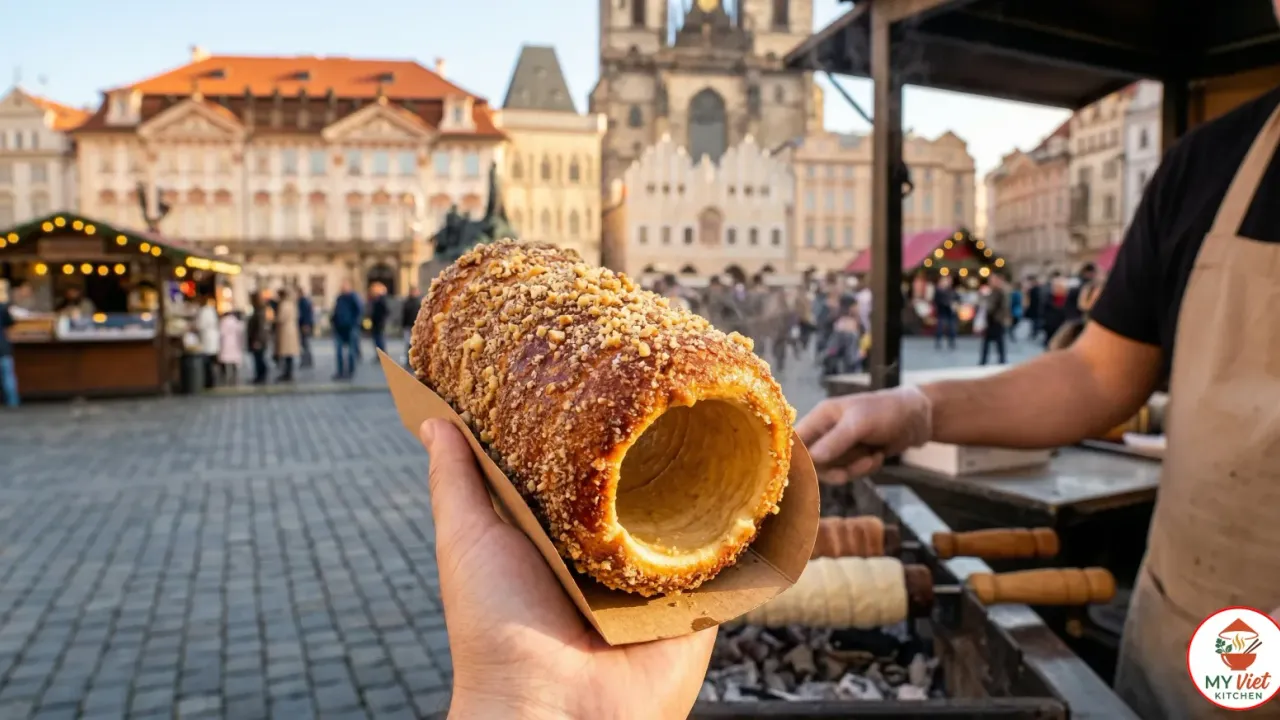
Trdelnik is the iconic Czech chimney cake that fills the streets of Prague with the irresistible aroma of caramelized cinnamon sugar, and this recipe shows you how to make it at home without any special equipment. Also known as trdlo, this sweet pastry features a strip of yeasted dough wound around a cylinder, baked until the sugar coating turns into a golden, crackling shell while the inside stays soft and pillowy. This trdelnik recipe follows the traditional Central European technique that has been perfected over centuries. Whether you enjoy it plain with its classic walnut-cinnamon crust or fill the hollow center with whipped cream and berries, every bite delivers that addictive contrast of crunchy caramel outside and warm, tender dough within.
Prep Time: 30 minutes | Cook Time: 20 minutes | Servings: 8
Difficulty: Medium | Calories: ~320 per serving
What Makes Trdelnik Special?
Trdelnik stands apart from other sweet breads because of how it cooks. You do not shape the dough into a loaf or roll. Instead, you wind a rope of sweet dough around a mold and roast it over heat. As a result, the outside turns into a crackly sugar crust while the hollow center stays airy and soft. No other pastry in Europe gives you this exact mix of textures. That is why trdelnik has become one of the most snapped street foods in the world.
The history of this chimney cake goes back to the Skalica region of Slovakia and to rural Transylvania. From there, it moved through the Austro-Hungarian Empire and found a home in Czech culture. Today, walk down any tourist street in Prague and you will see vendors turning molds over charcoal grills. They coat each cake in sugar and walnuts while crowds line up for a taste. However, the best trdelnik comes from small bakeries that use real butter and let the dough rise slowly for deep flavor.
Moreover, trdelnik is a treat for all your senses, not just taste. The sugar cracks as you tear off the first piece. Warm dough fills your hands with heat. Then the scent of toasted cinnamon and walnuts hits before you even take a bite. Because the center is hollow, each piece feels light despite all the butter and sugar. In the end, trdelnik proves that bread, butter, sugar, and spice are all you need to make something truly special.

Choosing the Right Flour for Trdelnik
The flour you pick shapes how soft the dough turns out and how well it wraps around the mold. Czech bakers use a flour with moderate protein. Here are your best options for making trdelnik at home.
- All-purpose flour (best choice): This flour has 10 to 12 percent protein, which gives you the right mix of structure and softness. The dough holds its shape on the mold yet stays tender inside after baking. It is the closest match to what Czech bakers use for trdelnik.
- Bread flour: More protein makes the dough chewy and stretchy. It wraps around the mold well, but the baked trdelnik can feel a bit tough. If this is all you have, swap a quarter of it with cake flour to soften the crumb.
- Cake flour: Too soft on its own for trdelnik. Low protein makes a fragile dough that tears when you wrap it. However, adding a small amount to all-purpose flour gives you a very tender crumb. Use no more than a quarter cup per batch.
Ingredients for Trdelnik
Main Dough Ingredients:
- 3 1/2 cups all-purpose flour
- 1/4 cup granulated sugar
- 2 1/4 teaspoons instant yeast (one standard packet)
- 1/2 teaspoon salt
- 3/4 cup whole milk, lukewarm (about 110 degrees Fahrenheit)
- 2 large egg yolks
- 1/4 cup unsalted butter, softened to room temperature
- 1 teaspoon vanilla extract
- 1 tablespoon rum or rum extract (optional but traditional)
For the Cinnamon-Sugar-Walnut Coating:
- 1/2 cup granulated sugar
- 2 teaspoons ground cinnamon
- 1/2 cup finely crushed walnuts
- 3 tablespoons unsalted butter, melted, for brushing
Optional Toppings and Fillings:
- Nutella or chocolate hazelnut spread
- Whipped cream
- Fresh berries (strawberries, raspberries, blueberries)
- Vanilla ice cream
- Powdered sugar for dusting
Pro tip: Add a tablespoon of rum to the dough. Traditional Czech trdelnik always includes rum, which adds a subtle warmth and depth that plain vanilla alone cannot achieve. The alcohol bakes off during cooking, so only the rich, aromatic flavor remains in the finished cake.
Step-by-Step Instructions
Step 1: Make the Dough
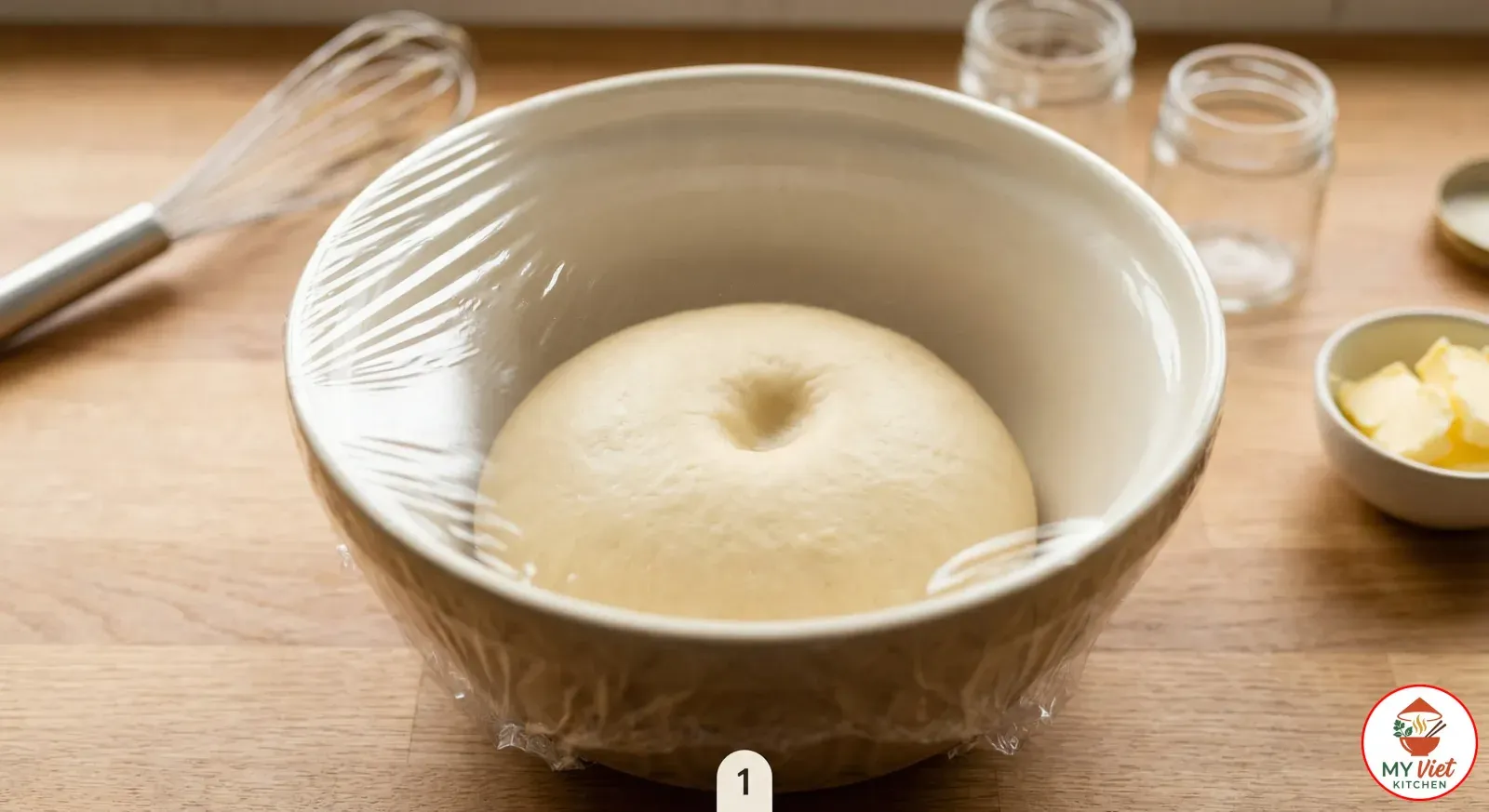
1 First, combine the flour, sugar, yeast, and salt in a large mixing bowl and stir them together. In a separate bowl, whisk the lukewarm milk with the egg yolks, vanilla extract, and rum. Pour the wet mixture into the dry ingredients and stir until a shaggy dough forms. Then add the softened butter in small pieces and knead the dough for 8 to 10 minutes until it becomes smooth, elastic, and slightly tacky.
The dough should pull away from the bowl and feel soft when you press it. If it sticks to your hands, add flour one spoon at a time. If it feels stiff, add milk one teaspoon at a time. Cover the bowl with plastic wrap and let it rise in a warm spot for 60 to 90 minutes until it doubles. This long rise builds flavor and gives good trdelnik its light, airy feel.
Step 2: Prepare the Coating
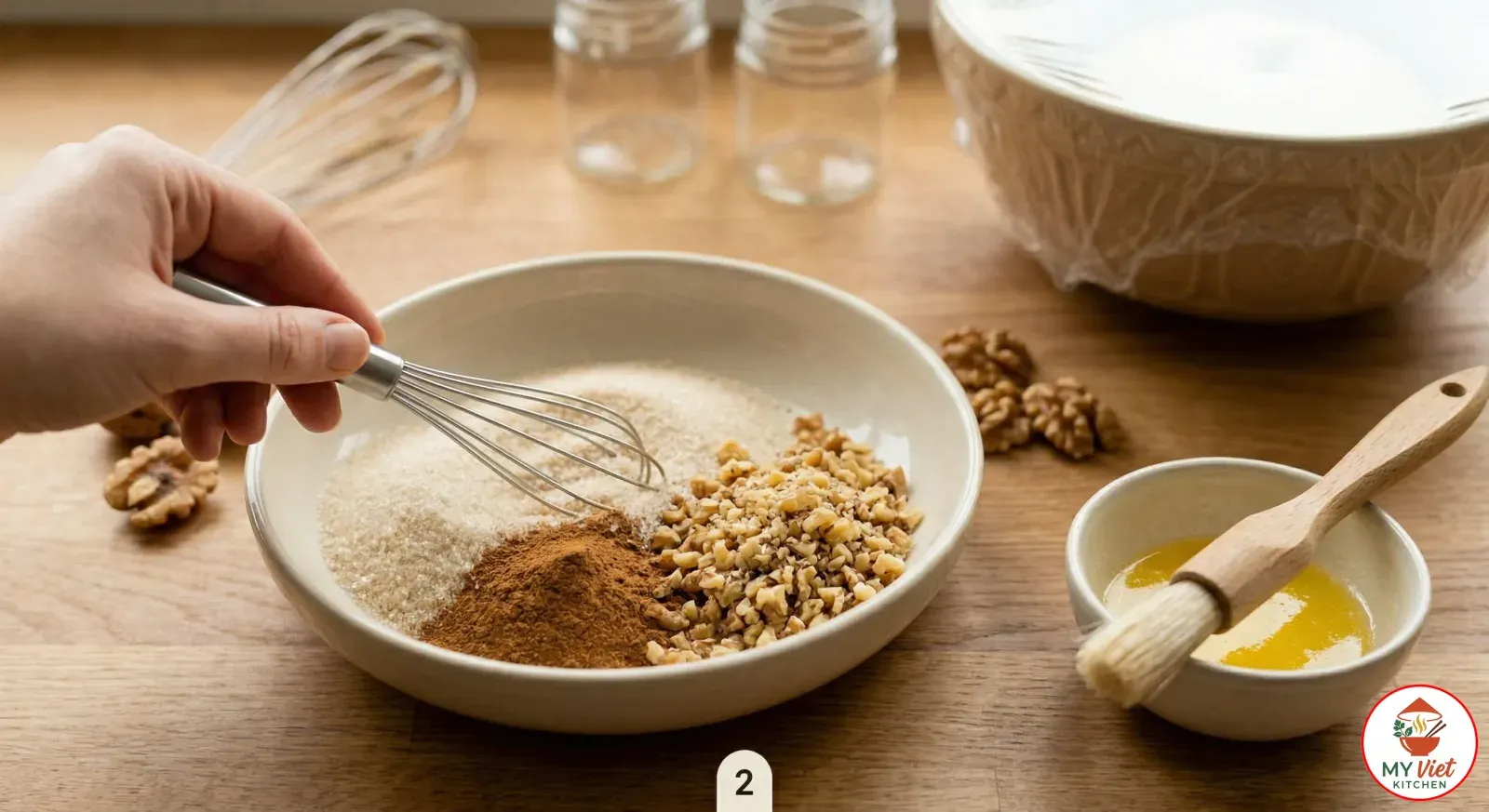
2 While the dough rises, prepare the cinnamon-sugar-walnut coating. Mix the granulated sugar and ground cinnamon in a shallow dish wide enough to roll a mold in. Then crush the walnuts finely, either by pulsing them in a food processor or placing them in a bag and rolling over them with a rolling pin. Add the crushed walnuts to the sugar mixture and toss until everything is evenly combined.
Melt the butter for brushing and set it near your work area with the coating mix. Get everything ready before you start shaping, because the dough dries out fast once you roll it thin. Some Czech bakers add a pinch of nutmeg or vanilla sugar to the coating for extra warmth. These small touches make a real difference in the final scent.
Step 3: Shape the Dough Around Molds
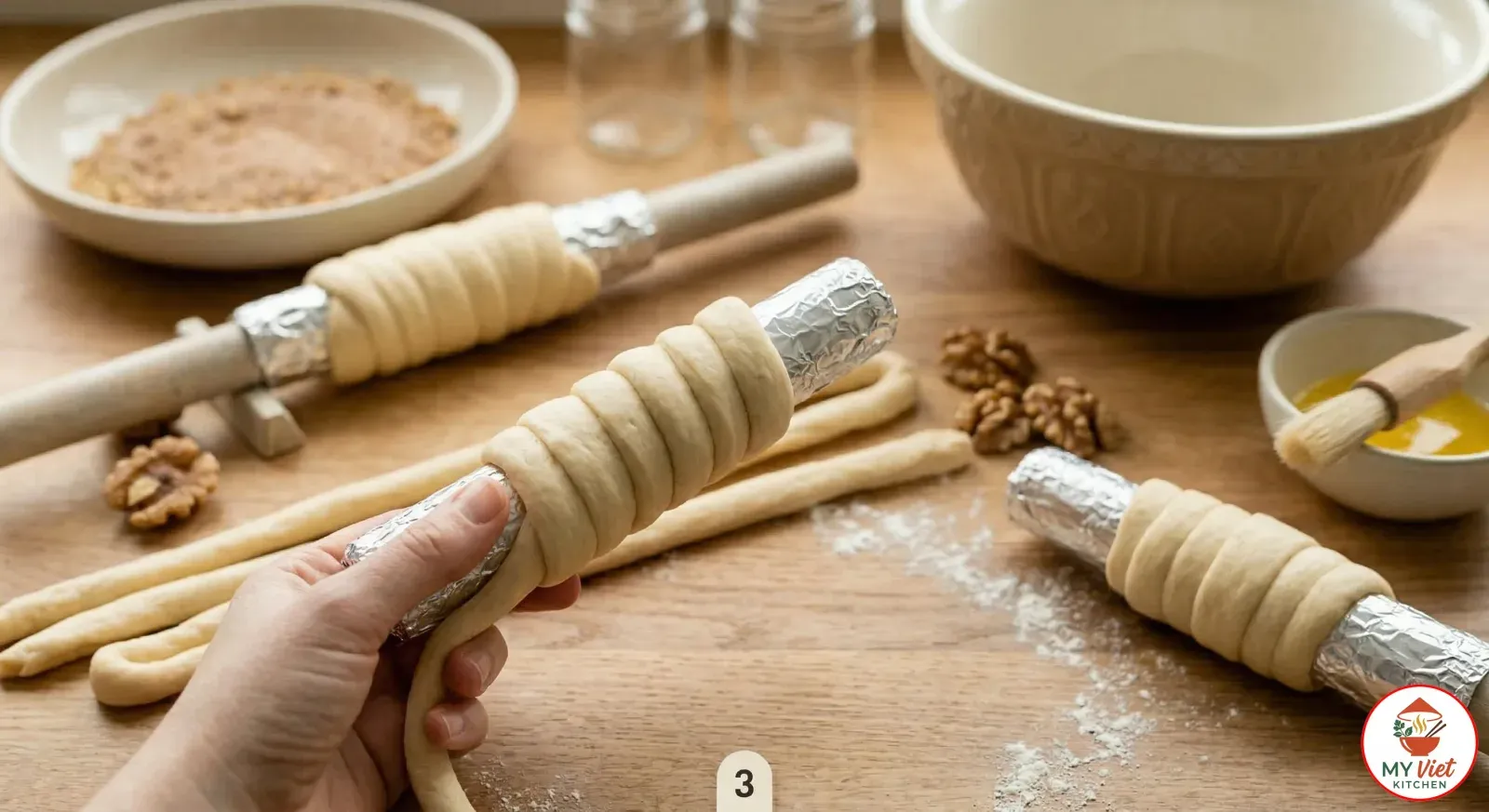
3 Punch down the risen dough gently to release the gas. Then divide it into 8 equal pieces, each weighing roughly 3 ounces. Roll each piece on a lightly floured surface into a long rope about 24 inches long and half an inch thick. Keep the thickness as even as possible along the entire length so the dough bakes at the same rate everywhere.
Next, grease your molds well with butter or cooking spray. Start at one end, press the dough rope to anchor it, and wind it in a tight spiral. Overlap each wrap by about a quarter inch so the strips seal as they bake. Press the end firmly to stop it from coming loose. If you lack trdelnik molds, wooden dowels wrapped in foil work great. Even clean soda cans with the tops cut off make fine molds for small portions.
Step 4: Brush and Coat with Cinnamon-Sugar-Walnut Mixture
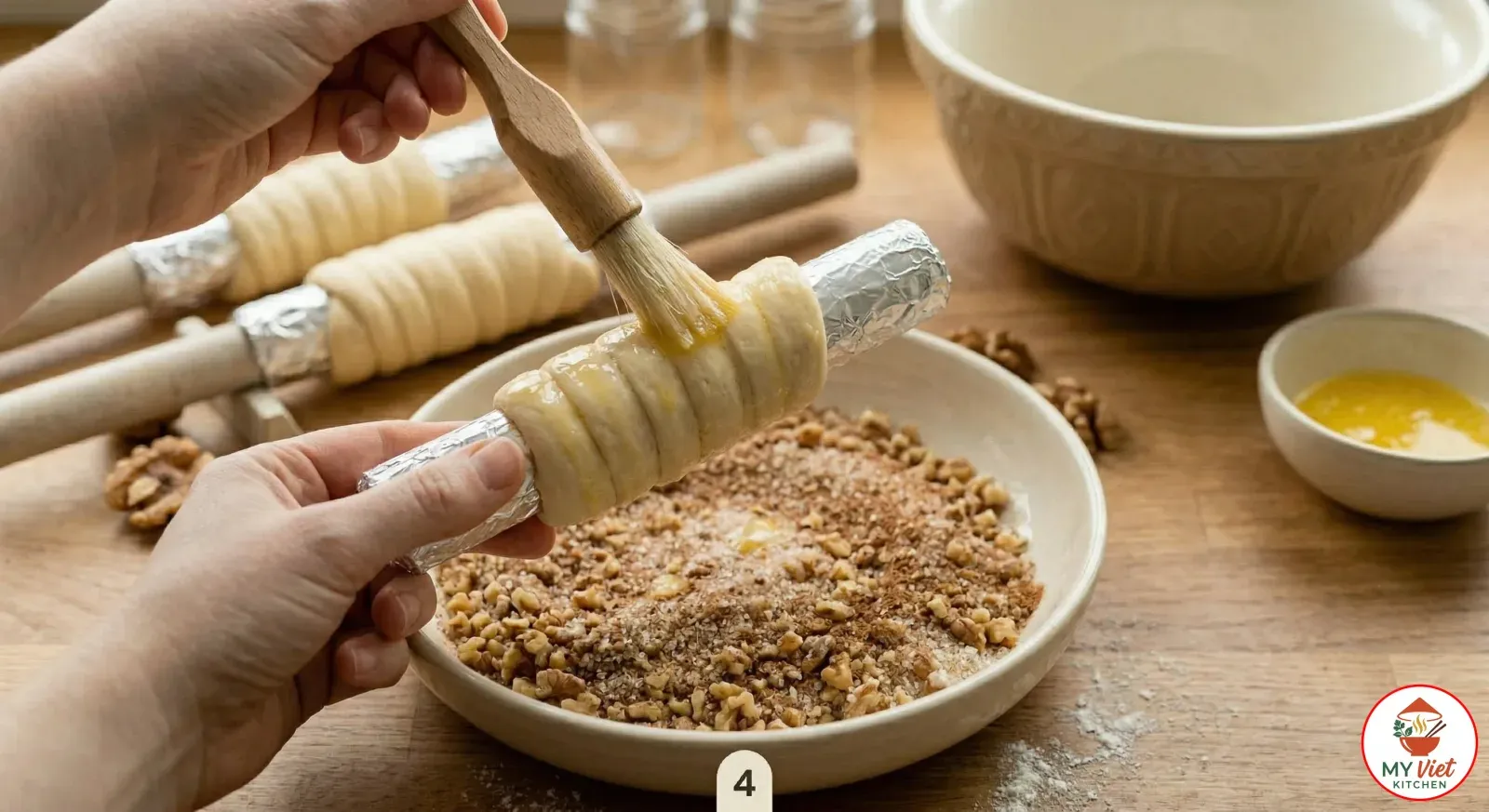
4 Brush the wrapped dough well with melted butter. Make sure to cover every inch. The butter does two things here. It keeps the dough moist as it bakes, and it acts as glue for the sugar coating. Without a good layer of butter, the sugar mix falls off instead of forming that golden crust.
After that, roll the whole mold through the sugar-nut mix in the dish. Press the coating into the dough with your fingers so it sticks on all sides. You want a thick, even layer of sugar and nuts all over. Bare spots will look pale and miss the crunchy caramel that defines good trdelnik. If any area looks thin, dab on more butter and press on extra coating.
Step 5: Bake Until Golden and Caramelized
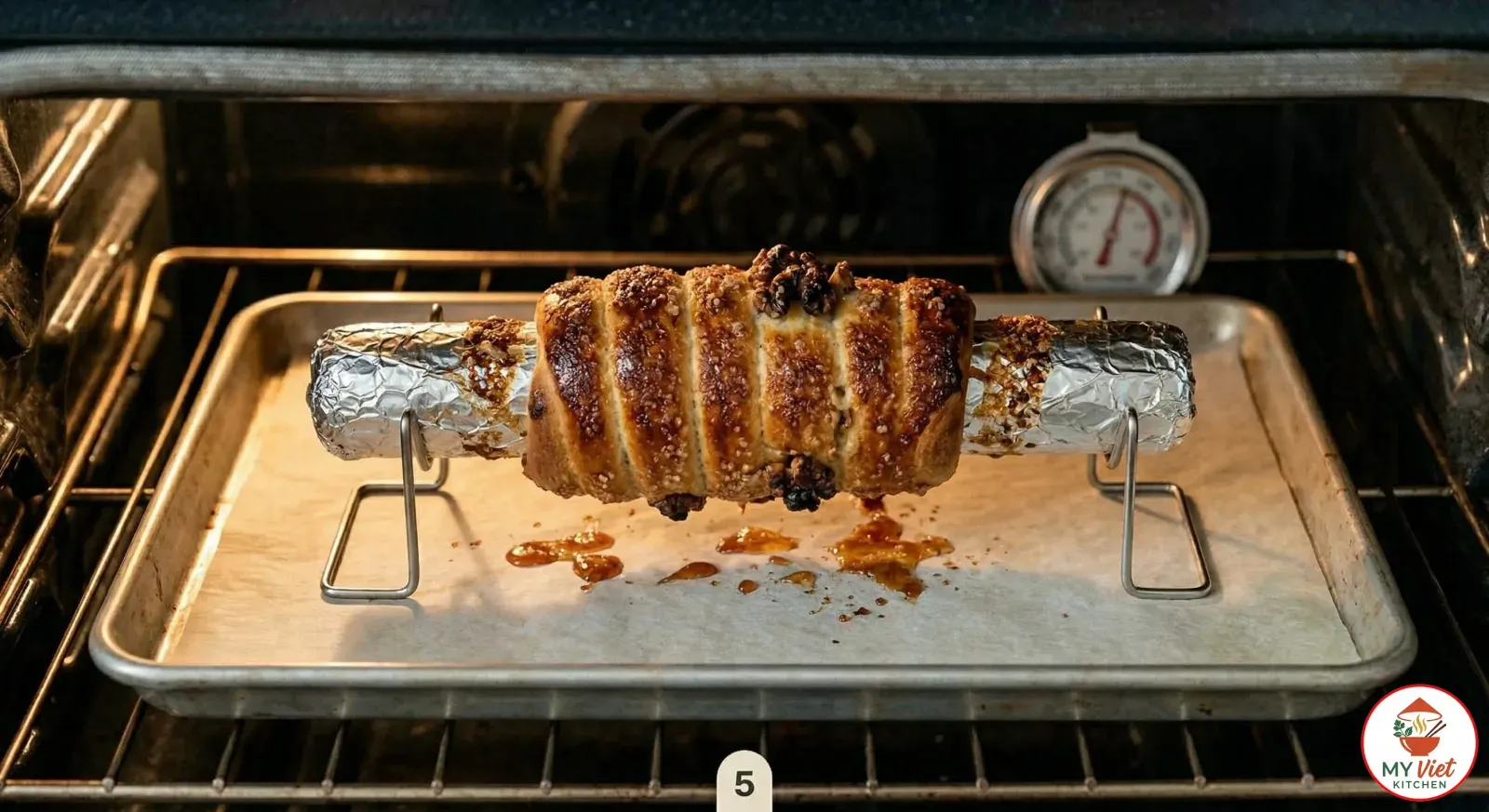
5 Set the coated molds on a baking sheet lined with parchment paper. Rest them on supports so the dough stays off the sheet. Bake at 375 degrees for 15 to 20 minutes. Rotate the molds halfway through so every side browns the same way. The trdelnik is done when the sugar turns deep golden with dark spots and the dough feels firm to the touch.
Take the molds out and slide the cake off right away. If you wait too long, the sugar hardens and glues the cake to the mold. Let each trdelnik cool for just two minutes. This pastry tastes best warm, when the sugar crust shatters at first bite. For the classic Prague experience, serve it plain. For a rich treat, fill the hollow center with whipped cream, Nutella, or a scoop of ice cream.
Expert Tips for Perfect Trdelnik
Get the Dough Thickness Right
Roll each rope to an even half-inch width. Too thick and the center stays raw while the outside burns. Too thin and the dough dries out, losing the soft inside that makes trdelnik great. A half inch gives you the best ratio of crunchy crust to tender crumb. Try one piece first before you shape the whole batch.
Overlap the Dough Strips Slightly
When you wind the rope, overlap each wrap by about a quarter inch. This seals the strips so they do not pull apart in the oven. Gaps let heat hit the mold and cause uneven browning. The overlap also gives trdelnik its classic ridged spiral look. It tears apart along the seams, which makes sharing easy and fun.
Do Not Underbake the Sugar Coating
The magic of trdelnik is its sugar crust, and that only forms when you bake long enough. A pale, sandy look means the sugar did not reach the right heat. You want deep golden brown with small patches of dark amber. That color means the sugar has melted, bubbled, and set into a shell that cracks when you bite it. Trust the color, not the clock.
Trdelnik vs. Other Chimney Cakes: A Comparison
Chimney cakes appear in various forms across Central and Eastern Europe. Each version reflects local tastes and traditions, but they all share the same basic idea of dough baked around a cylinder. Here is how Czech trdelnik compares to its closest relatives across the region.
| Pastry | Country | Coating | Key Difference |
|---|---|---|---|
| Trdelnik | Czech Republic | Cinnamon sugar and walnuts | Hollow center, often filled with cream or ice cream |
| Kurtoskalacs | Hungary | Sugar with various toppings | Thicker dough, more bread-like, traditionally unfilled |
| Skalicky Trdelnik | Slovakia | Sugar, walnuts, vanilla | Protected geographical indication, cooked over charcoal only |
| Baumkuchen | Germany | Chocolate or sugar glaze | Layered cake batter poured on a spit, not wrapped dough |
| Sekacz | Poland | Sugar glaze or plain | Egg-rich batter dripped over a rotating spit in layers |
| Chimney Cake (Modern) | International | Various sweet coatings | Often mass-produced, uses enriched bread dough |
Serving Suggestions
Trdelnik shines brightest when served fresh and warm, straight off the mold. The first few minutes after baking are when the sugar crust is at peak crunch and the inside is at its softest. However, there are many ways to elevate this already delicious pastry beyond the classic cinnamon-walnut version.
The Perfect Accompaniments:
- Whipped cream and fresh berries: Fill the hollow center with a generous swirl of freshly whipped cream and top with strawberries, raspberries, or blueberries. The cool cream against the warm, crunchy pastry creates a stunning temperature and texture contrast.
- Nutella or chocolate spread: Brush the inside of the warm trdelnik with Nutella and let it melt slightly into the soft dough. This combination has become the most popular street food version in Prague, and for good reason. The warm chocolate filling against the cinnamon crust is irresistible.
- Ice cream: Place a scoop of vanilla, pistachio, or hazelnut ice cream inside the hollow center. The warm pastry starts to melt the edges of the ice cream, creating a creamy sauce that soaks into the soft dough. This modern version has taken social media by storm.
- Apple compote and caramel: Spoon warm cinnamon-spiced apple compote inside and drizzle with salted caramel sauce. This autumn-inspired filling complements the walnut coating beautifully and makes the trdelnik feel like a refined dessert.
Beverage Pairings:
- Czech coffee (turecka kava): Strong, dark coffee served unfiltered in the Turkish style. The bitterness of the coffee balances the sweetness of the caramelized sugar coating perfectly.
- Hot chocolate: Rich, thick hot chocolate pairs naturally with the cinnamon and walnut flavors. This combination is especially popular during the Prague Christmas markets.
- Mulled wine (svarak): Warm spiced wine with cloves, cinnamon, and orange peel. The spice profile echoes the cinnamon in the trdelnik coating, while the wine’s warmth and acidity cut through the sweetness.
- Czech beer: A light Czech lager like Pilsner Urquell provides a crisp, refreshing contrast to the rich, sweet pastry. The bitterness of the hops cleanses the palate between bites of caramelized dough.
Storage and Reheating
Room temperature: Trdelnik keeps at room temperature for up to 1 day when wrapped loosely in aluminum foil. The sugar crust will soften slightly over time, but the pastry remains enjoyable. For the best experience, eat it within a few hours of baking when the crust is still crisp.
Freezer: You can freeze baked trdelnik for up to 1 month. Wrap each piece tightly in plastic wrap and then aluminum foil to prevent freezer burn. Thaw at room temperature for 30 minutes before reheating. Alternatively, freeze the shaped but unbaked dough on the molds. When ready to bake, brush with butter, coat in sugar mixture, and bake from frozen, adding 5 extra minutes.
Reheating: Reheat trdelnik in a 350-degree Fahrenheit oven for 5 to 7 minutes. The dry heat of the oven re-caramelizes the sugar coating and restores the crunch. Avoid the microwave at all costs. Microwave heat turns the caramelized sugar into a soft, sticky mess and makes the dough rubbery. A toaster oven also works well for individual portions, giving you quick results with a crispy finish.
Common Mistakes to Avoid
1. Using Cold Milk for the Dough
Cold milk slows or kills the yeast, so the dough will not rise well. Always warm the milk to about 110 degrees before you add it. At this heat, the yeast wakes up fast and makes the gas that lifts the dough. But too hot is just as bad. Milk above 120 degrees kills yeast on contact. Test it on your wrist first to be safe.
2. Rolling the Dough Rope Too Thin
A thin rope makes a trdelnik that is crispy all the way through, with no soft core. The crunch-to-soft ratio is what makes this pastry great. Aim for half an inch across the whole length. If your rope is longer than 24 inches, it is too thin. Ball it up and roll again, this time stop sooner to keep the right size.
3. Leaving the Cake on the Mold After Baking
The sugar hardens fast as it cools. If you leave the trdelnik on the mold for more than a minute, the sugar bonds to the surface and the cake tears when you pull it off. Slide it off right away while the sugar is still soft. A quick twist of the mold breaks the seal. Greasing the mold well before you wrap also helps a lot.
4. Skipping the Butter Brush Before Coating
Without butter, the coating will not stick. Loose sugar falls off and burns on the sheet while the trdelnik comes out pale and bare. So brush every inch of the dough with melted butter before you roll it in the mix. The butter melts into the sugar as it bakes and forms the crust. Skip this step and you lose the very thing that makes trdelnik so good.
Frequently Asked Questions
What is trdelnik and where does it come from?
Trdelnik is a chimney cake made from sweet yeast dough that you wrap around a cylindrical mold and bake until the sugar coating caramelizes into a golden crust. Its origins trace back to the Transylvania region and the town of Skalica in Slovakia. The pastry spread through the Austro-Hungarian Empire and became deeply embedded in Czech culture. Today, trdelnik is the most famous street food in Prague, though food historians debate whether it is a truly native Czech tradition or an adopted one.
Can I make trdelnik without a special mold?
Absolutely. Wrap aluminum foil tightly around a wooden dowel about 2 inches in diameter to create a simple mold. Cardboard tubes wrapped in foil also work well. Some home bakers use metal cannoli tubes for bite-sized versions, while others wrap the dough around clean soda cans with the tops removed. The key is a heat-resistant cylinder that you grease well so the baked dough slides off easily. Any cylinder between 1.5 and 2.5 inches in diameter will produce good results.
What does trdelnik taste like?
Imagine a cross between a cinnamon roll and a churro, but lighter and airier inside. The exterior has a crunchy, caramelized sugar shell studded with toasted walnut pieces. Beneath that crust, the dough is soft, warm, and slightly sweet with notes of vanilla and butter. Because the center is hollow, each bite feels surprisingly light despite all the butter and sugar involved. The cinnamon-walnut coating adds warmth and nuttiness that rounds out the sweetness beautifully.
Is trdelnik actually traditional Czech food?
This question sparks lively debate among food historians. The chimney cake tradition likely originated in Transylvania and the Skalica region of Slovakia. It arrived in Czech lands through centuries of cultural exchange within the Austro-Hungarian Empire. While Prague street vendors popularized trdelnik globally in recent decades, many Czech food scholars consider it an adopted tradition rather than a native one. Regardless of its exact origins, trdelnik has become inseparable from the modern Czech street food scene and draws millions of visitors each year.
What are the most popular trdelnik fillings?
Traditional trdelnik has no filling at all. It is a hollow tube of caramelized dough meant to be torn apart and eaten piece by piece. However, modern Prague vendors have created an entire industry around filled versions. The most popular fillings include Nutella, whipped cream, soft-serve ice cream, fresh berries with cream, and chocolate ganache. The ice cream version has become particularly famous on social media, though purists argue that fillings mask the pure flavor of the dough and its caramelized coating.
How long does trdelnik stay fresh?
Trdelnik is at its absolute best within the first 30 minutes after baking. After that, the sugar crust begins to soften and the dough loses its warmth. You can keep it at room temperature for up to one day wrapped in foil, but expect a significant decline in texture. Reheating in a 350-degree oven for 5 minutes restores some of the crunch. Never store trdelnik in the refrigerator because the cold turns the dough dense and sticky.
Variations and Adaptations
Chocolate Trdelnik:
Replace the cinnamon-sugar coating with a mixture of cocoa powder, sugar, and finely chopped dark chocolate. After baking, the chocolate pieces melt into the warm dough and create a rich, fudgy crust. Drizzle with more melted chocolate after the trdelnik comes off the mold for an indulgent finish. This variation pairs especially well with vanilla ice cream or whipped cream filling.
Coconut Trdelnik:
Swap the crushed walnuts for shredded coconut in the coating mixture. The coconut toasts during baking, which adds a tropical flavor and a lighter crunch compared to walnuts. For extra coconut flavor, replace a quarter of the milk in the dough with coconut milk. This version is a favorite at summer food festivals across Central Europe.
Savory Trdelnik:
Reduce the sugar in the dough to just one tablespoon and skip the sweet coating entirely. Instead, brush the baked trdelnik with garlic butter and sprinkle it with grated Parmesan, dried herbs, and a pinch of sea salt. Fill the hollow center with ham and cheese or a savory cream cheese spread. This savory twist works well as an appetizer or a vessel for pulled pork, grilled vegetables, or soup dipping.
Gluten-Free Trdelnik:
Swap the flour for a one-to-one gluten-free blend that has xanthan gum. Add one more egg yolk for stretch, since gluten-free dough tends to crack as you wrap it. The crumb will be a bit denser, but the sugar crust still forms just fine. Let the dough rest 30 extra minutes before shaping so the starches can soak up moisture.
The Cultural Significance of Trdelnik
Trdelnik holds a unique spot in Central European food culture. In Slovakia, the Skalicky trdelnik has a Protected Geographical Indication from the EU. This means only cakes made in the Skalica region with old methods can use that name. The label shows how much Central Europeans value this pastry’s roots. Meanwhile, in the Czech Republic, trdelnik has become the symbol of Prague street food. Vendors in Old Town Square and along the Charles Bridge sell thousands daily to visitors from all over the globe.
The relationship between trdelnik and Czech cultural identity is more complex than it appears. Many locals view the tourist-oriented trdelnik stands with a mix of pride and mild amusement, because the pastry was not a common Czech street food until the 1990s. Before that, chimney cakes belonged primarily to the Slovak and Hungarian traditions. However, Prague vendors transformed trdelnik into a global phenomenon by adding creative fillings and marketing it through social media. This commercial success has, in turn, reignited interest in the older, more traditional versions found in Slovakia and Hungary.
Furthermore, trdelnik shows how food moves across borders and grows along the way. Its path from rural villages to Slovak market towns to Prague tourist spots to bakeries in New York and Tokyo tells a story of sharing and change. Each stop added something new. Slovakia gave it the walnut coating. Czech vendors added the ice cream filling. Bakers around the world keep trying new flavors. In the end, trdelnik is more than a pastry. It is proof that food links people across time and place.
Conclusion
This trdelnik recipe gives you all you need to make the famous Czech chimney cake at home. The keys are a well-risen dough rolled to the right thickness, a good butter coat that locks the sugar-nut mix to the surface, and enough time in the oven for deep golden color. Get these three things right and your trdelnik will rival what you find on the streets of Prague. The reward is a pastry that is crunchy, sweet, and warm, with a hollow center ready for your favorite filling.
Ready to explore more European dessert traditions? Browse our European dishes collection for recipes like Belgian waffles, French crepes, and Austrian Kaiserschmarrn. Each one brings a taste of a different culinary tradition to your kitchen table.