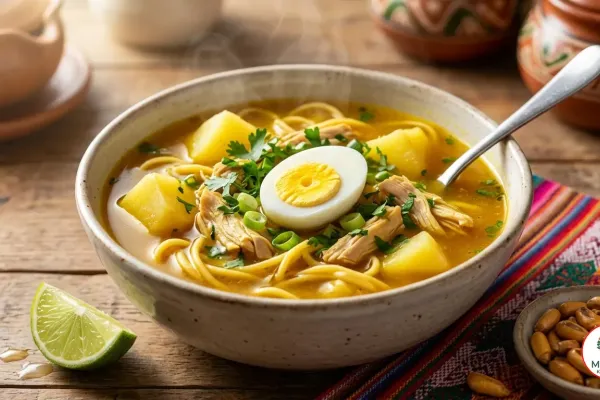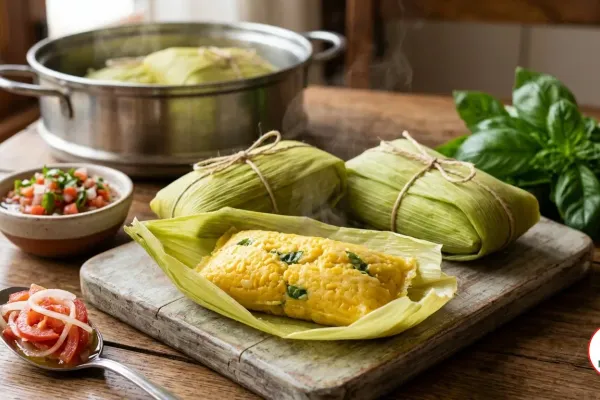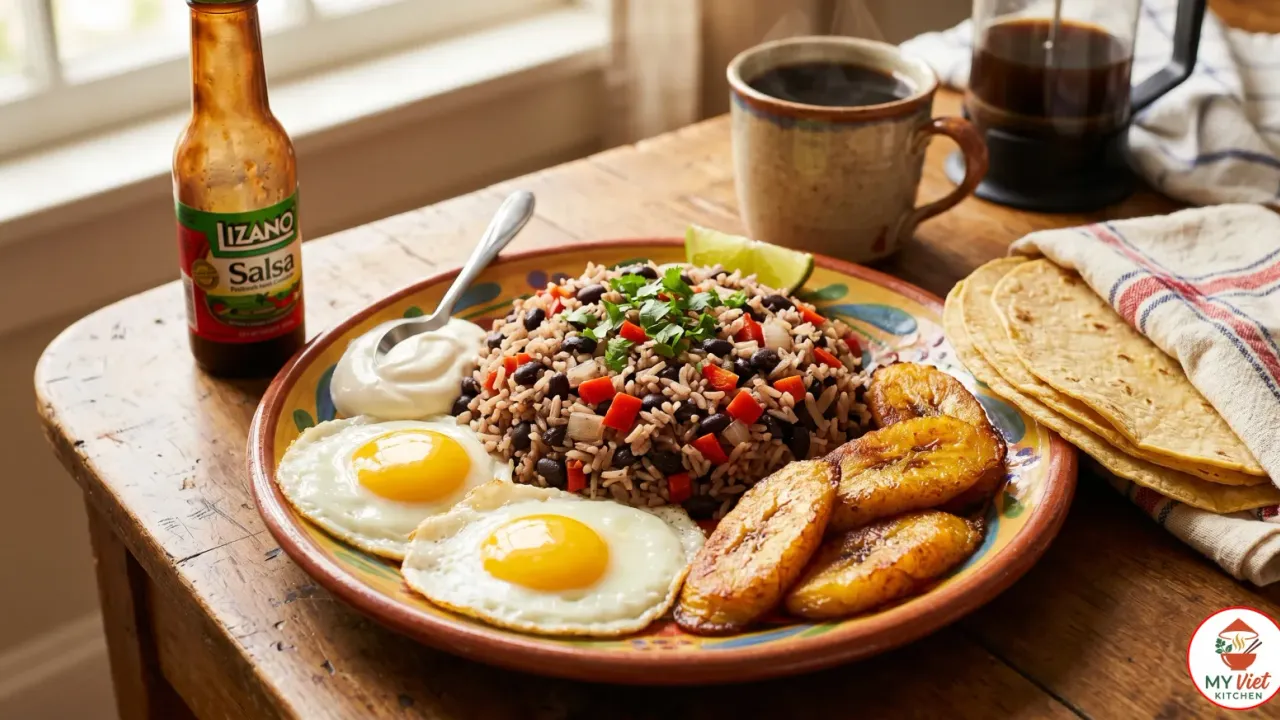
Few dishes capture the soul of Central America quite like gallo pinto. This humble combination of rice and beans serves as the backbone of breakfast tables across Costa Rica and Nicaragua, where families prepare it fresh every morning with day-old rice, tender beans, and a handful of aromatic seasonings. Whether you call it a national dish or simply call it home, this gallo pinto recipe brings authentic Central American flavor to your kitchen in just thirty minutes.
Prep Time: 10 minutes | Cook Time: 20 minutes | Servings: 4
Difficulty: Easy | Calories: ~310 per serving
What Makes Gallo Pinto Special?
The name gallo pinto means “spotted rooster” in Spanish. Specifically, it refers to the speckled look you get when dark beans mix with white rice. At first glance, it seems like a simple side dish. However, this recipe carries deep cultural meaning. In both Costa Rica and Nicaragua, gallo pinto stands for identity, pride, and daily life. Street vendors sell it at dawn. Meanwhile, grandmothers make it from memory. Families debate whose version tastes best.
What sets gallo pinto apart from plain rice and beans is the way you cook it. Instead of just mixing the two together, you first build a flavor base with onions, peppers, and garlic. Then you add the beans with their broth, which gives the rice a rich, earthy taste. Finally, a big splash of Salsa Lizano or Worcestershire sauce pulls it all together with a sweet and savory note you cannot get from any other sauce.
This dish also stands out for its wide range of uses. Although most people enjoy it for breakfast with fried eggs, ripe plantains, and sour cream, gallo pinto works just as well at lunch or dinner. It goes great with grilled meats, roasted veggies, or a simple avocado salad. In short, once you learn to make great gallo pinto, you open the door to a whole cuisine.

Choosing the Right Beans
The type of bean you use defines the character of your gallo pinto. Both Costa Rica and Nicaragua have strong opinions on this topic, and your choice will shape the flavor profile of the entire dish. Here are the main options to consider.
- Black beans (Costa Rican style): These produce a darker dish with a creamy, earthy flavor. They pair perfectly with Salsa Lizano and create the classic Tico breakfast experience.
- Small red beans (Nicaraguan style, best for bold flavor): These beans offer a firmer texture and a slightly sweeter taste. They hold their shape better during cooking and produce a hearty, satisfying bite.
- Pinto beans (substitute): If you cannot find small red beans, pinto beans make a decent alternative. They are widely available and contribute a mild, buttery flavor that works well in this recipe.
- Canned beans (quick option): When time is short, canned black or red beans work fine. Drain and rinse them first, and add a splash of broth to compensate for the missing bean cooking liquid.
Ingredients for Gallo Pinto
Main Ingredients:
- 3 cups cooked white rice, preferably day-old
- 1 1/2 cups cooked black beans or red beans, drained
- 1/2 cup bean cooking liquid or vegetable broth
- 1 tablespoon vegetable oil or coconut oil
For the Sofrito Base:
- 1 medium white onion, finely diced
- 1 red bell pepper, finely diced
- 3 cloves garlic, minced
For the Seasoning:
- 2 tablespoons Salsa Lizano or Worcestershire sauce
- 1 teaspoon ground cumin
- 1/2 teaspoon smoked paprika
- Salt and black pepper to taste
- 3 tablespoons fresh cilantro, chopped
- 1 tablespoon fresh lime juice
Pro tip: Always use day-old rice that has been refrigerated overnight. Freshly cooked rice contains too much moisture and will turn your gallo pinto into a sticky, clumpy mess. The dry surface of chilled rice absorbs the bean liquid and seasonings far more effectively.
Step-by-Step Instructions
Step 1: Prepare the Aromatics
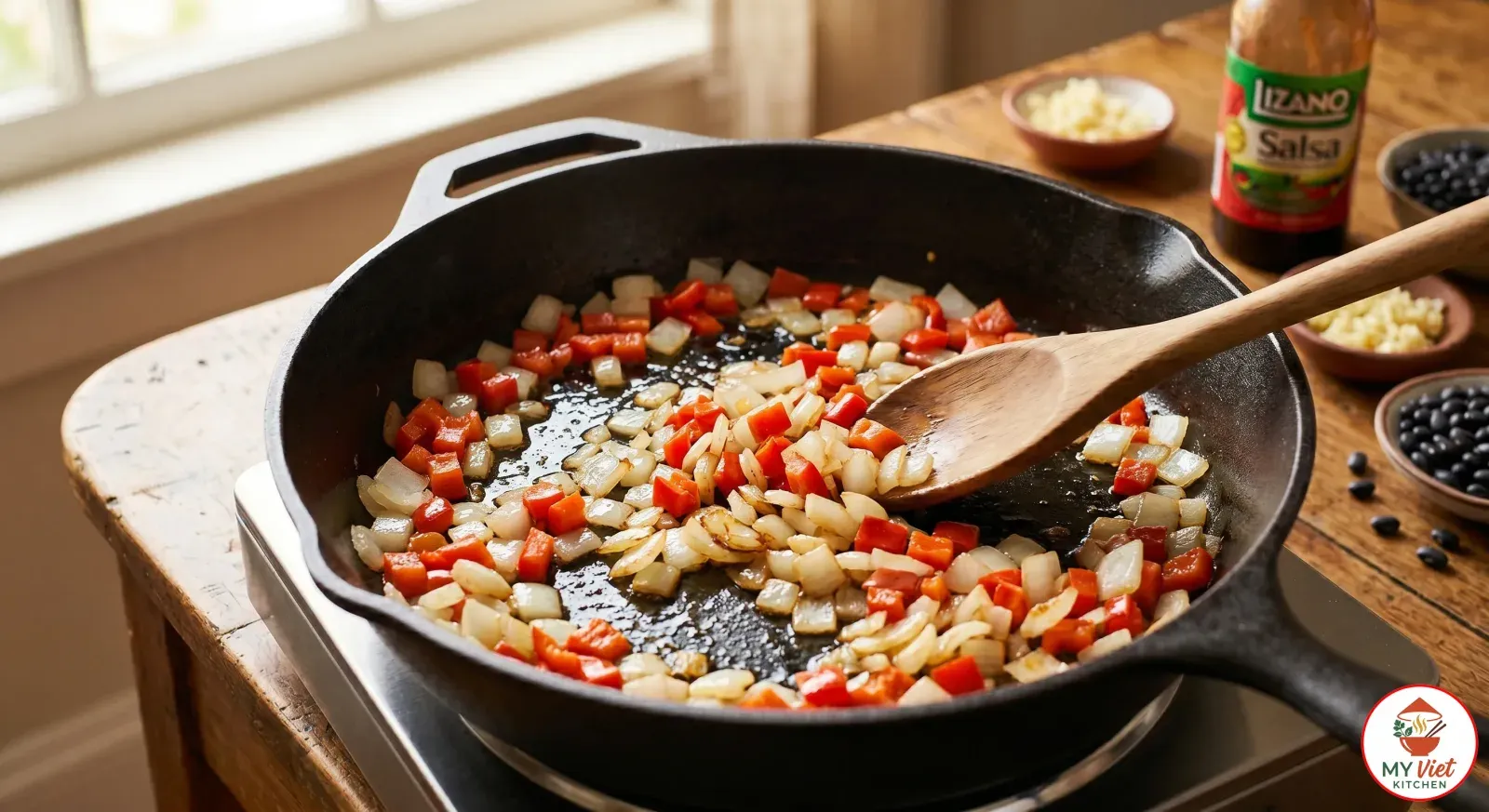
1Heat the oil in a large skillet or comal over medium heat. Add the diced onion and red bell pepper. Cook for four to five minutes, stirring occasionally, until the vegetables soften and turn lightly golden. Then add the minced garlic and stir for about thirty seconds until it becomes fragrant. This sofrito base creates the aromatic foundation that separates great gallo pinto from a bland rice and beans mixture.
Step 2: Add the Beans
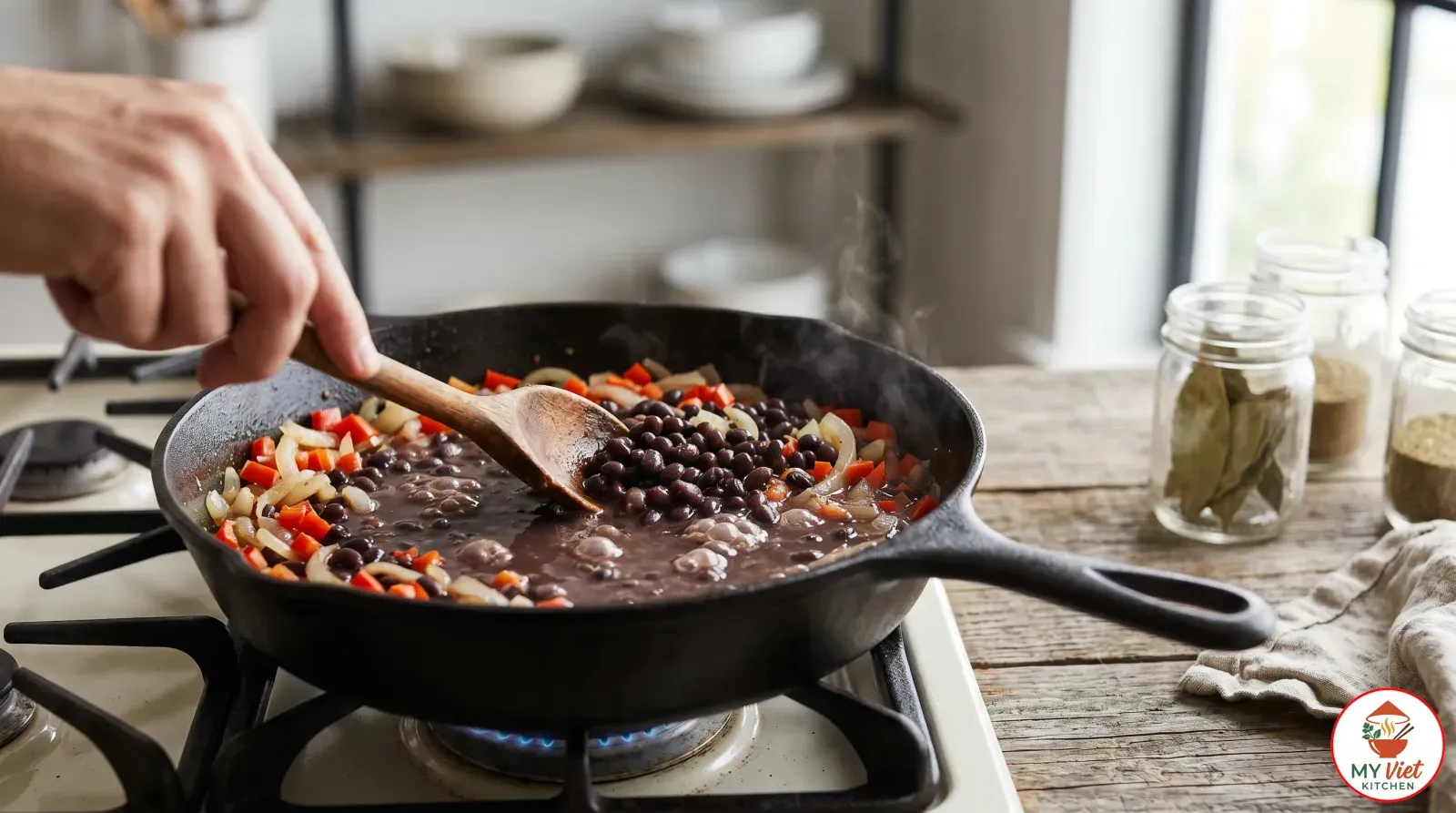
2Pour the drained beans into the skillet along with half a cup of bean cooking liquid. If you used canned beans, substitute vegetable broth instead. Stir in the ground cumin and smoked paprika. Let the mixture simmer for three to four minutes so the liquid reduces slightly. During this time, the beans absorb the flavors from the sofrito and the spices begin to bloom in the heat. You should notice the kitchen filling with a warm, earthy aroma.
Step 3: Combine Rice and Beans
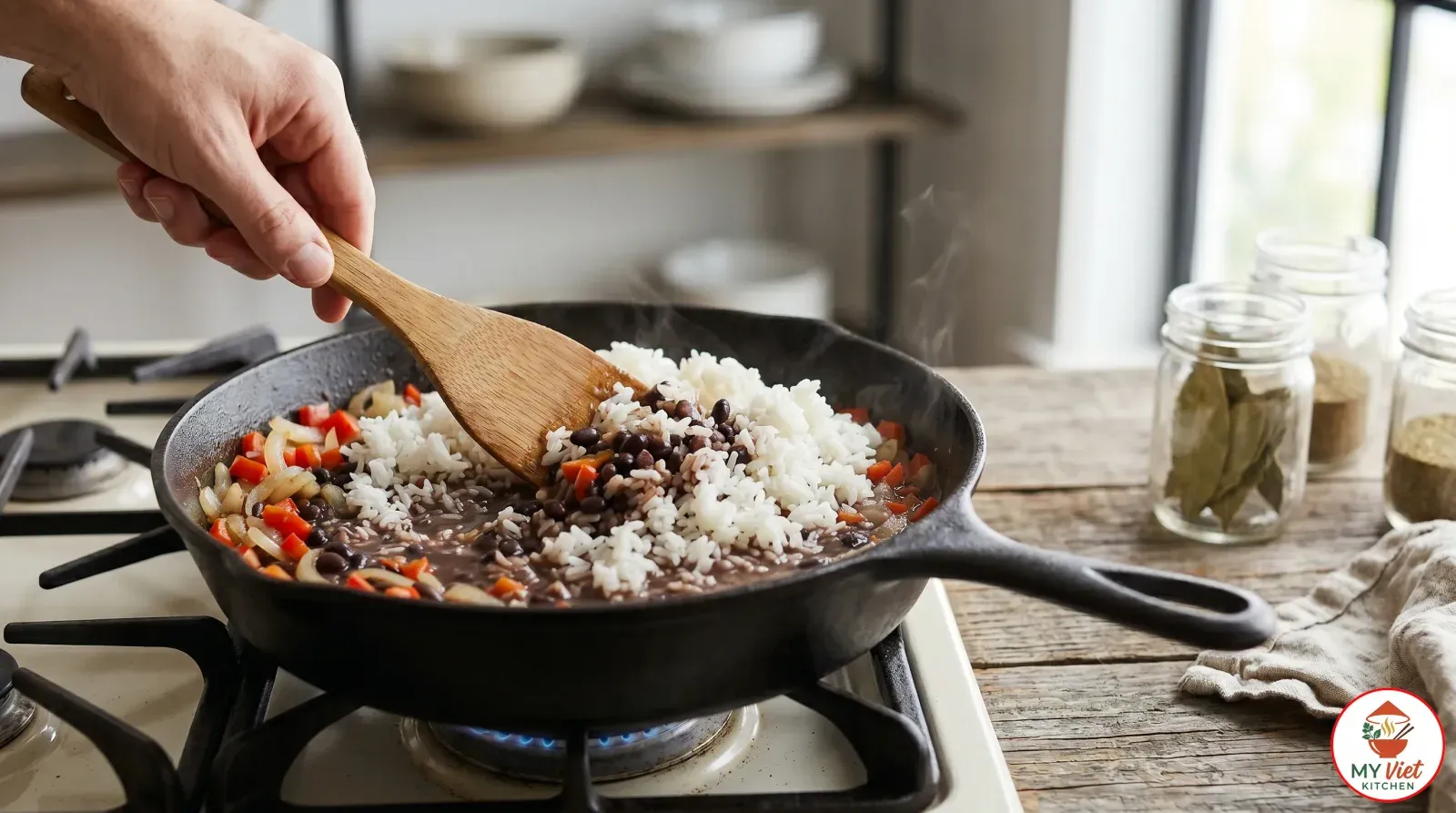
3Add the day-old rice to the skillet. Use a wide spatula to fold the rice gently into the bean mixture. Work carefully and avoid stirring too aggressively. Aggressive stirring breaks the rice grains and turns the dish into a paste. Instead, use a lifting and folding motion until every grain carries a coating of the dark bean liquid. The rice should take on an even, speckled appearance that gives gallo pinto its famous look.
Step 4: Season with Salsa Lizano
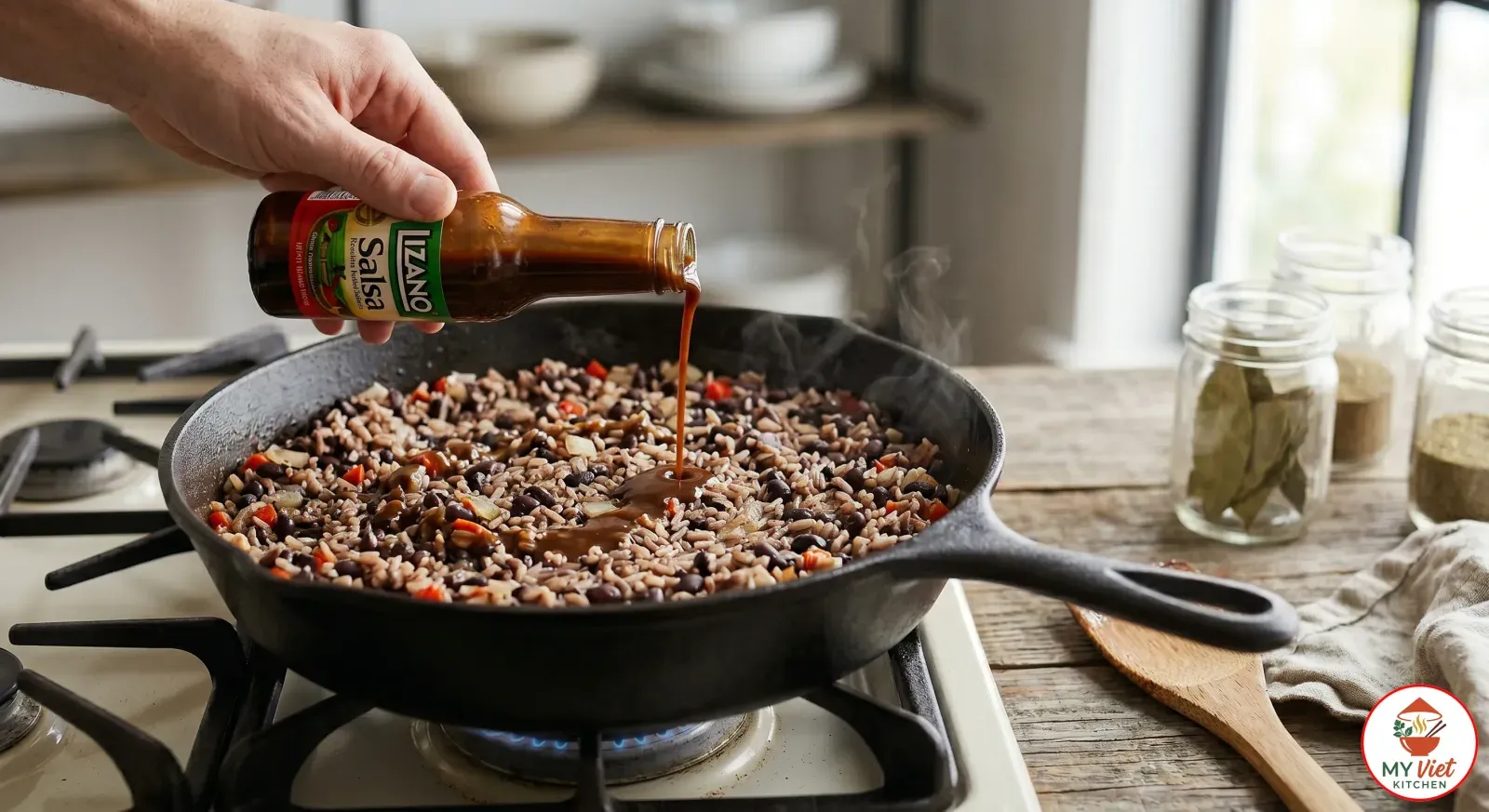
4Drizzle the Salsa Lizano or Worcestershire sauce evenly over the rice and beans. Toss everything together one more time, then press the mixture gently into an even layer across the skillet. Let it cook undisturbed for two to three minutes over medium heat. This brief rest allows a light crust to form on the bottom, which adds a wonderful textural contrast. After that, flip sections of the mixture to incorporate the crispy bits throughout the dish.
Step 5: Finish and Serve
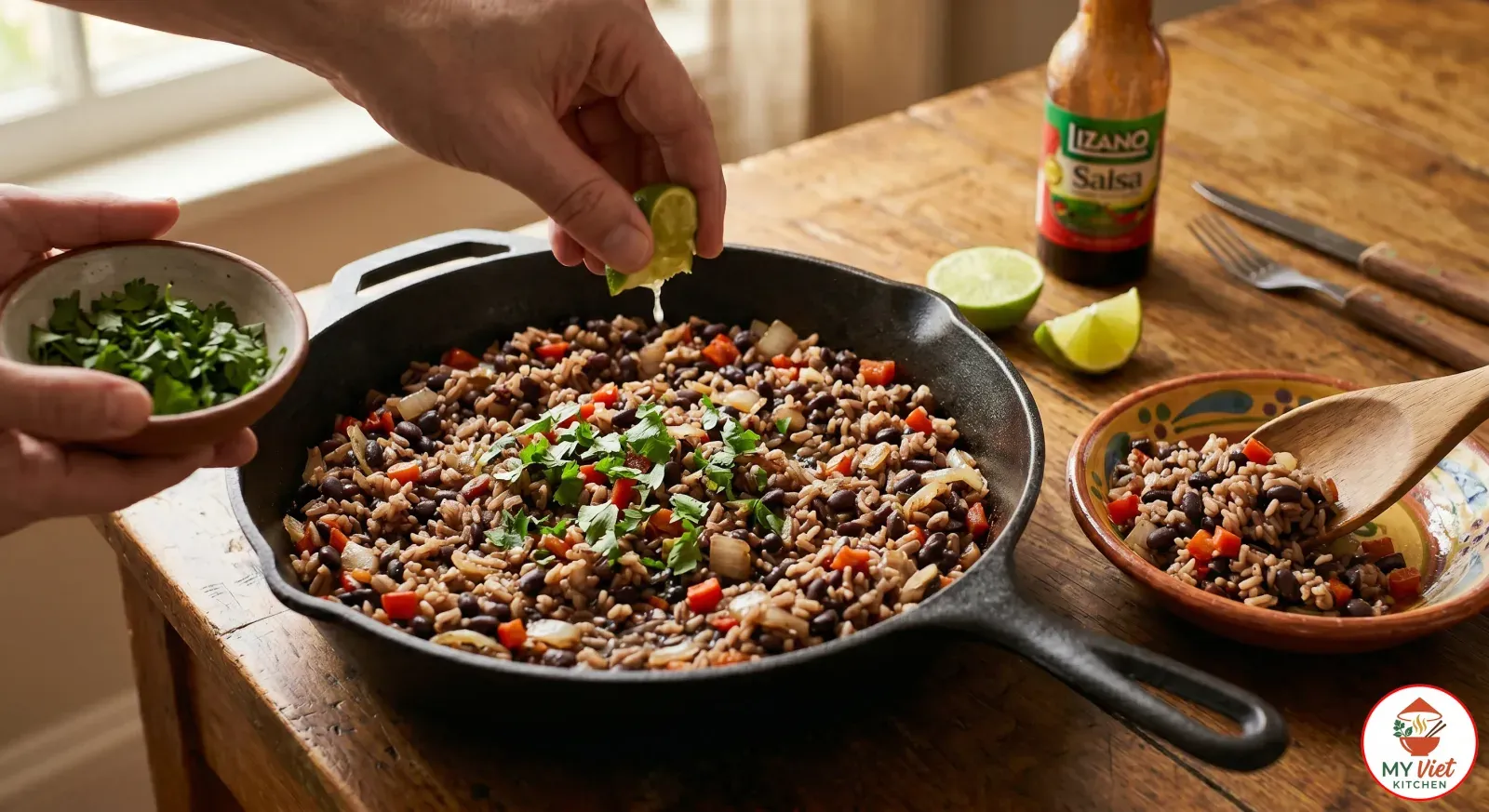
5Remove the skillet from the heat. Stir in the chopped fresh cilantro and squeeze the lime juice over the top. Toss gently to distribute the fresh herbs throughout. Taste the gallo pinto and adjust the salt and pepper as needed. Serve immediately on a warm plate alongside fried eggs, sliced ripe plantains, sour cream, and a wedge of fresh lime. In Costa Rica, a side of corn tortillas completes the meal perfectly.
Expert Tips for Perfect Gallo Pinto
Use Day-Old Rice
Freshly cooked rice holds too much moisture, which creates a mushy texture. Spreading the rice on a baking sheet and refrigerating it overnight dries out the surface. As a result, the grains stay separate when you fold them into the beans. This technique mirrors the approach used in fried rice, where dry grains yield the best results.
Save the Bean Cooking Liquid
The liquid left over from cooking dried beans holds a ton of flavor. It has starches, minerals, and the true taste of the beans. Adding this liquid to the skillet gives the rice a deeper color and a richer feel. If you only have canned beans, use veggie broth as a swap.
Build a Crispy Bottom Layer
After you mix the rice and beans, let them sit in the hot skillet for a few minutes without touching them. The layer on the bottom forms a light crust, much like the socarrat in Spanish paella. This crispy bit adds crunch and a toasty flavor that lifts the whole dish.
Costa Rican vs. Nicaraguan Gallo Pinto
Both countries claim gallo pinto as their national dish, and the debate over its origin remains spirited. While the basic concept stays the same, several key differences set the two versions apart. Here is a comparison to help you understand each style.
| Feature | Costa Rican Style | Nicaraguan Style |
|---|---|---|
| Bean Type | Black beans | Small red beans |
| Key Seasoning | Salsa Lizano | Worcestershire sauce, garlic |
| Flavor Profile | Mildly sweet and tangy | Bold and savory |
| Typical Sides | Sour cream, corn tortillas | Cuajada cheese, fried plantains |
| Color | Darker, from black beans | Lighter, reddish tint |
Serving Suggestions
In Central America, gallo pinto rarely appears alone on the plate. It anchors a complete meal called a desayuno tipico, which translates to a traditional breakfast. The combination of protein, carbohydrates, and fresh toppings creates a balanced and satisfying start to the day.
The Perfect Accompaniments:
- Fried eggs: A runny yolk adds richness and creates a sauce that coats the rice and beans beautifully.
- Ripe plantains (maduros): Their caramelized sweetness balances the savory, earthy flavors of the dish.
- Sour cream (natilla): A dollop adds a cool, tangy contrast that cuts through the richness.
- Corn tortillas: Warm, handmade tortillas let you scoop up the rice and beans in true Central American fashion.
- Avocado slices: Creamy avocado rounds out the plate with healthy fats and a fresh, buttery taste.
Beverage Pairings:
- Black coffee: Costa Ricans drink dark roast coffee alongside their gallo pinto every morning. The bitterness complements the savory dish perfectly.
- Fresh tropical juice: A glass of mango, papaya, or passion fruit juice adds a fruity brightness that refreshes the palate.
- Horchata: This creamy cinnamon rice drink from Central America pairs naturally with the earthy flavors of the beans.
Storage and Reheating
Refrigerator: Store leftover gallo pinto in an airtight container for up to four days. The flavors actually improve overnight as the seasonings continue to meld with the rice and beans.
Freezer: Freeze portions in sealed containers or zip-top bags for up to three months. Let the dish cool completely before freezing to prevent ice crystals from forming.
Reheating: Warm the gallo pinto in a skillet over medium heat with a splash of water or broth. The added moisture prevents the rice from drying out. Stir occasionally until heated through. Avoid the microwave if possible, because it tends to make the rice rubbery.
Common Mistakes to Avoid
1. Using Freshly Cooked Rice
Hot, freshly cooked rice contains too much steam and moisture. When you add it to the beans, the excess water turns the dish into a sticky porridge. Always cook your rice the night before and refrigerate it. Cold rice absorbs flavors better and maintains its texture during the folding process.
2. Stirring Too Aggressively
Hard stirring breaks the rice grains and mashes the beans. Use a gentle fold instead. Lift from the bottom and turn over the top. This keeps each grain whole and the beans intact. As a result, both the look and the feel of the dish stay just right.
3. Skipping the Sofrito
Some recipes tell you to just toss rice and beans in a bowl. That shortcut gives you a flat, dull flavor. The sofrito of onion, bell pepper, and garlic builds layers of taste that make the dish truly great. So never skip this step if you want real results.
Frequently Asked Questions
What is the difference between Costa Rican and Nicaraguan gallo pinto?
Costa Rican gallo pinto uses black beans seasoned with Salsa Lizano, which gives it a mildly sweet and tangy character. Nicaraguan gallo pinto relies on small red beans with more garlic and Worcestershire sauce for a bolder, more savory taste. Both versions taste wonderful, and the choice often comes down to personal preference. According to BBC Travel, this friendly rivalry has persisted for decades and shows no signs of slowing down.
Can I make gallo pinto with canned beans?
Yes, canned beans work perfectly for a weeknight version. First, drain and rinse them to remove excess sodium. Because canned beans lack the flavorful cooking liquid, add vegetable broth or chicken stock to the skillet instead. The result will still taste great, even though dried beans cooked from scratch offer a deeper flavor.
What is Salsa Lizano and where can I find it?
Salsa Lizano is a beloved Costa Rican condiment with a slightly sweet, tangy, and mildly spiced flavor. You can find it at Latin American grocery stores or order it online from retailers like Amazon. If you cannot find it, mix Worcestershire sauce with a small pinch of brown sugar and a drop of vinegar for a passable substitute.
Is gallo pinto healthy?
Gallo pinto is a healthy choice. Rice and beans together form a complete protein, giving your body all the key amino acids it needs. Also, the dish is gluten-free, high in fiber, and low in bad fats. One serving has about 310 calories. That makes it a filling yet light option for any meal of the day.
Can I use brown rice for gallo pinto?
Brown rice works as a healthier alternative and adds a pleasant nuttier flavor. Keep in mind that brown rice has a chewier texture and absorbs liquid differently than white rice. You may need to add a bit more bean liquid to compensate. Traditional gallo pinto uses long-grain white rice for the lightest result.
Variations and Adaptations
Gallo Pinto with Chorizo:
Add two ounces of crumbled Costa Rican chorizo to the skillet before cooking the sofrito. The rendered fat from the chorizo replaces the cooking oil and infuses the entire dish with a smoky, spicy richness. This variation turns a simple breakfast into a hearty, protein-packed meal.
Vegan Gallo Pinto:
The basic recipe is already plant-based, so only minor adjustments are needed. Use coconut oil for a tropical flavor and replace Worcestershire sauce with a vegan version or soy sauce. Serve it alongside roasted plantains and avocado instead of eggs for a completely vegan plate.
Spicy Gallo Pinto:
For a kick of heat, add one finely diced habanero or jalape pepper to the sofrito. You can also stir in a tablespoon of your favorite hot sauce at the end. In Nicaragua, cooks sometimes add a few drops of Tabasco or a local chili sauce to give the dish extra fire.
The Cultural Significance of Gallo Pinto
Gallo pinto holds a special place in Central American life. In Costa Rica, it sits at the heart of the casado, a lunch plate that workers eat every day. In Nicaragua, it shows up at nearly every meal from morning to night. The dish cuts across social class and region. Indeed, rich families, street vendors, and rural farmers all make it the same basic way.
The fight between Costa Rica and Nicaragua over who made gallo pinto first is deep but playful. In 2003, Nicaragua set a Guinness World Record by cooking the biggest batch ever. They used huge amounts of rice and beans to feed thousands. Costa Rica soon fired back with its own record try. This fun contest shows just how much both nations love the dish. For many people from the region living abroad, a plate of gallo pinto is a direct link to home, family, and the daily rhythms they grew up with.
Conclusion
Making authentic gallo pinto at home requires nothing more than leftover rice, a pot of beans, and a few basic seasonings. Yet the result delivers a depth of flavor that far exceeds its simple ingredients. Remember to use day-old rice, build a proper sofrito, fold gently rather than stir, and let the bottom develop a light crust for added texture. These small details make all the difference between ordinary rice and beans and a plate of gallo pinto that would make any Costa Rican or Nicaraguan grandmother proud.
Ready to explore more Central American and Latin American dishes? Check out our full collection of recipes from around the world. If you enjoyed this gallo pinto recipe, you might also love our Pupusas or Empanadas recipes for more authentic Latin American flavors.