The completo is Chile’s answer to the hot dog, and it is nothing like what you find at an American ballpark. This Chilean hot dog buries a mild sausage under a mountain of mashed avocado, diced fresh tomatoes, tangy sauerkraut, and a lavish pour of creamy mayonnaise. Every bite delivers a collision of textures and flavors. In Chile, the completo is more than street food. It is a national obsession eaten at breakfast, lunch, dinner, and every hour in between. This recipe shows you how to build one at home in just 30 minutes.
Prep Time: 20 minutes | Cook Time: 10 minutes | Servings: 4
Difficulty: Easy | Calories: ~520 per serving
What Makes the Completo Special?
The completo stands apart from every other loaded hot dog in the world because of its fearless abundance. In contrast, an American hot dog relies on mustard and relish, and a New York dirty water dog keeps things minimal. But the Chilean completo piles on layer after layer until the bun can barely hold it all. The toppings are not afterthoughts. Instead, they are the main event. The sausage provides a salty, savory base. Yet the real star is the mix of cool mashed avocado, bright diced tomato, tangy sauerkraut, and rich, creamy mayo all working together in every single bite.
What truly sets the completo apart is the avocado. Chile is one of the world’s top avocado growers, so Chileans put it on nearly everything. On the completo, the avocado acts as a creamy, cool contrast to the warm sausage and sharp sauerkraut. It also adds healthy fats and a soft texture that no other topping can match. Because of the acid from fresh tomato and the richness of mayo, the flavor hits every note: savory, tangy, creamy, fresh, and deeply satisfying.
The completo has been a Chilean staple since the mid-20th century, when hot dog culture exploded across the country. German immigrants brought the sausage-making tradition to southern Chile, and local cooks adapted it with native ingredients like avocado. Today, Chile ranks among the top hot dog consuming nations on earth. Fuentes de soda, the casual Chilean diners found on nearly every block, serve completos around the clock. The dish is as central to Chilean identity as empanadas and pastel de choclo.

Choosing the Right Sausage for Your Completo
The sausage is the base, so picking the right one matters. In Chile, completos use a type called vienesa. Here are the best options for this dish at home.
- Standard beef or pork frankfurter (best for home cooks): A mild, smooth-textured hot dog sausage is the closest match to Chilean vienesa. Avoid smoked or heavily spiced varieties, because they compete with the toppings.
- Vienna sausage / vienesa (authentic choice): If you can find imported Chilean vienesa at a Latin grocery store, use it. These sausages are slightly softer and milder than American hot dogs, which lets the toppings dominate.
- All-beef hot dog (premium option): An all-beef frank from a quality butcher gives a firmer snap and richer meat flavor. It holds up well under the weight of all the toppings without collapsing.
- Plant-based hot dog (vegetarian alternative): Modern plant-based sausages work surprisingly well for a completo. The toppings carry most of the flavor, so the sausage swap is less noticeable here than in other hot dog dishes.
Ingredients for Completo
Main Ingredients:
- 4 large hot dog sausages (vienesa or mild frankfurter)
- 4 long soft hot dog buns
For the Avocado Topping (Palta):
- 2 ripe avocados
- 1 tablespoon fresh lime juice
- Salt to taste
- Pinch of ground cumin (optional)
For the Toppings and Condiments:
- 2 medium ripe tomatoes, diced into small cubes
- 1 cup sauerkraut (chucrut), well drained
- 1/2 cup Chilean-style mayonnaise or regular mayonnaise
- 2 tablespoons American-style yellow mustard
Pro tip: Use avocados that yield slightly to gentle pressure but are not mushy. Overripe avocados turn brown quickly and taste bitter. If your avocados are too firm, place them in a paper bag with a banana for one to two days. The ethylene gas from the banana speeds up ripening naturally. Perfectly ripe avocados make or break this dish.
Step-by-Step Instructions
Step 1: Prepare the Avocado Topping
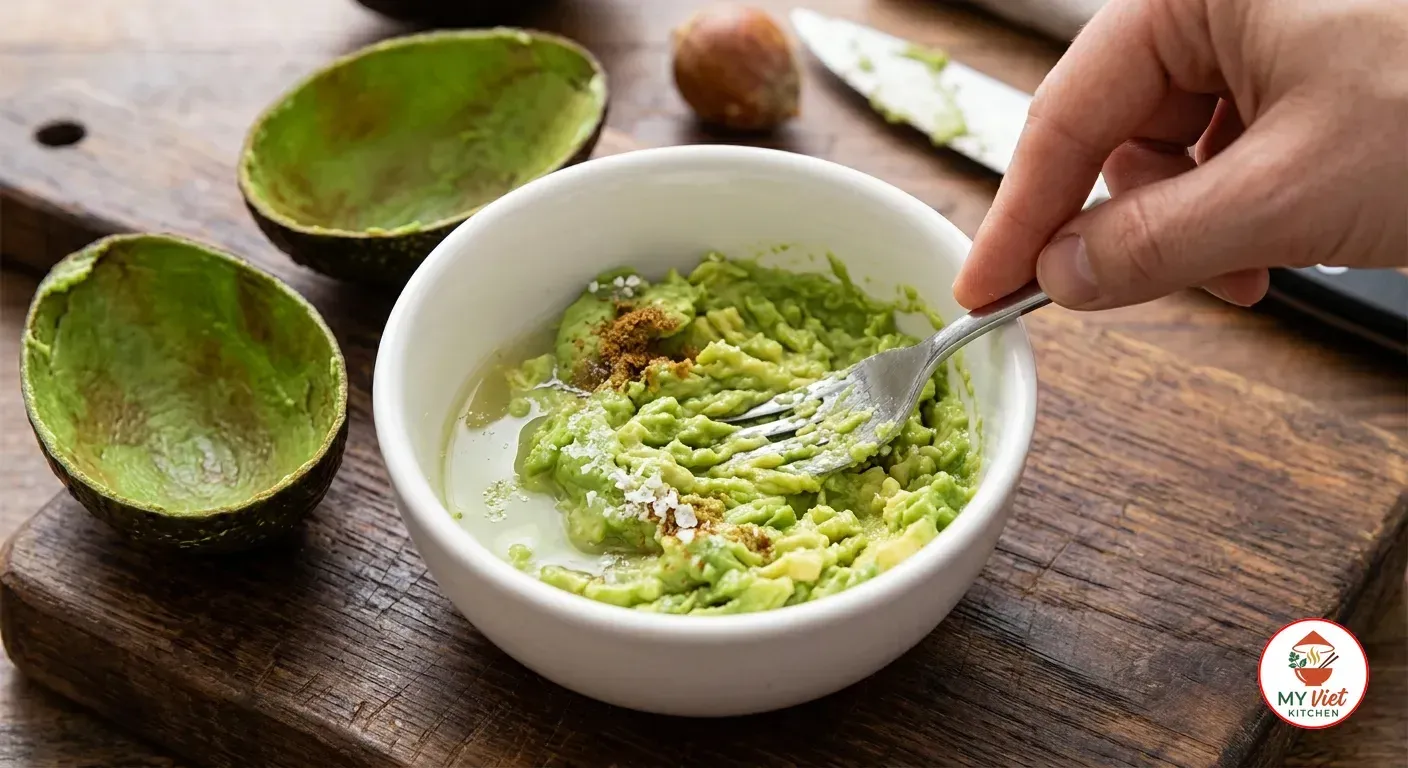
1 Cut each avocado in half lengthwise and twist gently to separate the halves. Remove the pit by tapping a knife into it and twisting. Scoop the flesh into a bowl using a large spoon. Mash it with a fork until mostly smooth but still slightly chunky. You want texture, not baby food. Add the lime juice and a generous pinch of salt. Stir in a pinch of cumin if you like a warm, earthy undertone. The lime juice does double duty here. It brightens the flavor and slows oxidation, keeping the avocado green longer.
Step 2: Prepare the Tomato Topping
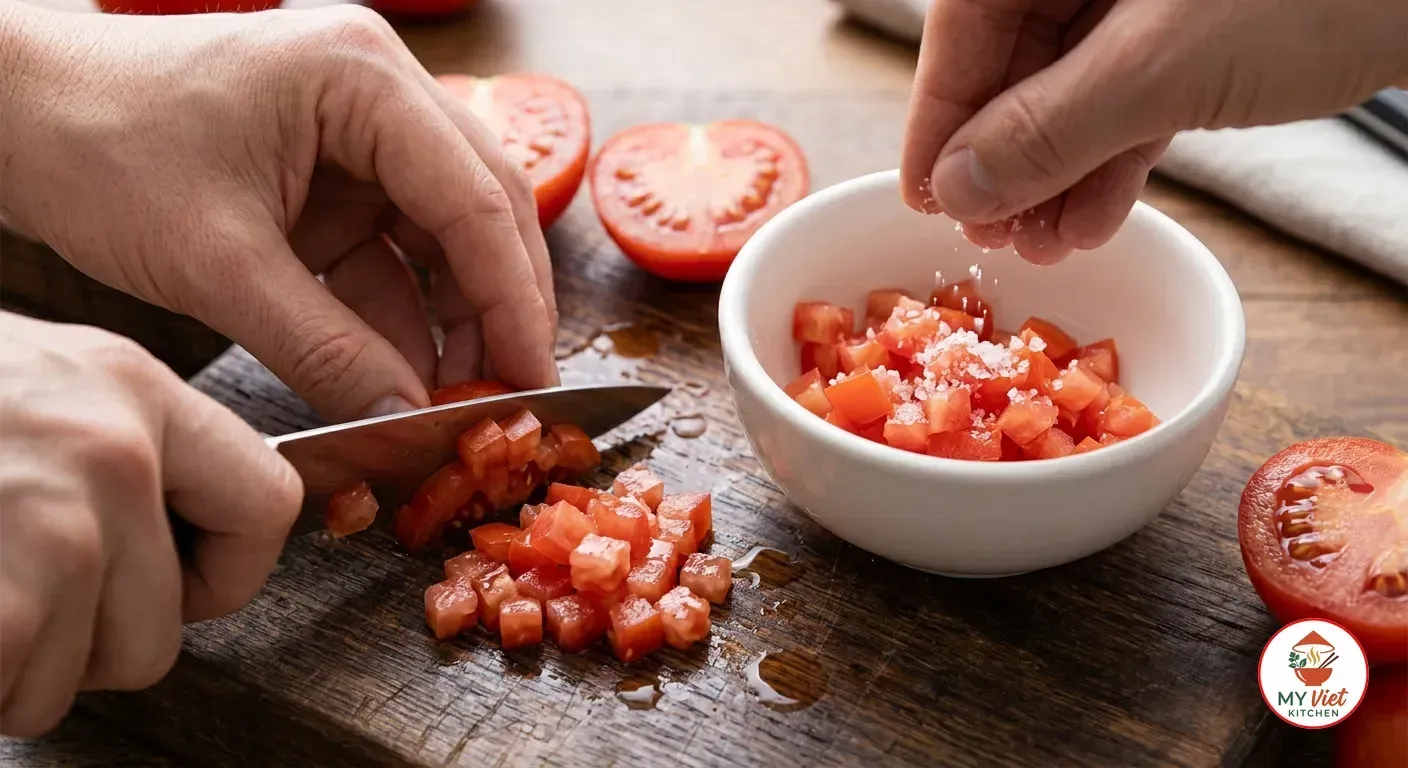
2 Dice the tomatoes into small, even cubes about a quarter inch wide. If they are very watery, remove the seeds. However, most Chilean cooks leave them in. Next, place the diced tomato in a small bowl and sprinkle with a pinch of salt. Then let them sit while you prepare the other parts. As a result, the salt draws out excess moisture so the tomato does not make your bun soggy. It also boosts the tomato flavor, giving you brighter, more intense bites in the finished completo.
Step 3: Cook the Sausages
3 First, fill a medium pot with water and bring it to a gentle boil. Then add the sausages and lower the heat to a simmer. Cook for 5 to 7 minutes until hot all the way through. Boiling is the classic Chilean method, and it keeps the sausage tender and juicy. However, if you prefer a bit of char, grill the sausages over medium heat for about 8 minutes. Turn them often. Alternatively, pan-frying in a lightly oiled skillet for 6 minutes also works well and gives you crispy edges.

Step 4: Toast the Buns
4 Meanwhile, lightly toast the hot dog buns while the sausages cook. Place them cut-side down in a dry skillet over medium heat for 1 to 2 minutes. Alternatively, set them under the broiler for 60 seconds. Watch them closely, because they go from golden to burnt fast. Toasting does two key things. First, it adds a subtle crunch that contrasts with the soft toppings. Second, the toasted surface forms a barrier that stops the bun from getting soggy under all that avocado and mayo. So do not skip this step.

Step 5: Assemble the Completo
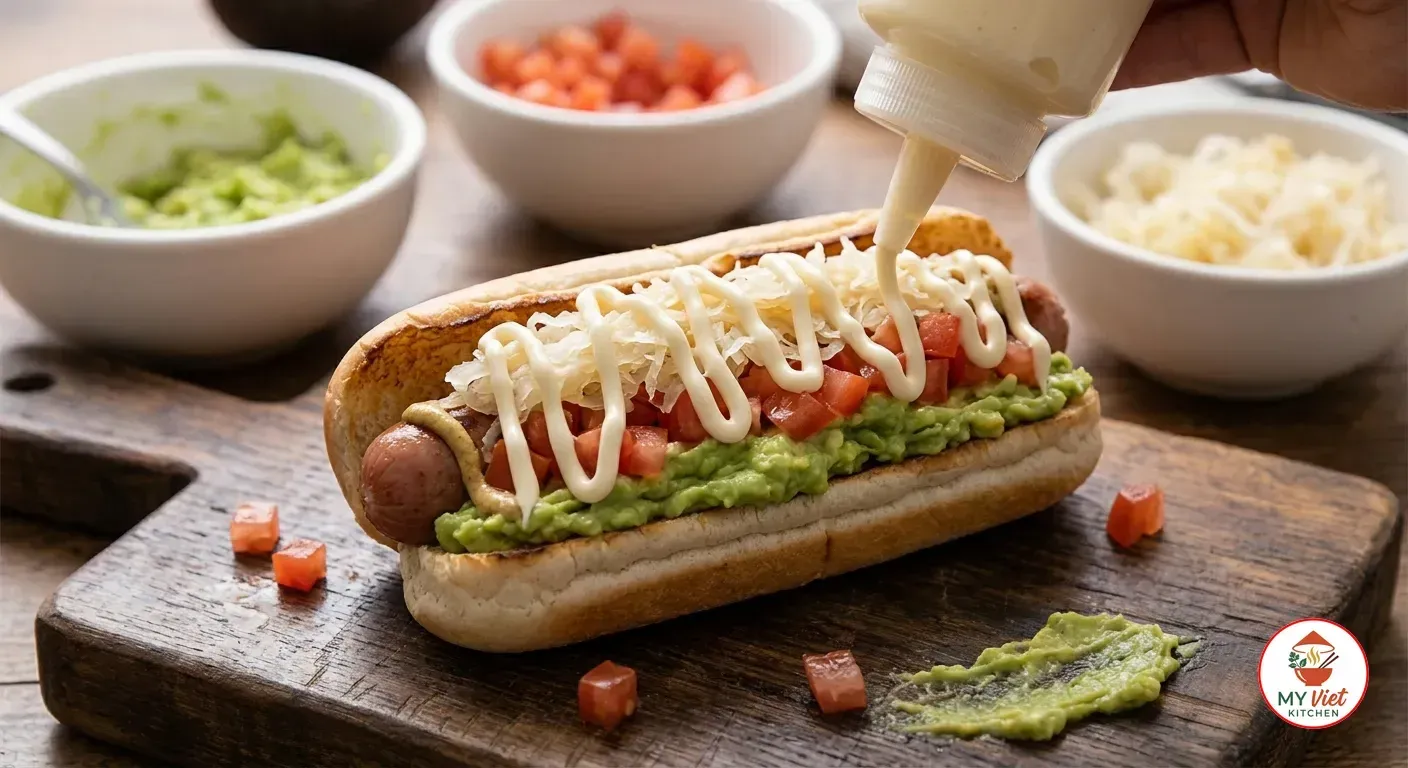
5 Place a cooked sausage in each toasted bun. Now build the layers. First, spread a thick stripe of mashed avocado over the sausage. Next, spoon the diced tomatoes along the length. Then pile on the drained sauerkraut. Finally, drizzle a bold zigzag of mayo and a thin line of mustard across the top. Be generous with every layer. A proper completo should look almost impossibly loaded. Serve right away while the sausage is still warm and the toppings are fresh.
Expert Tips for the Perfect Completo
Drain the Sauerkraut Thoroughly
Wet sauerkraut is the fastest way to ruin a completo. The excess liquid soaks into the bun within minutes and turns everything soggy. Therefore, drain the sauerkraut in a fine mesh strainer and press it gently with a spoon. Squeeze out as much liquid as you can. Some cooks also spread it on a paper towel for a minute. In the end, the sauerkraut should taste tangy and have a nice crunch, not drip with brine.
Use Soft, Long Buns
The bun matters more than you might think. Chilean completo buns are longer and softer than American hot dog buns. They need to hold a full-sized sausage plus a big pile of toppings. So look for sub-style soft rolls or extra-long hot dog buns. Avoid crusty bread, because it crumbles under the weight and makes the whole thing hard to eat. In contrast, a soft bun bends and keeps everything together.
Mash the Avocado Right Before Serving
Avocado turns brown fast once exposed to air. So mash it no more than 15 minutes before you assemble. The lime juice helps slow the browning, but nothing stops it fully. If you must prep the avocado early, press plastic wrap right onto the surface to block air. Fresh, bright green avocado looks great and tastes clean. However, brown avocado looks bad and picks up a slightly off flavor.
Completo Variations Across Chile
Chileans have invented dozens of completo variations over the decades. Each one changes the topping combination while keeping the same sausage-and-bun foundation. Here are the most popular styles you will find at any fuente de soda.
| Variation | Toppings | Key Difference |
|---|---|---|
| Completo (classic) | Avocado, tomato, sauerkraut, mayonnaise | The full loaded original with all four toppings |
| Completo Italiano | Avocado, tomato, mayonnaise | No sauerkraut, colors mirror the Italian flag |
| Dinamo | Avocado, sauerkraut, mayonnaise | Drops the tomato for a creamier, tangier profile |
| As | Sauerkraut, tomato, mayonnaise | No avocado, lighter and more acidic |
| Chacarero-style | Green beans, tomato, chili pepper, mayonnaise | Inspired by the chacarero sandwich, adds heat and crunch |
Serving Suggestions
In Chile, the completo is a complete meal on its own. However, adding the right sides and drinks elevates the experience. Here are the most authentic pairings.
Classic Accompaniments:
- Papas fritas (French fries): Thick-cut Chilean fries are the most common side. They add salt and crunch to balance the creamy avocado and rich mayonnaise.
- Ensalada chilena (Chilean salad): A simple salad of sliced onions and tomatoes dressed with oil, salt, and a squeeze of lemon. The sharp onion cuts through the richness of the completo.
- Pebre (Chilean salsa): A spicy condiment made with cilantro, onion, chili, and vinegar. Spooning pebre over your completo adds a layer of fresh heat that takes it to another level.
- Extra sauerkraut on the side: Many Chilean diners offer a bowl of sauerkraut at the table for guests who want more tangy, fermented crunch alongside their loaded hot dog.
Beverage Pairings:
- Mote con huesillo: Chile’s iconic cold drink made from wheat berries and dried peach in sweet syrup. Its sweetness contrasts perfectly with the savory, tangy completo.
- Pisco sour: Chile’s national cocktail combines pisco, lime juice, sugar, and egg white. The bright acidity pairs beautifully with the rich toppings.
- Bilz or Pap soda: These bright pink and orange Chilean soft drinks are the nostalgic pairing at any fuente de soda. Their sugary sweetness complements the salty sausage.
- Cold beer: A crisp Chilean lager like Cristal or Escudo is the go-to adult beverage. The carbonation and mild bitterness refresh the palate between bites.
Storage and Reheating
Refrigerator: Store leftover components separately. The cooked sausages keep for 3 to 4 days in a sealed container. Drained sauerkraut lasts up to a week. Diced tomatoes should be used within 2 days. Mashed avocado is best eaten the same day, but it keeps for 1 day if you press plastic wrap directly onto the surface.
Freezer: Uncooked sausages freeze for up to 3 months. Cooked sausages freeze well for 2 months when wrapped individually. The avocado and tomato toppings do not freeze well, so prepare them fresh. Sauerkraut can be frozen for up to 6 months without losing its tangy flavor or crunchy texture.
Reheating: Warm the sausages by simmering them in water for 3 minutes or reheating in a skillet over medium heat. Toast the buns fresh each time you serve. Never microwave an assembled completo, because the avocado turns gray and the bun becomes gummy. Always assemble the completo fresh right before eating for the best flavor and texture.
Common Mistakes to Avoid
1. Using Guacamole Instead of Mashed Avocado
Guacamole has onion, cilantro, jalapeno, and more. These extras change the flavor a lot. But a completo uses pure mashed avocado with just lime and salt. As a result, the simplicity lets the avocado flavor shine without competing with the other toppings. If you add guacamole, it turns into a different dish. So keep the avocado clean and simple.
2. Being Shy with the Toppings
A completo is meant to be overloaded. If you can still see the sausage after topping, you have not added enough. Chilean street vendors pile the toppings high and wide. The bun should barely hold everything together. This abundance is the whole point. A skimpy completo misses the spirit of the dish and tastes unbalanced because each topping needs volume to play its role.
3. Skipping the Bun Toasting
An untoasted bun soaks up moisture from the sauerkraut, tomato, and avocado fast. Then it falls apart in your hands and turns into a damp, doughy mess. However, toasting takes just 60 to 90 seconds and creates a thin shield. That shield buys you enough time to eat the completo before the bun gives way. Ultimately, this small step makes a huge difference.
4. Using Unripe Avocados
Hard, unripe avocados do not mash well. They leave chunks that roll off the sausage and taste grassy. In contrast, a ripe avocado yields to gentle thumb pressure near the stem and has dark skin. So plan ahead and buy avocados two to three days early. Once ripe, they mash into a creamy layer that clings to the sausage perfectly.
Frequently Asked Questions
What is a completo?
A completo is Chile’s loaded hot dog. It features a boiled or grilled sausage in a soft bun, covered with mashed avocado, diced tomatoes, sauerkraut, and a generous drizzle of mayonnaise. The name means “complete” in Spanish because it comes with every topping at once. Chileans eat completos at casual diners called fuentes de soda, at street carts, and at home.
What is the difference between a completo and a completo italiano?
A completo italiano uses only three toppings: mashed avocado, diced tomato, and mayonnaise. These three ingredients represent the green, red, and white colors of the Italian flag. A regular completo adds sauerkraut as the fourth topping. Both versions are extremely popular in Chile, and most people order one or the other depending on their mood.
What kind of sausage do you use for a completo?
Chileans use a sausage called vienesa, which is a mild, smooth pork and beef frankfurter similar to a Vienna sausage. Outside Chile, any standard beef or pork hot dog works as a substitute. Choose a mild sausage rather than a heavily smoked or spiced one. The toppings do the heavy lifting in this dish, so the sausage should provide a clean, savory base.
Why do Chileans put so much mayonnaise on completos?
Mayonnaise is one of the most loved condiments in Chilean cuisine. It adds richness and creaminess that ties all the other toppings together. Chilean mayonnaise is often slightly tangier and thinner than American brands. The generous application is part of the authentic experience, but you can always adjust the amount to suit your personal taste.
Can I make a completo without avocado?
You can, but it will not be a traditional completo. Without avocado, the dish loses its signature creamy element. Some people substitute with extra mayonnaise, but that changes the flavor balance. If avocados are unavailable, try the “as” variation, which uses sauerkraut, tomato, and mayonnaise without avocado. However, for the full experience, ripe avocado is essential.
How many completos do Chileans eat per year?
Chile consumes roughly 50 to 60 million kilograms of hot dog sausages each year, and the completo is by far the primary way they are served. That places Chile among the top per capita hot dog consuming nations in the world. The completo is not a niche food. It is a daily staple eaten by people of every age and background across the country.
Variations and Adaptations
Completo Italiano:
Remove the sauerkraut and keep only the avocado, tomato, and mayonnaise. This is arguably the most popular variation in Chile. The Italian name comes from the three colors matching the Italian flag: green avocado, red tomato, and white mayonnaise. Without the fermented tang of sauerkraut, the italiano has a milder, more approachable flavor that appeals to people who find sauerkraut too strong.
Spicy Completo with Pebre:
Add a generous spoonful of pebre, the traditional Chilean salsa made from minced onion, cilantro, fresh chili, olive oil, and vinegar. The heat from the chili and the brightness of the cilantro transform the completo into something bolder and more complex. This variation is popular among those who find the classic version too mild. Pebre also adds a satisfying crunch from the raw onion.
Completo with Salsa Americana:
Salsa americana is a Chilean condiment made from pickled vegetables, including diced carrots, onions, and green beans in a sweet vinegar brine. Adding a spoonful to the completo introduces a pickled sweetness and extra crunch. Many fuentes de soda keep a jar of salsa americana on every table for customers to add as they wish. It pairs especially well with the sauerkraut, doubling down on fermented and pickled flavors.
The Cultural Significance of the Completo
The completo is woven into Chilean daily life. It is not saved for special events or fancy places. Instead, it lives in the fuentes de soda, the no-frills diners that have fed working Chileans for generations. For example, office workers grab a completo for a quick lunch. Similarly, students eat them between classes. And families share platters on weekend outings. In short, the completo makes good eating open to all, because it costs very little yet delivers huge joy.
The dish also shows Chile’s rich cultural blending. German settlers who moved to southern Chile in the 1800s brought their sausage-making skills. Then Chilean cooks adapted the hot dog with local items, especially the avocado. The sauerkraut, called chucrut in Chilean Spanish, is a direct link to that German heritage. Meanwhile, the bold use of mayo reflects French culinary influence. All in all, the completo tells the story of immigration, adaptation, and national pride in a single dish.
More recently, gourmet versions have shown up at trendy spots and food festivals. Chefs now try artisan sausages, truffle mayo, and heirloom tomatoes. Yet most Chileans still prefer the original. The beauty of the completo lies in its simplicity. It proves that you do not need pricey ingredients or fancy techniques to make food that brings people together. Ultimately, that is its lasting power.
Conclusion
This completo recipe brings one of South America’s most beloved street foods to your home kitchen. The process is simple and forgiving. Boil the sausage, toast the bun, mash the avocado, and pile everything high. In just 30 minutes, you get a loaded hot dog that captures the bold, generous spirit of Chilean cuisine. The balance of creamy avocado, fresh tomato, tangy sauerkraut, and rich mayonnaise creates a flavor combination that is far greater than its humble parts. Once you make your first completo, you will understand why Chile is obsessed.
Ready to explore more iconic street food from around the world? Browse our full collection of South American dishes, including European street food classics. Also check out our German currywurst recipe for another loaded sausage experience, or try our Asian street food recipes for more bold, fast-to-make meals from around the globe.