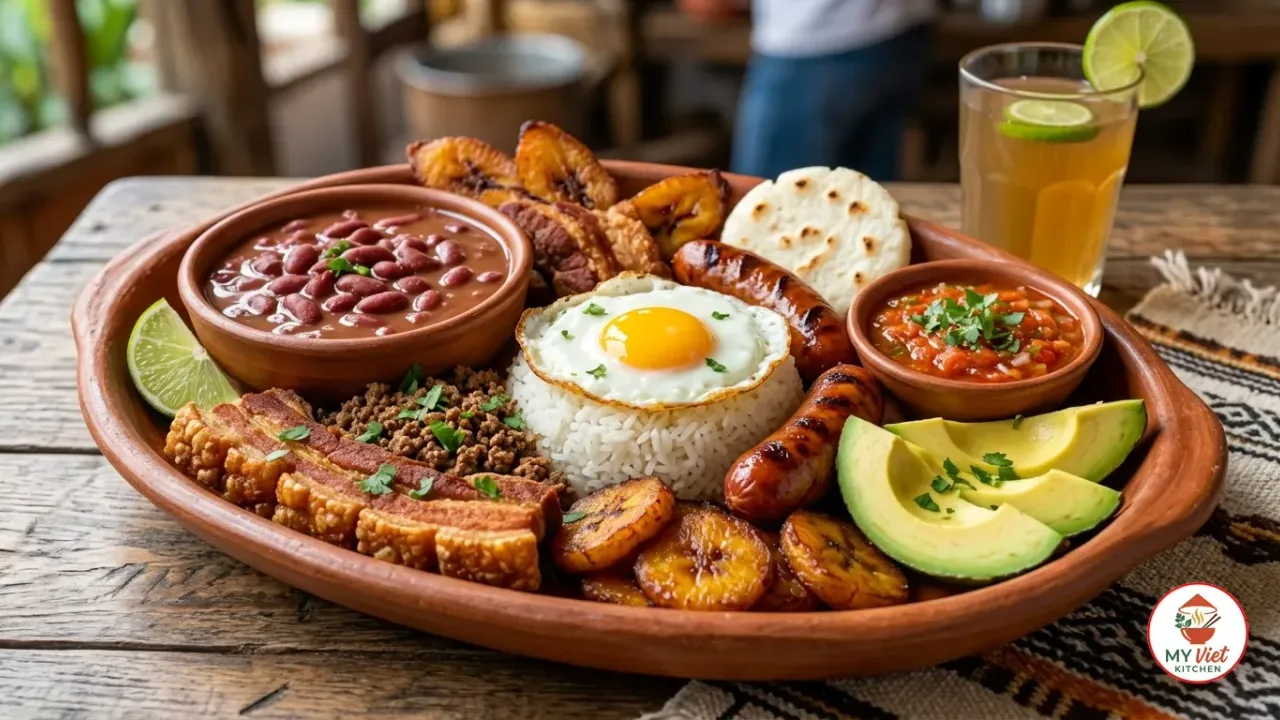
Bandeja paisa is Colombia’s most iconic and generous dish, a towering oval platter that celebrates the bold, hearty spirit of the Antioquian highlands. This legendary Colombian meal brings together red kidney beans, white rice, seasoned ground beef, crackling chicharron, golden fried plantains, chorizo, a sunny fried egg, a warm arepa, creamy avocado, and a spoonful of tangy hogao sauce, all on one magnificent plate. This bandeja paisa recipe walks you through every component so you can recreate this unforgettable Colombian experience at home, even if it is your first time cooking Latin American food.
Prep Time: 30 minutes | Cook Time: 2 hours | Servings: 4
Difficulty: Medium | Calories: ~980 per serving
What Makes Bandeja Paisa Special?
Bandeja paisa is not just a meal. It is a cultural declaration, a love letter from the Antioquia region of Colombia to the rest of the world. Unlike most dishes that focus on one protein or flavor, bandeja paisa loads the plate with bold contrasts. You get crispy pork skin next to creamy avocado. Sweet plantains sit beside savory ground beef. Starchy beans rest next to fluffy white rice. Every bite offers a new mix, and that is the whole point.
Originally, this bandeja paisa recipe traces its roots to the arrieros, the mule drivers and farmers who worked the rugged mountain terrain of the Colombian Andes. Workers in this region needed a big, calorie-dense meal to fuel a full day of hard labor. As a result, bandeja paisa evolved as a practical way to combine every available ingredient into one satisfying platter. Over time, it grew from humble field food into Colombia’s most celebrated national dish.
What truly sets this bandeja paisa recipe apart from other Latin American platters is its balance of parts. Each item has a clear role. Beans bring earthy depth and protein. Chicharron adds crunch and richness. The fried egg gives a silky, runny yolk that acts as a sauce when broken over the rice. Moreover, hogao ties it all together with bright tomato-onion tang. No single part takes over, because the magic lives in how they all work as one.
Choosing the Right Beans for Bandeja Paisa
Good beans are the soul of any bandeja paisa recipe. Colombian cooks take their frijoles very seriously, because a watery or bland bean broth can ruin the whole platter. Here are your best options.
- Red kidney beans (best choice): These are the classic bean in Antioquian cooking. They hold their shape during long simmering and make a thick broth that clings to the rice. Soak them overnight for the best results and to cut the cook time in half.
- Cranberry beans (borlotti): A good swap with a creamier texture and a similar earthy taste. They cook faster than kidney beans, so check them after 1 hour.
- Canned red beans (quick option): If time is short, use two 15-ounce cans of red beans. Simmer them for 20 to 30 minutes with onion, garlic, and cumin to build flavor. However, the taste and texture will not match dried beans that cook for hours.
Ingredients for Bandeja Paisa
Red Beans (Frijoles):
- 2 cups dried red kidney beans, soaked overnight
- 1/2 large onion, finely diced
- 2 cloves garlic, minced
- 1/2 teaspoon ground cumin
- Salt and pepper to taste
Proteins:
- 1 pound ground beef
- 1 pound pork belly, cut into 2-inch pieces (for chicharron)
- 4 Colombian-style chorizos
- 4 large eggs
Sides and Accompaniments:
- 2 cups long-grain white rice
- 2 ripe plantains, sliced on a diagonal
- 4 pre-made white corn arepas
- 2 ripe avocados, sliced
Hogao Sauce:
- 1/2 large onion, finely diced
- 2 green onions, chopped
- 1 large tomato, diced
- 1/2 teaspoon ground cumin
- 2 tablespoons vegetable oil
- Salt and pepper to taste
Seasonings and Extras:
- 2 cloves garlic, minced
- 1 teaspoon ground cumin
- 1 teaspoon sazon seasoning
- Salt and black pepper to taste
- Vegetable oil for frying
- Fresh cilantro for garnish
- Lime wedges for serving
Pro tip: The secret to outstanding bandeja paisa is timing. Start with the beans first because they take the longest. While they simmer, prepare the hogao, rice, and proteins in stages. By the time the beans are tender, everything else will be ready. This approach lets you serve the entire platter hot and fresh without feeling overwhelmed.
Step-by-Step Instructions
Step 1: Cook the Red Beans
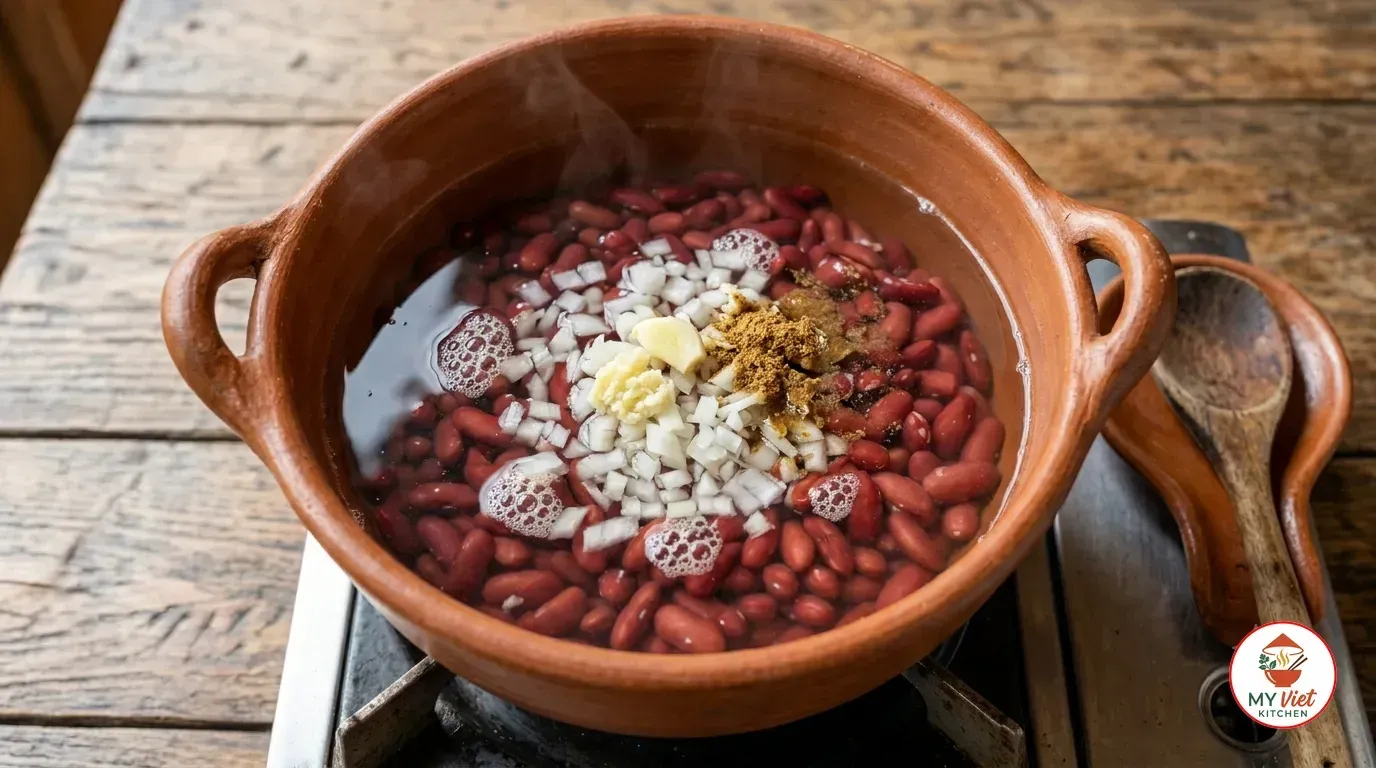
1 Drain the soaked red kidney beans and place them in a large pot. Cover with fresh water by about 3 inches. Add half the diced onion, 2 cloves of minced garlic, and a pinch of cumin. Bring the mixture to a rolling boil over high heat, then reduce to a gentle simmer. Cook uncovered for 1.5 to 2 hours, stirring occasionally, until the beans are completely tender and the broth has thickened into a rich, creamy consistency.
Great frijoles need patience. Do not add salt until the last 20 minutes, because salt makes the bean skins tough and slows the cook time. Also, skim any foam that rises during the first 15 minutes. When done, the beans should be soft enough to mash with your fingers, and the broth should coat a spoon.
Step 2: Prepare the Hogao Sauce
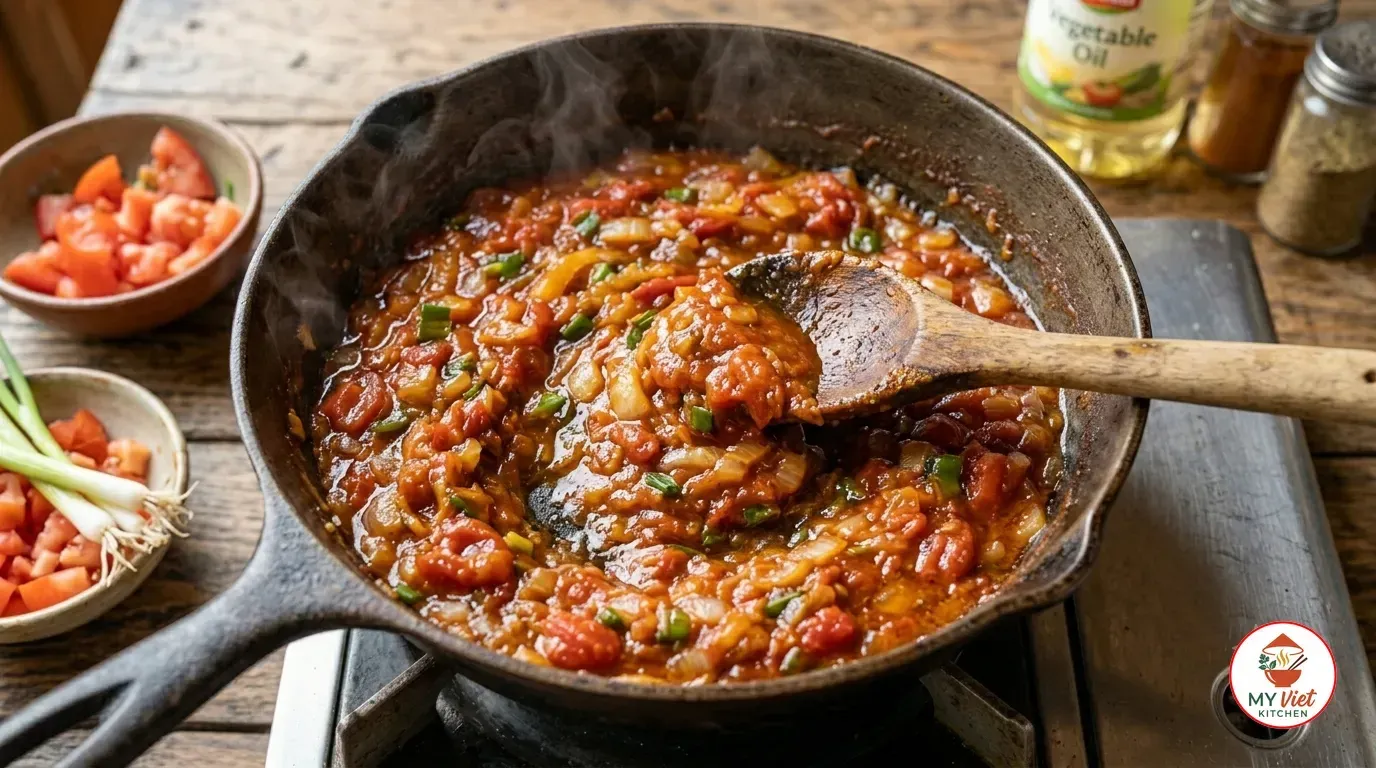
2 While the beans simmer, prepare the hogao. Heat 2 tablespoons of vegetable oil in a skillet over medium heat. Add the remaining diced onion and the chopped green onions. Cook for 4 to 5 minutes until soft and translucent. Then add the diced tomato and cook for another 8 to 10 minutes, stirring occasionally, until the tomatoes break down completely into a thick, jammy sauce.
Season with cumin, salt, and pepper. The hogao should taste rich, sweet, and savory. This sauce is the backbone of Colombian cooking. It shows up in dozens of dishes, and making it from scratch will lift your bandeja paisa recipe from good to great.
Step 3: Cook the Rice
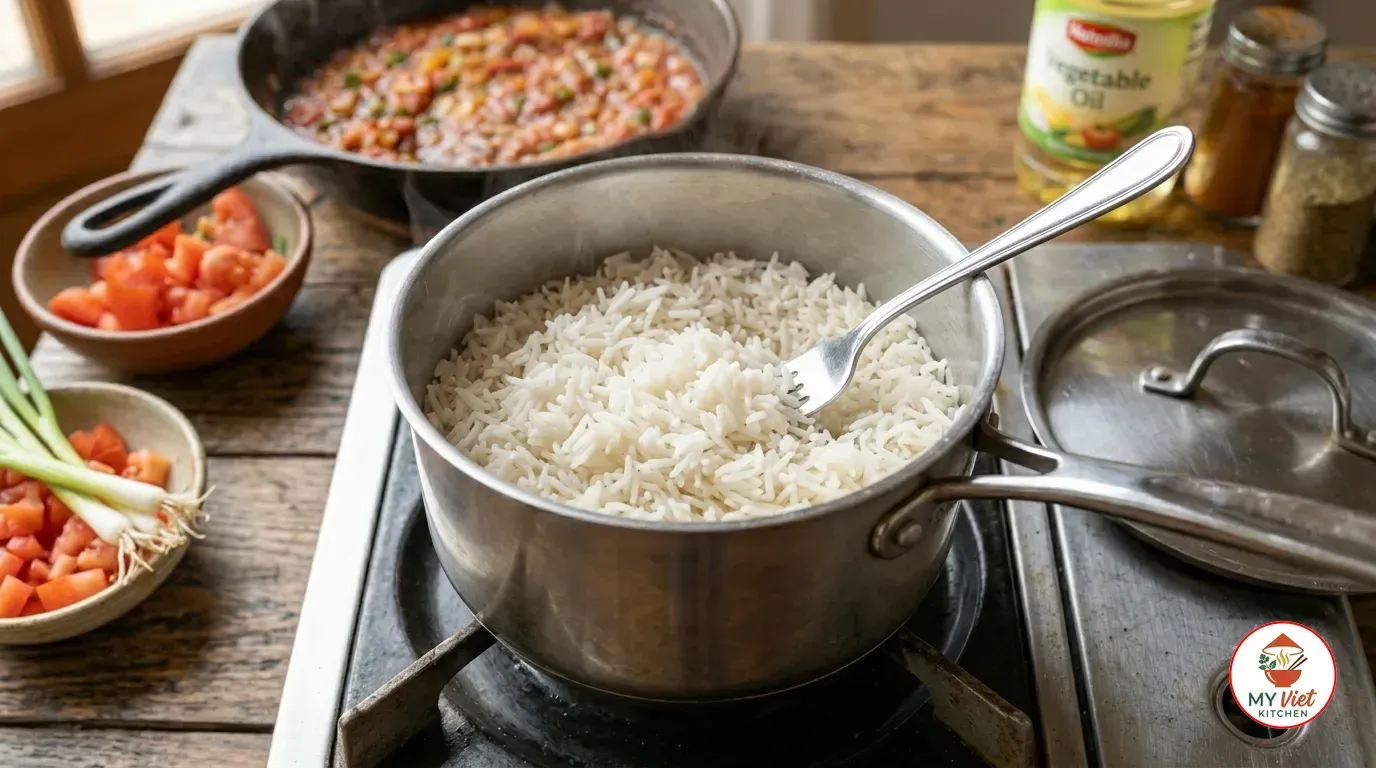
3 Rinse the long-grain white rice under cold running water until the water runs clear. This removes excess starch and prevents the grains from clumping together. Combine the rice with 3 cups of water and 1 teaspoon of salt in a medium pot. Bring to a boil over high heat, then stir once and cover tightly with a lid.
Drop the heat to the lowest setting and cook for 18 minutes. Do not lift the lid. After 18 minutes, take the pot off the heat and let it rest, still covered, for 5 minutes. Then fluff with a fork. Rice for bandeja paisa should be plain, white, and fluffy. It acts as a blank canvas that soaks up the bean broth and hogao.
Step 4: Make the Chicharron
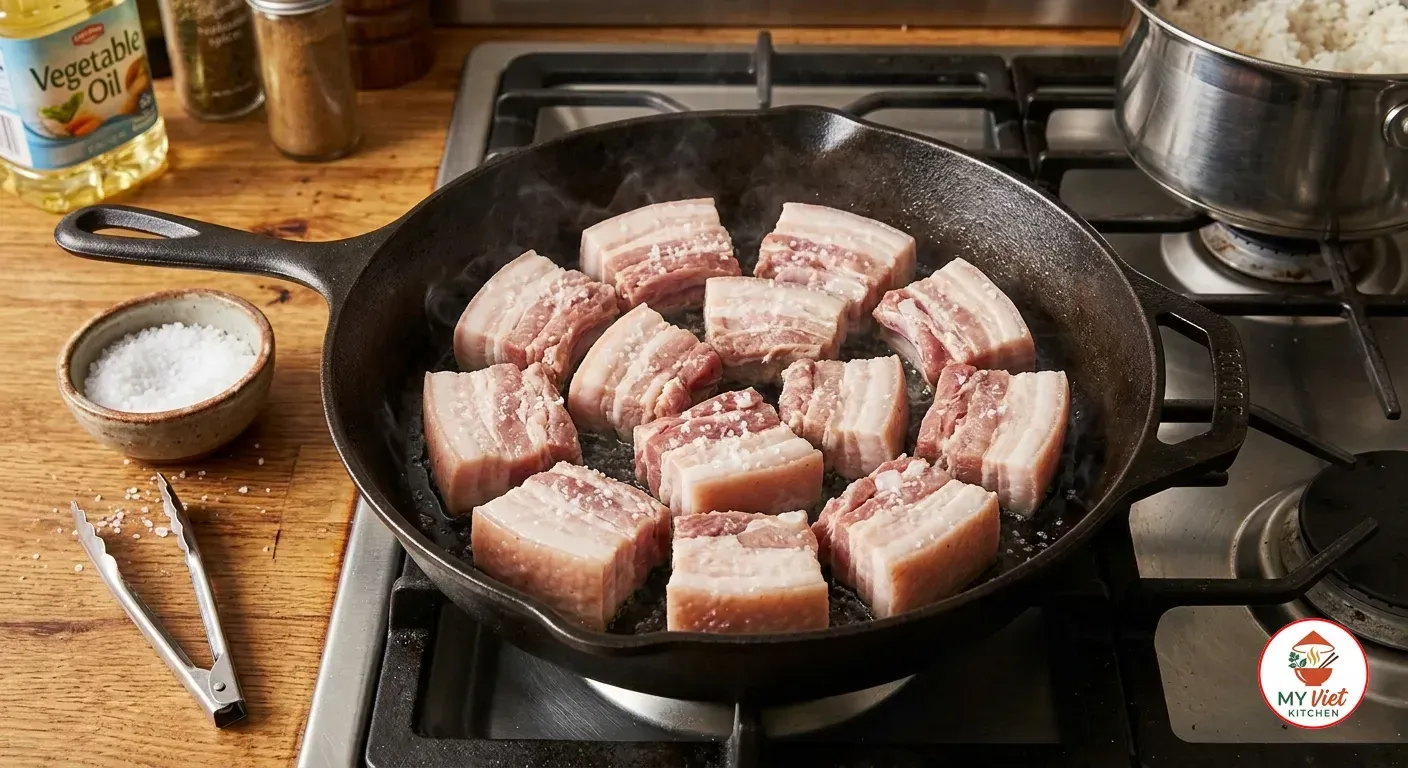
4 Cut the pork belly into 2-inch pieces and season generously with salt. Place them skin-side down in a cold, dry skillet. This cold-start method is essential because it allows the fat to render slowly and the skin to crisp evenly without burning.
Turn the heat to medium and cook for 20 to 25 minutes, turning now and then. You want a golden, crackling skin that snaps when you bite it, while the meat stays juicy inside. Drain on paper towels. For extra crunch, you can dip the pieces in 375-degree oil for 2 minutes. However, the slow pan method works great on its own.
Step 5: Cook the Ground Beef and Chorizo
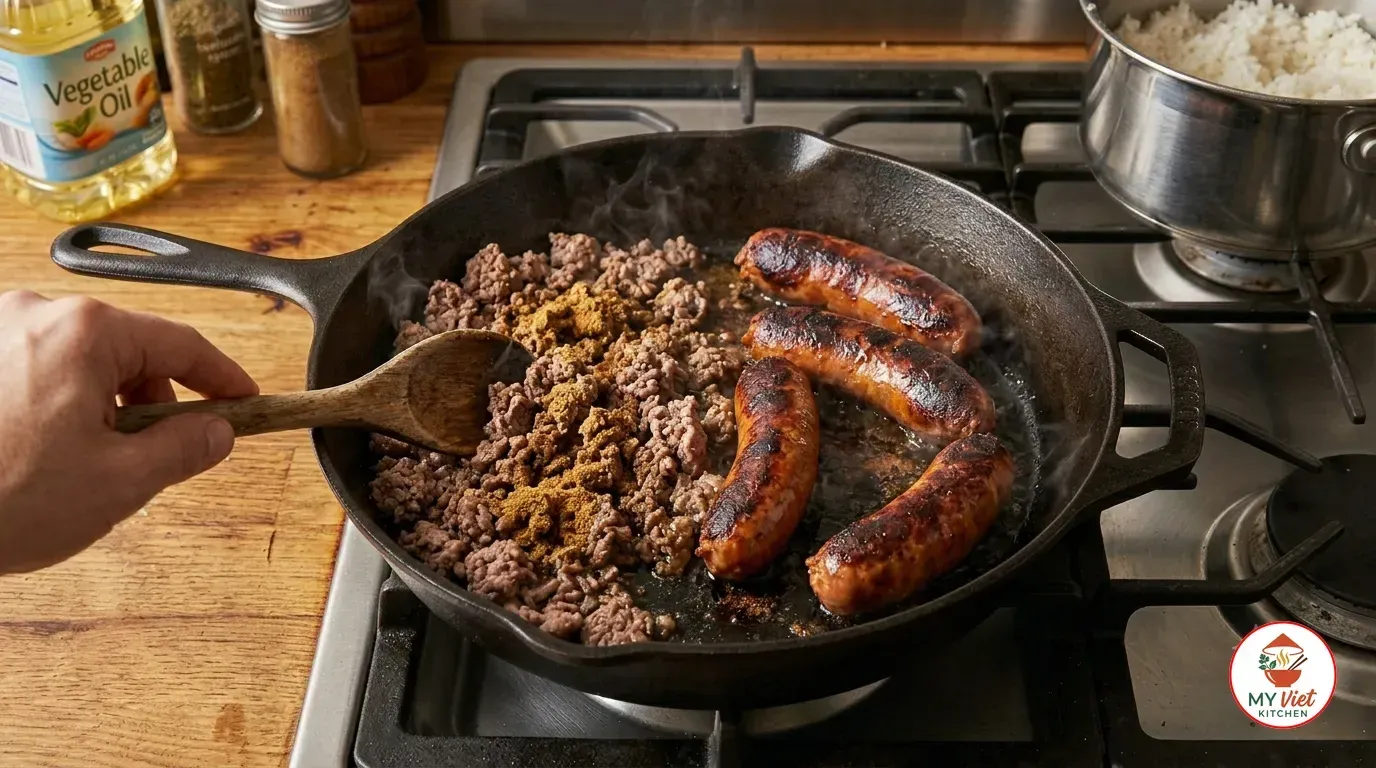
5 Heat a tablespoon of oil in a skillet over medium-high heat. Add the ground beef, remaining minced garlic, cumin, and sazon seasoning. Break the meat apart with a wooden spoon and cook for 8 to 10 minutes until fully browned and slightly crispy at the edges. Season with salt and pepper to taste. This ground beef, called carne molida, should be well-spiced and dry, not saucy.
In a separate pan, cook the chorizos over medium heat for 10 to 12 minutes. Turn them every few minutes until they develop a deep brown crust on all sides and the juices run clear. Colombian chorizo is milder than its Spanish cousin, spiced with garlic, cumin, and green onion. Therefore, it adds savory depth without taking over the other items on the plate.
Step 6: Fry the Plantains and Eggs
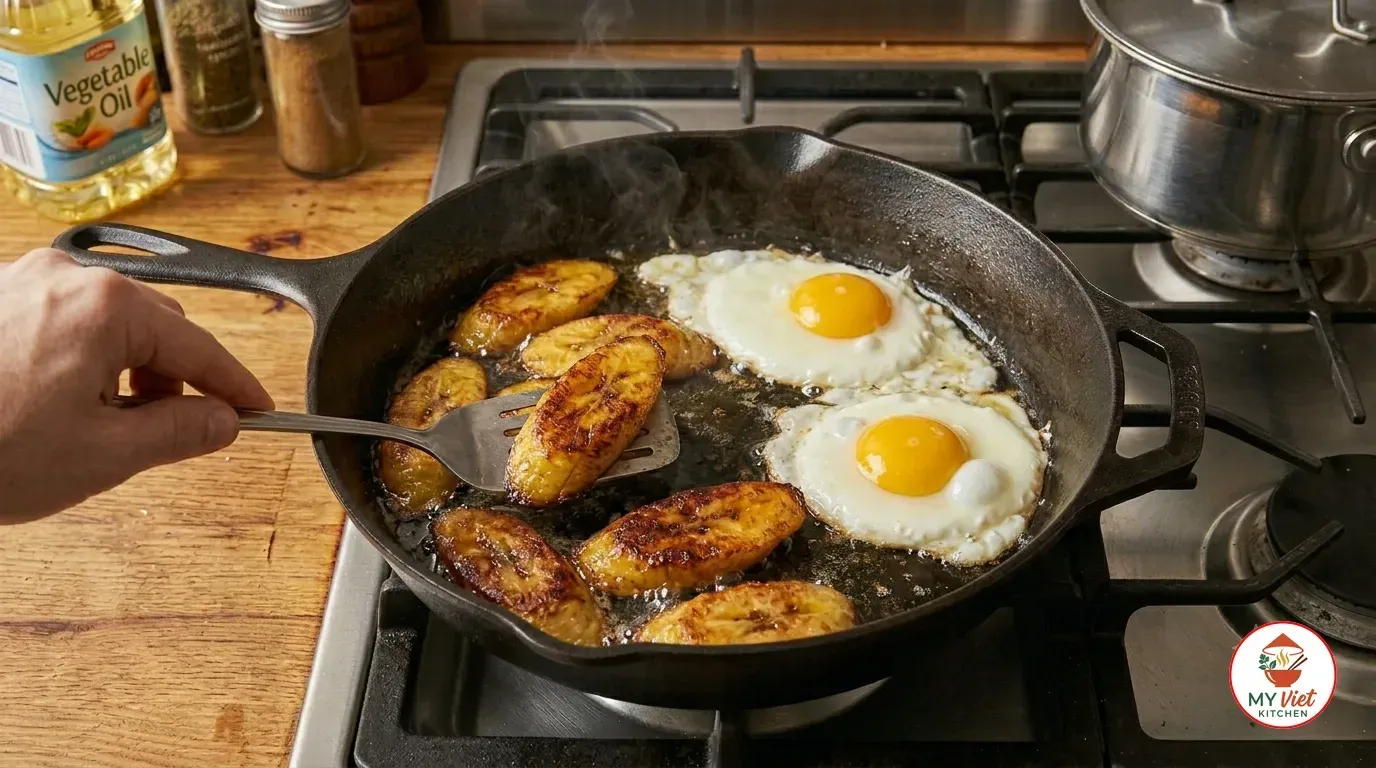
6 Peel the ripe plantains and slice them on a diagonal into half-inch thick pieces. Heat about half an inch of vegetable oil in a skillet over medium heat until the oil shimmers. Fry the plantain slices for 2 to 3 minutes per side until deep golden and caramelized. The sugars in ripe plantains form a golden caramel crust. Drain on paper towels and sprinkle lightly with salt.
Next, fry the eggs in the same oil. Crack each egg gently into the hot oil and cook until the whites are completely set but the yolks remain soft and runny. A runny yolk is key for bandeja paisa. When you break it over the rice and beans, it makes a rich, silky sauce that ties the whole plate together. Use a spoon to baste the egg whites with hot oil so they cook evenly.
Step 7: Assemble the Bandeja Paisa
7 Warm the arepas in a dry skillet over medium heat for 2 minutes per side, or toast them in the oven at 375 degrees for 5 minutes until lightly golden. Slice the avocados into thin wedges. Now comes the grand assembly that makes bandeja paisa such a stunning presentation.
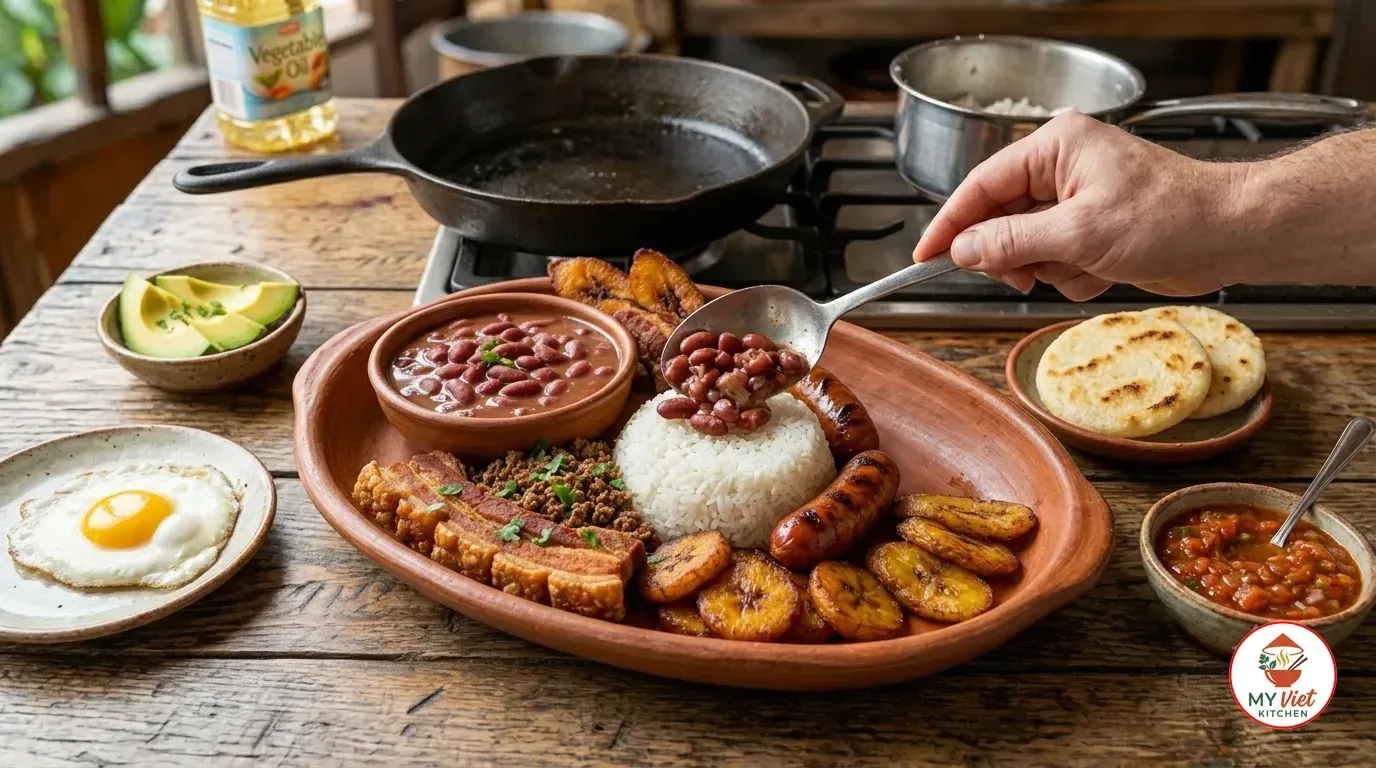
Use a large oval platter or a wide, flat plate. Mound the white rice on one side and spoon the red beans alongside it, letting some broth pool around the rice. Place the ground beef next to the beans. Arrange the chicharron pieces, chorizo, and fried plantain slices around the edges. Set the fried egg on top of the rice so the yolk sits proudly. Tuck the arepa and avocado slices into any remaining space. Finally, add a generous spoonful of hogao, garnish with fresh cilantro, and place lime wedges on the side. Serve immediately while everything is hot.
Expert Tips for the Perfect Bandeja Paisa Recipe
Start the Beans First and Work in Stages
A great bandeja paisa recipe requires managing many parts at once. The solution is simple: start the beans 2 hours before you plan to serve. While they simmer, prepare everything else in a logical sequence. Make the hogao and rice next, then the chicharron, followed by the ground beef and chorizo. Fry the plantains and eggs last, since they take only minutes and taste best fresh from the pan.
Use Ripe Plantains for the Best Flavor
For bandeja paisa, you want very ripe plantains with black spots or mostly black skins. At this stage, the starch has turned to sugar. That means they brown and caramelize when fried. Green plantains are starchy and savory, and they belong in other dishes like patacones. If your plantains are still green, leave them at room temperature for 4 to 5 days until they ripen fully.
Render Chicharron Low and Slow
The top rule for crispy chicharron is patience. Start the pork belly in a cold pan so the fat renders slowly. If you drop it into hot oil, the outside burns while the inside stays chewy. Low heat for 20 to 25 minutes gives you the snappy crunch and tender meat that makes great chicharron.
Bandeja Paisa: Regional Variations Across Colombia
While the core parts of any bandeja paisa recipe stay the same, each region in Colombia puts its own twist on the dish. Here is how they compare.
| Region | Key Differences | Notable Additions |
|---|---|---|
| Antioquia (traditional) | The original version with all classic components, generous portions | Morcilla (blood sausage), hogao on the side |
| Bogota | Slightly smaller portions, sometimes served on a round plate | Often includes a small pasta side |
| Medellin | Known for the largest and most loaded platters | Extra chicharron, sometimes two types of sausage |
| Coffee Region | Emphasis on fresh avocado and perfectly cooked beans | Accompanied by fresh fruit juice |
| Coastal Colombia | Lighter version with fewer fried elements | May include coconut rice instead of white rice |
Serving Suggestions
Bandeja paisa is a complete meal in itself. In fact, it is one of the most generous single-plate servings you will find anywhere in the world. Traditionally, it is eaten as a hearty lunch, the main meal of the day in Colombian culture. However, there are a few accompaniments that make the experience even better.
The Perfect Accompaniments:
- Colombian empanadas: Small, crispy corn empanadas filled with seasoned potato and meat make a perfect starter before the main event.
- Aji colombiano: A fresh, spicy condiment made from cilantro, green onions, lime juice, and hot peppers that adds a bright kick to every component on the platter.
- Ensalada de aguacate: A simple avocado salad dressed with lime and salt provides a cool, creamy contrast to the rich proteins.
- Patacones: Twice-fried green plantain discs offer a crunchy, savory alternative alongside the sweet fried ripe plantains already on the platter.
Beverage Pairings:
- Aguapanela with lime: Colombia’s beloved sugarcane water, served cold with fresh lime. It is sweet, refreshing, and the most traditional pairing with bandeja paisa.
- Fresh fruit juice (jugo natural): Colombian meals are almost always accompanied by fresh juice. Lulo, maracuya (passion fruit), or guanabana (soursop) are the classic choices.
- Colombian beer: A cold Club Colombia, Aguila, or Poker beer is the casual go-to drink at any bandeja paisa lunch.
- Colombian coffee: End the meal with a tinto, a small, sweet black coffee that Colombians drink throughout the day. It is the perfect palate cleanser after such a rich meal.
Storage and Reheating
Refrigerator: Store leftover components separately in airtight containers for up to 3 days. The beans and ground beef reheat beautifully. Interestingly, the beans taste even better the next day because the flavors continue to develop and the broth thickens further.
Freezer: The red beans, ground beef, and hogao sauce freeze well for up to 3 months. Portion them into individual containers for easy weeknight meals. However, do not freeze the chicharron, fried eggs, or avocado, as they lose their texture completely.
Reheating: Warm the beans and ground beef on the stovetop over low heat, adding a splash of water to the beans if they have thickened overnight. Reheat the rice in a covered pot with a tablespoon of water. For the chicharron, place it in a 400-degree oven for 5 minutes to restore the crispiness. Always fry the eggs and plantains fresh rather than reheating them.
Common Mistakes to Avoid
1. Rushing the Beans
Undercooked beans ruin any bandeja paisa recipe. The frijoles need at least 1.5 hours of simmering, sometimes longer depending on the age of the beans. Test them frequently after the first hour. They should be creamy and soft enough to mash easily. If you skip the overnight soak, add at least another hour to the cooking time.
2. Over-Crowding the Chicharron Pan
Placing too many pork belly pieces in the skillet at once traps moisture and causes the chicharron to steam rather than crisp. Cook the pork belly in batches if needed. Each piece needs direct contact with the hot pan surface to develop that shattering golden crust that defines great chicharron.
3. Using Unripe Plantains
Bandeja paisa calls for tajadas, which are sweet fried plantain slices made from very ripe fruit. If you use green or underripe plantains, you will get starchy, bland slices instead of the golden, caramelized sweetness that this dish requires. The skin should be mostly black with very soft flesh inside.
4. Skipping the Hogao
Some home cooks omit the hogao sauce to save time, but this is a mistake. Hogao is the bright, acidic element that cuts through the richness of the fried meats and beans. Without it, the platter feels heavy and one-dimensional. It takes only 15 minutes to make and transforms the entire meal.
Frequently Asked Questions
What is bandeja paisa?
Bandeja paisa is Colombia’s most famous traditional dish from the Antioquia region. It is a large oval platter loaded with red kidney beans, white rice, ground beef, chicharron, a fried egg, sweet plantain slices, chorizo, a white corn arepa, sliced avocado, and hogao sauce. The name means “paisa platter,” referring to the people of the Antioquian highlands.
What are the traditional components of bandeja paisa?
A traditional bandeja paisa includes red kidney beans cooked with pork, white rice, seasoned ground beef, chicharron, a fried egg with a runny yolk, sweet fried plantain slices, Colombian chorizo, a white corn arepa, sliced avocado, and hogao sauce. Some versions in Antioquia also include morcilla (blood sausage) and a small serving of pasta.
Can I make bandeja paisa ahead of time?
Yes, you can prepare several components in advance. The red beans taste even better the next day after the flavors deepen overnight. The hogao sauce and ground beef can also be made 1 to 2 days ahead and stored in the refrigerator. However, the chicharron, fried eggs, and plantains should always be prepared fresh, since they lose their crispy texture quickly.
What can I substitute for Colombian chorizo in bandeja paisa?
If Colombian chorizo is unavailable, a mild Spanish chorizo or fresh Mexican chorizo works as a substitute. Colombian chorizo is seasoned with cumin, garlic, and green onions, so it is milder and less smoky than Spanish varieties. You can also use fresh Italian sausage seasoned with extra cumin and garlic to approximate the flavor profile.
Is bandeja paisa gluten-free?
Bandeja paisa is naturally gluten-free because its main components are beans, rice, meats, eggs, plantains, avocado, and corn-based arepas. However, always check the labels on store-bought chorizos and arepas, because some brands include wheat-based fillers or additives. When in doubt, make the arepas from scratch using only masarepa corn flour.
How many calories are in a bandeja paisa?
A full bandeja paisa typically contains between 900 and 1200 calories per serving. This substantial calorie count reflects the dish’s origins as fuel for farmers and laborers in the Colombian Andes. If you prefer a lighter version, reduce the portion of chicharron and ground beef while keeping the beans, rice, avocado, and plantains.
Variations and Adaptations
Lighter Bandeja Paisa:
Replace the chicharron with grilled pork loin and use turkey chorizo instead of traditional pork chorizo. Bake the plantains at 400 degrees instead of frying them. Keep the beans, rice, avocado, and hogao intact, because these elements are already healthy and provide the essential bandeja paisa character. This version cuts calories significantly while preserving the spirit of the dish.
Vegetarian Bandeja Paisa:
Omit the ground beef, chicharron, and chorizo. Instead, add extra-firm tofu seasoned with cumin and sazon, sauteed mushrooms for meaty texture, and crispy fried cheese (queso frito) for richness. The beans, rice, egg, plantain, arepa, avocado, and hogao remain unchanged. This adaptation is surprisingly satisfying because the beans and egg provide substantial protein.
Bandeja Paisa with Morcilla:
For the most traditional Antioquian experience, add morcilla (Colombian blood sausage) to the platter. Slice the morcilla into rounds and pan-fry until crispy on both sides. Morcilla has a rich, earthy flavor and a soft interior that adds another dimension to the platter. It is commonly found in Colombian grocery stores and some Latin American markets.
Seafood Bandeja Paisa (Coastal Style):
Coastal Colombian restaurants sometimes offer a seafood twist on the classic platter. Replace the ground beef with fried fish, swap the chicharron for grilled shrimp, and use coconut rice instead of white rice. This lighter, tropical version captures the coastal Colombian spirit while paying homage to the original bandeja paisa format.
The Cultural Significance of Bandeja Paisa
Bandeja paisa is far more than a collection of proteins on a plate. It is a defining symbol of Antioquian identity and Colombian pride. It emerged in the hilly coffee-growing region of Antioquia, where hard labor was the norm. Consequently, workers needed meals that could fuel them for a full day. The arrieros who drove mule trains through the Andes carried dried beans, rice, and cured meats as provisions, and these ingredients became the foundation of what we now call bandeja paisa.
In 2005, bandeja paisa was recognized as one of Colombia’s most important cultural heritage dishes. Today, it appears on restaurant menus throughout the country and in Colombian communities around the world. From Miami to Madrid, it connects Colombians to their roots. It represents generosity, abundance, and the Antioquian philosophy that a meal should leave you satisfied and grateful.
Bandeja paisa also shows the farm richness of Colombia. Every part comes from the land: beans from the valleys, rice from the lowlands, pork from local farms, plantains from the tropics, avocados from the hills, and corn from the highland fields. In this way, a bandeja paisa recipe is a map of Colombia on a single plate. Sharing this meal connects people to the land, whether you eat it at a roadside fonda in Medellin or cook it for the first time at home.
Conclusion
This bandeja paisa recipe proves that Colombia’s most iconic dish is fully doable at home. The key is organization: start the beans early, work through the proteins in stages, and save the quick-cooking items like eggs and plantains for last. Every component is straightforward on its own, and when they all come together on one generous platter, the result is a meal that is as visually stunning as it is deeply satisfying. Follow this bandeja paisa recipe step by step, and you will create a feast that honors the bold, generous spirit of Colombian cooking.
Ready to explore more Latin American flavors? Browse our collection of Latin American dishes, including empanadas, arepas, and sancocho. Also, discover our rice and bean recipes from around the world for more inspiration.