
Welsh rarebit is far more than cheese on toast. This classic Welsh dish features a thick, savory sauce made from sharp cheddar, dark ale, English mustard, and Worcestershire sauce, spooned generously over crispy toast and broiled until golden and bubbling. Often called the crown jewel of Welsh comfort food, this welsh rarebit recipe shows you how to make the real thing from scratch in under 25 minutes.
Prep Time: 10 minutes | Cook Time: 15 minutes | Servings: 4
Difficulty: Easy | Calories: ~420 per serving
What Makes Welsh Rarebit Special?
At first glance, Welsh rarebit looks like cheese on toast. However, the two dishes share little beyond bread and cheddar. Plain cheese on toast simply melts sliced or grated cheese under the grill. Welsh rarebit, by contrast, starts with a proper cooked sauce. Butter and flour form a roux. Dark ale loosens it into a smooth, malty base. Then sharp cheddar melts into the mixture along with English mustard, Worcestershire sauce, and a pinch of cayenne pepper. The result is a thick, intensely savory sauce with layers of flavor that plain melted cheese cannot match.
The ale is what truly elevates this dish above ordinary cheese on toast. As the beer cooks down, its malty sweetness and subtle bitterness become part of the sauce. These flavors mingle with the sharp tang of the cheddar and the heat from the mustard. Together, they create a complexity that surprises people who expect nothing more than melted cheese. Indeed, one bite of properly made welsh rarebit changes your understanding of what toast can be.
Welsh rarebit also holds a special place in British culinary history. The dish first appeared in print in 1725 and has remained a staple of Welsh and English cooking ever since. Pubs, tea rooms, and home kitchens across Wales serve it proudly. It works equally well as a quick lunch, a hearty snack, or a light supper. Above all, its simplicity makes it accessible, yet its depth of flavor rewards anyone who takes the time to make the sauce from scratch.

Choosing the Right Cheese
The cheese you choose defines the flavor of your welsh rarebit. Not all cheddars behave the same when melted into a sauce. Here is what to look for when selecting cheese for this recipe.
- Aged Welsh cheddar (best choice): A mature Welsh cheddar like Hafod or Collier’s brings a sharp, complex tang that is perfect for rarebit. These cheeses melt smoothly and deliver bold flavor. If you can source genuine Welsh cheddar, it makes the dish truly authentic.
- Caerphilly cheese: This crumbly Welsh cheese has a mild, lemony tang. On its own, it is too subtle for rarebit. However, mixing it half and half with a sharp cheddar creates a wonderful balance of creaminess and bite. Caerphilly also melts into a lighter, less oily sauce.
- Sharp English cheddar: A strong cheddar from Somerset or Devon works beautifully. Look for cheese aged at least 12 months with a firm, slightly crumbly texture. Avoid pre-grated bagged cheese because it contains anti-caking agents that prevent smooth melting.
- Red Leicester or Double Gloucester: These English cheeses add a milder, nuttier flavor and a beautiful golden orange color. They melt well and work as a partial substitute. Blend them with cheddar for the best results in your rarebit sauce.
Ingredients for Welsh Rarebit
Cheese Sauce:
- 8 ounces sharp cheddar cheese, grated (Caerphilly or aged Welsh cheddar preferred)
- 2 tablespoons butter
- 2 tablespoons all-purpose flour
- 1/2 cup dark ale or stout
- 1 tablespoon Worcestershire sauce
- 1 teaspoon English mustard
- 1/2 teaspoon mustard powder
- Pinch of cayenne pepper
- Pinch of smoked paprika
- 2 egg yolks
- Salt and black pepper to taste
Toast Base:
- 4 thick slices of crusty bread (sourdough or farmhouse white)
Optional Toppings:
- Poached eggs (for Buck Rarebit variation)
- Sliced tomatoes
- Chopped chives or fresh parsley
Pro tip: Grate the cheese yourself from a block. Pre-grated cheese contains potato starch or cellulose as anti-caking agents. These prevent the cheese from melting into a smooth sauce. Freshly grated cheese melts evenly and gives your welsh rarebit that silky, luscious texture.
Step-by-Step Instructions
Step 1: Toast the Bread
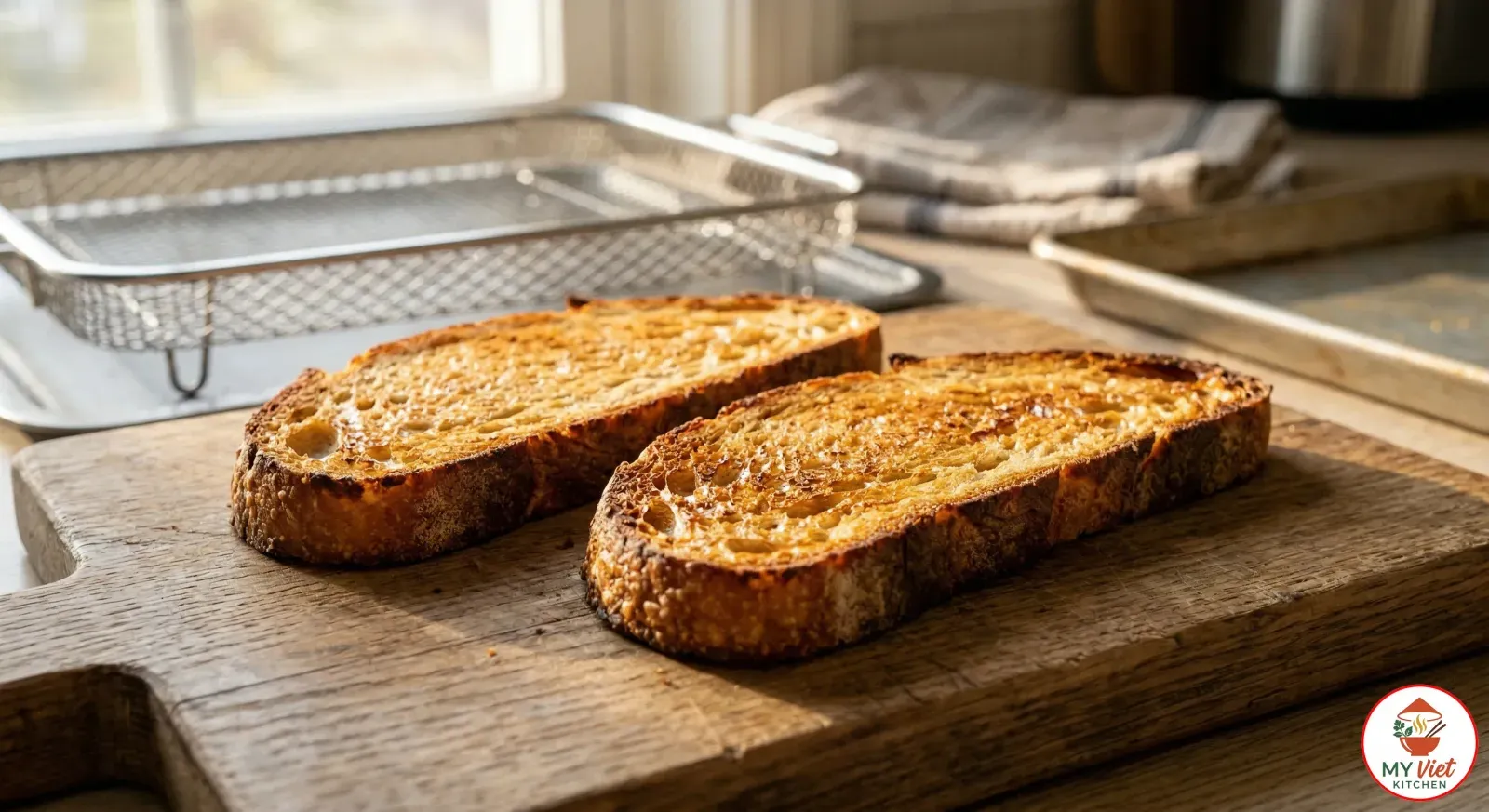
1 Preheat your broiler to high. Place the bread slices on a baking sheet and toast them on both sides until golden and firm. You want the bread sturdy enough to hold the heavy cheese sauce without becoming soggy. In particular, sourdough and thick farmhouse white bread work best because they have a dense crumb structure.
Do not skip toasting both sides. If you only toast one side, the untoasted bottom absorbs moisture from the sauce and turns soft. As a result, your welsh rarebit falls apart when you try to eat it. In contrast, a firm, golden base on both sides gives you the perfect contrast between the crunchy toast and the creamy, bubbling sauce on top.
Step 2: Make the Roux
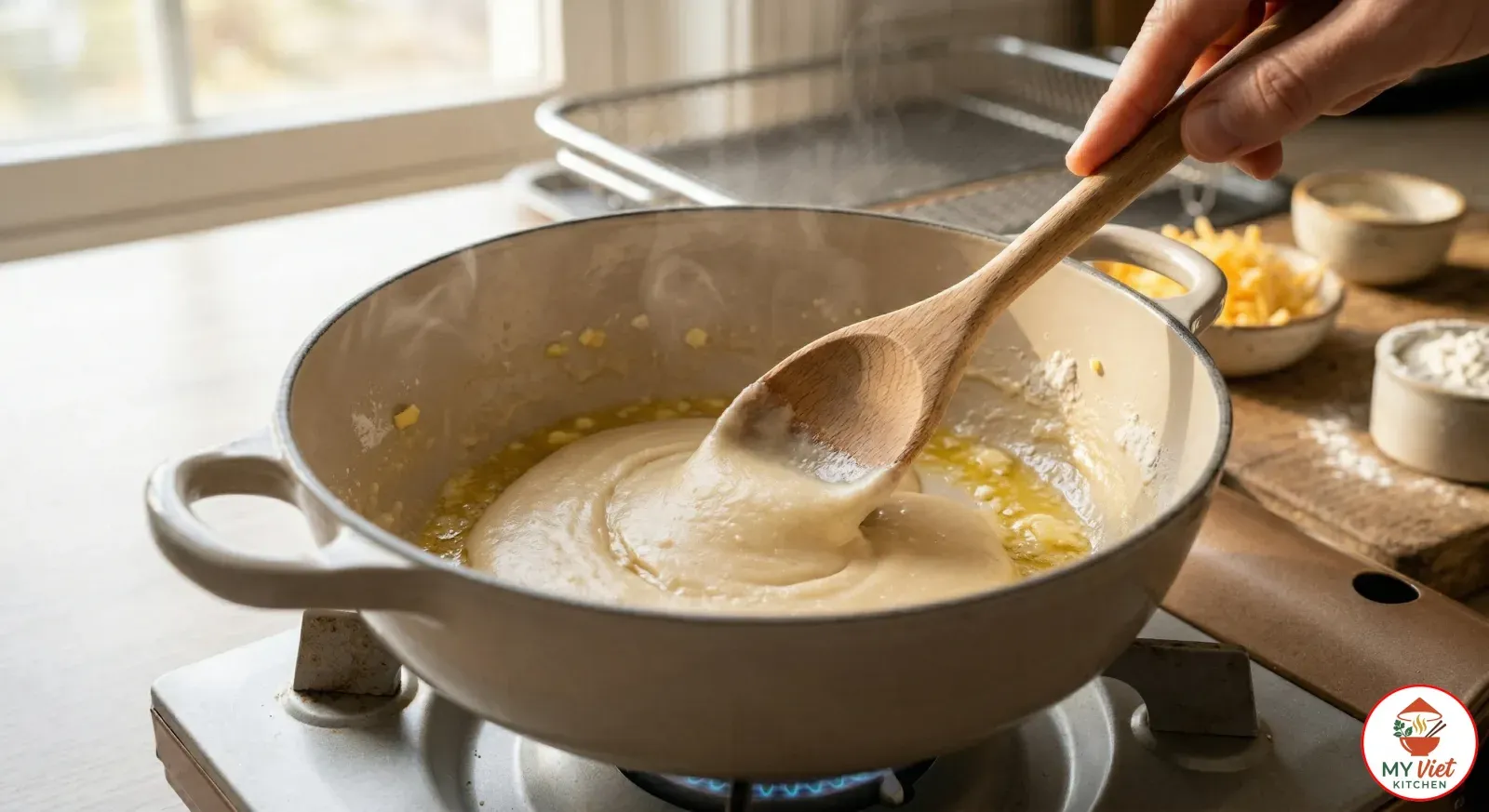
2 Melt the butter in a medium saucepan over medium-low heat. Once the butter foams, add the flour and stir constantly for about one minute. The mixture should form a smooth, thick paste with no dry flour visible. This roux serves as the foundation of your rarebit sauce.
Keep the heat at medium-low. If the roux darkens too quickly, it can develop a bitter, burnt taste that ruins the sauce. Instead, you want a pale, blond roux with a slightly nutty aroma. Cook it just long enough to eliminate the raw flour taste. One minute of steady stirring is enough. Furthermore, the roux gives the finished sauce its body and prevents the cheese from becoming greasy or separating.
Step 3: Build the Cheese Sauce
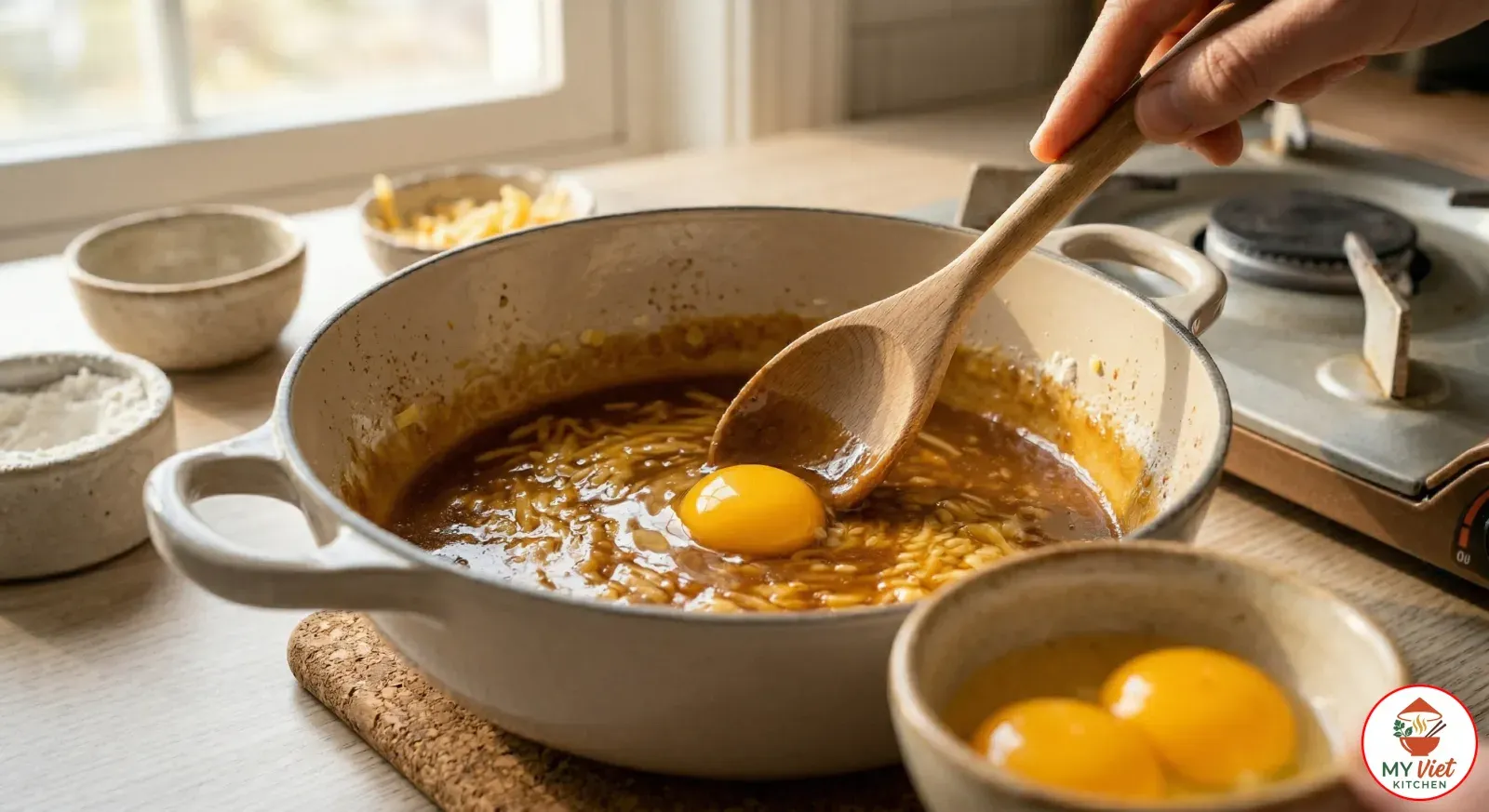
3 Gradually pour the dark ale into the roux, whisking constantly. Add it in three or four additions rather than all at once. Whisking between each pour prevents lumps from forming. The mixture will thicken as the flour absorbs the liquid. Once all the ale is incorporated, you should have a smooth, slightly thick base.
Now add the Worcestershire sauce, English mustard, mustard powder, cayenne pepper, and smoked paprika. Stir until everything is well combined. Then add the grated cheese in two or three handfuls, stirring each batch until it melts completely before adding the next. At this point, the sauce should be thick, glossy, and rich. Finally, remove the pan from the heat and quickly stir in the egg yolks. The residual heat cooks them gently without scrambling. Most importantly, the yolks add richness and help the sauce set under the broiler.
Step 4: Broil the Rarebit
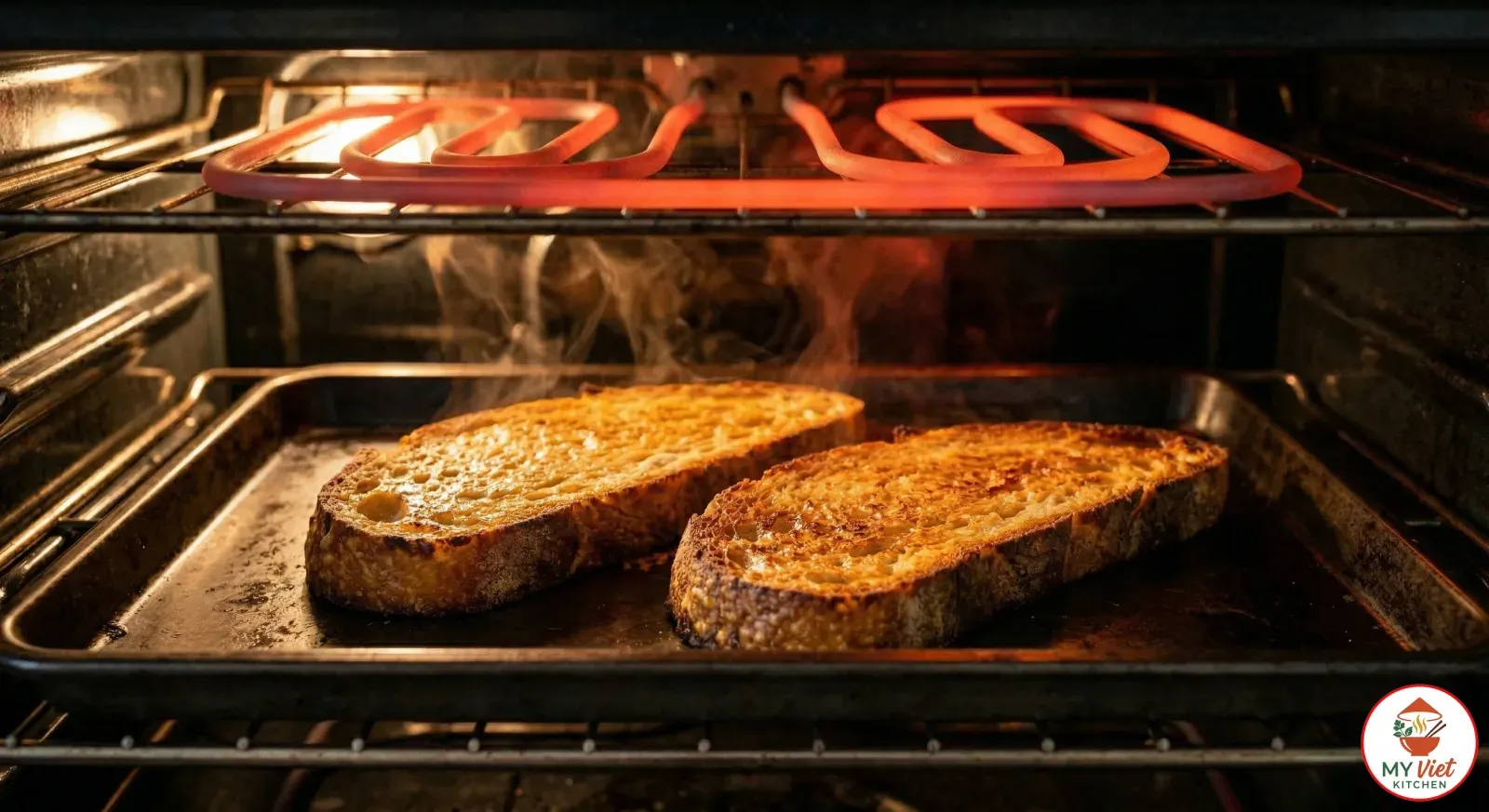
4 Spoon a generous amount of the cheese sauce onto each slice of toast. Spread it evenly to the edges. Covering the edges prevents them from burning under the broiler. The sauce should be about a quarter inch thick across the entire surface of the bread.
Place the loaded toast under the hot broiler for 3 to 4 minutes. Watch closely, because the sauce can go from golden to burnt in seconds. You want the top to be deeply golden with spots of brown, and the sauce should be bubbling vigorously. Afterwards, remove from the broiler, let it rest for one minute, then serve immediately. The contrast between the hot, bubbling cheese sauce and the crispy toast beneath it is what makes welsh rarebit irresistible.
Expert Tips for Perfect Welsh Rarebit
Choose the Right Beer
A dark ale, brown ale, or stout works best for welsh rarebit. These beers bring malty depth and a touch of sweetness that pairs beautifully with sharp cheddar. Avoid hoppy IPAs or pale lagers. Hoppy beers add too much bitterness to the sauce. For example, Newcastle Brown Ale, Brains SA, or a dry stout all make excellent choices. If you prefer a lighter flavor, use a Welsh bitter or amber ale instead.
Add the Cheese Off the Heat
Never add cheese to a sauce over direct heat. High temperatures cause the proteins in cheese to seize up and clump together. As a result, you get a grainy, oily mess instead of a smooth sauce. Instead, reduce the heat to the lowest setting or remove the pan from the burner entirely. Then stir in the grated cheese gradually. Consequently, the residual warmth melts it gently and evenly, giving you a perfectly silky rarebit sauce every time.
Spread the Sauce to the Edges
When you spoon the cheese sauce onto the toast, push it all the way to the edges of the bread. Exposed bread edges char quickly under the broiler. By covering them with sauce, you protect the bread and ensure even browning across the entire surface. The edges of the sauce also crisp up slightly, creating a delicious golden crust around the border of each slice.
Welsh Rarebit vs Cheese on Toast
Many people confuse welsh rarebit with simple cheese on toast. While they look similar on the plate, the two dishes differ significantly in preparation, flavor, and texture. Here is a side-by-side comparison.
| Feature | Welsh Rarebit | Cheese on Toast |
|---|---|---|
| Sauce base | Roux with beer, mustard, egg yolks | No sauce, just grated cheese |
| Preparation time | 25 minutes with cooked sauce | 5 minutes with raw cheese |
| Flavor complexity | Deep, savory, malty, and tangy | Simple melted cheese flavor |
| Texture | Thick, creamy, and custard-like | Thin, stretchy melted cheese |
| Historical origin | Wales, first recorded in 1725 | No specific origin |
| Browning quality | Even golden crust that holds shape | Uneven, often greasy when melted |
Serving Suggestions
Welsh rarebit stands on its own as a satisfying meal, but the right accompaniments turn it into something even more memorable. Here are the best ways to serve it.
The Perfect Accompaniments:
- Watercress salad: A handful of peppery watercress dressed with lemon juice and olive oil cuts through the richness of the cheese sauce. The fresh, green bite balances the heavy, savory rarebit beautifully.
- Pickled onions or chutney: Sweet and tangy chutney, especially a good apple chutney, complements the sharpness of the cheddar. Pickled onions add crunch and acidity that refreshes the palate between bites.
- Tomato soup: A bowl of warm tomato soup alongside welsh rarebit makes a classic British lunch pairing. Dipping the rarebit into the soup brings together cheese and tomato in the best possible way.
- Roasted tomatoes: Halved tomatoes roasted with olive oil, salt, and pepper add sweetness and moisture to the plate. Their soft, jammy texture contrasts with the crispy toast.
Beverage Pairings:
- Welsh ale (best match): A pint of Brains SA or Felinfoel Double Dragon pairs perfectly with the malty flavors already in the rarebit sauce. The beer echoes the ale in the dish and amplifies its savory depth.
- Dry cider: A crisp Welsh or Somerset cider refreshes the palate and cuts through the richness of the cheese. The apple notes complement the mustard and cheddar flavors.
- English breakfast tea: For a non-alcoholic option, a strong cup of tea works surprisingly well with welsh rarebit. The tannins in black tea cleanse the palate between bites of rich cheese sauce.
- Sauvignon blanc or dry Riesling: A crisp white wine with good acidity stands up to the strong cheese flavors. The citrus notes in the wine brighten each bite of the savory rarebit.
Storage and Reheating
Refrigerator: Store the leftover cheese sauce in an airtight container for up to 3 days. The sauce thickens as it cools, which is normal. It reheats well and actually develops slightly deeper flavor after resting overnight in the fridge.
Freezer: The cheese sauce freezes well for up to 1 month. Portion it into small containers before freezing. Thaw overnight in the fridge, then warm gently in a saucepan over low heat. Add a splash of milk or beer to restore the original consistency.
Reheating: Warm the cheese sauce in a saucepan over low heat, stirring constantly to prevent it from splitting. Toast fresh bread and spoon the reheated sauce over it. Then broil for 3 to 4 minutes as usual. Never microwave assembled welsh rarebit, because the bread turns rubbery and the sauce separates. Always assemble and broil fresh for the best texture.
Common Mistakes to Avoid
1. Using Mild Cheese
Mild cheddar produces a bland, flat-tasting sauce. The beer, mustard, and Worcestershire sauce need a strong cheese to stand up against them. Always use sharp or extra-sharp cheddar aged at least 12 months. The bolder the cheese, the better your welsh rarebit will taste. A strong cheese also means you can use less of it without losing flavor.
2. Adding Cheese Over High Heat
Cheese proteins seize and clump when exposed to high temperatures. Consequently, the sauce turns grainy and greasy instead of smooth and creamy. Instead, reduce the heat to its lowest setting before adding the grated cheese. Stir each handful until it melts completely. Patience at this stage guarantees a perfectly silky sauce.
3. Skipping the Egg Yolks
Some recipes leave out the egg yolks. However, they serve two important purposes. First, they enrich the sauce with a custard-like creaminess. Second, they help the sauce set under the broiler instead of running off the toast. Without the egg yolks, your rarebit slides off the bread and pools on the plate. Therefore, always include them for the best texture and structure.
4. Not Watching the Broiler
The broiler operates at very high heat. Welsh rarebit can go from perfectly golden to charred and smoking in under a minute. Stand by the oven and watch through the glass. As soon as the top turns deep golden with bubbling patches of brown, pull it out immediately. Setting a timer for 3 minutes gives you a safety net, but your eyes are the best judge.
Frequently Asked Questions
What is the difference between Welsh rarebit and cheese on toast?
Cheese on toast simply melts grated or sliced cheese on bread under the broiler. Welsh rarebit, in contrast, uses a cooked sauce made from a roux, beer, mustard, Worcestershire sauce, egg yolks, and sharp cheddar. The sauce has a thick, creamy consistency and layers of savory flavor. As a result, welsh rarebit is a far more complex and satisfying dish than plain cheese on toast.
Why is it called Welsh rarebit and not Welsh rabbit?
The original name was Welsh rabbit, first recorded in 1725. The name was a humorous term because the dish contains no rabbit at all. It played on the idea of cheese being the Welsh version of meat. The spelling rarebit appeared in 1785 as people tried to make the name sound more refined. Both spellings are correct, though welsh rarebit is more commonly used today.
What is the best cheese for Welsh rarebit?
Sharp, mature cheddar is the gold standard. Welsh cheeses like Caerphilly, Hafod, or the popular Black Bomber extra mature cheddar are ideal. Any cheddar aged 12 months or more works well. The cheese needs to be bold enough to hold its flavor against the beer and mustard. Mild cheddar produces a disappointing, flat-tasting sauce.
Can I make Welsh rarebit without beer?
Yes. Substitute the beer with an equal amount of whole milk for a milder, alcohol-free version. Some cooks use apple cider or vegetable stock instead. The beer adds malty depth that is difficult to replicate, so add an extra teaspoon of Worcestershire sauce and a pinch more mustard to boost the savory flavor. The result is still delicious, though slightly different in character.
Can you make Welsh rarebit ahead of time?
Absolutely. Make the cheese sauce up to two days ahead and store it in the fridge. The sauce thickens when cold, so gently warm it over low heat with a splash of milk before using. Toast the bread fresh when you are ready to serve. Spoon the warmed sauce over the toast and broil as usual. This makes welsh rarebit perfect for entertaining.
Is Welsh rarebit vegetarian?
Traditional welsh rarebit contains no meat, making it vegetarian friendly. However, check your Worcestershire sauce label because some brands include anchovies. Use a vegetarian Worcestershire sauce to keep the dish fully meat-free. Also look for cheese made with vegetable rennet rather than animal rennet if you follow a strict vegetarian diet.
Variations and Adaptations
Buck Rarebit:
Top your finished welsh rarebit with a perfectly poached egg. When you cut into the egg, the runny yolk flows over the cheese sauce and toast. This combination of rich cheese sauce and silky egg yolk is indulgent and deeply satisfying. Buck rarebit turns a snack into a full, protein-rich meal. It works beautifully for brunch or a light dinner.
Welsh Rarebit with Bacon:
Lay crispy bacon rashers on the toast before spooning the cheese sauce over them. The smoky, salty bacon adds another dimension to the already complex flavors. Grill as usual until the sauce bubbles. This version is heartier and more substantial. It makes an excellent weekend breakfast alongside grilled tomatoes.
Welsh Rarebit with Leeks:
Saute thinly sliced leeks in butter until soft and sweet. Spread them on the toast before adding the cheese sauce. Leeks are the national vegetable of Wales, so this variation feels especially authentic. The gentle onion flavor of the leeks pairs naturally with the sharp cheddar. This is a popular version in Welsh restaurants and pubs.
Gluten-Free Welsh Rarebit:
Use a thick slice of gluten-free bread and substitute the all-purpose flour in the roux with cornstarch or a gluten-free flour blend. The sauce works just as well with these alternatives. Make sure your beer is also gluten-free, or use milk instead. The flavor remains rich and satisfying with these simple swaps.
The Cultural Significance of Welsh Rarebit
Welsh rarebit carries centuries of Welsh history on a single slice of toast. The dish first appeared in print in Hannah Glasse’s 1747 cookbook, though references to Welsh rabbit date back to 1725. Originally, the name was a gentle joke at the expense of the Welsh, implying that cheese was their substitute for game meat. However, the Welsh embraced the dish and made it their own. Today, welsh rarebit stands as a proud symbol of Welsh culinary identity.
Beyond Wales, the dish spread throughout the British Isles and eventually to North America and Australia. Victorian-era gentlemen’s clubs in London served it as a savory course after dinner. In the early 1900s, it appeared on the menus of grand hotels and restaurants across the United States. Delmonico’s in New York famously offered it as a late-night supper dish. This humble Welsh creation had crossed the Atlantic and found a place on some of the most prestigious tables in America.
In Wales today, welsh rarebit remains deeply woven into daily life. You will find it on pub menus alongside other classics like cawl and bara brith. Welsh cheesemakers produce exceptional cheddar specifically suited to rarebit. The dish appears at rugby match gatherings, family suppers, and holiday celebrations. Its endurance through three centuries of British cooking proves that sometimes the simplest dishes carry the most meaning. A slice of toast, a well-made cheese sauce, and a few minutes under the broiler are all you need to connect with a culinary tradition that has nourished generations.
Conclusion
Welsh rarebit proves that extraordinary food does not require a long ingredient list or hours in the kitchen. A proper roux, good beer, sharp cheddar, and a few punchy seasonings come together in under 25 minutes to create something far greater than cheese on toast. The sauce bubbles golden under the broiler, the toast stays crisp beneath, and every bite delivers layers of malty, tangy, savory flavor. Follow this recipe step by step, and you will understand why this dish has endured for three centuries.
Ready to explore more classic European dishes? Browse our full collection of European dishes, including bangers and mash, shepherd’s pie, and fish and chips. Each recipe brings the same attention to authentic technique and bold flavor.