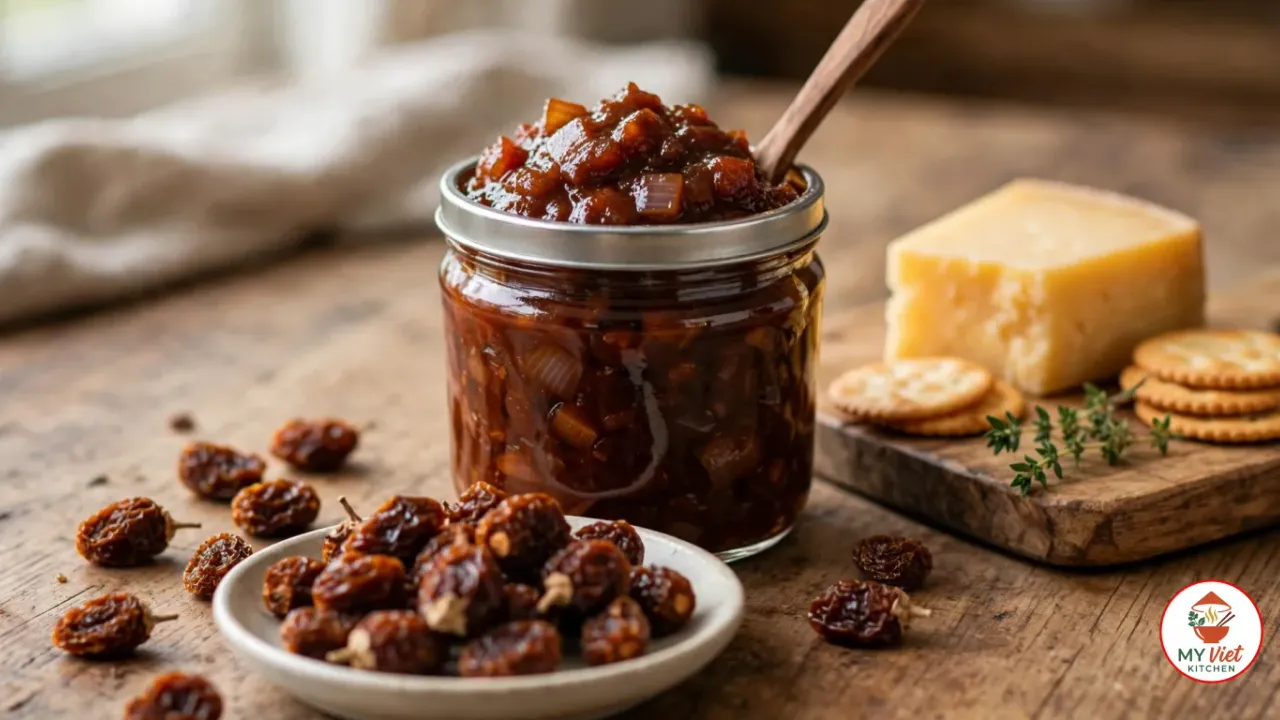
Bush tomato chutney is one of the most distinctive condiments to come out of Australia, and it carries thousands of years of Indigenous culinary tradition in every spoonful. This rich, smoky chutney is made from dried bush tomatoes, also known as akudjura, a native Australian fruit that Aboriginal communities have harvested and used for generations. Unlike any store-bought relish, this native Australian condiment delivers an intense caramel-like depth with earthy, slightly tangy notes that elevate everything from grilled meats to cheese boards. This step-by-step recipe shows you exactly how to make authentic bush tomato chutney at home using accessible ingredients and simple techniques.
Prep Time: 15 minutes | Cook Time: 45 minutes | Servings: 3 cups (approximately 24 servings)
Difficulty: Easy | Calories: ~35 per serving (2 tablespoons)
What Makes Bush Tomato Chutney Special?
Bush tomato chutney stands apart from conventional chutneys because of its key ingredient: the Australian bush tomato. This small, sun-dried fruit grows wild across the arid deserts of Central Australia, particularly in the sandy soils of the Northern Territory and South Australia. Aboriginal people of Central Australia have gathered and eaten bush tomatoes for thousands of years. The fruit dries naturally on the bush in the intense desert heat, concentrating its sugars and developing a flavor profile unlike anything else in the plant kingdom.
The taste of bush tomato is difficult to compare directly to other ingredients. Most people describe it as a blend of sun-dried tomato, caramel, and tamarind with subtle smoky undertones. When cooked into a chutney, these flavors meld with vinegar, sugar, and spices to produce a condiment that is simultaneously sweet, tangy, earthy, and deeply savory. This complexity is why this condiment has gained popularity far beyond its Indigenous origins, appearing on restaurant menus and gourmet food shelves across Australia and internationally.
Making this chutney at home is surprisingly straightforward. The process follows the same basic principles as any fruit chutney: rehydrate the dried fruit, combine it with aromatics and spices, add vinegar and sugar for balance, then simmer until thick. However, the bush tomato itself does the heavy lifting in terms of flavor. Consequently, even beginner cooks can produce a spectacular result with minimal effort. The entire process takes about an hour from start to finish.

Understanding Bush Tomatoes: Choosing the Right Ingredient
The quality of your dried bush tomatoes determines the final flavor of your chutney. Not all bush tomato products are equal, so understanding what to look for helps you achieve the best possible result. Buy from reputable suppliers, ideally ones that work directly with the Indigenous communities who harvest bush tomatoes.
- Whole dried bush tomatoes (best choice): These retain the most flavor and texture. They look like small, dark, wrinkled berries and should feel leathery rather than rock-hard. Whole dried bush tomatoes rehydrate beautifully and give your chutney a chunky, rustic texture with pockets of intense flavor.
- Ground bush tomato powder: This is more widely available and works in a pinch. However, ground powder dissolves completely into the chutney, producing a smoother texture and a more uniform flavor. Use 3 tablespoons of powder to replace 1/2 cup of whole dried fruit.
- Bush tomato paste or concentrate: Some specialty stores sell pre-made paste. While convenient, these products often contain added salt and preservatives that interfere with the balance of a homemade chutney. Check the ingredient list carefully before using them.
- Fresh bush tomatoes (seasonal only): Fresh bush tomatoes are extremely rare outside of Central Australia and are available only during certain harvest seasons. If you are fortunate enough to find them, use double the quantity of dried because they contain more moisture and less concentrated flavor.
Ingredients for Bush Tomato Chutney
Main Ingredients:
- 1/2 cup dried bush tomatoes (akudjura)
- 1 cup boiling water for rehydrating
- 4 large ripe tomatoes, roughly chopped
- 1 large brown onion, finely diced
- 2 cloves garlic, minced
Chutney Base:
- 1 cup apple cider vinegar
- 3/4 cup brown sugar
- 1 tablespoon olive oil
Spices and Seasonings:
- 1 teaspoon ground native pepperberry or black pepper
- 1 teaspoon smoked paprika
- 1/2 teaspoon ground cinnamon
- 1/2 teaspoon ground cumin
- 1 teaspoon salt
- 1 small red chili, finely sliced (optional)
Pro tip: If you can find native Australian pepperberry, use it instead of regular black pepper. Pepperberry adds a fruity, slightly floral heat that complements the bush tomatoes beautifully. It also has a slow-building warmth rather than the sharp bite of black pepper, which creates a more layered flavor in your finished chutney.
Step-by-Step Instructions
Step 1: Rehydrate the Bush Tomatoes
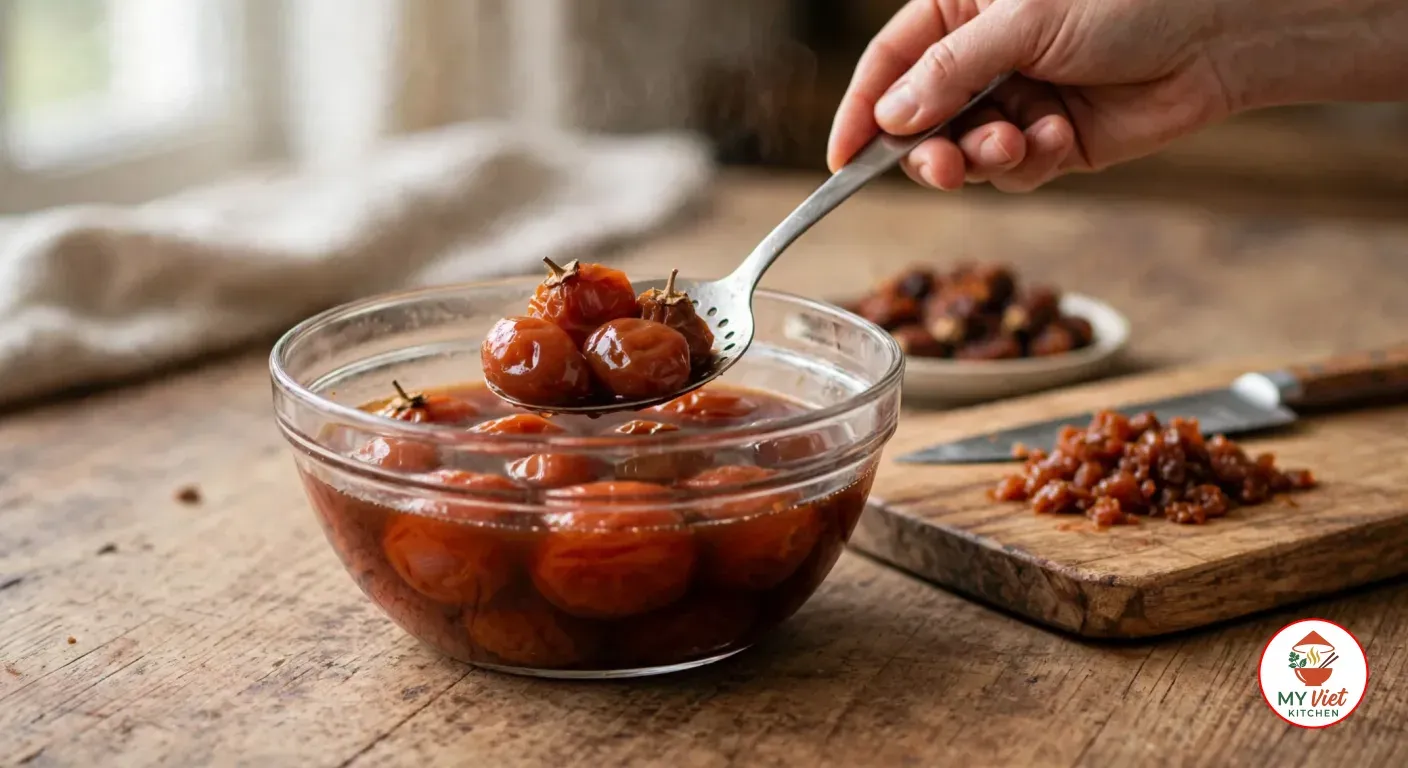
1 Place the dried bush tomatoes in a heatproof bowl and pour 1 cup of boiling water over them. Let them soak for 15 to 20 minutes until the fruit softens and plumps up noticeably. The soaking liquid will turn a dark reddish-brown color and carry a deep, smoky aroma. Do not discard this liquid because it contains concentrated bush tomato flavor that strengthens your chutney. After soaking, lift out the bush tomatoes and roughly chop them on a cutting board. Reserve the soaking liquid for later.
Step 2: Saute the Aromatics
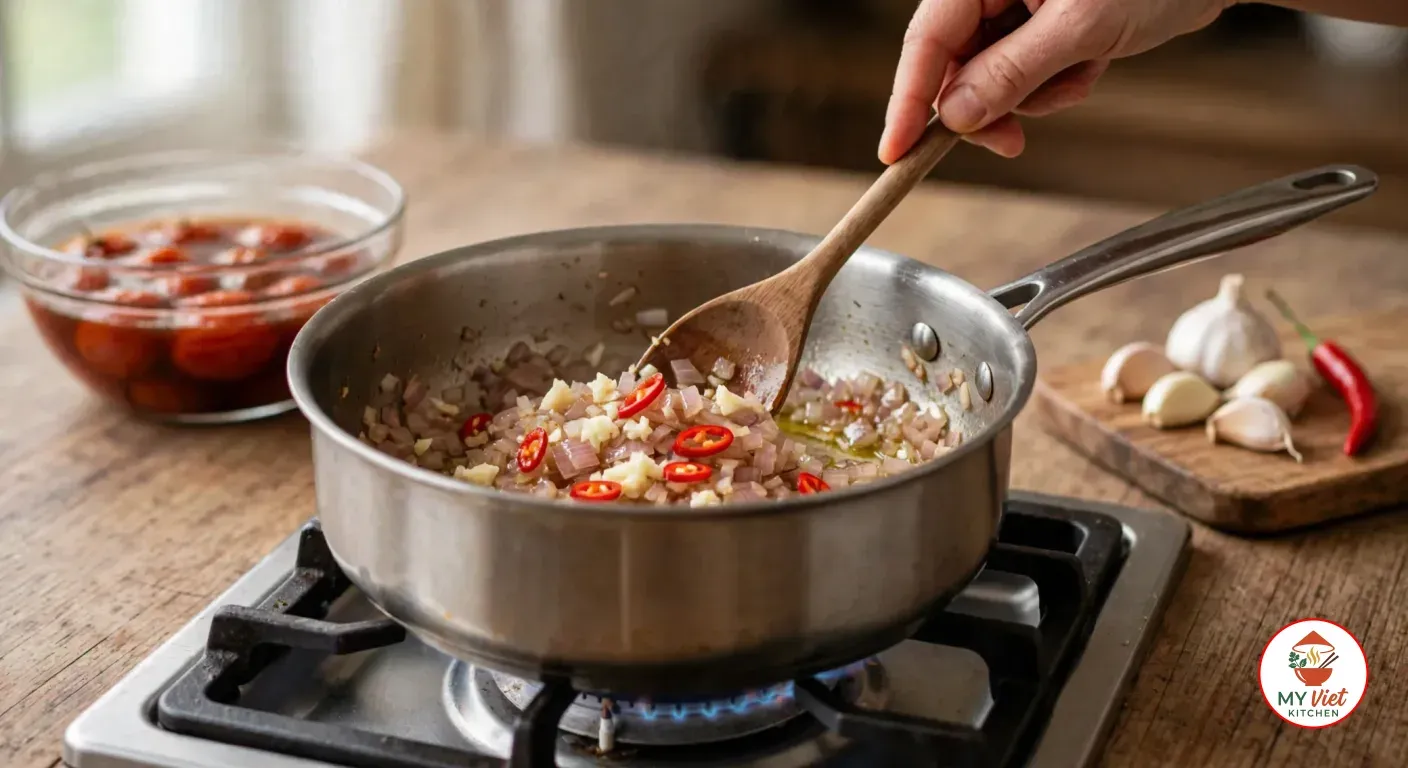
2 Heat the olive oil in a heavy-bottomed saucepan over medium heat. Add the finely diced onion and cook for about 5 minutes, stirring occasionally, until it turns translucent and soft. Then add the minced garlic and sliced red chili. Stir for 30 seconds until the garlic becomes fragrant. Be careful not to let the garlic brown, as burnt garlic adds a bitter note that clashes with the delicate bush tomato flavor.
Step 3: Build the Chutney Base
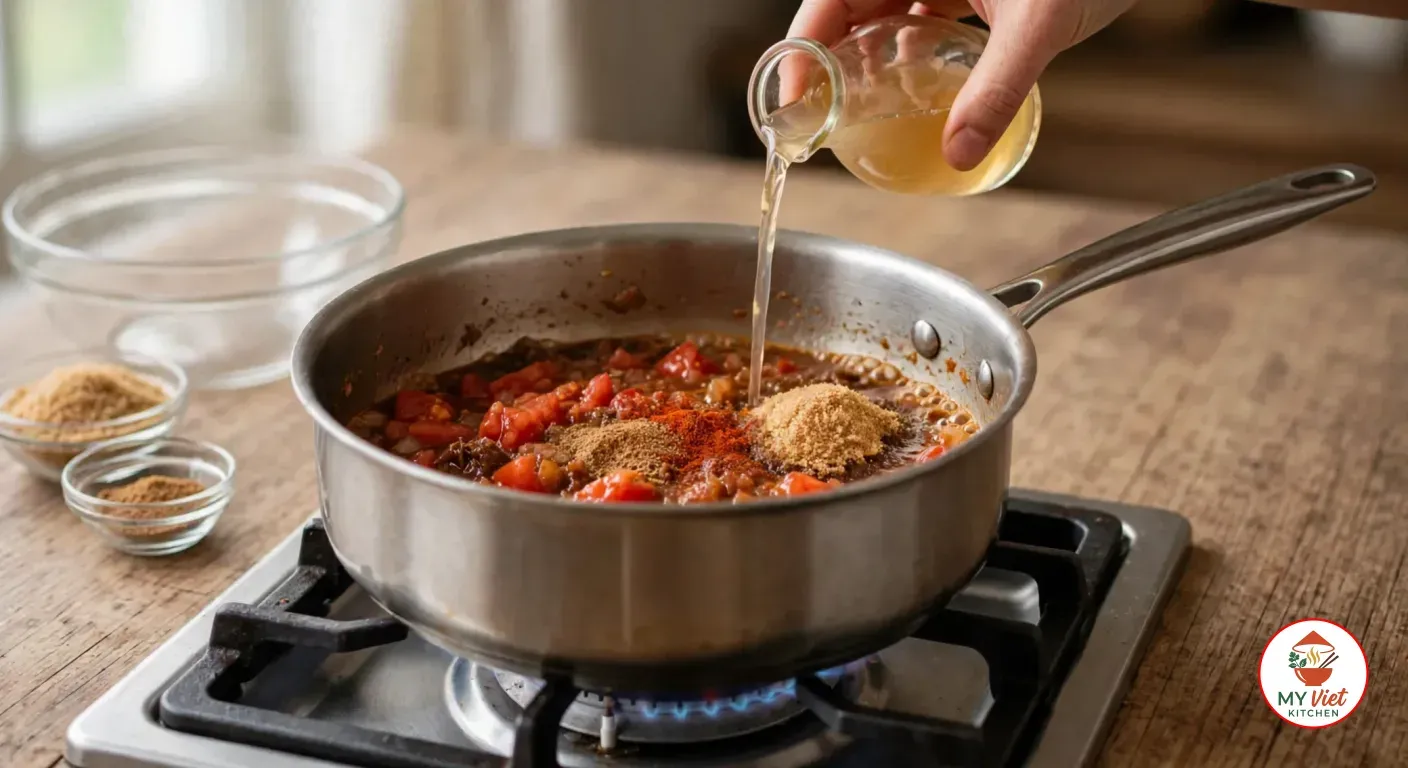
3 Add the chopped fresh tomatoes to the saucepan and stir them into the aromatics. Cook for 3 minutes until the tomatoes begin to break down and release their juices. Next, add the chopped rehydrated bush tomatoes along with all of the reserved soaking liquid. Stir in the apple cider vinegar and brown sugar. Finally, add all of the spices: pepperberry, smoked paprika, cinnamon, cumin, and salt. Mix everything together thoroughly and bring the mixture to a steady boil.
The combination of fresh tomatoes and rehydrated bush tomatoes is essential for creating the right texture. Fresh tomatoes provide body and moisture, while the bush tomatoes contribute that signature smoky depth. Together, they create a chutney that is both full-bodied and intensely flavorful. This dual-tomato approach is what separates an outstanding result from a mediocre one.
Step 4: Simmer Until Thick
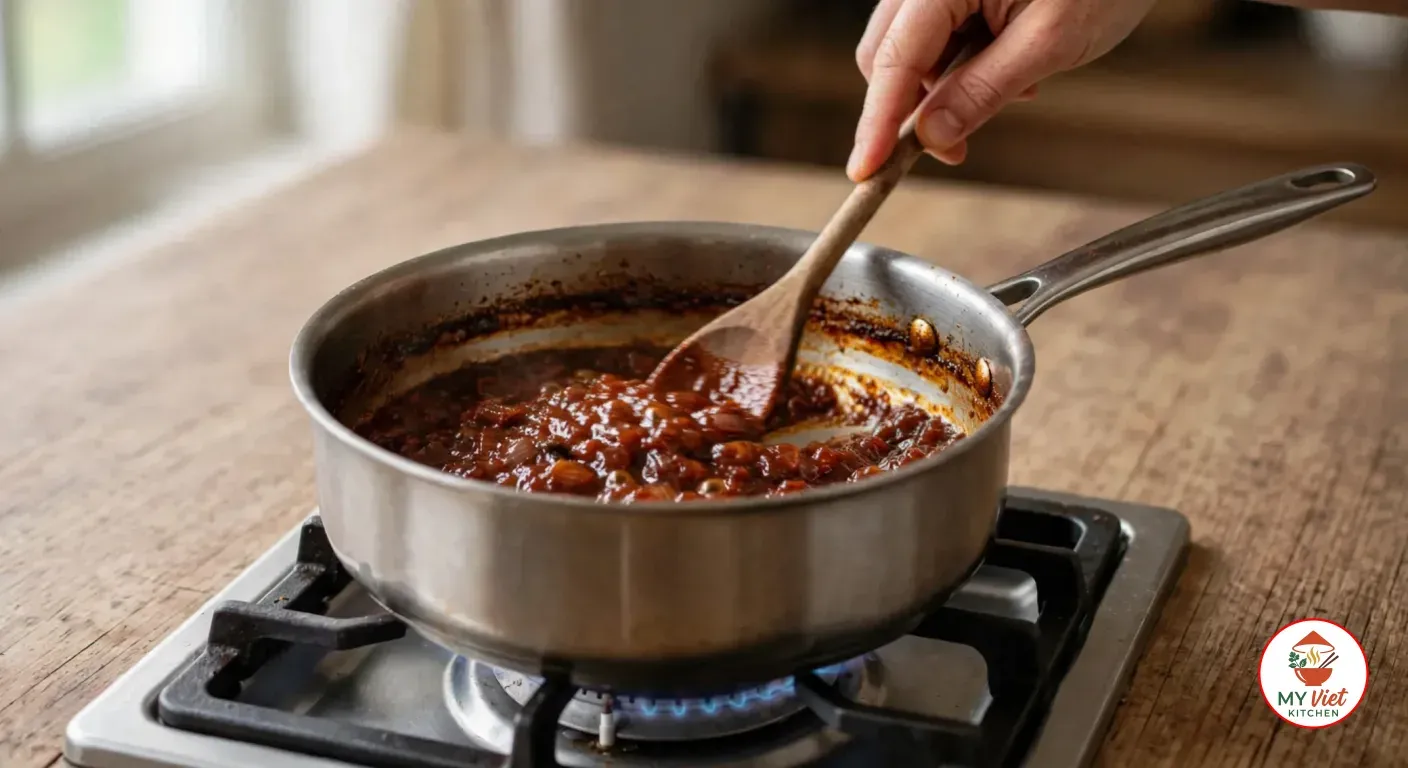
4 Once the mixture reaches a boil, reduce the heat to low. Let the chutney simmer gently for 35 to 40 minutes, stirring every 5 to 7 minutes to prevent it from sticking to the bottom of the pan. As it cooks, the liquid reduces and the sugars concentrate, gradually transforming the mixture from a loose, soupy consistency into a thick, glossy chutney. You will notice the color deepening to a rich, dark amber.
The chutney is ready when a wooden spoon dragged through the center leaves a trail that fills in slowly. Another test is to place a small amount on a chilled plate. If it holds its shape without spreading into a puddle, it has reached the right consistency. Keep in mind that the chutney thickens further as it cools, so remove it from the heat when it is slightly looser than your ideal final texture.
Step 5: Jar and Store
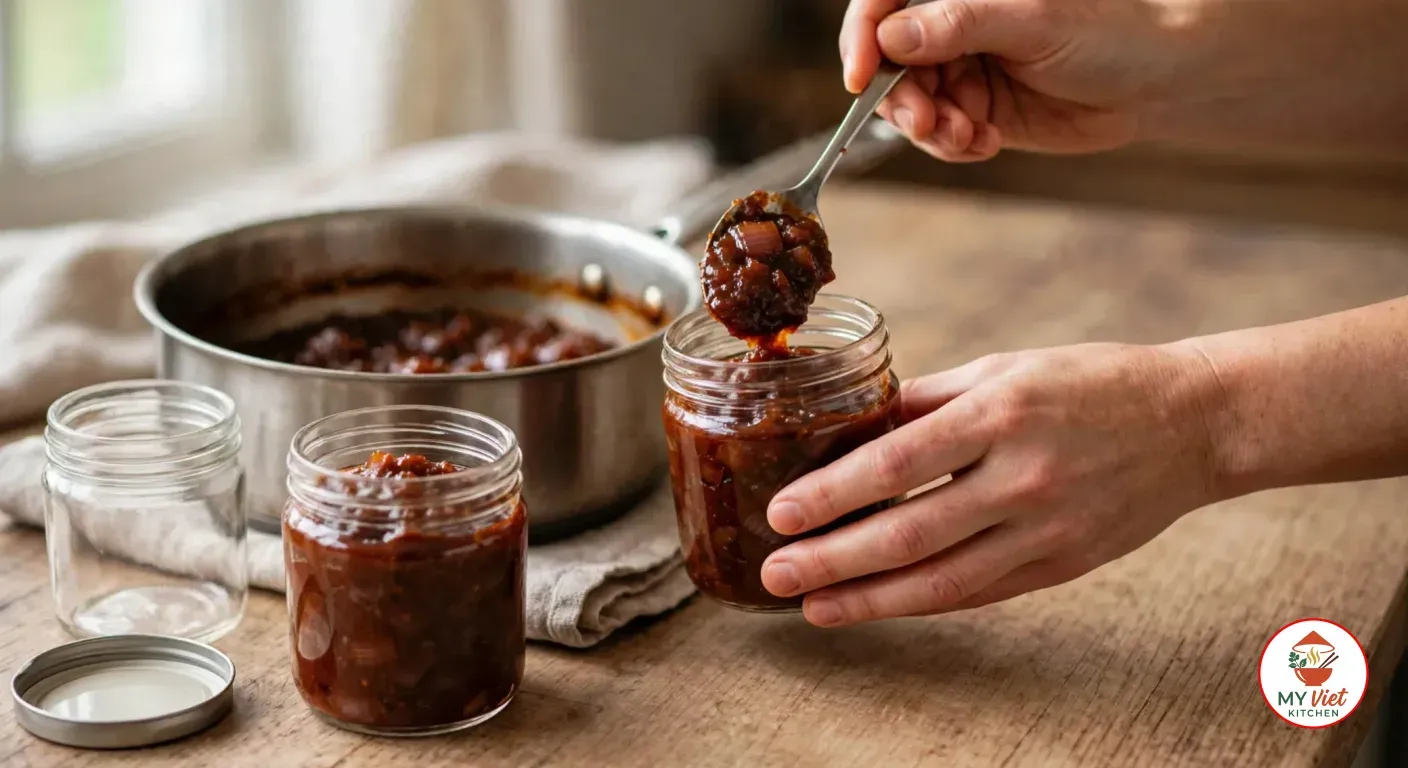
5 Remove the finished chutney from the heat and let it cool in the pan for about 10 minutes. While it rests, sterilize your glass jars by boiling them in water for 10 minutes. Carefully spoon the warm bush tomato chutney into the sterilized jars, leaving about 1/4 inch of headspace at the top. Seal the jars tightly and let them cool to room temperature on the counter. Once cooled, transfer to the refrigerator.
The flavors in this chutney improve dramatically after resting. Freshly made chutney tastes bright and sharp, but after 24 to 48 hours in the refrigerator, the vinegar mellows, the spices integrate, and the smoky sweetness of the bush tomatoes moves to the forefront. For the best flavor, wait at least one full day before serving.
Expert Tips for the Best Bush Tomato Chutney
Toast the Spices First
For an even deeper flavor, dry-toast the cumin, cinnamon, and pepperberry in a small skillet over low heat for 60 seconds before adding them to the chutney. Toasting activates the volatile oils in the spices and intensifies their aroma. This extra step takes only a minute but produces a noticeably more complex result with rounder, warmer spice notes.
Control the Sweetness
The 3/4 cup of brown sugar in this recipe creates a balanced sweet-tart profile. However, bush tomatoes vary in natural sweetness depending on the harvest and drying conditions. Taste the chutney after 20 minutes of simmering and adjust accordingly. If it tastes too sharp, add another tablespoon of sugar. If it skews too sweet, add a splash more vinegar. A well-balanced chutney should have a pronounced tang that balances the caramel-like sweetness.
Use the Right Pot
Always cook chutney in a non-reactive pot such as stainless steel, enamel-coated cast iron, or heavy ceramic. The vinegar in the recipe reacts with aluminum and uncoated cast iron, producing off-flavors and discoloration. A wide, heavy-bottomed saucepan works best because it provides even heat distribution and allows moisture to evaporate efficiently. This results in faster cooking and a more consistent final texture.
Bush Tomato Chutney vs. Other Australian Chutneys
Australia has a rich tradition of chutneys influenced by both Indigenous bush tucker and British colonial heritage. Here is how bush tomato chutney compares to other popular Australian varieties.
| Feature | Bush Tomato Chutney | Green Tomato Chutney | Mango Chutney |
|---|---|---|---|
| Origin | Indigenous Australian | British-Australian | South Asian-Australian |
| Base ingredient | Dried bush tomatoes | Unripe green tomatoes | Fresh mangoes |
| Flavor profile | Smoky, caramel, tangy | Tart, spiced, sharp | Sweet, fruity, mild |
| Texture | Thick, chunky, jammy | Chunky, firm pieces | Smooth to chunky |
| Best pairing | Grilled meats, cheese | Cold meats, sandwiches | Curries, rice dishes |
| Heat level | Mild to moderate | Mild | Mild |
| Shelf life | 3 months refrigerated | 3 months refrigerated | 2 months refrigerated |
The smoky, caramel-like depth of bush tomato chutney makes it the most distinctive of these three. While green tomato and mango chutneys are excellent in their own right, they lack the uniquely Australian character that bush tomatoes provide.
Serving Suggestions for Bush Tomato Chutney
Bush tomato chutney is remarkably versatile. Its smoky sweetness and tangy finish complement a wide range of foods, from traditional Australian barbecue to international dishes. Here are the best ways to enjoy this native condiment.
Classic Pairings:
- Grilled kangaroo or lamb: The smoky notes in the chutney mirror the char from the grill, while the acidity cuts through the richness of red meat. This is the most traditional way to serve this condiment in Australian cuisine.
- Cheese boards: Pair with aged cheddar, brie, or Australian washed-rind cheeses. The chutney’s bold flavor stands up to strong cheeses beautifully.
- Meat pies and sausage rolls: Replace tomato sauce with this native chutney for an elevated Australian twist on these beloved snacks.
- Sandwiches and burgers: Use it as a spread on gourmet burgers featuring beef, lamb, or even banh mi style sandwiches for a fusion approach.
Beverage Pairings:
- Australian Shiraz: A bold, full-bodied red wine that matches the chutney’s smoky intensity.
- Pale ale: A hoppy Australian craft beer provides a bitter contrast that refreshes the palate between bites.
- Sparkling water with lemon: For a non-alcoholic option, the citrus and bubbles cleanse the palate effectively.
Storage and Shelf Life
Refrigerator: Store the chutney in sterilized, airtight glass jars in the refrigerator for up to 3 months. The flavor continues to develop and improve during the first week of storage. Always use a clean spoon when serving to prevent contamination.
Canning for long-term storage: For pantry storage up to 12 months, process sealed jars in a boiling water bath for 10 minutes. Ensure the lids pop inward to confirm a proper vacuum seal. Store the sealed jars in a cool, dark place. This method works well for this chutney because the high vinegar and sugar content creates a naturally preserved environment.
Freezer: You can freeze the chutney in airtight containers for up to 6 months. Thaw overnight in the refrigerator before using. The texture may soften slightly after freezing, but the flavor remains excellent.
Common Mistakes to Avoid
1. Skipping the Rehydration Step
Adding dried bush tomatoes directly to the chutney without soaking them first results in tough, chewy pieces that never fully soften during cooking. The 15-to-20-minute soak is essential for breaking down the dried fruit and releasing its full flavor. Moreover, the soaking liquid carries significant flavor that you would lose by skipping this step. Always rehydrate first and always save the liquid.
2. Cooking on High Heat
Chutney must simmer gently on low heat. Cooking it on high heat causes the sugars to caramelize unevenly and the bottom to scorch. Burnt chutney develops a harsh, acrid bitterness that overpowers the delicate bush tomato flavor. A slow, steady simmer allows the flavors to meld gradually and the texture to thicken evenly without any burning.
3. Not Sterilizing the Jars
Putting chutney into unsterilized jars introduces bacteria that can cause spoilage within days, even in the refrigerator. Always sterilize your jars and lids by boiling them for 10 minutes immediately before filling. A dishwasher cleans them but does not get hot enough to sterilize them. This simple step extends the shelf life of your chutney dramatically and keeps it safe to eat.
Frequently Asked Questions
What does bush tomato chutney taste like?
This condiment has a complex flavor that blends smoky, caramel-like sweetness with a tangy, slightly tamarind-like finish. The dried bush tomatoes bring an earthy intensity that fresh tomatoes cannot replicate. When combined with vinegar and warm spices, the result is a rich, deeply savory condiment with subtle fruity undertones. Many people describe it as unlike any other chutney they have tasted.
Where can I buy dried bush tomatoes?
Dried bush tomatoes, also called akudjura, are available from specialty Australian food suppliers and online stores. If you live outside Australia, online ordering through retailers that specialize in native Australian ingredients is the most reliable option. Look for whole dried bush tomatoes rather than ground powder for the best chutney texture and flavor.
Can I substitute regular tomatoes for bush tomatoes?
You cannot achieve the same flavor using only regular tomatoes, because bush tomatoes have a unique smoky, caramel-like taste that standard tomatoes lack entirely. However, you can approximate the flavor by combining sun-dried tomatoes with a small amount of smoked paprika and a touch of tamarind paste. The result will be different from the authentic version, but it still produces a flavorful condiment worth trying.
Is bush tomato chutney vegan and gluten-free?
Yes, this recipe is naturally both vegan and gluten-free. It contains no animal products, dairy, or gluten-containing ingredients. Always check the labels on store-bought spice blends to confirm they are free from additives. The whole spices and fresh ingredients called for in this recipe are naturally suitable for both dietary needs.
How long does bush tomato chutney last?
When stored in sterilized, airtight glass jars in the refrigerator, this chutney keeps for up to 3 months. For longer storage, process the filled jars in a boiling water bath for 10 minutes to create a vacuum seal. Properly canned chutney lasts up to 12 months in a cool, dark pantry. Once you open a jar, use the contents within 4 weeks for the best quality.
Variations and Adaptations
Spicy Bush Tomato Chutney:
For a bolder heat level, add 2 finely chopped bird’s eye chilies and 1/2 teaspoon of cayenne pepper along with the other spices. The extra heat pairs exceptionally well with grilled meats and barbecue. You could also add a teaspoon of native Australian mountain pepper for a uniquely local spice kick that builds slowly on the palate.
Bush Tomato and Quandong Chutney:
Quandong is another native Australian fruit with a tart, peach-like flavor. Adding 1/4 cup of dried quandong halves to this recipe creates a more complex fruit chutney with brighter acidity. Rehydrate the quandong alongside the bush tomatoes and proceed with the recipe as written. This variation is popular at contemporary Australian restaurants that celebrate bush tucker ingredients.
Smoky Barbecue Bush Tomato Chutney:
Transform the basic recipe into a barbecue-style condiment by adding 2 tablespoons of treacle or dark molasses, 1 tablespoon of Worcestershire sauce, and an extra teaspoon of smoked paprika. This version produces a thicker, darker chutney that works brilliantly as a glaze on ribs, chicken wings, or grilled sausages. The smoky flavors in the bush tomatoes amplify the barbecue character beautifully.
The Cultural Significance of Bush Tucker
This native Australian condiment is part of a broader movement to recognize and celebrate the food traditions of Aboriginal Australians. For tens of thousands of years, Indigenous communities across Australia developed sophisticated knowledge of native plants, animals, and seasons. Bush tomatoes, wattleseed, lemon myrtle, finger limes, and dozens of other native ingredients formed the foundation of the oldest continuous food culture on Earth. Despite this, these ingredients were largely ignored by mainstream Australian cuisine until recent decades.
The revival of bush tucker in contemporary Australian cooking represents both a culinary and cultural shift. Chefs, food producers, and Indigenous entrepreneurs are working together to bring native ingredients into everyday kitchens. Bush tomato chutney sits at the heart of this movement because it transforms an ancient ingredient into a format that is familiar and accessible to modern cooks. Every jar connects the person eating it to a food tradition that predates recorded history by thousands of years.
When you source bush tomatoes, consider purchasing from Indigenous-owned businesses or suppliers that share profits with Aboriginal communities. Supporting ethical supply chains ensures that the people who have maintained knowledge of these ingredients for millennia benefit directly from the growing global interest in Australian native foods. This approach honors the deep cultural roots behind every spoonful of this treasured condiment.
Conclusion
Making bush tomato chutney at home is a rewarding and straightforward process that introduces you to one of the most fascinating ingredients in Australian cuisine. The smoky, caramel-like depth of dried bush tomatoes creates a condiment unlike anything you can make with conventional supermarket ingredients. With only 15 minutes of preparation and 45 minutes of gentle simmering, you produce a versatile chutney that elevates grilled meats, cheese boards, sandwiches, and countless other dishes.
The key to perfect results lies in sourcing quality dried bush tomatoes, rehydrating them properly, and allowing the chutney to simmer slowly until thick and glossy. Remember to let the finished bush tomato chutney rest for at least 24 hours before serving, because the flavors improve dramatically with time. Whether you are new to bush tucker or already a fan of native Australian ingredients, this recipe delivers an authentic taste of the Australian outback in every spoonful.