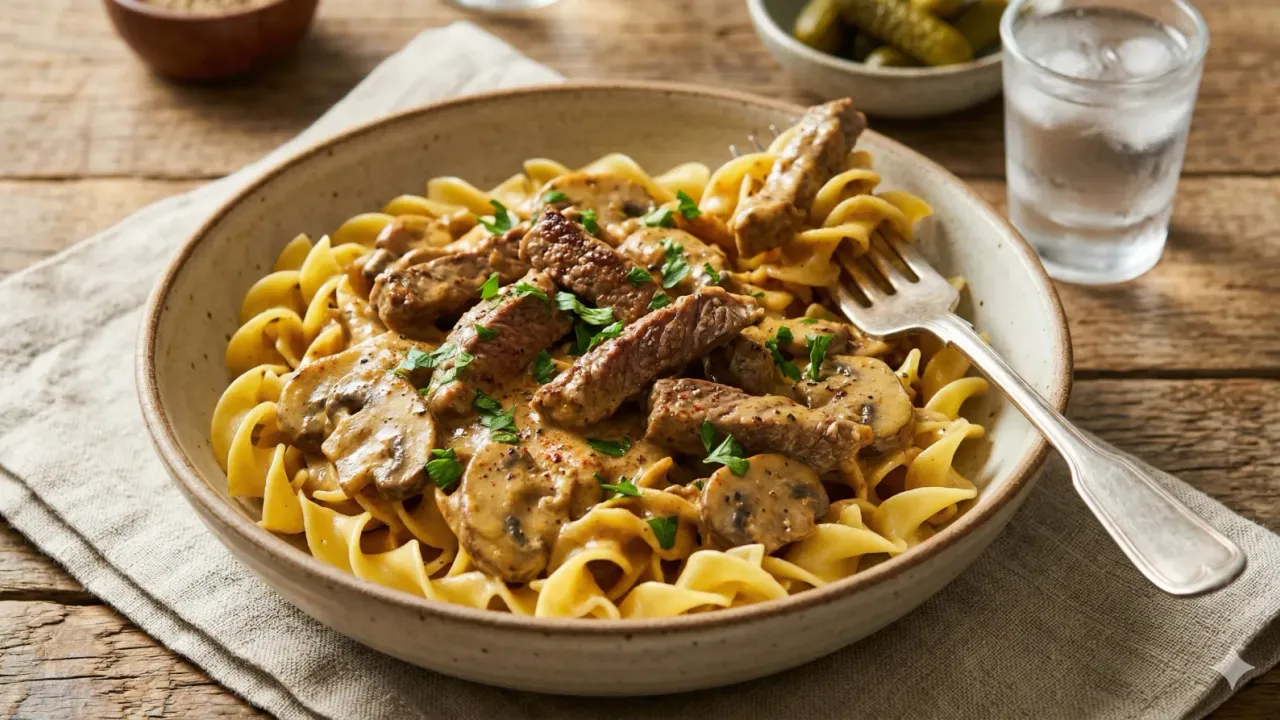
Beef Stroganoff is one of Russia’s most celebrated comfort dishes. Tender strips of beef nestle in a rich, creamy mushroom sauce with a hint of tangy sour cream. Moreover, this classic recipe comes together in under 45 minutes. It delivers restaurant-quality flavor on a weeknight schedule. This beef stroganoff recipe walks you through every step. The result is a silky, savory sauce with perfectly seared beef that melts in your mouth.
Prep Time: 20 minutes | Cook Time: 25 minutes | Total Time: 45 minutes | Servings: 4
Difficulty: Easy-Medium | Calories: ~520 per serving
What Makes Beef Stroganoff Special?
Beef stroganoff stands out because of its masterful balance of flavors. The sauce combines the earthy depth of mushrooms with the bright tang of sour cream. Furthermore, the Dijon mustard adds a subtle sharpness that lifts the entire dish. This layering of flavors transforms simple ingredients into something remarkably complex. No single element dominates. Instead, each component enhances the others in perfect harmony.
The dish traces its origins to mid-19th century Russia. It is named after the wealthy Stroganov family, powerful merchants and patrons of the arts. French chefs in their employ likely developed the original recipe. Therefore, beef stroganoff represents a unique fusion of Russian ingredients and French technique. The dish gained international fame after Russian emigrants carried it across Europe and to the Americas. Consequently, it became one of the most recognized Russian dishes worldwide.
What truly makes this recipe special is the cooking method. The beef sears quickly over high heat. This produces a deep brown crust through the Maillard reaction. Meanwhile, the interior stays pink and juicy. The mushrooms cook in the same pan. They absorb the flavorful fond left by the beef. As a result, every spoonful of sauce carries layers of concentrated flavor. The sour cream finishes the sauce off the heat. This prevents curdling and preserves its velvety texture.
Choosing the Right Cut of Beef
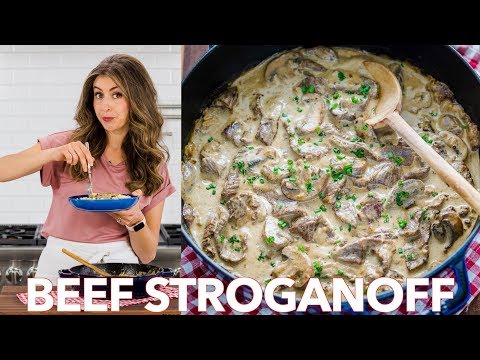
The cut of beef determines whether your stroganoff is tender or chewy. However, not every expensive cut is necessary. Your choice depends on your budget and cooking time. Here are the best options for making perfect beef stroganoff at home.
- Beef tenderloin (best choice): This is the traditional cut for authentic stroganoff. Tenderloin is exceptionally tender and cooks quickly. It needs only 1 to 2 minutes of searing per side. Therefore, it stays juicy and soft in the finished dish. The mild flavor absorbs the sauce beautifully. Although it is the most expensive option, the results are unmatched.
- Top sirloin steak: Sirloin offers excellent flavor at a lower cost than tenderloin. It has slightly more chew. However, slicing it thinly against the grain solves this. Additionally, sirloin has a beefier taste that stands up well to the rich sauce. This is the best choice for everyday cooking.
- Ribeye steak: Ribeye brings generous marbling and intense beef flavor. The fat melts during searing. Consequently, it adds extra richness to the sauce. Trim any large fat caps before slicing. Besides the flavor advantage, ribeye is widely available. It makes an indulgent version of stroganoff.
- Flank steak (budget option): Flank steak is leaner and tougher than the cuts above. Slice it very thinly against the grain. Sear quickly over the highest heat possible. Similarly, do not overcook it. Flank steak becomes rubbery past medium-rare. For the best texture, let the sliced beef rest in the warm sauce rather than cooking it through in the pan.
Ingredients for Beef Stroganoff
The Beef:
- 1.5 pounds beef tenderloin or sirloin, cut into thin strips
- Salt and black pepper for seasoning
- 1 tablespoon olive oil for searing
The Sauce:
- 8 ounces cremini mushrooms, sliced
- 1 large onion, finely diced
- 3 cloves garlic, minced
- 2 tablespoons unsalted butter
- 2 tablespoons all-purpose flour
- 1 cup beef broth
- 1 tablespoon Dijon mustard
- 1 tablespoon Worcestershire sauce
- 1 teaspoon sweet paprika
For Finishing and Serving:
- 3/4 cup sour cream (full-fat)
- 2 tablespoons fresh parsley, chopped
- 12 ounces egg noodles
- Extra black pepper for garnish
Pro tip: Pat your beef strips completely dry before searing. Moisture on the surface creates steam instead of a sear. This is the difference between gray, boiled-looking beef and a gorgeous brown crust. Additionally, let the beef come to room temperature for 15 minutes before cooking. Cold beef lowers the pan temperature. Therefore, it steams rather than caramelizes. A screaming hot pan and dry beef are your two keys to perfect stroganoff.
Step-by-Step Instructions
Step 1: Prepare the Beef
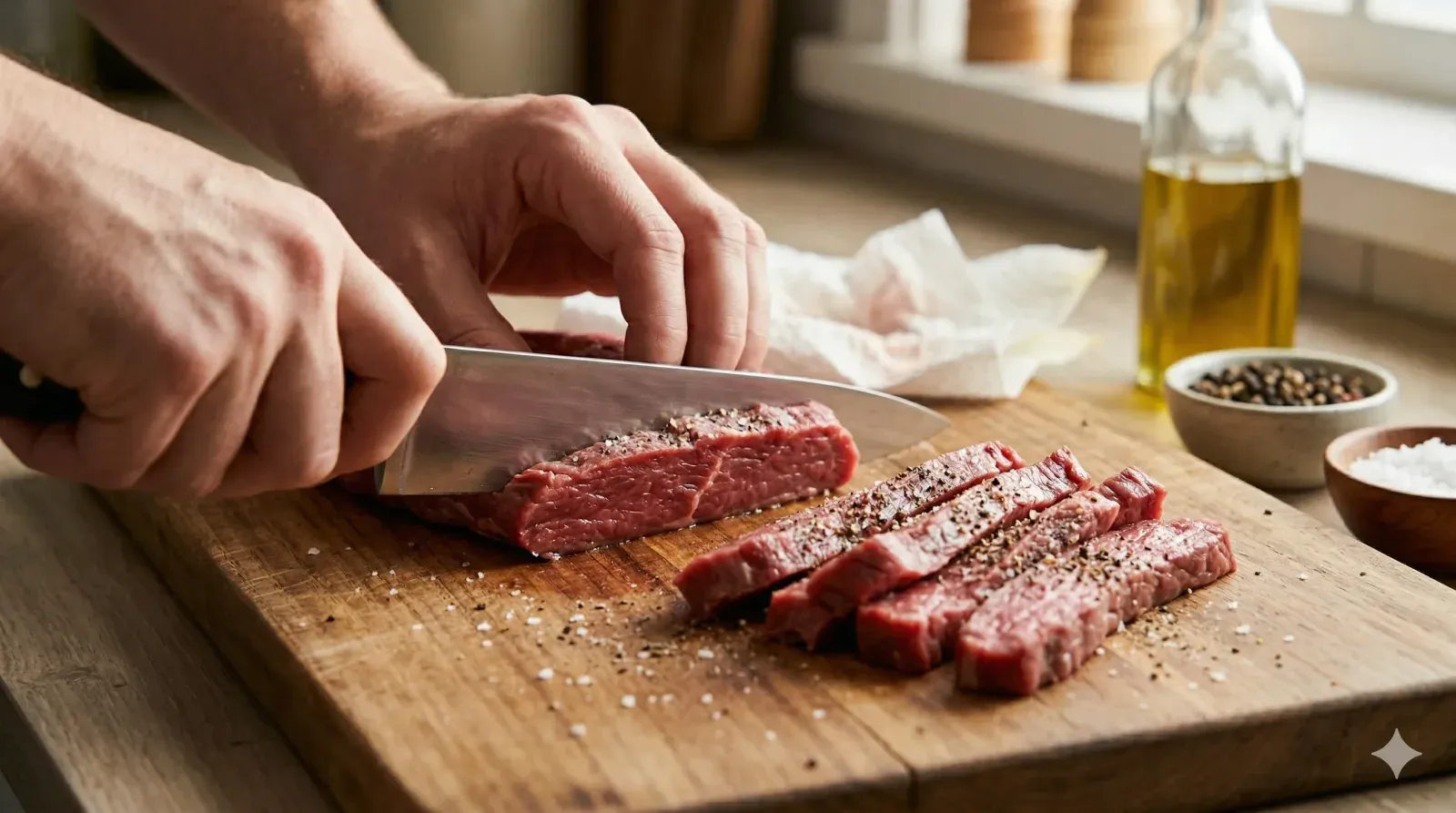
1 Trim any excess fat or sinew from the beef. Cut it into thin strips about 2 inches long and 1/4 inch thick. Slice against the grain for maximum tenderness. Pat each strip dry with paper towels. Season generously with salt and freshly ground black pepper on both sides.
Cutting against the grain is essential. The grain refers to the direction of the muscle fibers. Slicing perpendicular to them shortens the fibers. Consequently, each bite is tender rather than chewy. Furthermore, uniform thickness ensures even cooking. Thick pieces stay rare while thin ones overcook. Take your time with this step. It makes a significant difference in the final dish.
Step 2: Sear the Beef
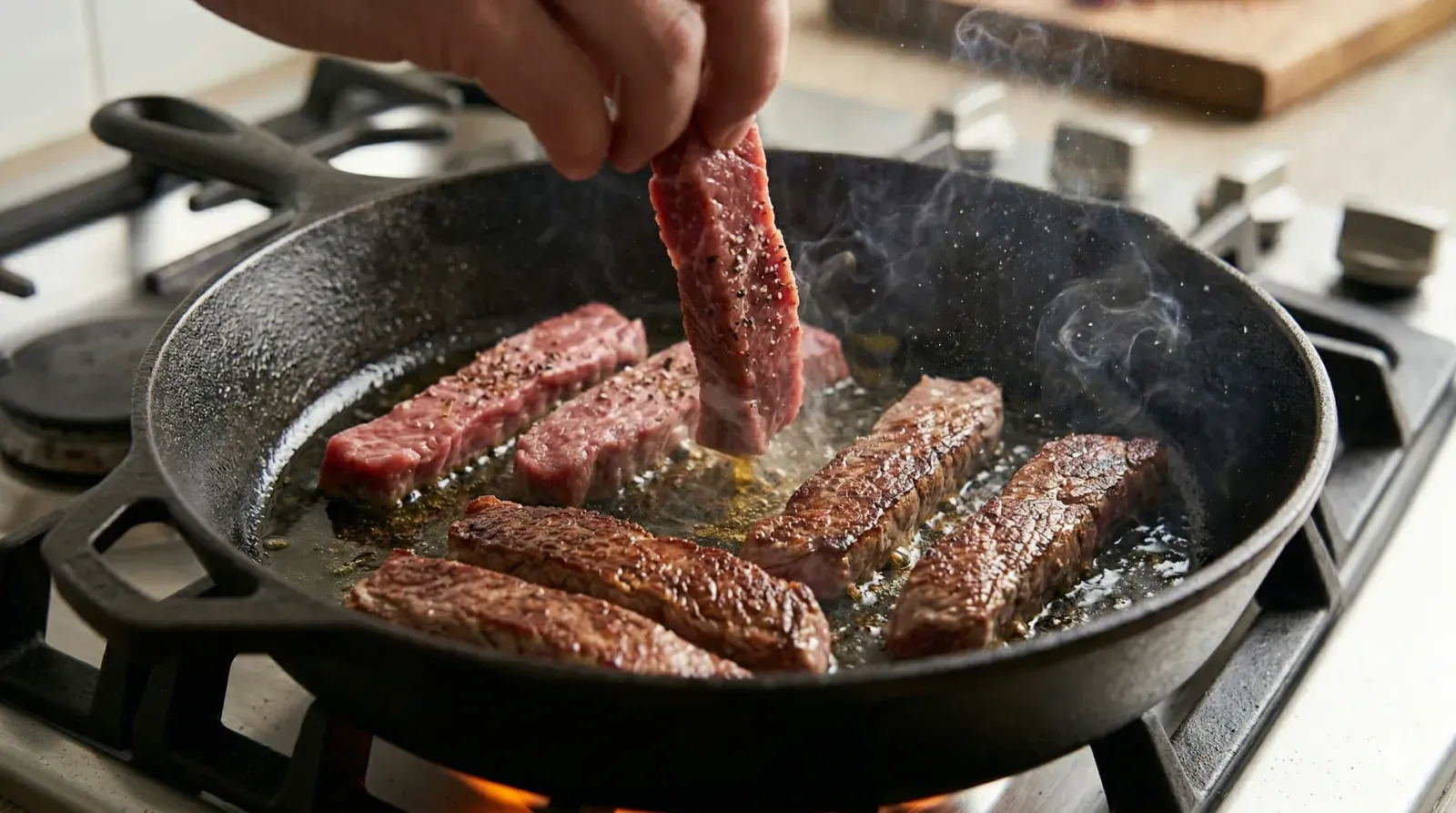
2 Heat olive oil in a large, heavy skillet over high heat. Wait until the oil shimmers and just begins to smoke. Lay the beef strips in a single layer. Do not move them for 1 to 2 minutes. Flip once and sear the other side for another minute. The beef should have a deep brown crust outside and remain pink inside.
Work in two or three batches. Crowding the pan is the most common mistake. Too many strips release moisture. As a result, the beef steams instead of searing. Transfer each batch to a clean plate. Let the pan reheat between batches. Moreover, do not stir or fidget with the strips while they cook. Leaving them undisturbed allows the Maillard reaction to develop. That reaction creates the deep, savory flavor that defines great stroganoff.
Step 3: Cook the Mushrooms and Onion
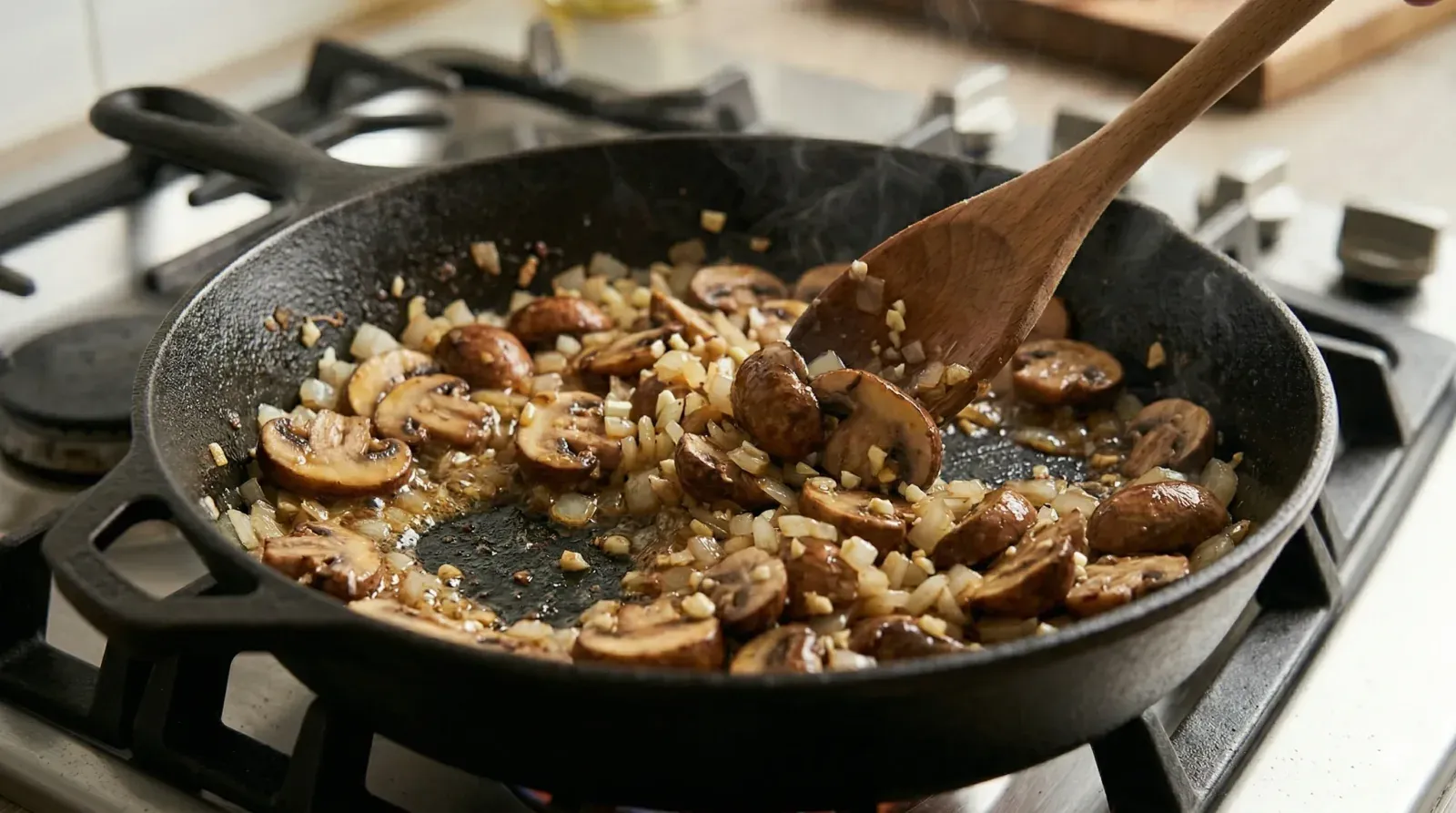
3 Reduce the heat to medium. Add butter to the same skillet. The butter melts into the fond on the pan bottom. Add the sliced mushrooms in a single layer. Cook without stirring for 3 minutes. This allows them to develop a golden sear. Then stir and cook for 2 more minutes until they release their moisture and turn deep brown.
Add the diced onion and minced garlic. Stir everything together. Cook for 3 minutes until the onion turns translucent. The garlic should become fragrant but not brown. Burnt garlic tastes bitter. Therefore, keep stirring once you add it. Meanwhile, the mushrooms absorb the beef fond and butter. They become intensely savory. In fact, mushrooms contain natural glutamates. These compounds amplify the umami flavor of the entire sauce.
Step 4: Build the Sauce
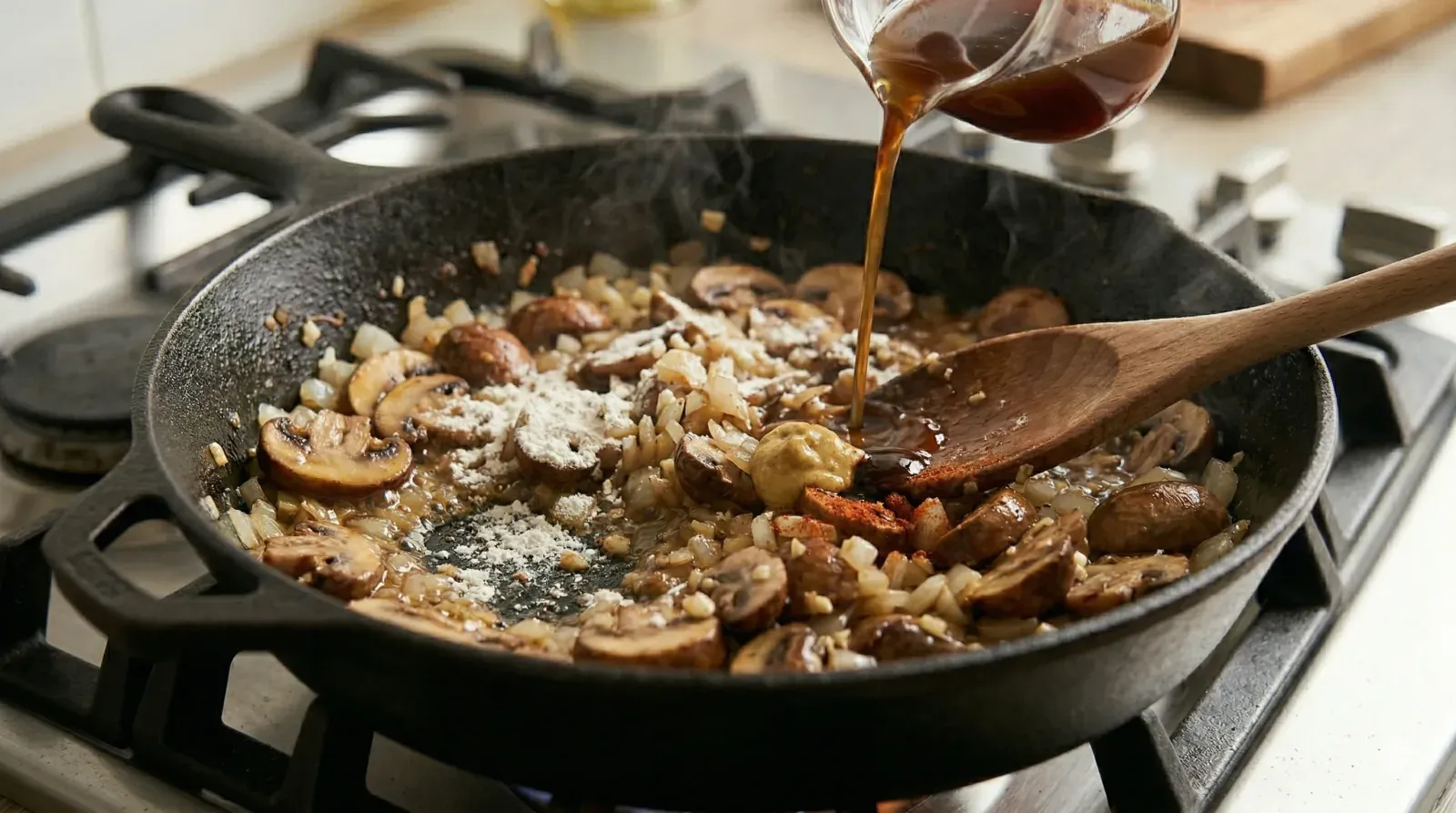
4 Sprinkle the flour over the mushroom and onion mixture. Stir constantly for 1 minute. The flour cooks into the butter and creates a roux. This thickens the sauce without lumps. Pour in the beef broth slowly while stirring. Scrape the bottom of the pan to release any remaining fond. The liquid should start to thicken within 2 minutes.
Add the Dijon mustard, Worcestershire sauce, and sweet paprika. Stir until everything combines smoothly. Bring the sauce to a gentle simmer. Cook for 3 to 4 minutes. The sauce should coat the back of a spoon. Additionally, the paprika adds a warm, sweet undertone. It also gives the sauce its characteristic golden-brown color. However, do not use hot paprika here. The heat would overpower the delicate sour cream that comes next.
Step 5: Finish with Sour Cream and Beef
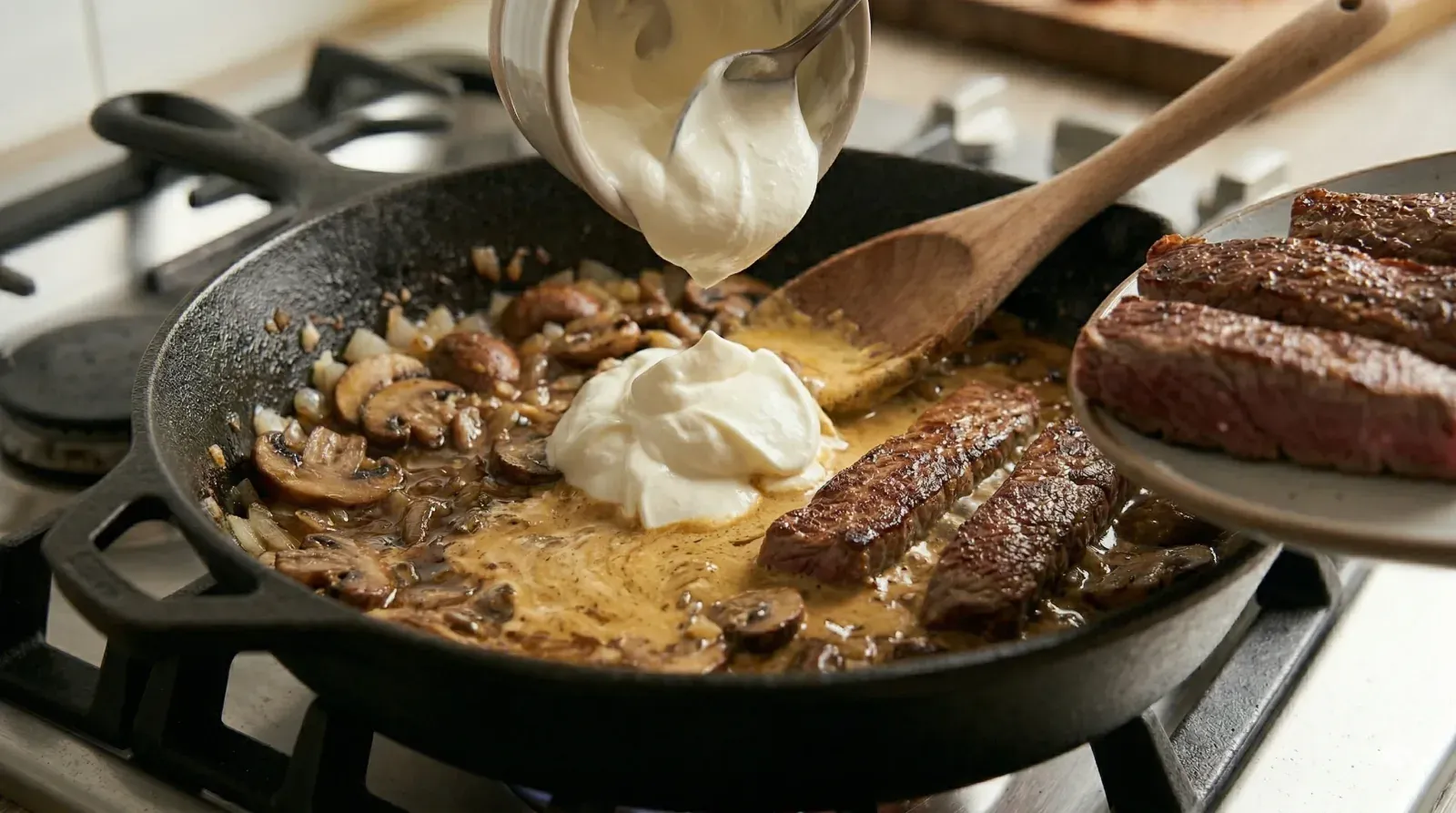
5 Remove the skillet from the heat completely. This step is critical. Let the sauce cool for about 30 seconds. Then add the sour cream and stir gently until the sauce becomes smooth and creamy. The color should turn from deep brown to a warm, golden tan. The sour cream adds the signature tangy richness that defines beef stroganoff.
Return the seared beef strips and any juices from the plate to the skillet. Fold them gently into the sauce. Do not stir aggressively. The residual heat warms the beef through. However, placing the pan back on direct heat risks overcooking the meat. Consequently, the beef would turn tough and gray. Instead, the gentle warmth of the sauce finishes the cooking perfectly. The strips should be pink in the center. That slight blush means they are perfectly done.
Step 6: Serve Over Egg Noodles
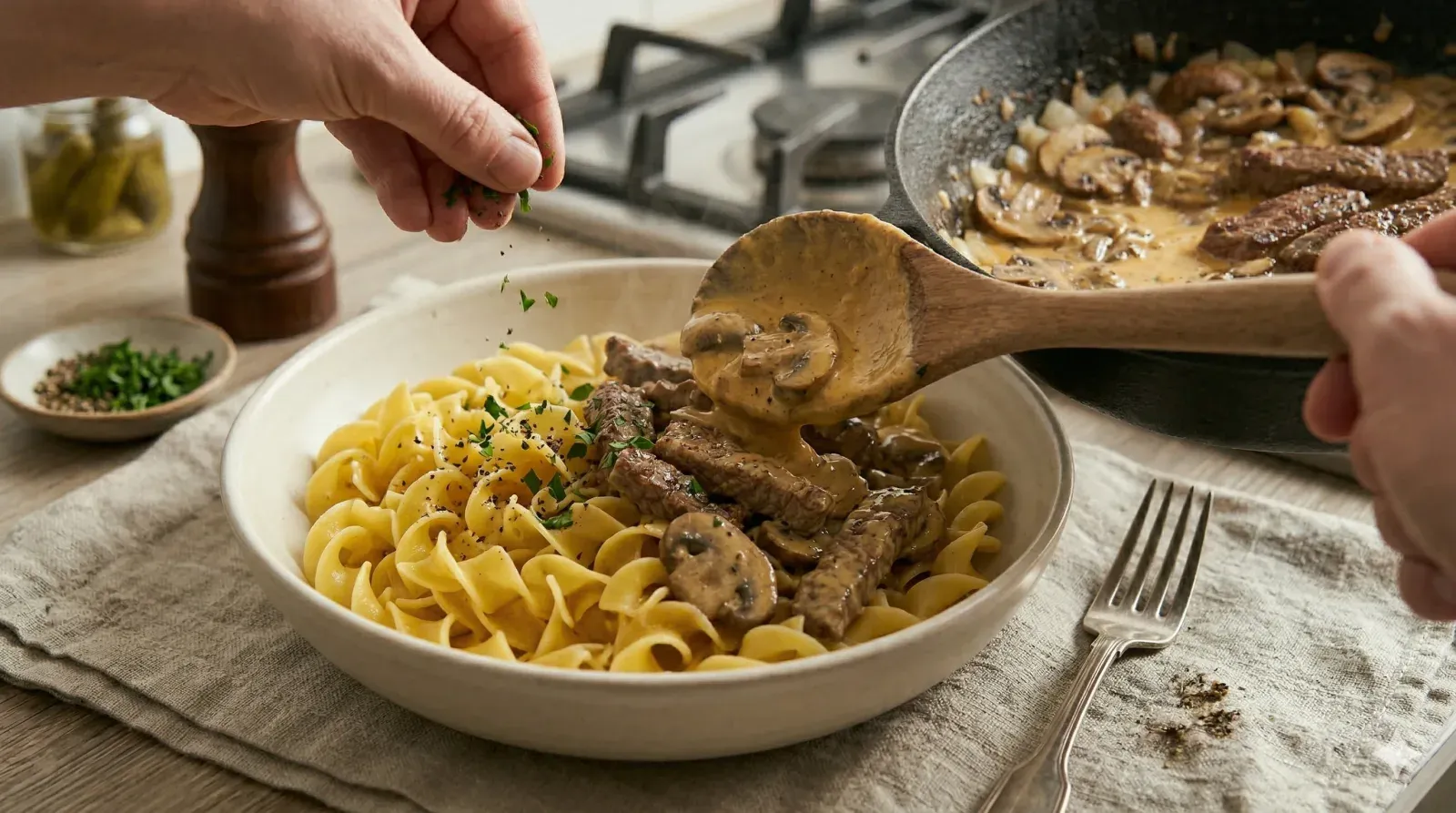
6 Cook egg noodles in salted boiling water according to the package directions. Drain them well. Divide the noodles among shallow bowls. Spoon a generous portion of beef stroganoff over the top. The sauce should pool around the noodles. Garnish with chopped fresh parsley and a crack of black pepper.
Serve immediately while the sauce is warm and silky. The noodles absorb the sauce quickly. Therefore, do not let the dish sit for too long before eating. Besides egg noodles, mashed potatoes are another traditional serving option. Similarly, steamed rice works well for a lighter presentation. Regardless of your choice, the creamy sauce clings to every strand and bite.
Expert Tips for Perfect Beef Stroganoff
Use a Screaming Hot Pan for the Sear
The sear is the foundation of great stroganoff flavor. Heat your skillet until the oil barely smokes. Lay the beef strips down and leave them alone. High heat triggers the Maillard reaction. This chemical process creates hundreds of new flavor compounds. Therefore, a proper sear adds complexity that no amount of seasoning can replicate. A lukewarm pan produces pale, flabby meat. In contrast, a blazing hot pan delivers a caramelized crust in seconds.
Add Sour Cream Off the Heat
Sour cream curdles when it hits boiling liquid. The proteins seize up and separate. Consequently, the sauce turns grainy and unappealing. Always remove the pan from the burner before adding sour cream. Stir it in gently. The residual heat is enough to warm it through. Additionally, using full-fat sour cream is important. Low-fat versions contain stabilizers that behave unpredictably in hot sauces. The extra fat ensures a smooth, luxurious texture.
Do Not Skip the Mushrooms
Mushrooms are not optional in authentic stroganoff. They provide umami depth that balances the sour cream tang. Furthermore, their meaty texture complements the beef strips. Use cremini mushrooms for the best flavor. White button mushrooms work in a pinch. However, cremini have a deeper, earthier taste. Slice them thickly. Thin slices shrink to nothing during cooking. Instead, aim for 1/4-inch slices that hold their shape in the sauce.
Beef Stroganoff Around the World: A Regional Comparison
Beef stroganoff has traveled far from its Russian origins. Each country has adapted the recipe to local tastes. However, the core concept of beef in a creamy sauce remains. Here is how different regions interpret this classic dish.
| Feature | Russian (Original) | American | Brazilian | Swedish |
|---|---|---|---|---|
| Beef Cut | Tenderloin strips | Sirloin or chuck | Cubed steak | Tenderloin strips |
| Sauce Base | Sour cream and mustard | Cream of mushroom soup | Heavy cream and ketchup | Cream and soy sauce |
| Mushrooms | Yes, essential | Optional | Rarely included | Yes |
| Served With | Egg noodles or straw potatoes | Egg noodles | Rice and shoestring fries | Mashed potatoes |
| Key Flavor | Tangy and savory | Rich and creamy | Sweet and creamy | Umami and creamy |
| Cooking Time | Under 45 minutes | 30-60 minutes | 30 minutes | Under 45 minutes |
Serving Suggestions
Beef stroganoff pairs beautifully with a range of side dishes. The rich, creamy sauce demands something to soak it up. Moreover, the right accompaniments balance the richness with freshness. Here are the best options for a complete meal.
The Perfect Side Dishes:
- Egg noodles: Wide egg noodles are the classic pairing. Their mild flavor and silky texture absorb the sauce perfectly. Cook them al dente so they hold up under the heavy sauce.
- Mashed potatoes: Creamy mashed potatoes create a rich, indulgent base. The potatoes catch every drop of sauce. Furthermore, the starchy texture provides a satisfying contrast to the tender beef.
- Steamed rice: White rice offers a neutral backdrop. It lets the stroganoff sauce shine. Additionally, rice lightens the overall meal. This option is popular in Brazilian versions of the dish.
- Pickled cucumbers: A small bowl of pickled cucumbers is essential on a Russian table. The acidity and crunch cut through the richness. Similarly, they refresh the palate between bites of creamy beef.
- Green salad: A simple salad with lemon vinaigrette adds brightness. The crisp greens balance the heaviness of the dish. Consequently, the meal feels more complete and satisfying.
Beverage Pairings:
- Pinot Noir: This light-bodied red wine complements beef without overpowering the sauce. Its earthy notes echo the mushrooms. Moreover, its gentle tannins pair well with the sour cream tang.
- Chilled vodka: A small glass of ice-cold vodka between bites is a classic Russian pairing. The spirit cleanses the palate after each rich, creamy mouthful.
- Amber ale: A malty amber ale matches the savory depth of the beef. The mild hops balance the cream. Additionally, the carbonation cuts through the richness effectively.
- Sparkling water with lemon: For a non-alcoholic option, sparkling water refreshes the palate. The bubbles and citrus provide contrast to the heavy sauce. Instead of flat water, the effervescence keeps the meal lively.
Storage and Reheating
Refrigerator: Store leftover beef stroganoff in an airtight container for up to 3 days. Keep the sauce and noodles separate if possible. Noodles absorb sauce during storage. Therefore, they become mushy and bloated. Storing them apart preserves the texture of both components. However, if they are already mixed, the leftovers still taste great the next day.
Freezer: Freeze the stroganoff sauce without the noodles for up to 2 months. The sour cream may separate slightly upon thawing. Stir vigorously over low heat to re-emulsify the sauce. Alternatively, add a fresh tablespoon of sour cream after reheating. Cook fresh noodles when you are ready to serve. In fact, freezing the sauce in portions makes for quick weeknight dinners.
Reheating: Warm the sauce gently over low heat. Do not boil it. Boiling causes the sour cream to break and the beef to toughen. Instead, stir frequently and heat until just warmed through. A splash of beef broth loosens the sauce if it thickened in the refrigerator. Consequently, the reheated dish tastes nearly as good as freshly made. Meanwhile, the microwave works for small portions. Use 50 percent power to prevent hot spots that curdle the cream.
Common Mistakes to Avoid
1. Crowding the Pan When Searing
Placing too many beef strips in the pan at once is the most common error. The temperature drops rapidly. Moisture pools around the meat. As a result, the beef steams instead of searing. Gray, boiled-looking strips lack the flavor that a brown crust provides. Work in small batches. Allow space between each strip. Consequently, the surface caramelizes properly and builds deep flavor.
2. Adding Sour Cream to a Boiling Sauce
Sour cream contains proteins that curdle under high heat. Stirring it into a bubbling sauce guarantees a broken, grainy texture. Always remove the pan from the heat first. Let the sauce cool slightly. Then fold in the sour cream. Furthermore, use full-fat sour cream for the smoothest result. Reduced-fat versions are more prone to separating. This one adjustment saves many stroganoff disasters.
3. Overcooking the Beef
Beef stroganoff uses tender cuts that cook fast. Leaving strips in the pan too long makes them tough and dry. Sear for just 1 to 2 minutes per side. The beef should still be slightly pink when you remove it from the pan. The residual heat from the sauce finishes the cooking gently. Instead of well-done strips, aim for medium-rare. The carryover cooking brings them to the perfect doneness.
4. Using Water Instead of Beef Broth
Beef broth adds a savory backbone to the sauce. Water dilutes the flavor. Although the mushrooms and fond contribute depth, they need the broth to amplify their impact. Likewise, the broth helps the flour thicken into a glossy sauce rather than a pasty one. Use a good-quality broth. Low-sodium versions give you more control over seasoning. Besides flavor, the gelatin in broth creates a silkier mouthfeel.
Frequently Asked Questions
What cut of beef is best for beef stroganoff?
Beef tenderloin is the traditional and best choice. It stays tender with quick, high-heat cooking. Sirloin steak is an excellent budget-friendly alternative. However, avoid tough cuts like chuck or round steak. These require long braising times. Instead, choose cuts that remain tender after a brief sear. Furthermore, always slice the beef against the grain. This simple technique shortens the muscle fibers and improves tenderness dramatically.
Can I make beef stroganoff without sour cream?
Yes, several substitutes work well. Full-fat Greek yogurt provides similar tanginess and texture. Cream cheese thinned with a splash of milk is another option. Additionally, coconut cream works for dairy-free versions. However, the flavor profile shifts slightly. In fact, any substitute should be added off the heat. The same curdling risk applies to yogurt and cream cheese. Therefore, treat all dairy substitutes with the same care as sour cream.
Why is my beef stroganoff sauce curdling?
Curdling happens when sour cream hits a sauce that is too hot. The proteins seize and separate from the fat. Always remove the skillet from heat before adding sour cream. Moreover, tempering helps prevent this problem. Stir a spoonful of hot sauce into the sour cream first. Then add the tempered mixture back to the pan. This gradual temperature change keeps the proteins stable. Consequently, your sauce stays smooth and velvety.
What do you traditionally serve with beef stroganoff?
In Russia, the traditional accompaniments are egg noodles or straw potatoes. Mashed potatoes and steamed rice are also popular options. Furthermore, pickled cucumbers and a simple green salad complete the meal. The tangy pickles cut through the rich, creamy sauce beautifully. Meanwhile, the salad adds a fresh contrast. Similarly, a small bowl of fermented vegetables is common on Russian dinner tables alongside stroganoff.
Can I make beef stroganoff ahead of time?
You can prepare the sauce and mushrooms up to one day ahead. Store them in the refrigerator separately from the noodles. However, do not add the sour cream until serving time. Reheat the sauce gently over low heat. Then stir in the sour cream off the burner. Sear the beef fresh just before serving. Consequently, the beef stays tender instead of becoming tough from reheating. Besides saving time, this approach actually improves the sauce. The flavors meld overnight.
Is beef stroganoff Russian or French?
Beef stroganoff is definitively a Russian dish. It originated in mid-19th century Russia. The dish is named after the Stroganov family, one of the wealthiest dynasties in Russian history. Although French chefs working in Russian aristocratic households may have refined the technique, the dish belongs to Russian culinary tradition. Moreover, the key ingredients reflect Russian cooking. Sour cream, mustard, and mushrooms are staples of the Russian kitchen. The dish spread internationally through Russian emigrants in the 20th century.
Variations and Adaptations
Chicken Stroganoff:
Replace the beef with boneless, skinless chicken thighs. Cut them into strips and sear in the same way. Chicken thighs stay moist and tender. In contrast, chicken breast dries out quickly. The lighter protein pairs well with the creamy sauce. Additionally, chicken stroganoff costs less than the beef version. Use chicken broth instead of beef broth. The overall flavor is milder but still deeply satisfying.
Mushroom Stroganoff (Vegetarian):
Use a mix of portobello, cremini, and oyster mushrooms as the star ingredient. Slice them thickly. Sear in butter until deeply browned. The mushrooms provide enough umami to stand in for beef. Furthermore, add a splash of soy sauce for extra savory depth. Use vegetable broth for the sauce. Besides being meat-free, this version is faster to prepare. Moreover, it is equally rich and comforting.
Slow Cooker Stroganoff:
For a hands-off approach, use a tougher cut like chuck roast. Cut it into cubes. Brown the meat first for flavor. Transfer everything to a slow cooker with the mushrooms, onion, broth, and seasonings. Cook on low for 6 to 8 hours. The tough meat becomes meltingly tender. However, add the sour cream only in the last 15 minutes. Consequently, it stays smooth and does not break down during the long cook.
Brazilian Estrogonofe:
This popular Brazilian adaptation uses heavy cream and a touch of ketchup or tomato paste. The sauce is sweeter and richer than the Russian original. It is served over white rice with thin shoestring potato fries on top. In fact, estrogonofe is one of the most popular home-cooked dishes in Brazil. The crispy fries add a textural contrast that makes this version uniquely addictive.
The Cultural Significance of Beef Stroganoff
Beef stroganoff holds a unique position in culinary history. It represents the meeting of Russian tradition and French technique. The Stroganov family were among the most powerful merchant dynasties in Imperial Russia. They controlled vast territories in the Urals and Siberia. Their household kitchens employed French-trained chefs. Therefore, beef stroganoff emerged from this cross-cultural exchange. The dish embodies the sophistication of 19th-century Russian aristocratic dining.
The recipe gained international fame through waves of Russian emigration. After the 1917 Revolution, Russian aristocrats and chefs fled to Paris, Shanghai, and New York. They brought their recipes with them. Consequently, beef stroganoff appeared on restaurant menus across the globe. By the 1950s, it had become a staple of American home cooking. Similarly, it found devoted followings in Brazil, Sweden, and Australia. Each country adapted the recipe to local tastes and ingredients.
Today, beef stroganoff remains a symbol of elegant comfort food. It proves that a few quality ingredients, handled with care, can produce extraordinary results. Moreover, the dish connects modern cooks to a rich history of cultural exchange. Making stroganoff at home is not just cooking dinner. It is participating in a tradition that spans continents and centuries. The creamy sauce, the tender beef, and the earthy mushrooms tell a story of Russian ingenuity that the whole world has embraced.
Conclusion
Making classic beef stroganoff at home is simpler than most people expect. The entire dish comes together in under 45 minutes. However, the flavors suggest hours of slow cooking. The secret lies in a few key techniques. Sear the beef over blazing heat. Build the sauce on the flavorful fond. Add the sour cream off the heat. Furthermore, use quality ingredients and let each one contribute to the whole.
Whether you serve it over egg noodles, mashed potatoes, or rice, beef stroganoff delivers warmth and satisfaction. This recipe connects you to a proud Russian culinary tradition. Moreover, it adapts beautifully to your personal taste. Try the chicken version for a lighter meal. Explore the Brazilian estrogonofe for something adventurous. Regardless of the variation, the essence remains the same. Tender protein in a creamy, tangy, mushroom-rich sauce is always a winner. For more European classics, explore our full collection at myvietkitchen.com/category/european-dishes/.