The Balmain bug is one of Australia’s most prized and distinctive seafood treasures, yet it remains surprisingly unknown outside the country. This flat, shovel-nosed slipper lobster delivers sweet, delicate meat that rivals any lobster on earth. Found along Australia’s southern coastline, the Balmain bug has been a favorite at Sydney fish markets and coastal restaurants for generations. In this complete guide, you will learn everything about this remarkable crustacean, from selecting the freshest specimens to grilling them with a simple garlic butter that lets the natural flavor shine.
Prep Time: 15 minutes | Cook Time: 10 minutes | Servings: 4
Difficulty: Easy | Calories: ~245 per serving
What Is a Balmain Bug?
The Balmain bug (Ibacus peronii) is a species of slipper lobster native to Australia. Unlike traditional lobsters with their long claws and cylindrical bodies, this creature has a flat, wide shell that makes it look almost prehistoric. Its body is shaped like a broad shovel, with small legs tucked underneath and a fan-shaped tail that holds the prized meat. The name “bug” is Australian slang for this family of flat lobsters, and “Balmain” refers to the Sydney harbor suburb where fishermen historically landed their catch.
Despite their unusual appearance, these slipper lobsters are considered a premium delicacy in Australian cuisine. The tail meat is remarkably sweet and tender, with a flavor profile that many chefs describe as sweeter than rock lobster and more refined than prawn. As a result, top restaurants across Sydney, Melbourne, and Brisbane feature them prominently on their menus, particularly during the warmer months when the catch is at its peak. According to the NSW Department of Primary Industries, this species is harvested commercially along the continental shelf from southern Queensland to Western Australia.
If you enjoy exploring unique crustaceans from around the world, you might also appreciate our guide to cooking crawfish, another underrated shellfish with incredible flavor.

How to Choose Fresh Balmain Bug at the Market
Selecting the freshest possible specimens is the single most important step in this recipe. Because the meat is so delicate, freshness determines whether you get sweet, succulent flesh or a disappointing, mushy texture. Here is what to look for when shopping at the fishmonger or seafood market.
- Live Balmain bugs (best choice): The absolute freshest option. Live specimens should be active, with legs and antennae moving when handled. The shell should feel firm and heavy for its size, which indicates a full meat yield. Live specimens should smell like clean ocean water with no ammonia odor whatsoever.
- Fresh whole (recently deceased): If live is unavailable, whole fresh specimens are the next best option. The eyes should be clear and glossy rather than cloudy. Press the shell gently and it should feel firm, not soft or spongy. Fresh whole bugs should still smell briny and pleasant.
- Frozen whole or tails: Quality frozen specimens can be excellent, especially if blast-frozen at sea. Look for products with no ice crystals or freezer burn visible through the packaging. Thaw slowly in the refrigerator overnight for the best texture. Avoid thawing under warm water, as this causes the delicate protein fibers to break down.
- Pre-cooked (not recommended for grilling): Some markets sell pre-cooked slipper lobster meat. While convenient for salads and cold dishes, pre-cooked meat becomes rubbery when grilled or pan-seared a second time. Only buy pre-cooked if you plan to eat it cold.
Ingredients for Grilled Balmain Bug
Main Ingredients:
- 8 whole Balmain bugs, approximately 200g each
- 1 tablespoon extra virgin olive oil
- Flaky sea salt and freshly cracked black pepper to taste
- Lemon wedges for serving
For the Garlic Butter:
- 4 tablespoons unsalted butter, softened
- 3 cloves garlic, finely minced
- 1 tablespoon fresh flat-leaf parsley, finely chopped
- 1 teaspoon lemon zest
- 2 tablespoons fresh lemon juice
- 1/2 teaspoon smoked paprika
- 1/4 teaspoon cayenne pepper (optional)
Pro tip: When buying these slipper lobsters, allow two whole bugs per person as a main course. Each bug yields a relatively small amount of tail meat compared to its shell size. Two bugs per serving ensures a satisfying portion without needing additional protein on the plate.
Step-by-Step Instructions
Step 1: Prepare the Garlic Butter
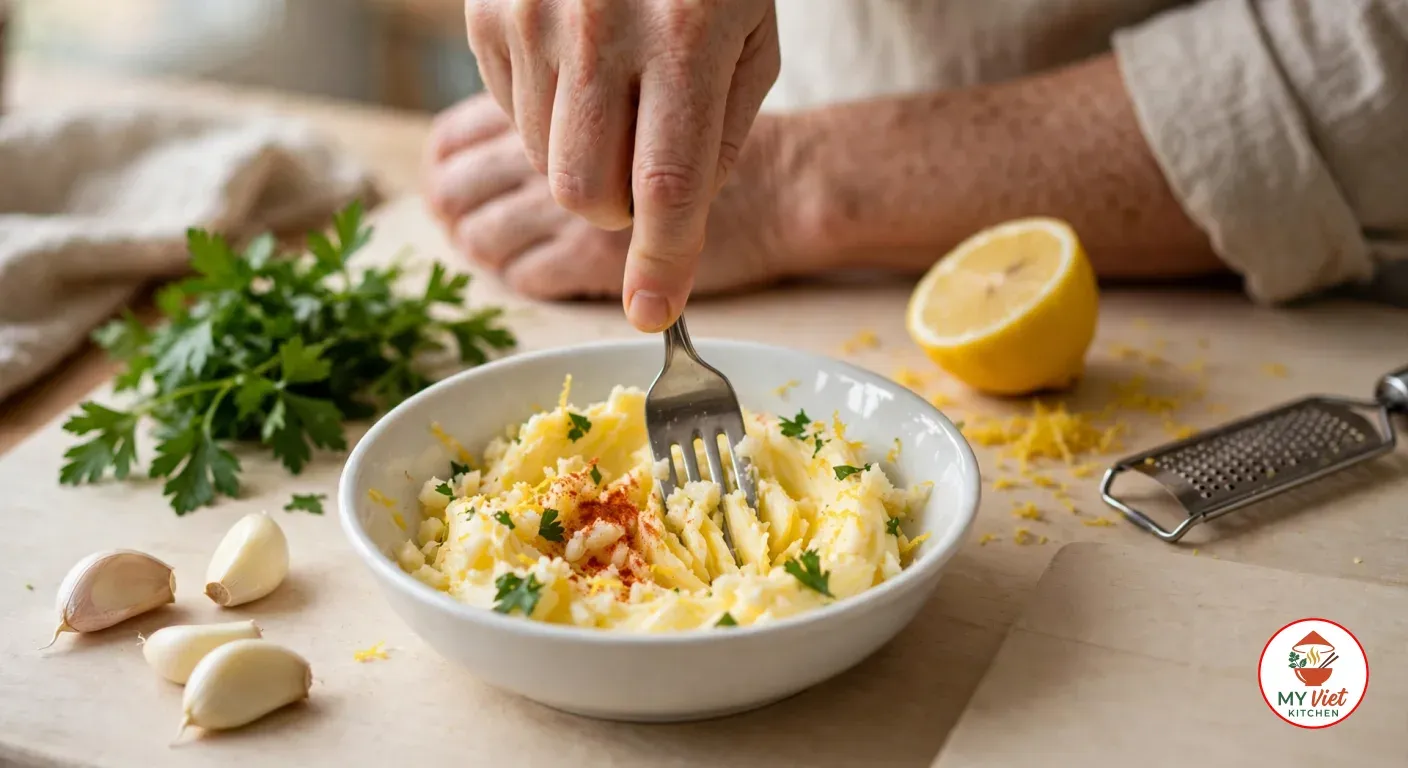
1 In a small mixing bowl, combine the softened butter with the minced garlic, chopped parsley, lemon zest, smoked paprika, and cayenne pepper if using. Mash everything together with a fork until the ingredients are evenly distributed throughout the butter. Season with a pinch of flaky sea salt. This compound butter can be made up to 2 days ahead and stored in the refrigerator. Simply bring it back to room temperature before using so it spreads easily over the seafood flesh.
Step 2: Split and Clean the Balmain Bugs
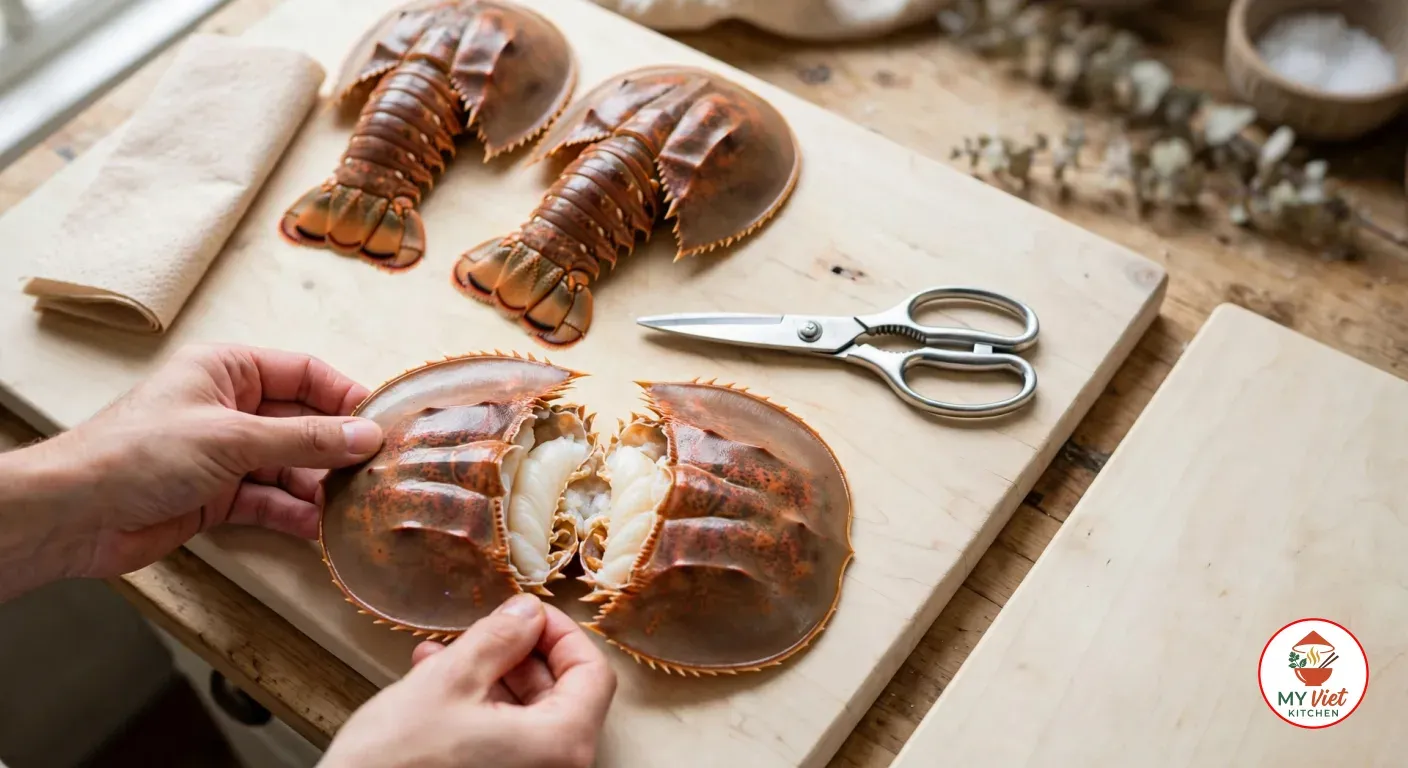
2 Place each slipper lobster on a sturdy cutting board with the underside facing up. Using a large sharp chef’s knife or strong kitchen shears, cut lengthwise through the softer underside from head to tail. Open the two halves like a book without separating them completely, creating a butterfly shape. This exposes the tail meat for even cooking and allows the garlic butter to melt directly into the flesh.
Once butterflied, locate and remove the thin digestive tract that runs along the center of the tail. It appears as a dark vein similar to the one found in prawns. Discard any green or brown tomalley from the head section unless you enjoy its intense briny flavor. Rinse each butterflied bug briefly under cold running water and pat thoroughly dry with paper towels. Dry surfaces sear better on the grill and produce superior caramelization.
Step 3: Season and Prepare for the Grill
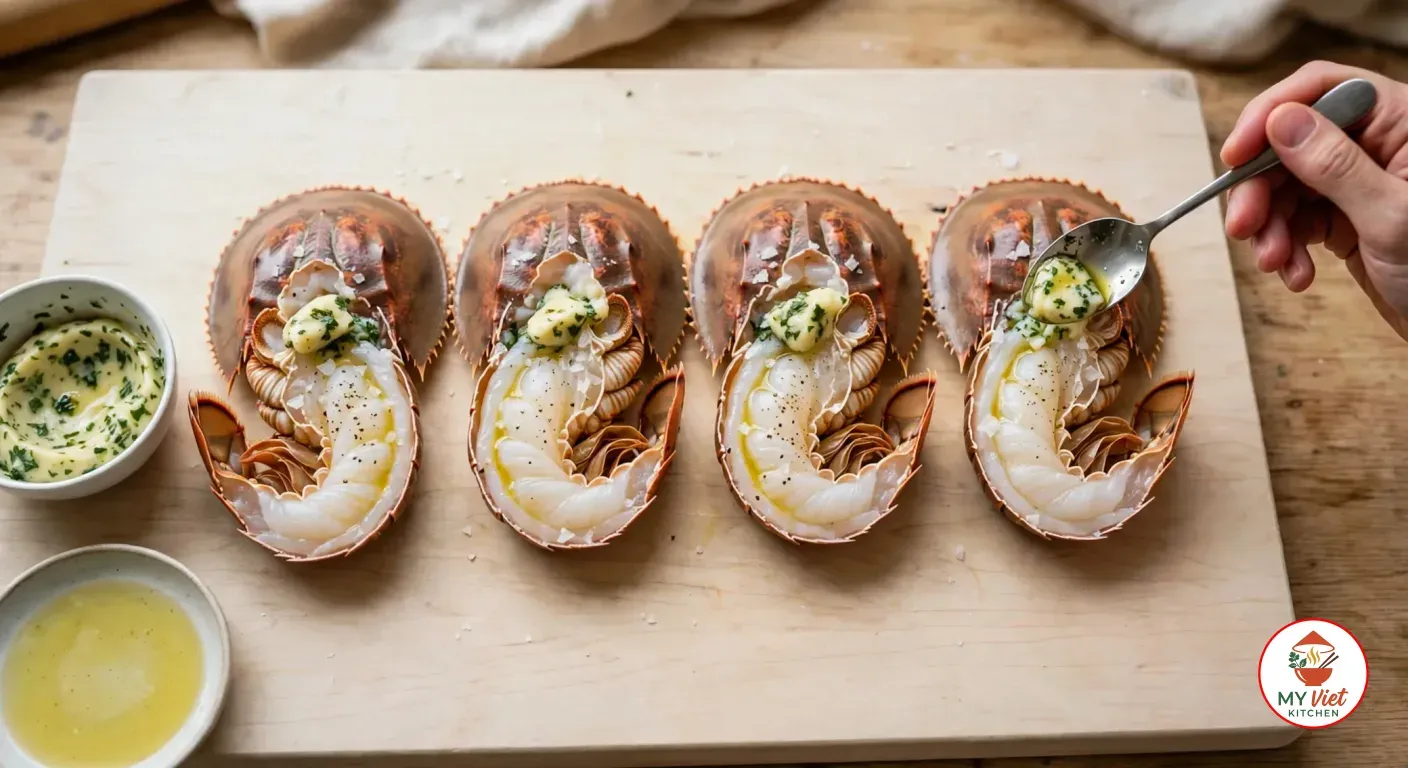
3 Brush the exposed flesh of each butterflied piece lightly with extra virgin olive oil. Season generously with flaky sea salt and freshly cracked black pepper. Then dollop approximately one teaspoon of the garlic butter onto the flesh of each half. The butter will melt and baste the meat as it cooks on the grill, so there is no need to spread it at this stage. Let the seasoned bugs sit at room temperature for 5 minutes while you preheat the grill.
Step 4: Grill the Balmain Bugs
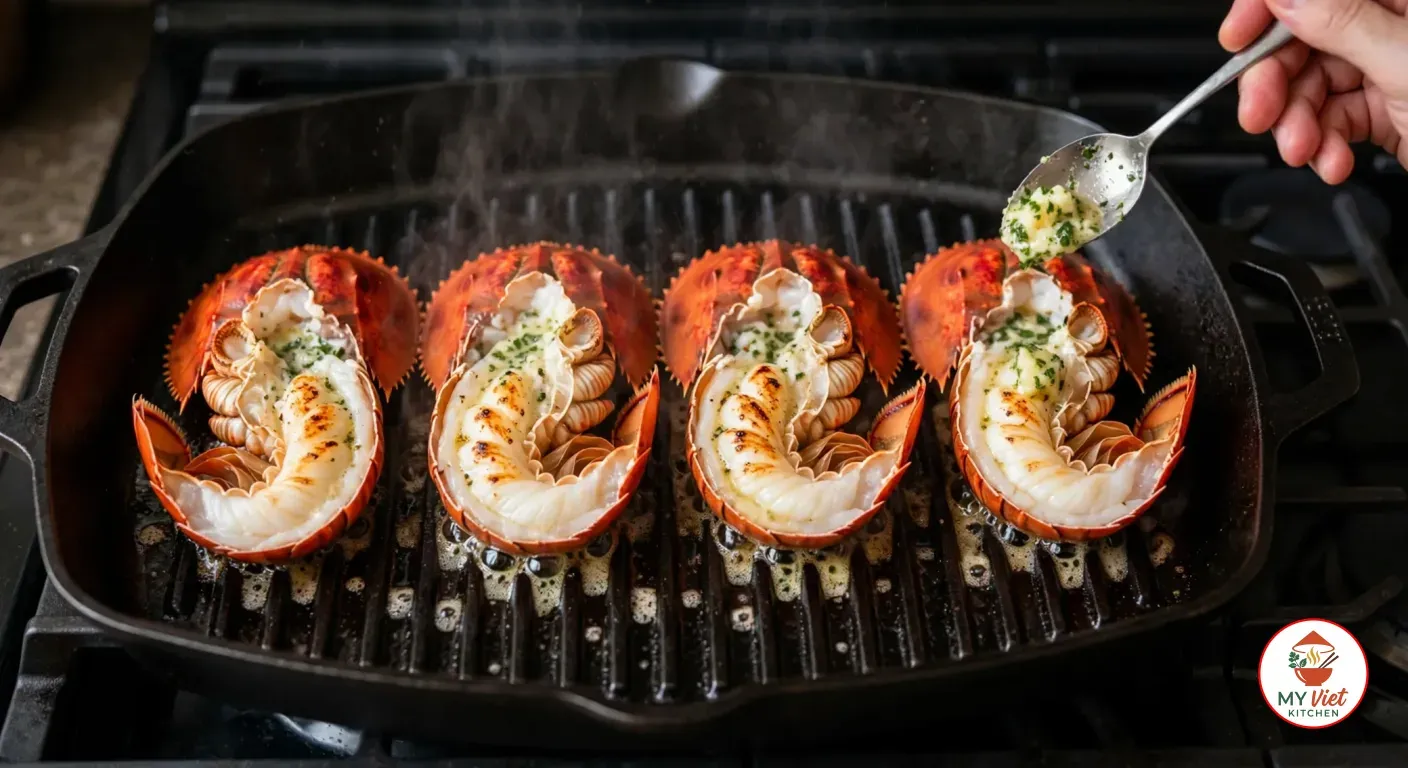
4 Preheat your grill or barbecue to medium-high heat, around 200 degrees Celsius (400 degrees Fahrenheit). Clean the grates thoroughly and oil them lightly to prevent sticking. Place the bugs flesh side down first and grill for approximately 2 minutes. This initial sear creates beautiful char marks and develops a caramelized crust on the meat surface.
After 2 minutes, carefully flip each bug so the shell side faces down. Add another small dollop of garlic butter to each one. Close the grill lid and continue cooking for 3 to 4 minutes. The shell acts as a natural cooking vessel, holding the melted butter against the meat. You will know the meat is done when the flesh turns from translucent grey to opaque white and the shell brightens to vivid orange-red. Resist the temptation to overcook, because the meat goes from perfectly tender to rubbery within just one extra minute.
Step 5: Rest and Serve
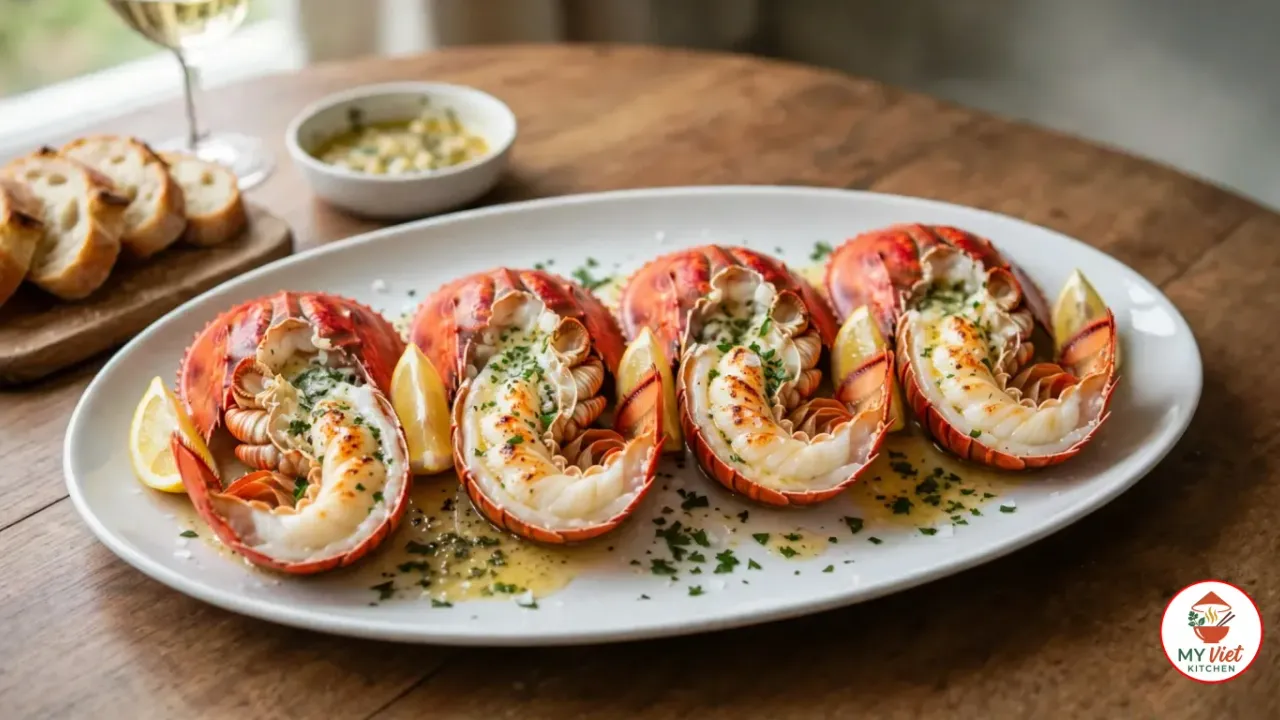
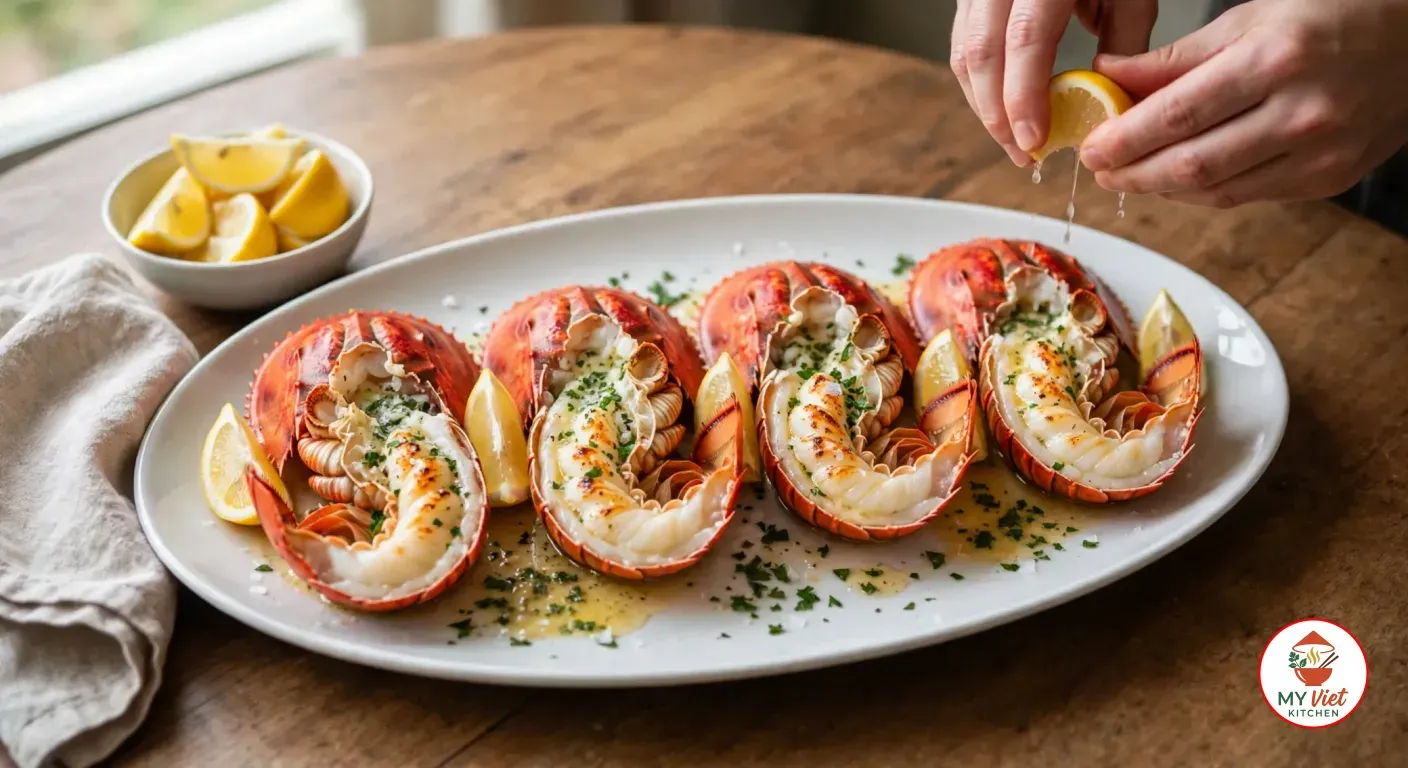
5 Transfer the grilled shellfish to a warm serving platter. Spoon any remaining garlic butter over the top while the meat is still hot enough to melt it. Squeeze fresh lemon juice over each piece and finish with a scattering of chopped parsley and a final pinch of flaky sea salt. Serve immediately with extra lemon wedges on the side. The natural sweetness of the meat pairs beautifully with the rich garlic butter and bright citrus.
Expert Tips for Cooking Balmain Bug
Do Not Overcook
Timing is the most critical rule when cooking this shellfish. Because the meat is lean, delicate, and contains very little fat compared to lobster. This means it overcooks extremely quickly and turns tough, chewy, and dry within a minute or two past the ideal point. Total cooking time should rarely exceed 6 to 7 minutes regardless of method. When in doubt, pull the bugs off the heat slightly early. Residual heat from the shell will continue cooking the meat for another minute as it rests.
Keep the Seasoning Simple
The meat has a naturally sweet, nuanced flavor that heavy sauces and bold spices can easily overwhelm. The best approach is to let the seafood be the star. Garlic butter, lemon, sea salt, and fresh herbs are all you need. Consequently, this recipe avoids complex marinades or strong chili heat. If you want to add more depth, consider a light squeeze of yuzu or a drizzle of brown butter with capers instead of reaching for powerful spices.
Use the Shell as a Serving Bowl
One advantage of cooking these crustaceans in the shell is that the flat, sturdy exoskeleton makes a natural serving vessel. After grilling, the shell holds pooled garlic butter and juices beautifully. Diners can eat directly from the shell with a small fork, which keeps the presentation elegant and reduces dishwashing. Furthermore, the shell insulates the meat and keeps it warm longer at the table compared to plated, shelled portions.
Balmain Bug vs. Moreton Bay Bug: A Comparison
Australia is home to two closely related slipper lobster species that often cause confusion at the fish market. Both are outstanding seafood, but they have distinct characteristics. Here is how the two species compare side by side.
| Feature | Balmain Bug | Moreton Bay Bug |
|---|---|---|
| Scientific name | Ibacus peronii | Thenus australiensis |
| Body shape | Broad, rounded, shovel-like | Narrower, more elongated |
| Flavor | Sweeter, more delicate | Slightly firmer, mild |
| Texture | Tender, almost buttery | Firmer, holds shape well |
| Primary habitat | Southern Australia | Queensland, tropical waters |
| Average size | 150-250g whole | 150-300g whole |
| Best cooking method | Grilling, pan-searing | Grilling, steaming, stir-frying |
| Price point | Higher, premium | Slightly more affordable |
In short, the former is the more prized of the two for its superior sweetness and melt-in-your-mouth texture. However, Moreton Bay bugs are more widely available and also make an excellent substitute in this recipe. Either species works well on the grill with garlic butter.
Serving Suggestions
Grilled slipper lobster makes a stunning centerpiece for a summer seafood feast. The presentation is naturally dramatic, and the sweet, buttery meat pairs well with a wide range of sides. Here are the best ways to build a complete meal around this Australian delicacy.
The Perfect Accompaniments:
- Green salad with citrus vinaigrette: A light salad with mixed greens, avocado, and a lemon dressing provides a fresh counterpoint to the rich garlic butter without competing for attention.
- Grilled corn on the cob: Sweet charred corn complements the shellfish beautifully and cooks alongside it on the same barbecue for convenience.
- Crusty sourdough bread: Thick slices of warm sourdough are essential for soaking up the garlic butter that pools in the shells after grilling.
- Roasted potatoes: Crispy herb-roasted potatoes turn this dish from a light meal into a hearty, satisfying dinner.
Beverage Pairings:
- Australian Chardonnay: A lightly oaked Margaret River Chardonnay has enough body and stone fruit character to match the richness of the garlic butter.
- Sauvignon Blanc: A crisp Adelaide Hills Sauvignon Blanc provides zingy acidity that cuts through the butter and highlights the natural sweetness of the slipper lobster meat.
- Dry Riesling: Clare Valley Riesling with its lime and mineral notes is a classic pairing for Australian shellfish.
- Cold pale ale: An Australian craft pale ale keeps the mood casual and the bitterness cleanses the palate between bites.
Storage and Reheating
Refrigerator: Store cooked meat in an airtight container in the refrigerator for up to 2 days. The meat is best eaten fresh, but leftover grilled meat works well in cold salads, pasta dishes, or sandwiches the following day.
Freezer: Raw specimens can be frozen for up to 3 months. Wrap each bug individually in plastic wrap and then place inside a freezer bag, pressing out as much air as possible. Thaw overnight in the refrigerator before cooking. Cooked meat does not freeze as well because the delicate meat can become watery upon thawing.
Reheating: Gently reheat cooked portions in the shell in a 150 degree Celsius (300 degree Fahrenheit) oven for 5 to 7 minutes. Add a small pat of butter to the shell before reheating to prevent drying. Avoid the microwave entirely because it creates uneven hot spots that make the meat rubbery and tough. Honestly, leftover slipper lobster tastes better cold in a salad than improperly reheated.
Common Mistakes to Avoid
1. Overcooking the Meat
This bears repeating because it is the single most common way people ruin this dish. The tail meat cooks in just 5 to 7 minutes total. Every extra minute turns the tender, sweet flesh into something that resembles a rubber eraser. Set a timer when the bugs hit the grill and check for doneness at the minimum time. Opaque white flesh means done. If you can see any translucent sections, give it 30 more seconds and check again.
2. Not Drying the Meat Before Cooking
Moisture on the surface of any protein prevents proper browning and caramelization. When you skip the step of patting the butterflied shellfish dry with paper towels, the excess water creates steam instead of searing. The result is pale, steamed-looking meat rather than beautifully charred flesh with golden edges. Take 30 seconds to dry each piece thoroughly before oiling and seasoning.
3. Using Too Much Sauce or Marinade
Because this seafood is expensive and somewhat rare, there is a natural instinct to dress it up with elaborate sauces. Resist this urge. Heavy cream sauces, thick glazes, and strong marinades mask the very flavor you are paying a premium to enjoy. The meat itself is the attraction. Garlic butter, lemon, and salt enhance the natural sweetness without hiding it. Let the ingredient speak for itself.
Frequently Asked Questions
What does Balmain bug taste like?
Balmain bug has a sweet, delicate flavor that sits somewhere between lobster and scampi. The meat is firm yet tender with a subtle oceanic sweetness. Many seafood lovers consider the flavor more refined than standard lobster because it carries less of the iodine taste. The texture is slightly denser than prawn meat, which helps it hold up well to grilling and pan-searing without falling apart.
What is the difference between Balmain bug and Moreton Bay bug?
Both are Australian slipper lobsters, but they differ in body shape, flavor, and habitat. The former has a broader, more rounded body and sweeter, more tender flesh. Moreton Bay bugs are narrower with firmer meat and are found in warmer tropical waters. While both make excellent eating, many chefs prefer the slipper lobster variety for its buttery texture and delicate sweetness. Our comparison table above provides a detailed breakdown of the differences.
How do you know when Balmain bugs are cooked?
Look for two visual cues when cooking these crustaceans. First, the flesh changes from translucent grey to opaque white throughout. Second, the shell transforms from its natural brown-grey color to a vivid orange-red. The internal temperature should reach 63 degrees Celsius (145 degrees Fahrenheit). Total cooking time is typically 5 to 7 minutes depending on size and cooking method. Remove them from the heat promptly once these visual changes occur.
Can you eat Balmain bug raw?
Yes, sashimi-grade specimens can be eaten raw and are considered a delicacy at high-end Australian restaurants. The raw flesh is translucent with a clean, sweet taste. However, you must use only the freshest product from a trusted fishmonger who confirms sashimi-grade quality. Raw Balmain bug is typically served thinly sliced with citrus, soy sauce, and wasabi, or as part of a crudo preparation.
Where can you buy Balmain bugs outside Australia?
Outside Australia, Balmain bugs are difficult to find but not impossible. Specialty seafood importers in the United States, United Kingdom, and parts of Asia occasionally stock frozen specimens. Online Australian seafood retailers also ship internationally with cold-chain packaging. If you cannot source them, langoustines or Moreton Bay bugs make the closest substitutes in terms of flavor and texture. Your local fishmonger may also be able to special-order them with advance notice.
Variations and Adaptations
Pan-Seared Balmain Bug with Brown Butter:
For a restaurant-style preparation, remove the raw tail meat from the shell and pan-sear it in a hot skillet with a tablespoon of olive oil. Cook for 2 minutes per side until golden. In the same pan, add butter and let it foam until it turns nutty brown. Toss in capers, a squeeze of lemon, and fresh parsley. Spoon the brown butter over the seared tail and serve immediately. This method creates an incredible crust while keeping the interior silky.
Balmain Bug Thermidor:
This classic French technique works beautifully with Australian slipper lobster. Lightly poach the bug meat, then fold it into a mixture of Dijon mustard cream sauce with shallots and tarragon. Place the filling back into the shells, top with grated Gruyere cheese, and broil until bubbly and golden. The creamy sauce and nutty cheese complement the sweet crustacean meat without overwhelming it. This is an excellent dinner party dish that looks impressive yet comes together quickly.
Asian-Inspired Chili Balmain Bug:
Toss butterflied bugs in a light coating of cornstarch and wok-fry them briefly. Then stir-fry with ginger, spring onion, and a sweet chili sauce made from sambal, palm sugar, and a splash of rice vinegar. Finish with fresh cilantro and serve over steamed jasmine rice. This preparation draws inspiration from Vietnamese seafood cooking, where bold aromatics meet delicate shellfish for a balanced and exciting dish.
Cold Balmain Bug Salad:
Poach whole bugs in court bouillon for 5 minutes, then chill completely. Remove the tail meat and slice it into medallions. Arrange over a bed of mixed leaves with segments of grapefruit, shaved fennel, and a light citrus vinaigrette. This refreshing preparation showcases the natural sweetness of the meat without any heat or heavy flavors. It makes a stunning starter for a warm-weather lunch.
The Cultural Significance of Balmain Bug in Australian Cuisine
This unique crustacean holds a special place in Australian food culture as a symbol of the country’s extraordinary marine biodiversity. While many nations build their seafood identity around shrimp, salmon, or cod, Australia celebrates its unique crustaceans. The Balmain bug represents a distinctly Australian approach to seafood dining: premium quality, minimally processed, and served with respect for the ingredient. For generations, fishermen along the New South Wales coast have hauled in these flat lobsters alongside prawns and fin fish.
In recent decades, this slipper lobster has risen from a byproduct of the prawn trawling industry to a sought-after luxury ingredient. Chefs like Peter Gilmore at Quay in Sydney and Ben Shewry at Attica in Melbourne have elevated Australian native seafood to world-class fine dining. Their work has brought global attention to species like this flat lobster that were previously known only to locals. Today, this slipper lobster appears on tasting menus alongside other iconic Australian ingredients such as finger lime, Davidson plum, and marron.
If you are interested in discovering more unique seafood from the Asia-Pacific region, explore our collection of seafood recipes featuring ingredients from Australia, Vietnam, and beyond.
Conclusion
Cooking Balmain bug at home is simpler than most people expect. The recipe itself is straightforward: butterfly, season, grill, and serve. What matters most is sourcing the freshest possible product and having the discipline not to overcook it. With just garlic butter, lemon, and sea salt, you can create a restaurant-quality seafood dish that highlights the natural sweetness and tender texture that makes this Australian delicacy so special.
Whether you are hosting a summer barbecue, planning a special occasion dinner, or simply treating yourself to one of the ocean’s finest offerings, Balmain bug delivers an unforgettable eating experience. The combination of its dramatic flat-shell presentation, sweet buttery meat, and simple preparation makes it a showstopper at any table. Once you try grilling this slipper lobster with garlic butter, it may just become your favorite way to enjoy shellfish. Discover more unique dishes from around the world in our seafood recipe collection.