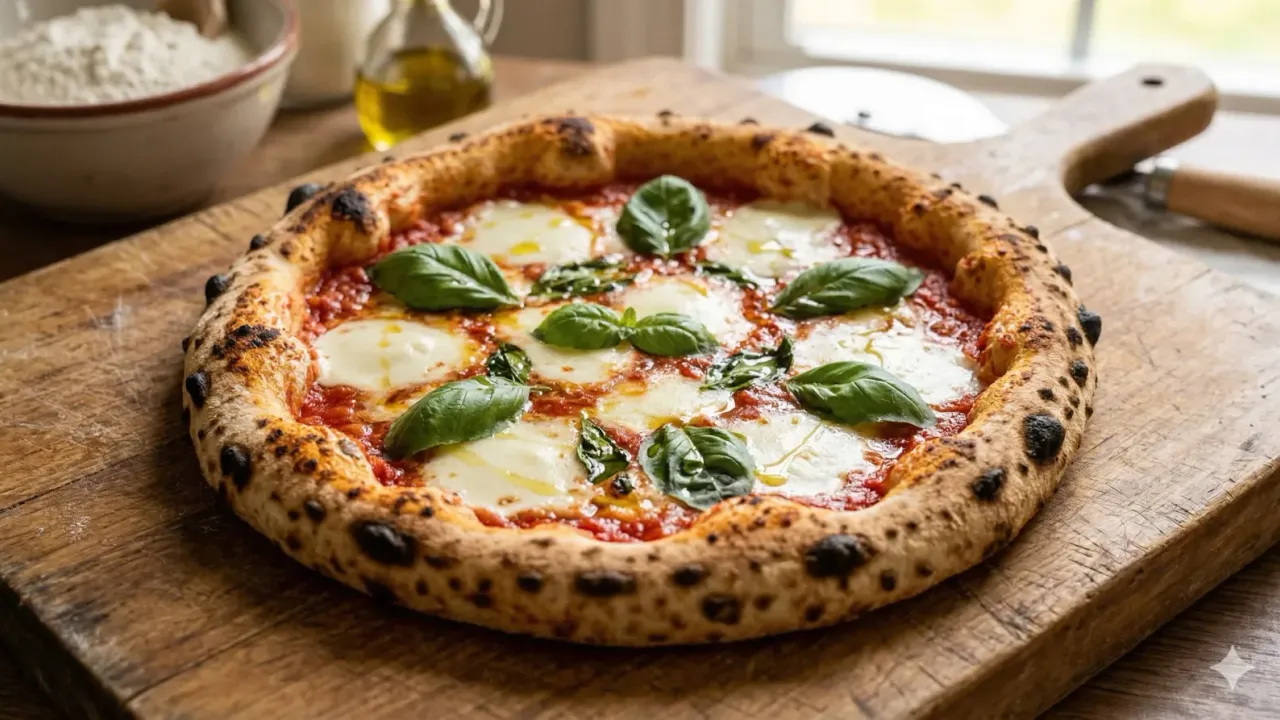
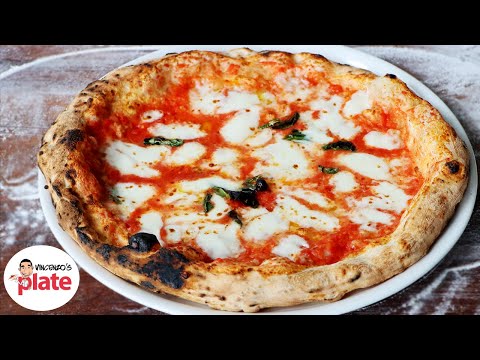
Pizza Margherita is the undisputed queen of Italian pizza — a masterpiece of simplicity where a blistered, chewy Neapolitan crust meets the bright acidity of San Marzano tomatoes, the creamy richness of fresh mozzarella, and the peppery perfume of just-torn basil leaves. Born in Naples and loved worldwide, this recipe shows you exactly how to recreate authentic pizzeria-quality Margherita at home, even without a wood-fired oven.
Prep Time: 30 minutes (plus 2 hours rising) | Cook Time: 10-12 minutes per pizza | Servings: 4 pizzas
Difficulty: Medium | Calories: ~820 per pizza (4 slices)
What Makes Pizza Margherita Special?
Pizza Margherita is the purest expression of Neapolitan pizza — a dish where three humble ingredients combine into something far greater than the sum of their parts. Unlike loaded modern pizzas piled high with toppings, Margherita strips everything back to its essence. There is nowhere to hide. Every element must be perfect: the dough must be alive and airy, the tomatoes must sing with brightness, and the mozzarella must melt into pools of creamy richness.
The story behind this legendary pizza is as compelling as its flavor. According to the most popular account, in June 1889, pizzaiolo Raffaele Esposito of Pizzeria Brandi in Naples created a special pizza to honor Queen Margherita of Savoy during her visit to the city. He topped it with tomato (red), mozzarella (white), and basil (green) to represent the colors of the newly unified Italian flag. The queen loved it, and the pizza was named in her honor. While historians debate the precise details of this origin story, there is no debate about the result: Pizza Margherita became the gold standard against which all other pizzas are measured.
What truly sets an exceptional Margherita apart is the crust. Neapolitan dough, made with just flour, water, salt, and yeast, undergoes a slow fermentation that develops deep, complex flavor and an airy structure filled with irregular bubbles. When blasted in a scorching oven, the exterior chars and crisps while the interior stays soft and pillowy — a texture the Italians call cornicione, the raised, puffy border that is the hallmark of a properly made Neapolitan pizza.
Choosing the Right Flour
Flour is the backbone of your pizza dough, and the type you choose has a dramatic impact on texture, elasticity, and flavor. The fine grind and protein content of the flour determine whether your crust will be tender and airy or tough and bready.
- Tipo 00 Flour (best choice): The traditional Neapolitan flour, finely milled from soft Italian wheat. Its lower protein content (11-12.5%) produces a dough that stretches easily without snapping back and bakes into a delicate, slightly chewy crust with beautiful leopard-spot charring. Brands like Caputo Pizzeria are widely available online.
- Bread Flour: A solid substitute with higher protein content (12-14%), which creates a chewier, more structured crust. The texture will be slightly more substantial than Tipo 00, but the results are still excellent — especially if you cold-ferment the dough to compensate.
- All-Purpose Flour (substitute): Works in a pinch but produces a softer, less structured crust that may not hold up as well under wet toppings. If using all-purpose flour, reduce the water by about 10 milliliters to keep the dough manageable.
Ingredients for Pizza Margherita
For the Dough:
- 500 grams Tipo 00 flour (or bread flour)
- 325 milliliters warm water (about 30°C / 85°F)
- 10 grams fine sea salt
- 3 grams active dry yeast (or 1 gram instant yeast)
- 1 teaspoon sugar (to activate the yeast)
For the Sauce:
- 1 can (14 oz / 400g) whole San Marzano tomatoes (DOP certified if possible)
- 1 clove garlic, finely grated
- 1 teaspoon fine sea salt
- 1 teaspoon extra virgin olive oil
For the Topping:
- 300 grams fresh mozzarella (fior di latte or buffalo mozzarella)
- Fresh basil leaves (about 20 leaves)
- Extra virgin olive oil for finishing
- Semolina flour or cornmeal for dusting the peel
Pro tip: Slice or tear your fresh mozzarella and let it drain on paper towels for at least 15 minutes before topping the pizza. Excess moisture from the cheese is the number one cause of a soggy center. This simple step makes a massive difference in the final result.
Step-by-Step Instructions
Step 1: Make the Pizza Dough
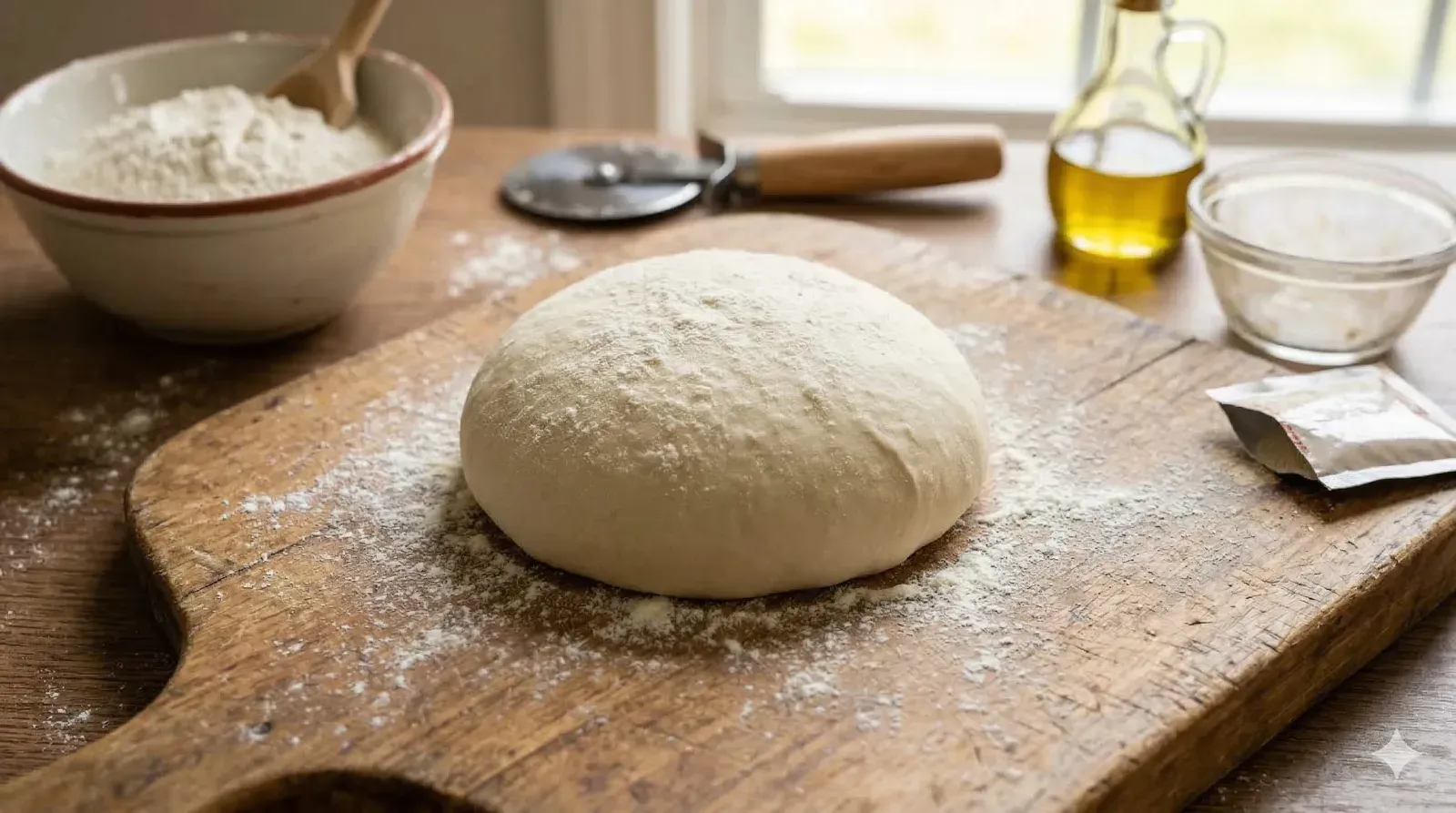
1In a small bowl, dissolve the yeast and sugar in the warm water. Let it sit for 5 minutes until the surface becomes foamy — this confirms that your yeast is alive and active. In a large mixing bowl, combine the Tipo 00 flour and salt. Make a well in the center and pour in the yeast mixture. Stir with a wooden spoon until a shaggy, rough dough forms. Turn it out onto a lightly floured surface and knead for 8 to 10 minutes. The dough is ready when it is smooth, elastic, and springs back when poked with a finger.
Step 2: Let the Dough Rise
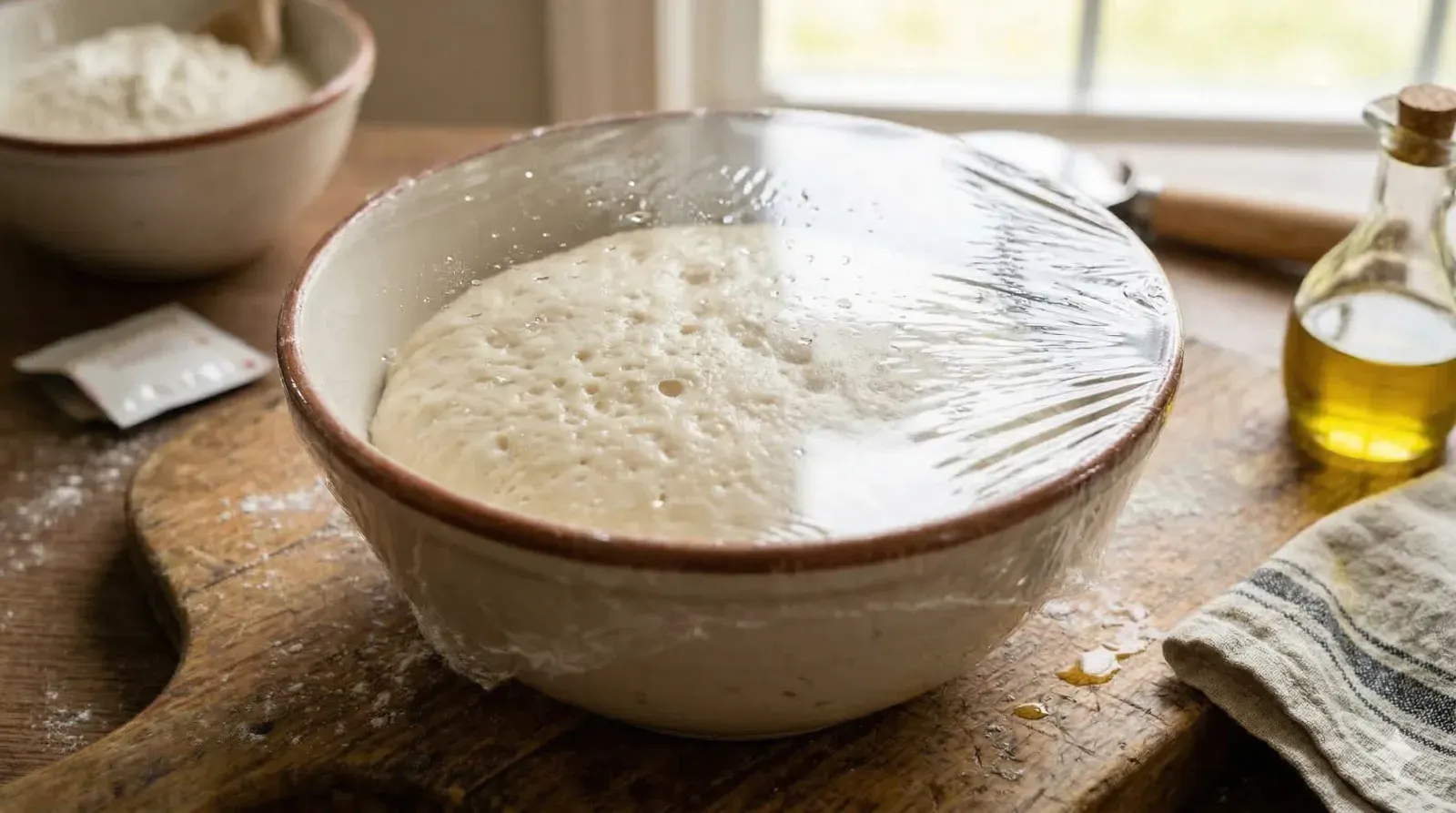
2Shape the dough into a smooth ball and place it in a lightly oiled bowl. Cover tightly with plastic wrap or a damp kitchen towel and let it rise at room temperature for at least 2 hours, or until the dough has doubled in size. For the best flavor and texture, transfer the covered bowl to the refrigerator and let it cold-ferment for 24 to 72 hours. Cold fermentation develops complex, slightly tangy flavors and creates a more digestible, airy crust with larger bubbles.
Step 3: Prepare the San Marzano Tomato Sauce
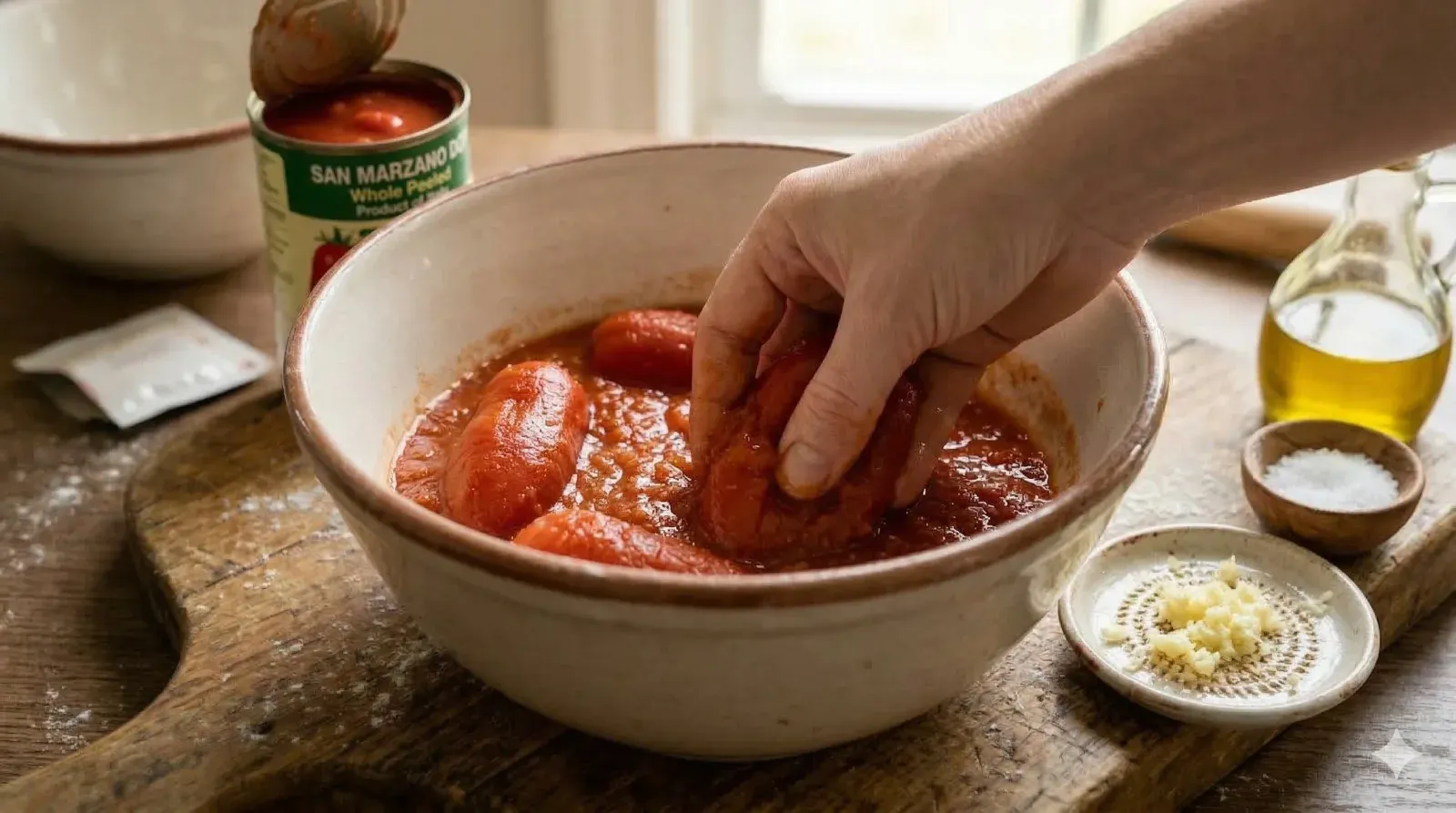
3Pour the can of whole San Marzano tomatoes into a bowl. Crush them by hand, squeezing each tomato between your fingers until you have a chunky, rustic sauce. Alternatively, pulse them 2 to 3 times in a blender for a slightly smoother texture — do not over-blend, as you want some texture. Stir in the finely grated garlic, salt, and olive oil. That is it. Do not cook the sauce. A raw sauce preserves the bright, fresh acidity that is the signature of an authentic Margherita.
Step 4: Divide and Shape the Dough Balls
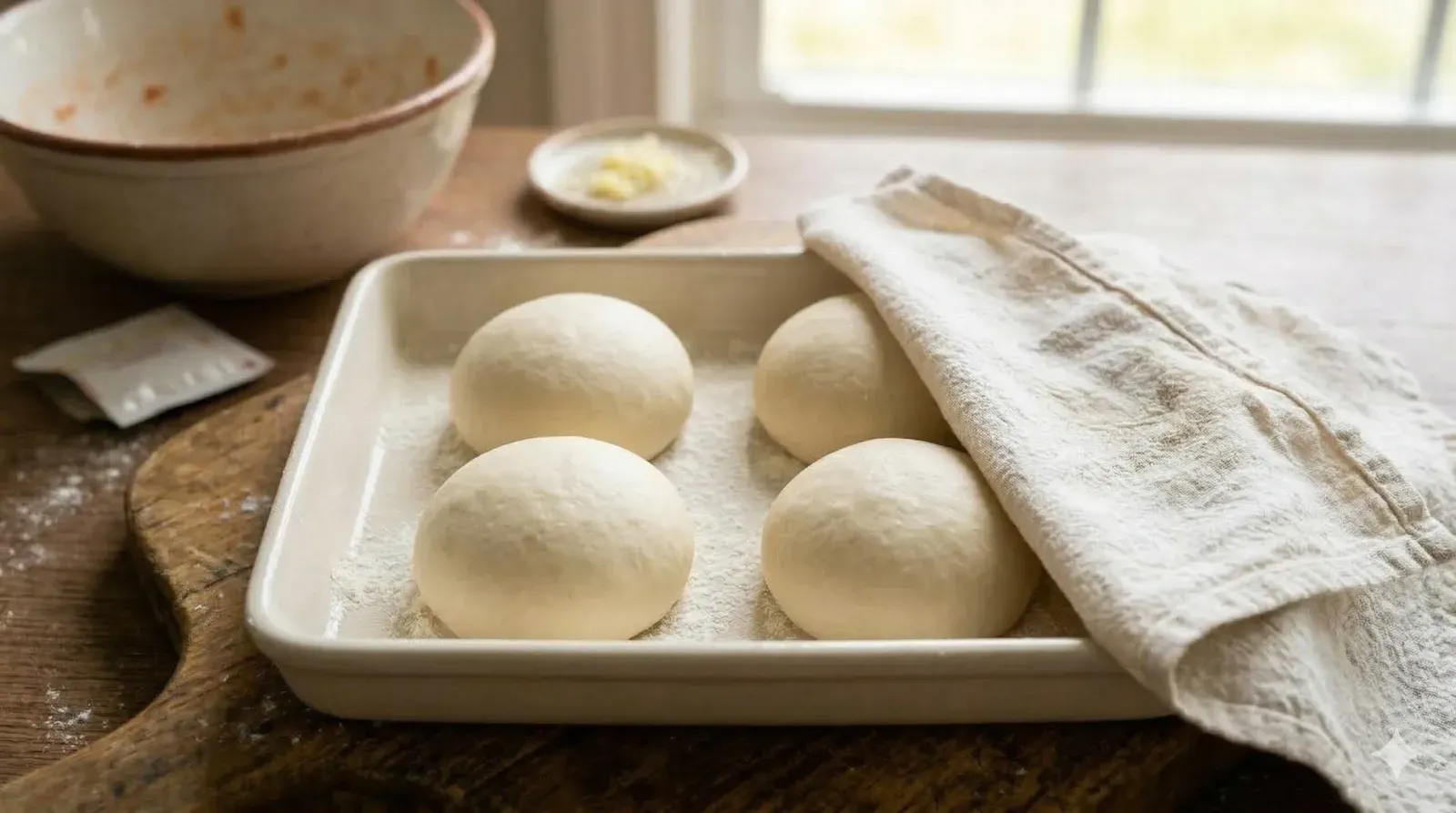
4Gently punch down the risen dough to deflate it. Turn it out onto a lightly floured surface and divide it into 4 equal portions of about 210 grams each. Shape each portion into a tight, smooth ball by tucking the edges underneath and rotating against the work surface. Place the dough balls on a floured tray, leaving space between them. Cover with a damp towel and let them rest for 30 minutes. This relaxation period allows the gluten to unwind, making the dough much easier to stretch without tearing.
Step 5: Preheat Your Oven
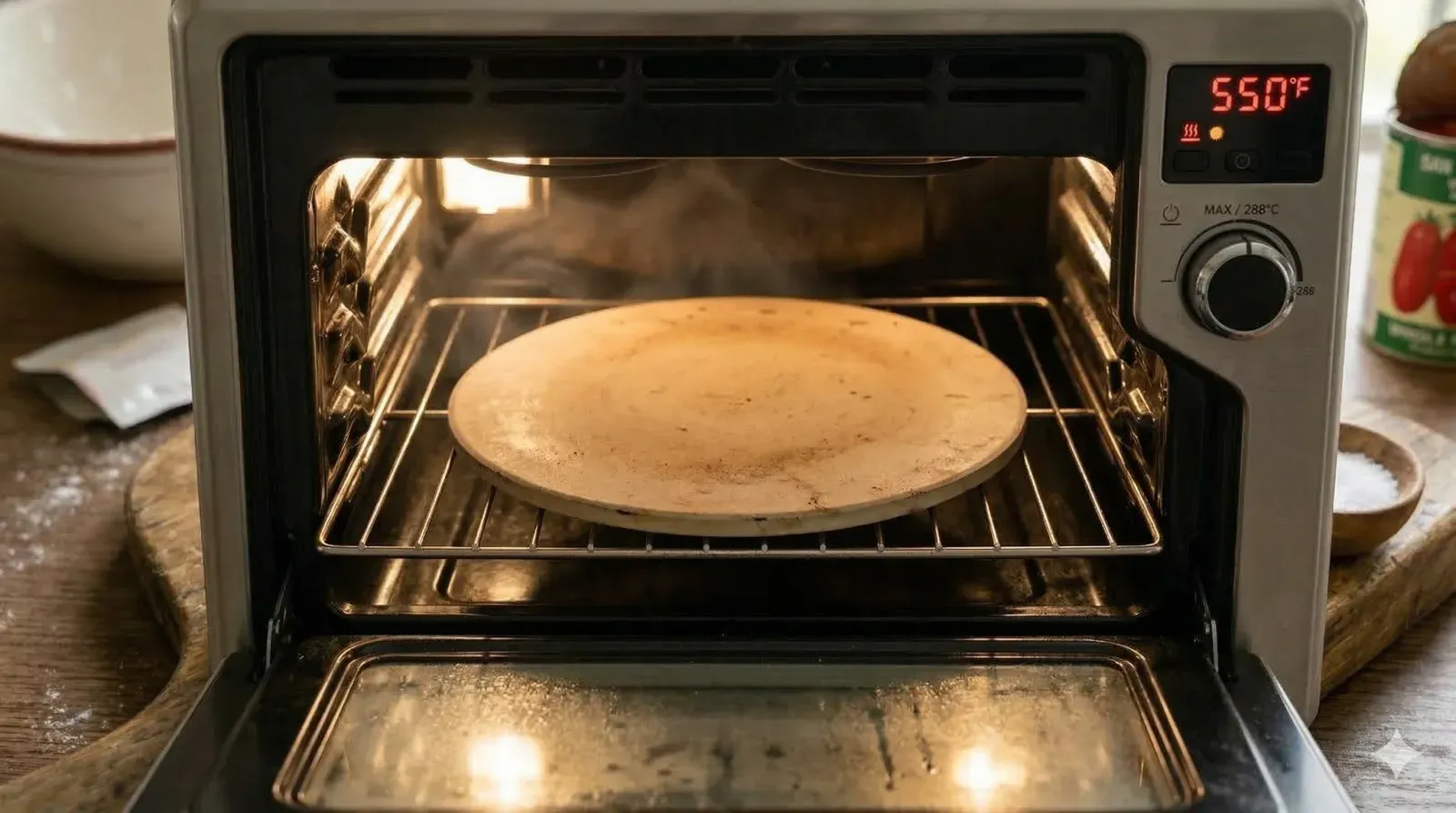
5Place a pizza stone (or an inverted heavy baking sheet) on the middle rack of your oven. Set the temperature to its absolute maximum — typically 250 to 300 degrees Celsius (480 to 570 degrees Fahrenheit) for a home oven. Let the oven preheat for at least 30 to 45 minutes. The stone needs to be thoroughly saturated with heat so that when the pizza hits the surface, the bottom crust begins crisping immediately. If your oven has a broiler setting, switch to it for the last 2 minutes of baking for extra charring on top.
Step 6: Stretch the Pizza Base
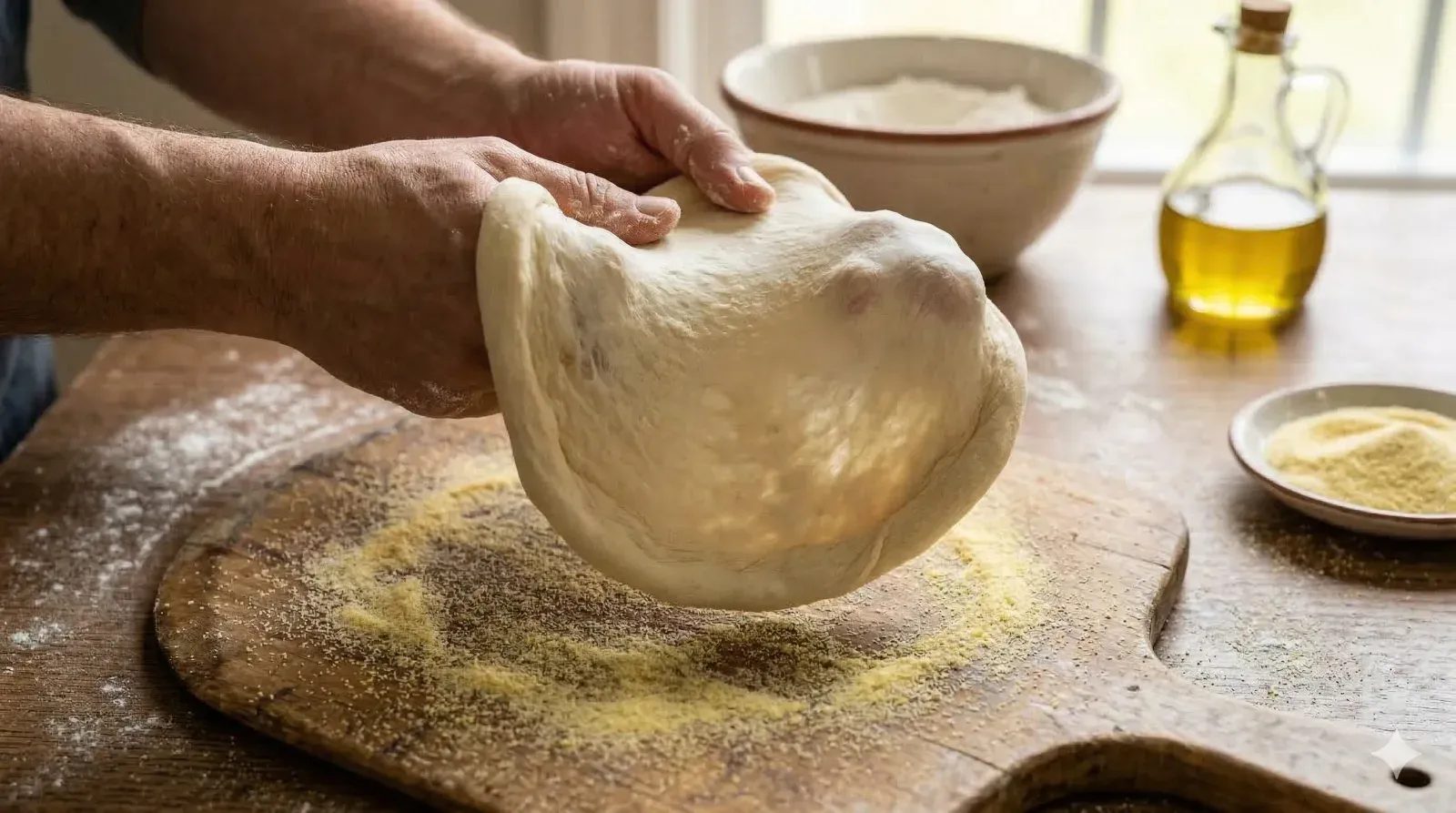
6Place a dough ball on a generously floured surface. Using your fingertips, press from the center outward, leaving a 1-centimeter border around the edge untouched — this becomes the puffy cornicione crust. Pick up the dough and gently drape it over your knuckles. Let gravity stretch the dough as you rotate it slowly, turning your fists outward. Work carefully and do not rush; the dough should stretch to about 25 to 30 centimeters (10 to 12 inches) in diameter. Transfer the stretched base to a pizza peel dusted generously with semolina flour.
Step 7: Top and Bake the Pizza
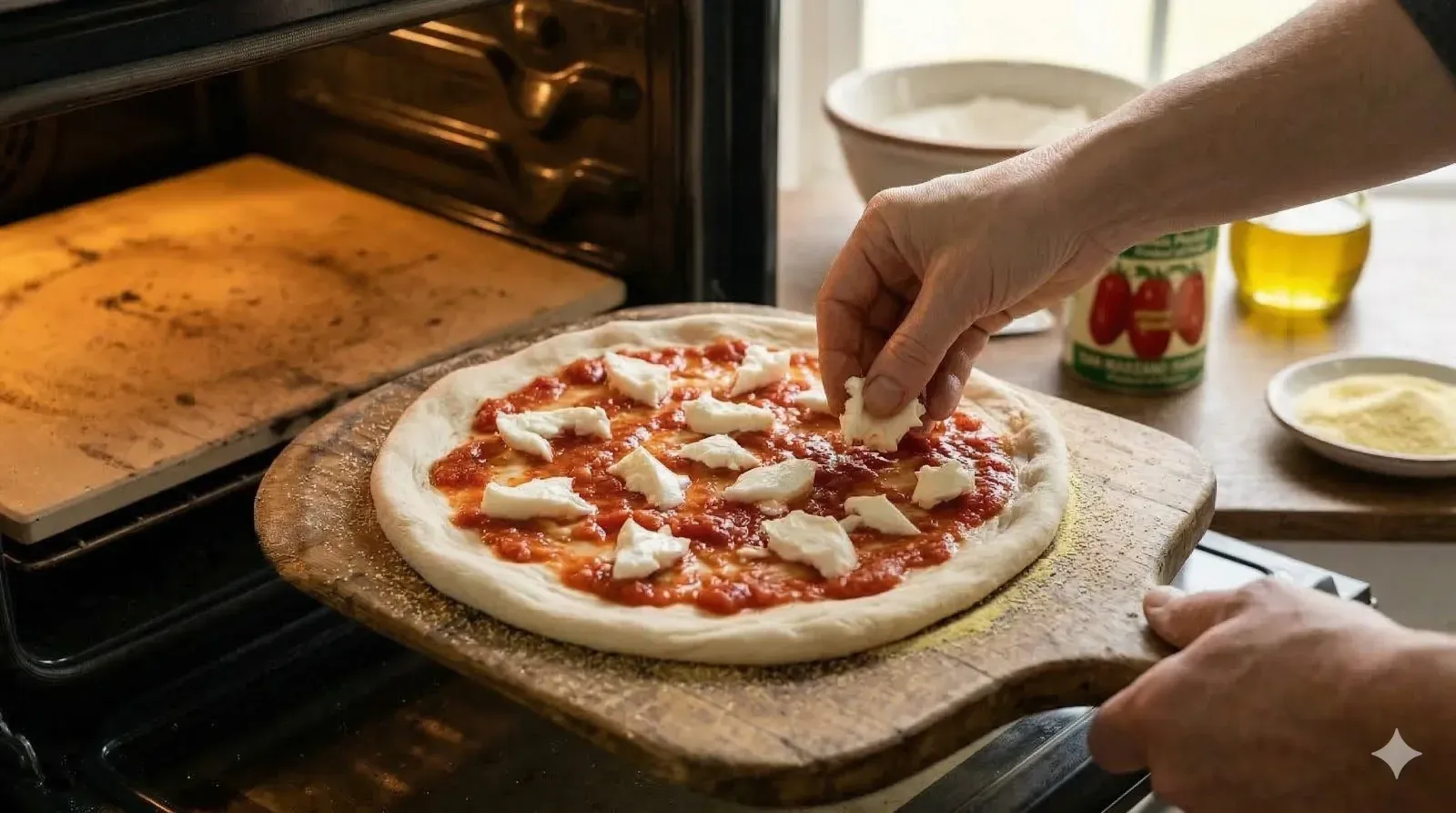
7Spoon 3 to 4 tablespoons of the raw San Marzano sauce onto the center of the stretched dough. Using the back of the spoon, spread it in a spiral motion outward, leaving the border clear. Tear the fresh mozzarella into irregular pieces and distribute them evenly across the surface — do not overload the pizza. Less is more. Give the peel a gentle shake to make sure the pizza is not sticking, then slide it onto the blazing hot stone. Bake for 8 to 12 minutes (less in a hotter oven) until the crust is puffed, blistered with dark leopard-spot chars, and the cheese is bubbling and just beginning to turn golden.
Step 8: Finish and Serve
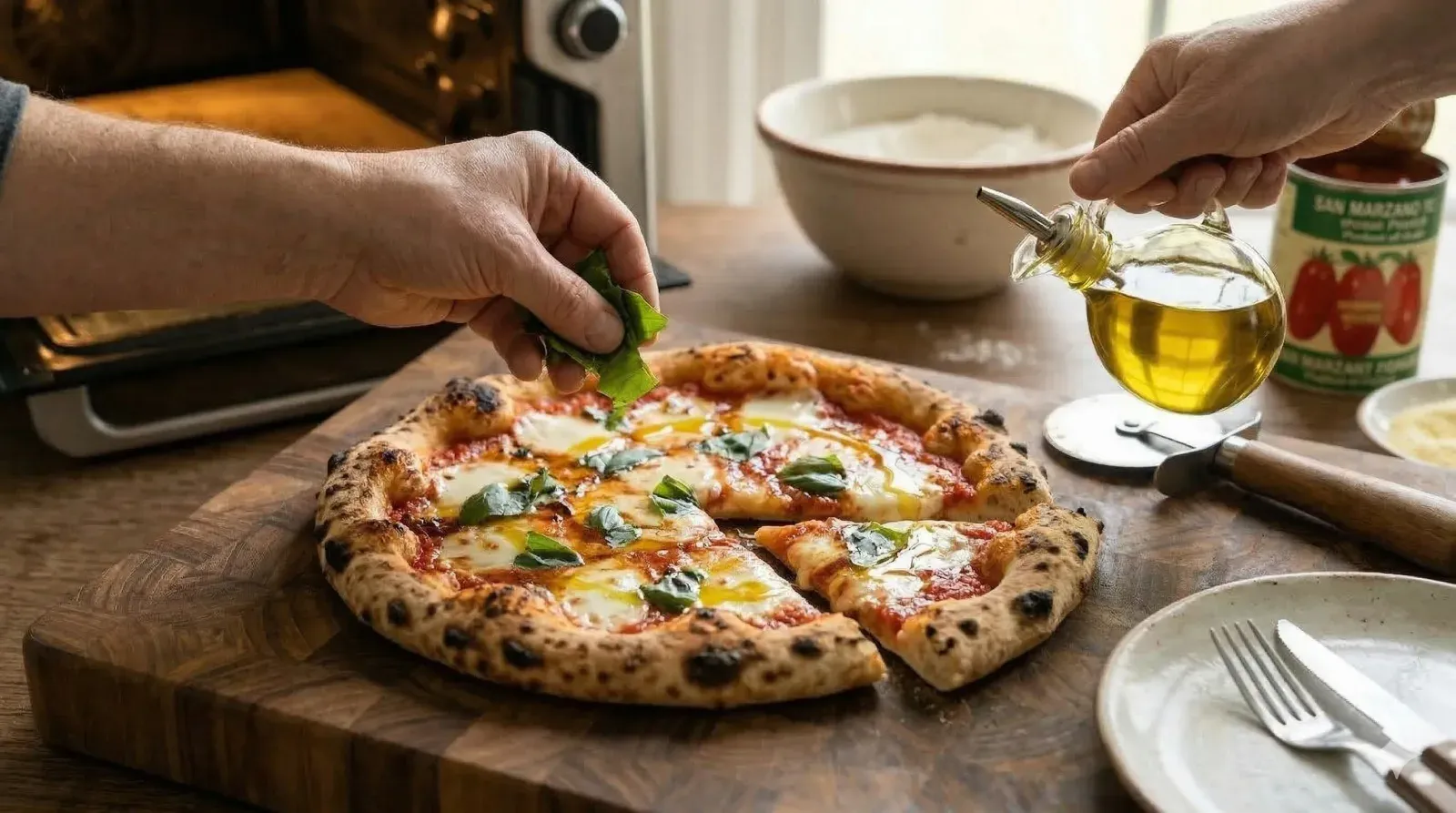
8Use the peel to slide the finished pizza out of the oven onto a cutting board. Immediately scatter fresh basil leaves over the top — the residual heat will gently wilt them and release their aromatic oils. Drizzle a generous swirl of your best extra virgin olive oil across the surface. Let the pizza rest for just 1 minute to allow the cheese to set slightly, then slice and serve immediately. Pizza Margherita is at its absolute best within the first 5 minutes out of the oven.
Expert Tips for Perfect Pizza Margherita
Cold Ferment Your Dough for Superior Flavor
A slow, cold fermentation in the refrigerator for 24 to 72 hours transforms ordinary pizza dough into something extraordinary. The extended fermentation allows enzymes to break down complex starches into simpler sugars, creating deeper caramelization during baking and a subtle tangy complexity. This is the single biggest upgrade you can make to homemade pizza, and it requires nothing more than patience.
Keep the Toppings Simple and Sparse
The biggest mistake home cooks make is overloading their Margherita with too much sauce and too much cheese. A true Neapolitan Margherita is deliberately minimalist. Use only 3 to 4 tablespoons of sauce and about 75 grams of mozzarella per pizza. Every ingredient should be visible, and there should be patches where the sauce peeks through between the cheese. Restraint is elegance.
Get Your Oven as Hot as Possible
Temperature is the key variable that separates home pizza from pizzeria pizza. A professional Neapolitan oven runs at 430 to 480 degrees Celsius, cooking a pizza in 60 to 90 seconds. At home, crank your oven to its maximum, use a pizza stone preheated for at least 30 minutes, and consider using the broiler for the last 1 to 2 minutes for extra char on the crust and cheese.
Pizza Margherita vs. Other Classic Pizzas
Understanding how Margherita fits into the family of classic Italian pizzas helps you appreciate its unique character and simplicity.
| Pizza Style | Key Toppings | Defining Characteristic |
|---|---|---|
| Margherita | Tomato, mozzarella, basil | The classic. Bright, balanced, and elegant in its simplicity. |
| Marinara | Tomato, garlic, oregano, olive oil | No cheese at all. The oldest Neapolitan pizza, pure and aromatic. |
| Napoletana | Tomato, anchovies, capers, olives | Salty, briny, and intensely savory. A bold flavor bomb. |
| Quattro Formaggi | Mozzarella, gorgonzola, parmesan, fontina | Rich and indulgent. No tomato sauce — pure cheese decadence. |
| Diavola | Tomato, mozzarella, spicy salami | The spicy cousin of Margherita. Heat meets classic simplicity. |
Serving Suggestions
In Naples, pizza is traditionally eaten with your hands, folded in half or into quarters — a method called a libretto (like a booklet). It is served on a plate, unsliced, and the diner tears or cuts it themselves. The soft, supple Neapolitan crust is meant to fold without cracking, and the juices from the sauce and cheese are absorbed by the dough rather than dripping onto the plate.
The Perfect Accompaniments:
- Arugula salad: A handful of peppery wild arugula dressed with lemon juice and shaved Parmigiano-Reggiano adds a fresh, bitter contrast to the rich, cheesy pizza.
- Antipasto platter: Olives, marinated artichoke hearts, and thin slices of prosciutto alongside the pizza turn a simple meal into an Italian feast.
- Garlic bread: Brush leftover dough with olive oil, garlic, and flaky salt, bake until golden, and serve as a warm side that uses up every bit of your homemade dough.
- Caprese salad: Sliced tomatoes, fresh mozzarella, and basil mirror the Margherita topping and create a cohesive Italian-themed meal.
Beverage Pairings:
- Italian red wine: A light, fruity Chianti or Barbera d’Asti — their acidity matches the tomato sauce perfectly without overpowering the delicate mozzarella.
- Italian lager: A cold Peroni or Moretti is the quintessential pizza companion — crisp, clean, and refreshing between bites.
- Sparkling water with lemon: The classic non-alcoholic Italian table drink that cleanses the palate and lets the flavors of the pizza shine.
- Limoncello (after dinner): A small glass of chilled limoncello is the traditional Neapolitan way to end a pizza meal — bright, sweet, and digestive.
Storage and Reheating
Refrigerator: Store leftover pizza slices wrapped tightly in foil or in an airtight container for up to 3 days. The crust will soften in the fridge, but reheating properly can restore much of its texture.
Freezer: Pizza Margherita freezes well for up to 1 month. Place individual slices on a baking sheet to flash-freeze, then transfer to a freezer bag. This prevents the slices from sticking together. Reheat directly from frozen.
Reheating: The best method is a hot skillet on the stovetop. Place the pizza slice in a dry, non-stick skillet over medium heat. Cover with a lid and cook for 3 to 4 minutes. The bottom becomes crispy again while the trapped steam melts the cheese. Avoid the microwave, which makes the crust chewy and rubbery. A quick blast under the broiler for 1 to 2 minutes also works well for restoring top crispness.
Common Mistakes to Avoid
1. Using Low-Moisture Mozzarella
Pre-shredded, low-moisture mozzarella (the kind sold in bags) will not produce an authentic Margherita. It melts into a uniform rubbery sheet instead of the soft, creamy pools that fresh mozzarella creates. Always use fresh mozzarella sold in water or whey. The difference is night and day.
2. Not Preheating the Oven Long Enough
Most people turn on the oven and slide the pizza in after just 10 minutes. This is not nearly enough time for the pizza stone to reach the temperature needed for proper crust development. Give the oven and the stone at least 30 to 45 minutes at maximum temperature. A properly heated stone is the difference between a crisp, charred bottom and a pale, doughy one.
3. Overloading the Pizza with Toppings
More cheese and more sauce does not mean more flavor — it means a soggy, heavy pizza that will not cook through in the center. A proper Margherita is lean and deliberate. If you can not see any sauce between the cheese pieces, you have used too much mozzarella. Pull back and let each ingredient breathe.
4. Rolling the Dough with a Rolling Pin
A rolling pin crushes the air bubbles that make Neapolitan crust light and airy. Always stretch the dough by hand using your fingertips and knuckles. The uneven thickness and trapped air pockets are what create that beautiful, blistered, pillowy crust that defines a real Pizza Margherita.
5. Adding Basil Before Baking
Fresh basil leaves will scorch and turn black in a hot oven. Always add the basil after the pizza comes out, so it wilts gently from the residual heat and retains its vibrant green color and fresh aroma. This is how every authentic Neapolitan pizzeria does it.
Frequently Asked Questions
What flour is best for Pizza Margherita?
Tipo 00 flour is the gold standard for Neapolitan pizza. It is finely milled from soft wheat, producing a dough that is easy to stretch and bakes into a tender, slightly chewy crust with beautiful charred spots. Bread flour is a good substitute if Tipo 00 is unavailable, though the crust will be slightly chewier and more structured.
Can I make Pizza Margherita without a pizza stone?
Absolutely. Flip a sturdy baking sheet upside down and preheat it in your oven at maximum temperature for at least 30 minutes. The inverted baking sheet acts as a flat, hot surface similar to a pizza stone. A cast iron skillet also works well for a pan-style Margherita with a deeply crispy bottom.
Why do you not cook the tomato sauce?
Traditional Neapolitan pizza uses a raw, uncooked tomato sauce that cooks directly on the pizza during baking. This preserves the bright, fresh acidity of the San Marzano tomatoes and creates a lighter, more vibrant result. Pre-cooking the sauce would give it a duller, more concentrated flavor that lacks the signature Margherita freshness.
What is the difference between fior di latte and buffalo mozzarella?
Fior di latte is made from cow’s milk and has a milder, cleaner flavor with a firmer texture that melts beautifully without releasing too much water. Buffalo mozzarella (mozzarella di bufala) is made from water buffalo milk and is richer, tangier, and creamier — but it releases significantly more moisture. Many pizzerias use fior di latte for everyday Margherita and reserve buffalo mozzarella for a premium version.
How hot should the oven be?
As hot as possible. A traditional Neapolitan wood-fired oven reaches 430 to 480 degrees Celsius (800 to 900 degrees Fahrenheit) and cooks a pizza in 60 to 90 seconds. In a home oven, crank it to its maximum setting and preheat with a pizza stone for at least 30 to 45 minutes. Use the broiler during the last 1 to 2 minutes for extra char on top.
Can I make the dough ahead of time?
Yes, and the pizza will taste even better for it. After the initial knead, transfer the dough to the refrigerator for a cold fermentation of 24 to 72 hours. This develops complex, slightly tangy flavors and creates a more digestible crust with larger air bubbles. Pull the dough out 1 to 2 hours before shaping to bring it back to room temperature.
Variations and Adaptations
Margherita DOC (Buffalo Mozzarella):
Upgrade to DOP-certified mozzarella di bufala campana for the most luxurious version. The buffalo mozzarella is richer and tangier, with a creamier melt. Add it to the pizza during the last 3 to 4 minutes of baking to prevent it from over-melting and releasing too much water. Finish with a drizzle of the finest extra virgin olive oil you own.
Margherita with Burrata:
Bake the pizza with just the tomato sauce and no cheese. The moment it comes out of the oven, place a whole ball of fresh burrata in the center. Slice it open so the creamy stracciatella filling spills across the hot pizza. Add basil and olive oil. The contrast between the hot, crispy crust and the cool, oozing burrata is extraordinary.
Gluten-Free Pizza Margherita:
Use a high-quality gluten-free flour blend designed for pizza. Look for blends containing rice flour, tapioca starch, and xanthan gum for the best structure. The crust will be crispier and more cracker-like than traditional Neapolitan, but the Margherita toppings will still shine. Reduce the water slightly and let the dough rest for 20 minutes before shaping.
Grilled Pizza Margherita:
Stretch the dough thinner than usual and grill it directly on a hot, oiled grate over high heat for 1 to 2 minutes per side. Add the toppings after flipping and close the grill lid to melt the cheese. Grilling adds a distinctive smoky flavor and produces beautiful char marks that are impossible to replicate in an indoor oven.
The Cultural Significance of Pizza Margherita
Pizza Margherita is not just a recipe — it is a symbol of Italian identity and national pride. The story of Raffaele Esposito creating this tricolor pizza for Queen Margherita in 1889 has become foundational to Italian culinary mythology. Whether historically precise or partly legend, the story captures a truth: this pizza embodies the Italian philosophy that great food begins with great ingredients, treated simply and with respect.
In 2017, the art of Neapolitan pizza-making (l’Arte del Pizzaiuolo Napoletano) was inscribed on UNESCO’s Representative List of the Intangible Cultural Heritage of Humanity. This recognition elevated pizza-making beyond mere cooking to a cultural practice, acknowledging the centuries of knowledge, skill, and community tradition that Neapolitan pizzaioli (pizza makers) pass down from master to apprentice.
Today, the Associazione Verace Pizza Napoletana (AVPN) certifies pizzerias worldwide that adhere to strict traditional standards — from the type of flour and tomatoes to the temperature of the oven and the diameter of the finished pizza. A certified Margherita must be no larger than 35 centimeters, cooked for 60 to 90 seconds, and feature a soft, foldable center with a raised, charred cornicione. It is a dish that has earned its place not just on menus, but in history.
Conclusion
Making authentic Pizza Margherita at home is one of the most rewarding things you can do in the kitchen. With just flour, water, salt, yeast, San Marzano tomatoes, fresh mozzarella, and basil, you can create a pizza that rivals the best Neapolitan pizzerias. The keys are a slow-fermented dough for complex flavor, a blazing hot oven for proper crust development, and the discipline to keep the toppings simple and sparse. Master those three things, and you will never look at delivery pizza the same way again.
Looking for more international recipes? Explore our collection of European dishes or discover Asian-inspired recipes with a homemade touch.