Mici, also known as mititei, are Romania’s most beloved grilled meat rolls. These juicy, skinless sausages combine ground beef and pork with garlic, paprika, cumin, and a secret weapon: baking soda. Moreover, the entire mici recipe comes together in just 40 minutes of active cooking. The result is a smoky, charred exterior that gives way to a tender, intensely flavored core. Whether you call them mici or mititei, these little rolls deliver enormous satisfaction at every bite.
Prep Time: 20 minutes (plus 2 hours resting) | Cook Time: 20 minutes | Total Time: 40 minutes active | Servings: 6
Difficulty: Easy | Calories: ~380 per serving
What Makes This Mici Recipe Special?
This mici recipe stands apart from every other grilled meat in the Balkans because of one ingredient: baking soda. This humble addition raises the pH of the meat mixture. Consequently, the proteins stay relaxed during grilling instead of clenching into tough, dry cylinders. The result is a roll that snaps on the outside yet remains almost creamy inside. No casing contains them. No filler bulks them out. Instead, the meat itself provides all the structure, flavor, and juiciness.
The origins of mici trace back to the late 19th century in Bucharest. Legend holds that a han (inn) keeper ran out of sausage casings one busy evening. Rather than turn customers away, he shaped the spiced meat into small rolls and grilled them directly over charcoal. The customers loved them. Furthermore, the casing-free format meant faster cooking, better char, and a more intense meat flavor. The word mititei translates to “the small ones” in Romanian. Over time, the affectionate shorthand mici became the universal name.
What truly makes this mici recipe special is the spice blend. Garlic dominates, supported by sweet and smoked paprika, ground cumin, dried thyme, and crushed caraway seeds. These aromatics create a deeply savory profile with warm, earthy undertones. Additionally, the beef broth or sparkling mineral water adds moisture that turns into steam during grilling. As a result, the interior stays juicy even as the exterior develops a dark, caramelized crust. This contrast between crisp char and soft center defines the authentic Romanian mici experience.

Choosing the Right Meat Blend
The meat selection determines the texture and richness of your mici recipe. Traditional recipes call for a combination of beef and pork. However, the exact ratio varies by region and family preference. Here are the best options for a perfect mici recipe at home.
- Beef and pork blend (best choice): A 75/25 ratio of beef to pork is the classic Romanian standard. The beef provides structure and a robust, savory base. Meanwhile, the pork adds fat and moisture that keep the rolls juicy on the grill. Use ground beef with at least 20 percent fat. Lean beef produces dry, crumbly mici that fall apart.
- All-beef version: Some purists in southern Romania use only beef. Choose 80/20 ground chuck for the right fat content. The flavor is more intense and beefy. However, the texture can be slightly drier without pork fat. Therefore, add an extra tablespoon of beef broth to compensate for the missing moisture.
- Beef and lamb blend: In Transylvania, some families add ground lamb to the mix. Lamb contributes a distinctive, slightly gamy richness. Use a ratio of 60 percent beef, 20 percent pork, and 20 percent lamb. Furthermore, lamb fat has a higher melting point. Consequently, the rolls hold together better during grilling.
Ingredients for Mici (Mititei)
The Meat Mixture:
- 1.5 pounds ground beef (80/20 fat ratio)
- 0.5 pound ground pork
- 4 cloves garlic, finely minced or pressed through a garlic press
- 1/4 cup beef broth or sparkling mineral water
The Spice Blend:
- 1 teaspoon baking soda
- 1 teaspoon sweet paprika
- 1/2 teaspoon smoked paprika
- 1 teaspoon ground black pepper
- 1/2 teaspoon ground cumin
- 1/2 teaspoon dried thyme
- 1/2 teaspoon ground caraway seeds
- 1 teaspoon salt
For Grilling and Serving:
- 1 tablespoon olive oil for the grill grates
- Yellow mustard for serving
- Fresh crusty bread
- Pickled hot peppers
- Raw white onion slices
Pro tip: Use sparkling mineral water instead of beef broth for an even lighter, airier texture. The carbonation introduces tiny gas bubbles into the meat mixture. These bubbles expand during grilling. As a result, the mici puff up slightly and become wonderfully tender. Many Romanian grandmothers insist on Borsec mineral water specifically. The high mineral content is said to enhance the flavor and texture of the meat.
Step-by-Step Instructions
Step 1: Mix the Meat and Spices
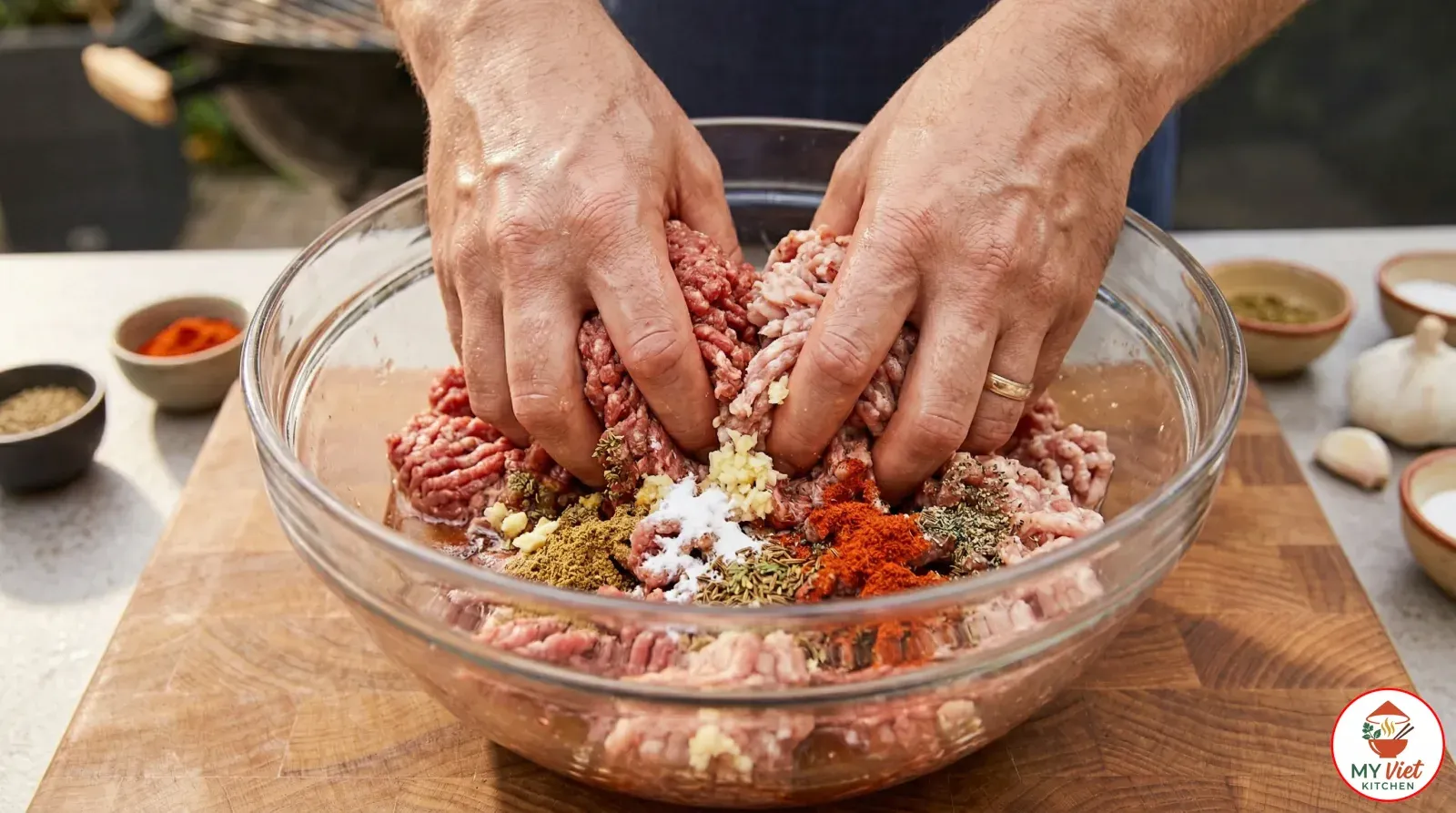
1 Place the ground beef and ground pork in a large mixing bowl. Add the minced garlic, baking soda, sweet paprika, smoked paprika, black pepper, cumin, thyme, caraway, and salt. Pour the beef broth or sparkling mineral water over everything. Now mix by hand for 3 to 5 minutes. Squeeze the mixture through your fingers repeatedly. Work it until the mass becomes sticky, cohesive, and slightly elastic.
Thorough mixing is essential for mici that hold together on the grill. The salt extracts myosin, a protein that acts as a natural binder. Furthermore, the mechanical action of kneading develops this protein network. Consequently, the rolls maintain their shape without casings or breadcrumb fillers. If the mixture feels loose or crumbly, you have not mixed it long enough. Keep working it. Additionally, the garlic should be distributed evenly throughout. Pockets of raw garlic burn on the grill and taste bitter.
Step 2: Rest the Meat Mixture
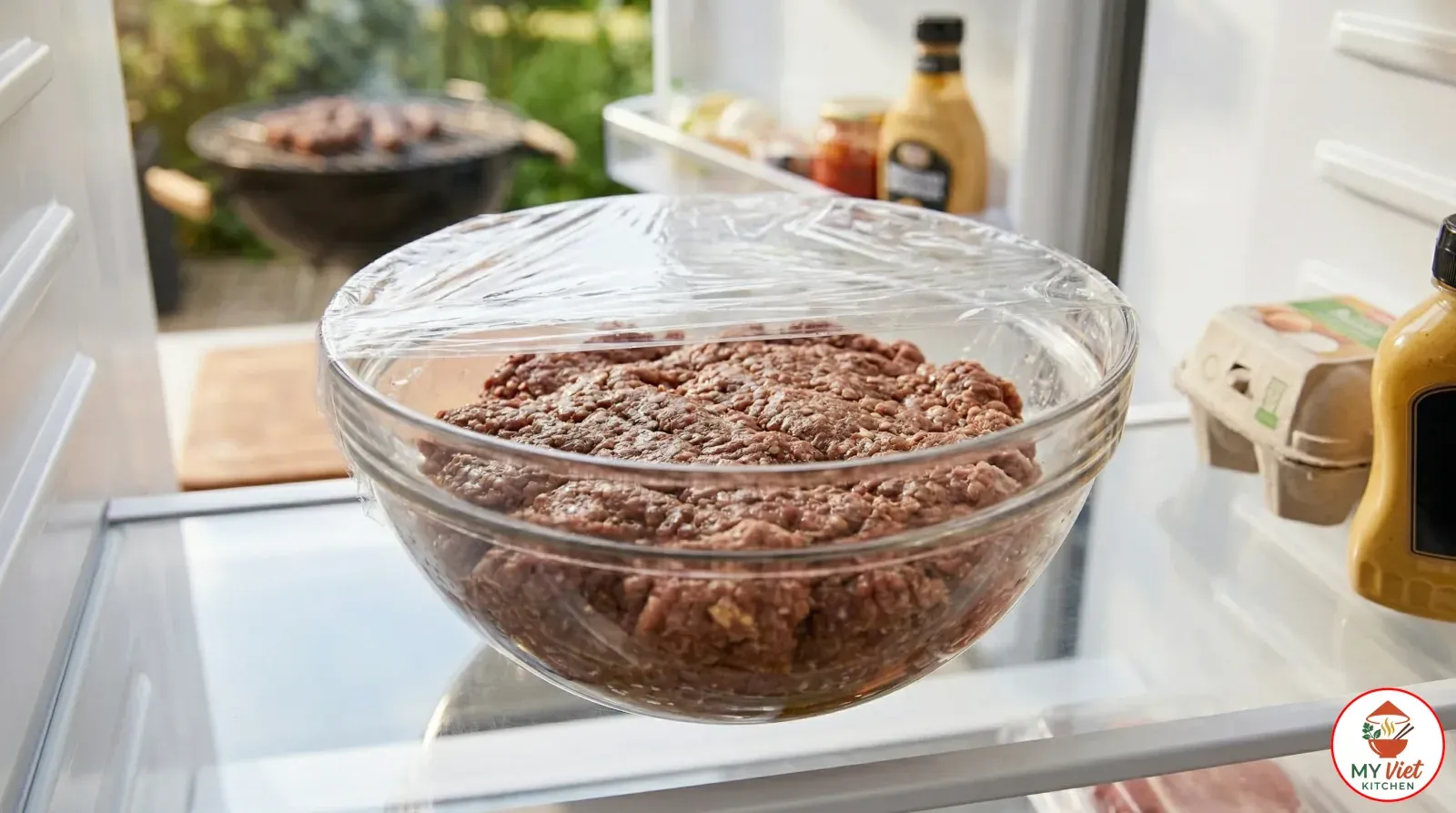
2 Cover the bowl tightly with plastic wrap. Press the wrap directly onto the surface of the meat to prevent oxidation. Place the bowl in the refrigerator for at least 2 hours. Overnight resting delivers the best results. The cold temperature firms the fat, making the mixture much easier to handle and shape into rolls.
During this resting period, several important things happen. The salt continues drawing out myosin, strengthening the protein bonds. Meanwhile, the baking soda works on the meat fibers, raising the pH and tenderizing from within. The spices bloom as their essential oils dissolve into the fat. In fact, rested mici taste noticeably more complex than those grilled immediately. Therefore, do not skip this step. The difference between good mici and extraordinary mici comes down to patience.
Step 3: Shape the Mici Rolls
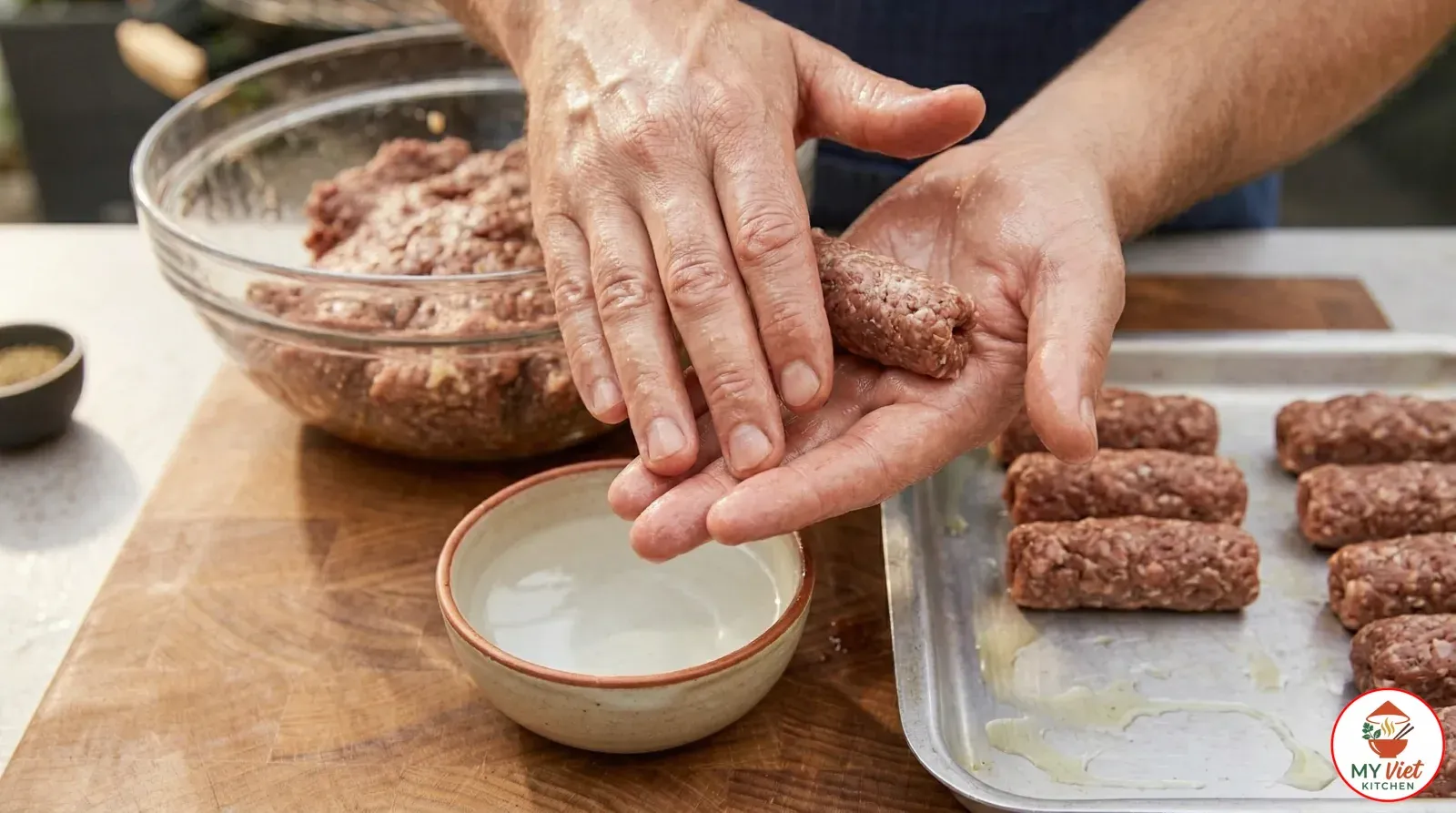
3 Remove the meat mixture from the refrigerator. Wet your hands thoroughly with cold water. This prevents sticking. Take about 2 tablespoons of the mixture. Roll it between your palms into a cylinder roughly 3 inches long and 1 inch thick. The shape should resemble a small, stubby finger. Place each finished roll on a lightly oiled tray or plate.
Consistency matters here. Uniform size ensures even cooking on the grill. Rolls that are too thin dry out fast. Rolls that are too thick remain raw in the center when the outside chars. Moreover, re-wet your hands between every two or three rolls. The cold water keeps the fat in the meat firm. Warm hands soften the fat. Consequently, the mixture becomes greasy and difficult to shape. You should get approximately 24 rolls from this batch. Arrange them in a single layer so they do not stick together.
Step 4: Preheat the Grill
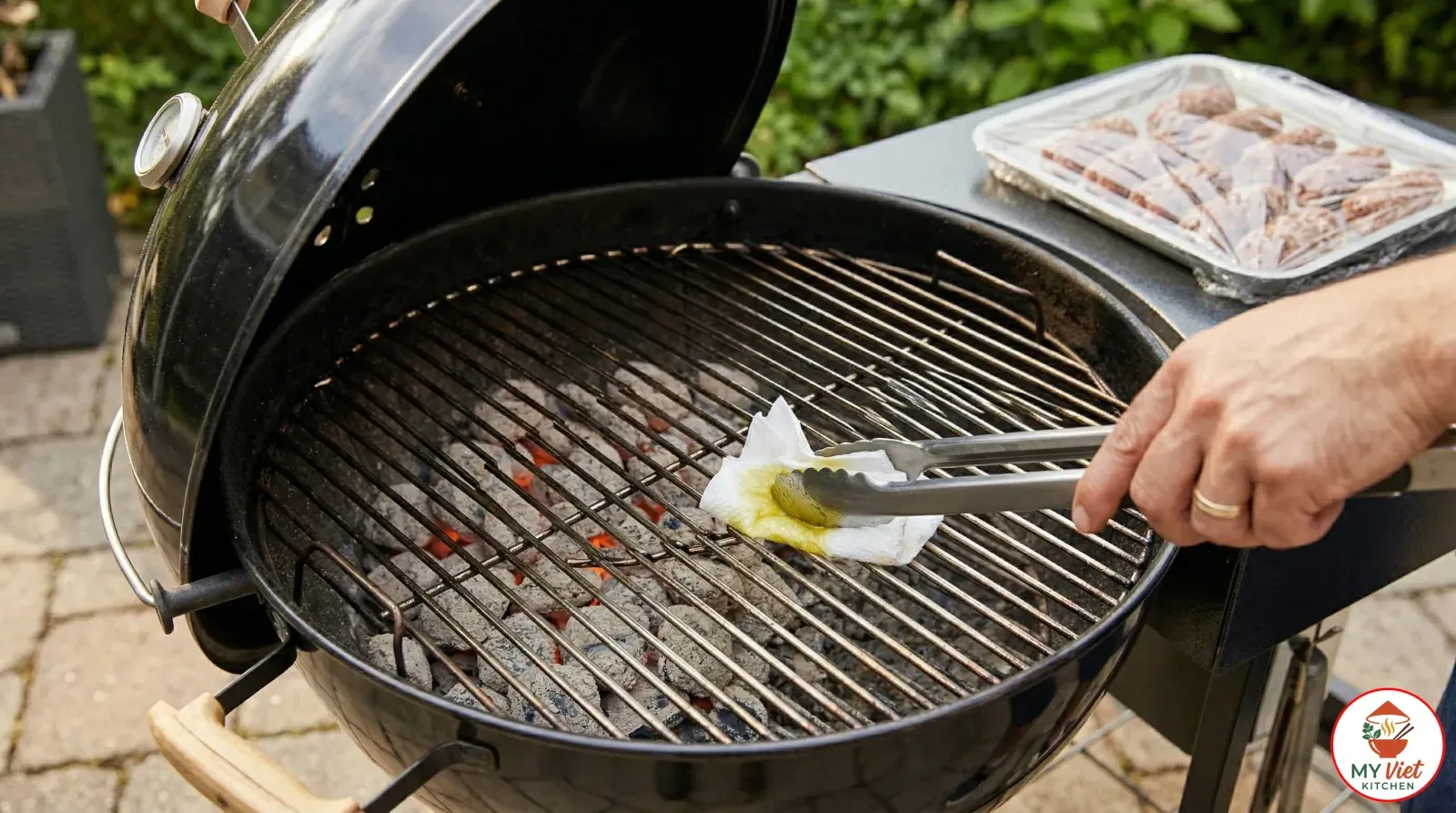
4 Light your charcoal grill and let the coals burn until they are covered with gray ash. This takes about 20 to 25 minutes. Spread the coals evenly for consistent heat. The grill temperature should reach 400 to 450 degrees Fahrenheit. For gas grills, preheat on high for 10 minutes, then reduce to medium-high. Clean the grates with a wire brush. Then oil them with a paper towel dipped in olive oil.
Charcoal delivers the most authentic flavor for mici. The smoke from the coals infuses the meat with a subtle, woody aroma. Additionally, the dripping fat creates flare-ups. These brief bursts of flame char the exterior quickly. As a result, the mici develop that signature blackened crust that Romanians crave. However, a gas grill works perfectly well for weeknight cooking. The key is high, direct heat. Furthermore, proper oiling prevents the skinless rolls from tearing apart when you flip them. A clean, hot, oiled grate is your best tool.
Step 5: Grill the Mici
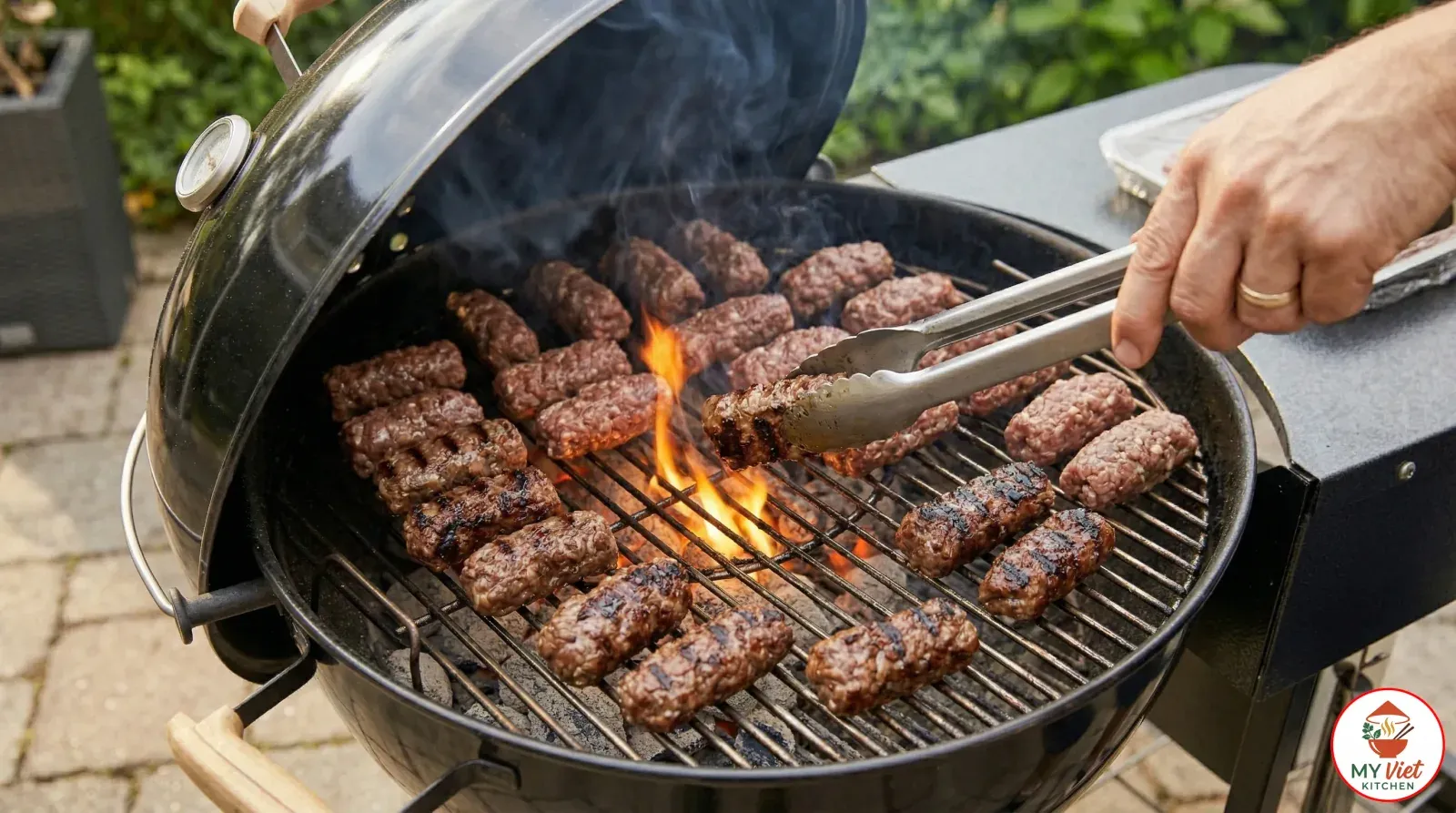
5 Place the mici rolls perpendicular to the grill grates. This position prevents them from falling through. Leave about 1 inch of space between each roll. Cook without moving for 3 to 4 minutes. The bottoms should develop dark grill marks before you flip. Use tongs and turn each roll gently. Grill for 3 to 4 more minutes on the second side.
Continue turning the mici every 3 minutes until all sides show char marks. The total grilling time runs 12 to 16 minutes depending on your heat level. The interior should reach 160 degrees Fahrenheit for food safety. However, the baking soda keeps the meat juicy even at this temperature. Do not press the mici with a spatula. Pressing squeezes out the juices. Consequently, the rolls become dry and lose their tender core. Instead, let the grill do the work. Moreover, close the grill lid between flips. The trapped heat cooks the mici evenly from all sides.
Step 6: Serve Immediately
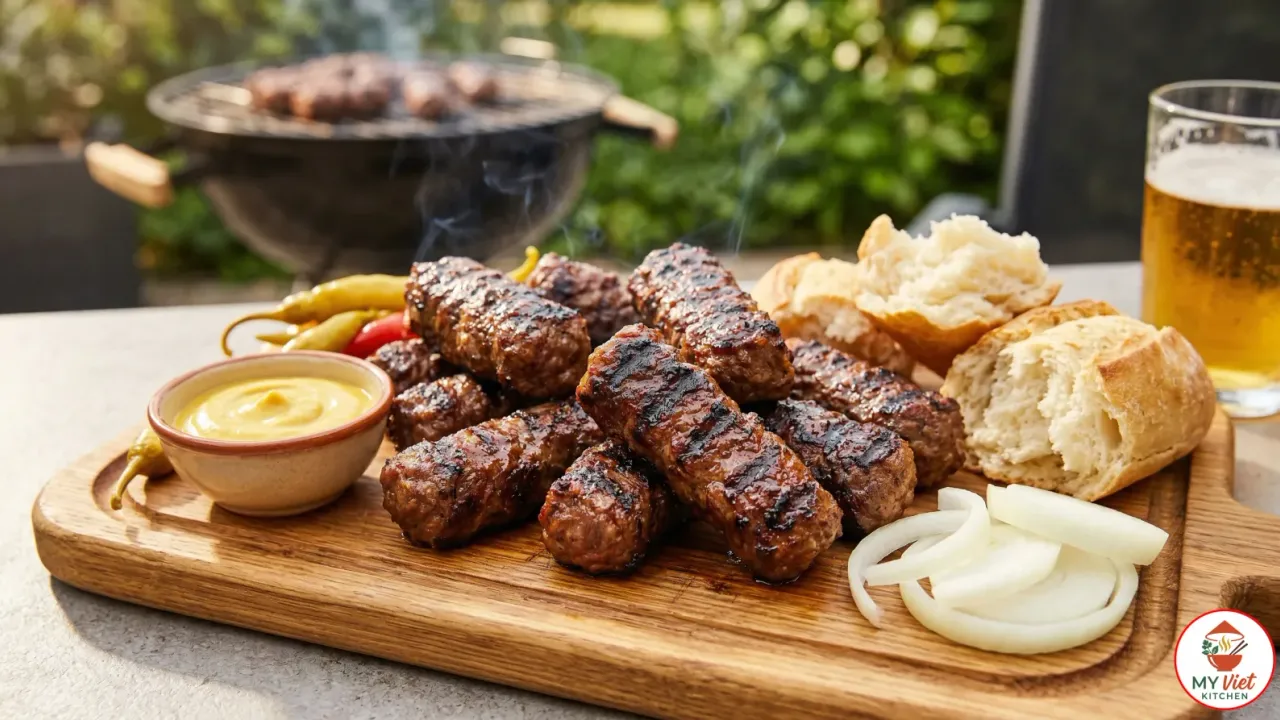
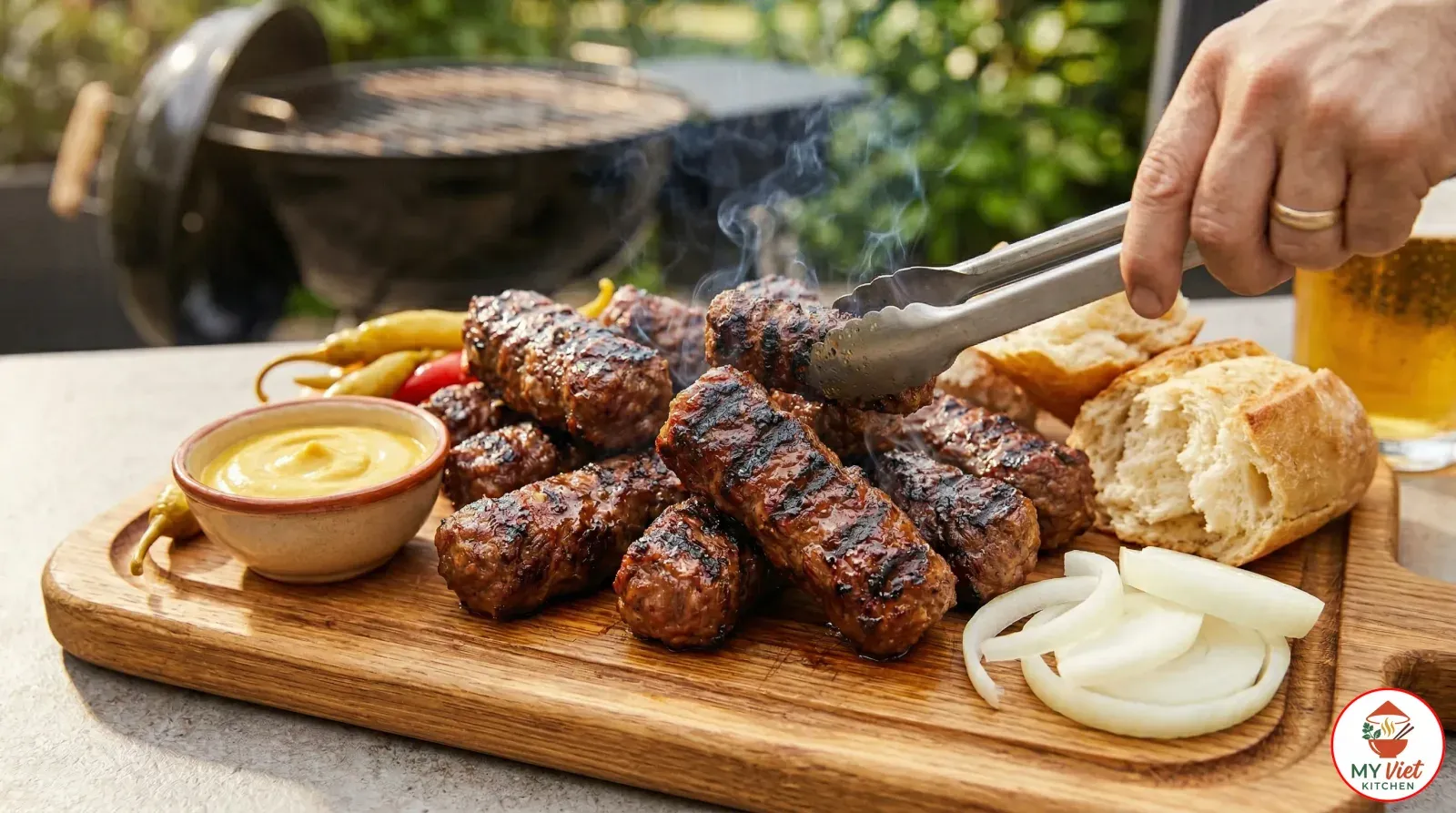
6 Transfer the grilled mici to a warm serving platter. Arrange them in a single layer so the exterior stays crisp. Serve immediately alongside generous amounts of yellow mustard, fresh crusty bread, and pickled hot peppers. Add slices of raw white onion for crunch. A cold beer completes the picture.
Mici taste best straight off the grill. The contrast between the crackling exterior and the soft interior fades as they cool. Therefore, call everyone to the table before you pull the last batch off the fire. In Romania, eating mici is a social event. Friends gather around the grill, eating the rolls as fast as they come off. Furthermore, the mustard is not optional. Its sharp tang cuts through the rich, fatty meat beautifully. Together with the bread and pickles, each bite delivers a complete flavor experience.
Expert Tips for Perfect Mici
Knead the Meat Thoroughly
The most critical step in any mici recipe is mixing the meat properly. You need at least 3 to 5 minutes of vigorous hand kneading. This develops the myosin protein network that binds the rolls together without casings. Undermixed meat falls apart on the grill. In contrast, well-kneaded meat holds its shape through every flip. The mixture should feel tacky and stick to your hands. If it crumbles easily, keep working it until the texture transforms.
Use High-Quality Garlic
Garlic is the soul of mici. Use fresh cloves and mince them finely or press them through a garlic press. Jarred minced garlic lacks the punch of fresh. Moreover, the oils in pre-minced garlic oxidize quickly, producing a flat, metallic taste. Fresh garlic delivers a sharp, pungent bite that mellows into a sweet, roasted aroma on the grill. Furthermore, some Romanian cooks steep crushed garlic in the beef broth overnight before adding it to the meat. This technique extracts maximum flavor.
Control the Grill Temperature
Mici need medium-high heat, not a roaring inferno. Too much heat chars the outside before the interior cooks through. The ideal temperature sits between 400 and 450 degrees Fahrenheit. At this range, the exterior caramelizes steadily while the inside reaches a safe temperature. Additionally, manage flare-ups by moving the mici to a cooler zone briefly. The fat drips cause flames that can burn the surface. Therefore, keep a cooler area of the grill available as a safety zone.
Mici vs. Cevapcici: A Balkan Comparison
Mici and cevapcici share a family resemblance. Both are skinless grilled meat rolls from the Balkans. However, significant differences set them apart. Understanding these distinctions helps you appreciate what makes this mici recipe unique in the region.
| Feature | Romanian Mici | Serbian/Bosnian Cevapcici |
|---|---|---|
| Baking Soda | Yes, always included | Never used |
| Texture | Softer, juicier, airier | Denser, firmer, chewier |
| Primary Meat | Beef and pork blend | Beef, or beef and lamb |
| Key Spices | Garlic, paprika, cumin, thyme, caraway | Garlic, salt, pepper |
| Typical Size | 3 inches long, 1 inch thick | 2-3 inches long, thinner |
| Served With | Yellow mustard, bread | Kajmak cream, ajvar relish, lepinja bread |
| Resting Time | 2+ hours or overnight | 1-2 hours minimum |
Serving Suggestions
In Romania, mici are never served alone. They arrive at the table as part of a spread that balances the rich, fatty meat with sharp, tangy, and crunchy accompaniments. Moreover, the setting matters as much as the food. Mici belong outdoors, at a garden table, with friends and family. Here is how to build the perfect mici feast.
The Perfect Accompaniments:
- Yellow mustard: This is the essential condiment. Romanian mustard tends to be sharper and more vinegary than American yellow mustard. The acidity cuts through the fat. Consequently, each bite of mici feels lighter and more balanced. Furthermore, the mustard stimulates the appetite, encouraging you to eat more rolls.
- Fresh crusty bread: White bread with a crispy crust and soft interior serves as the perfect vehicle. Tear off a piece, wrap it around a mici roll, and add a smear of mustard. In fact, this bread-wrapped mici format is how most Romanians eat them at outdoor festivals and street stalls.
- Pickled hot peppers: The heat and vinegar from pickled peppers provide a bright counterpoint. Similarly, their crunchy texture contrasts the soft meat. Romanian ardei iuti (hot peppers) are the traditional choice. Banana peppers or pepperoncini work as substitutes.
- Raw white onion slices: Thick rings of raw onion add a sharp, sulfurous bite. The crunch refreshes the palate between rich bites of grilled meat. Additionally, the onion mellows as it sits alongside the warm mici, becoming sweeter over time.
- French fries: At Romanian terraces and beer gardens, mici almost always come with a side of crispy fries. The salty, starchy fries complement the spiced meat beautifully. Moreover, dipping fries in the mustard alongside the mici creates a perfect flavor trio.
Beverage Pairings:
- Cold Romanian beer: A well-chilled lager is the undisputed champion pairing. Brands like Ursus, Timisoreana, or Silva are traditional. The crisp, malty flavor cleanses the palate. Moreover, the carbonation cuts through the fat with every sip.
- Dry white wine: A chilled Romanian Feteasca Alba or a Sauvignon Blanc pairs surprisingly well. The wine’s acidity mirrors the mustard. Additionally, the light body does not compete with the bold meat flavors.
- Sparkling water: For a non-alcoholic option, sparkling mineral water is the classic Romanian choice. The bubbles refresh the mouth between bites. Furthermore, the minerals complement the spiced meat.
- Homemade lemonade: Sweet-tart lemonade balances the savory, smoky richness of the mici. The citrus notes brighten the entire meal. Similarly, it keeps the atmosphere festive and light during summer gatherings.
Storage and Reheating
Refrigerator: Store cooked mici in an airtight container for up to 3 days. The flavor actually improves slightly the next day as the spices continue to develop. However, the charred exterior softens during refrigeration. Therefore, reheating on a hot grill or pan restores some of that crispy crust.
Freezer: Freeze uncooked mici for the best results. Shape the rolls, arrange them on a parchment-lined baking sheet, and freeze until solid. Transfer to freezer bags and store for up to 3 months. Grill directly from frozen. Add 2 to 3 extra minutes per side. Alternatively, freeze cooked mici for up to 2 months. In fact, keeping a bag of frozen mici in the freezer guarantees a fast, satisfying meal at any time.
Reheating: The best method is a hot grill or grill pan. Reheat over medium-high heat for 2 to 3 minutes per side until warmed through and the exterior crisps again. The oven works for larger batches. Place mici on a wire rack over a baking sheet at 375 degrees Fahrenheit for 10 minutes. Meanwhile, the microwave is a last resort. It softens the exterior and makes the texture rubbery. If you must use one, heat at 50 percent power for 1 minute intervals.
Common Mistakes to Avoid
1. Skipping the Resting Period
Mixing and grilling the mici immediately produces inferior results. The meat does not bind properly. Furthermore, the spices do not have time to bloom and develop their full flavor. The cold resting period firms the fat and strengthens the protein bonds. Consequently, the rolls hold together better on the grill. Always rest the mixture for at least 2 hours. Overnight resting is even better. This patience rewards you with mici that taste dramatically more flavorful and hold their shape perfectly.
2. Using Lean Ground Meat
Fat is not the enemy in mici. Lean ground beef with 5 percent fat produces dry, crumbly rolls that taste like cardboard. The minimum fat content should be 20 percent. The pork component adds additional fat and moisture. In fact, the fat melts during grilling, basting the meat from the inside. Therefore, always choose 80/20 ground beef. The rendered fat also creates the drippings that cause flare-ups. These brief flame kisses contribute the signature smoky char that Romanians love.
3. Not Oiling the Grill Grates
Mici have no casing to protect them. They sit directly on the grill grates. Consequently, they stick and tear easily on a dry surface. Oil the grates thoroughly before placing any rolls. Use a folded paper towel dipped in vegetable oil. Hold it with long tongs and wipe the hot grates. Do this immediately before grilling. Moreover, do not move the mici until the bottom has properly seared. A well-seared surface releases naturally from the grate. Forcing a turn too early rips the roll apart.
4. Pressing the Rolls with a Spatula
Never press down on the mici while they grill. Pressing forces the juices out. Those juices carry fat, flavor, and moisture. As a result, pressed mici become flat, dry, and tough. Instead, let the rolls cook undisturbed. Turn them gently with tongs. The baking soda inside does its job only if the moisture stays trapped in the meat. Furthermore, pressing causes excessive dripping that leads to uncontrolled flare-ups. These char the exterior unevenly.
Frequently Asked Questions
What are mici (mititei)?
Mici, also called mititei, are traditional Romanian skinless grilled meat rolls. They consist of a spiced blend of ground beef and pork. The name means “the small ones” in Romanian. Garlic, paprika, cumin, thyme, and caraway provide the seasoning. Baking soda makes them uniquely tender and juicy compared to other Balkan grilled meats. Romanians grill them over charcoal and serve them with mustard and fresh bread. Moreover, mici hold an almost sacred place in Romanian food culture.
What is the difference between mici and cevapcici?
Both are skinless Balkan grilled meat rolls. However, they differ in important ways. Romanian mici always include baking soda. This creates a softer, juicier, and airier texture. Serbian and Bosnian cevapcici never use baking soda. Consequently, they are denser and firmer. Additionally, mici feature a more complex spice blend with cumin, thyme, and caraway. Cevapcici keep the seasoning simpler with mainly garlic, salt, and pepper. Furthermore, the condiments differ. Mici pair with yellow mustard while cevapcici pair with kajmak cream cheese or ajvar pepper relish.
Can I make mici without a grill?
Yes, a cast iron grill pan on the stovetop works well. Heat it over medium-high heat and brush with oil. Cook the mici for 3 to 4 minutes per side. A broiler is another effective option. Place the rolls on a wire rack over a baking sheet. Broil 4 inches from the heating element for 12 to 15 minutes, turning once. However, neither method replicates the smoky flavor of real charcoal. Therefore, consider adding a pinch of smoked paprika if cooking indoors.
Why do you add baking soda to mici?
Baking soda serves two purposes in this mici recipe. First, it raises the pH of the meat. The higher alkalinity prevents proteins from contracting too tightly during grilling. Consequently, the rolls stay tender and juicy even when cooked through. Second, the alkaline environment promotes faster browning on the grill surface. The Maillard reaction accelerates at higher pH levels. As a result, the mici develop a rich, dark crust more quickly. This technique is unique to Romanian grilling tradition.
How long should I rest the mici mixture before grilling?
Rest the mixture in the refrigerator for a minimum of 2 hours. Overnight resting produces the best flavor and texture. During this time, the salt extracts myosin proteins that bind the meat together. The spices bloom and their flavors penetrate deeper into the mixture. Furthermore, the cold temperature firms the fat, making the rolls easier to shape. Many Romanian families prepare the mixture in the evening and grill the next day. Therefore, planning ahead gives you the best possible results.
Can I freeze uncooked mici?
Absolutely. Mici freeze exceptionally well before cooking. Shape the rolls and arrange them on a parchment-lined baking sheet. Freeze until solid. Then transfer them to freezer bags. They keep for up to 3 months. You can grill them directly from frozen. Simply add 2 to 3 extra minutes per side. In fact, many Romanian families prepare large batches specifically for the freezer. Moreover, frozen mici make entertaining effortless. Pull them out, fire up the grill, and dinner is ready in 20 minutes.
Variations and Adaptations
Spicy Mici:
For a fiery twist on this mici recipe, add 1 teaspoon of hot paprika and 1/2 teaspoon of red pepper flakes to the spice blend. The heat builds a slow burn that intensifies the garlic and cumin. Furthermore, a finely minced fresh chili pepper adds a fresher, brighter heat. This variation pairs particularly well with a cold beer. In contrast, the classic version lets the smoky, savory flavors take center stage. The spicy version pushes them further with a fiery finish.
Lamb and Beef Mici:
Replace the pork with ground lamb for a richer, more aromatic version. The lamb adds a slightly gamy quality that pairs beautifully with the cumin and thyme. This variation is popular in parts of Transylvania and among those who do not eat pork. Moreover, lamb fat has a distinctive flavor that enhances the charred crust. Use the same 75/25 ratio, substituting lamb for pork. Additionally, consider adding a pinch of ground coriander to complement the lamb.
Oven-Baked Mici:
For a year-round indoor mici recipe, bake them in the oven. Preheat to 425 degrees Fahrenheit. Place the shaped rolls on a wire rack over a baking sheet. Bake for 18 to 22 minutes, turning once at the halfway mark. The high heat produces a browned exterior. However, you lose the smoky char of the grill. Therefore, add extra smoked paprika to the spice blend when baking. Consequently, the smoky flavor comes from the spice rather than the fire. This method works well for large batches during cold weather.
Air Fryer Mici:
Preheat the air fryer to 400 degrees Fahrenheit. Arrange the mici in a single layer. Cook for 12 to 14 minutes, turning halfway through. The circulating hot air crisps the exterior effectively. Furthermore, the air fryer renders excess fat away from the meat. As a result, you get a lighter version with a satisfying crunch. This method is fast and produces minimal smoke. Similarly, cleanup is minimal compared to grilling. The trade-off is the lack of authentic charcoal flavor.
The Cultural Significance of Mici
Mici occupy a unique and deeply emotional place in Romanian culture. They transcend mere food. For Romanians, mici represent gathering, celebration, and national identity. Every summer weekend, the smell of charcoal smoke and grilling meat drifts through neighborhoods from Bucharest to Cluj-Napoca. Families set up grills in backyards and parks. Moreover, no Romanian football match, outdoor festival, or holiday celebration is complete without a platter of freshly grilled mici.
The dish connects modern Romanians to a rich culinary heritage that stretches back over a century. Street vendors in Bucharest’s Centrul Vechi (Old Town) sell mici late into the night. Market stalls at country fairs serve them by the dozen. Furthermore, every Romanian family claims their version is the best. Grandmothers guard their spice ratios like state secrets. This pride and possessiveness speak to how deeply mici are woven into the national fabric. The dish represents simple pleasures. Good meat, live fire, strong mustard, and the company of people you love.
In 2014, the European Commission recognized mici as a traditional Romanian product. This designation protects the recipe and acknowledges its cultural importance. Additionally, Romania produces and consumes an estimated 400 million mici per year. That staggering number for a country of 19 million people illustrates the obsession. Consequently, mici are not just a recipe. They are a cornerstone of Romanian identity, a symbol of hospitality, and a delicious link between past and present.
Conclusion
Making this authentic Romanian mici recipe at home is remarkably straightforward. The ingredient list is short. The technique is forgiving. Moreover, the results rival anything you would find at a Bucharest beer garden. The key lies in three fundamentals. Mix the meat thoroughly by hand. Rest the mixture for at least 2 hours. Grill over high, direct heat until beautifully charred. Furthermore, the baking soda does the heavy lifting, keeping the rolls tender and juicy from edge to edge.
Whether you serve them at a summer barbecue, a casual weeknight dinner, or a festive gathering, mici bring people together. They are meant to be shared, grabbed with bare hands, and eaten straight off the grill with mustard and bread. This easy mici recipe connects you to a beloved Romanian tradition that has sustained families and friendships for generations. For more European grilling recipes and classic dishes, explore our full collection at myvietkitchen.com/category/european-dishes/.