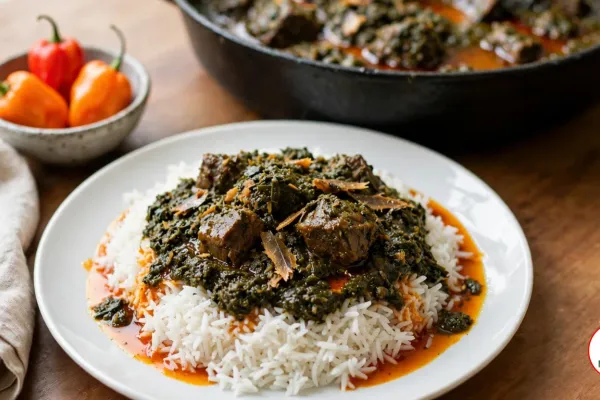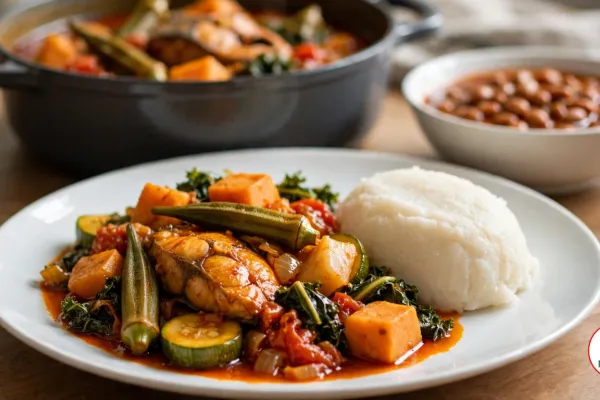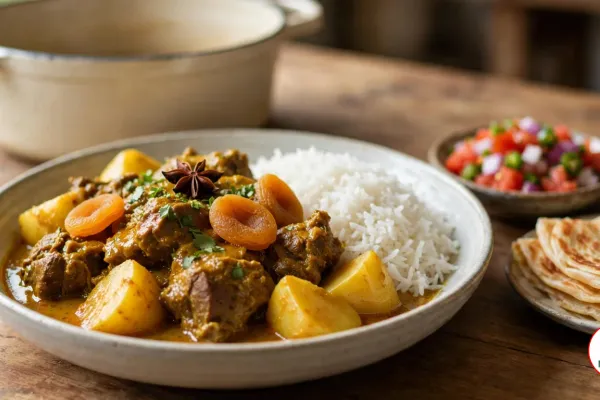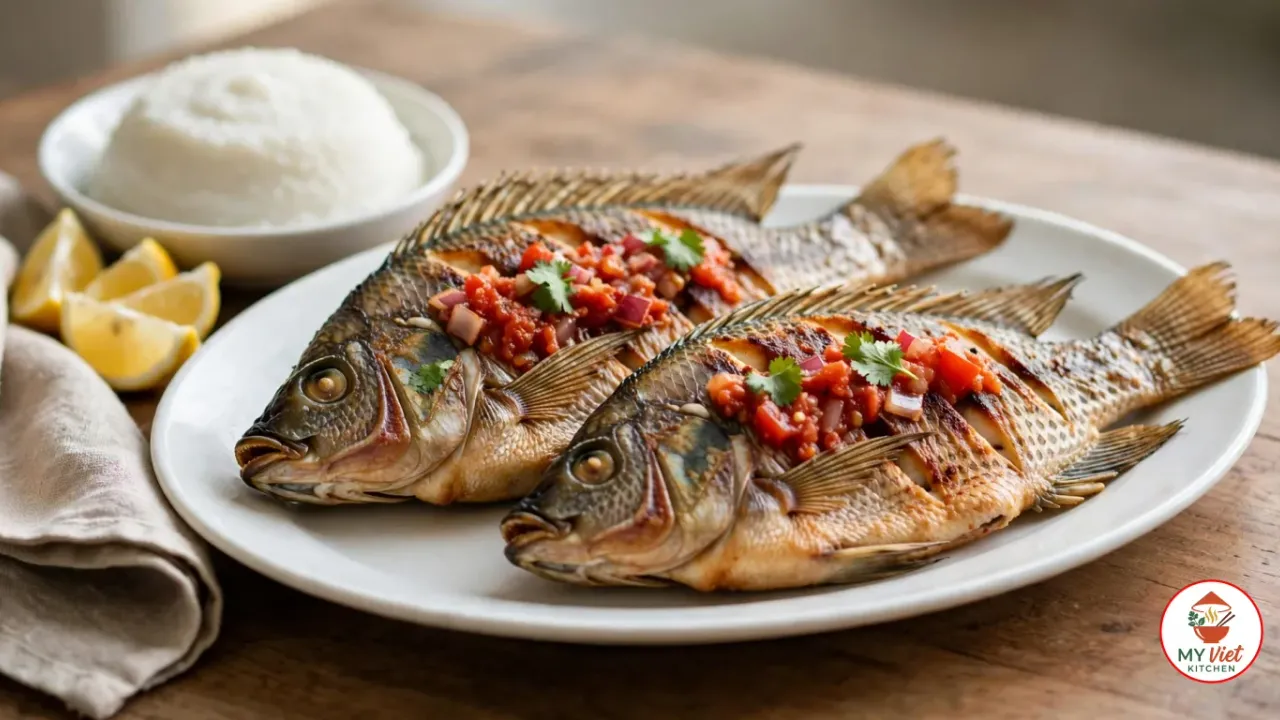
Chambo is the Malawian name for a few closely related tilapia species from Lake Malawi, and for the fish itself on the plate, fried, grilled or stewed and eaten with nsima, a stiff maize porridge. Here a whole fish is scored, rubbed with paprika and garlic, fried in a cast-iron skillet and topped with a relish of tomatoes and onions. Outside Malawi, a whole tilapia from the same genus is the practical stand-in.
Prep Time: 20 minutes | Cook Time: 45 minutes | Servings: 4
Difficulty: Easy | Calories: ~240 per serving, without nsima

What Fish Is Chambo?
Chambo isn’t one species. The name covers three tilapias of Lake Malawi, Lake Malombe and the Shire River: Oreochromis lidole, O. karongae and O. squamipinnis. Young fish of the three look almost identical, and the adults often come up in the same net. O. lidole feeds mostly on plankton, including diatoms and other algae (Wikipedia). FishBase records O. karongae at up to 42 cm (16.5 inches) long (FishBase).
Malawians prize it above other fish. A 2014 Anadolu Agency report called chambo the most popular fish in Malawi, and described how hard it had become to find and how much more it cost (Anadolu Agency).
Is Chambo Endangered?
Yes. A 2018 update of the IUCN Red List for Lake Malawi rated three chambo species critically endangered (JRS Biodiversity Foundation). FishBase lists O. karongae that way, assessed in May 2018, and puts its decline down to falling catches from overfishing (FishBase). O. lidole may already be extinct, since no one has identified one for certain since 1992 (Wikipedia).
The numbers are stark. In one part of the lake’s southern arm, a boat’s daily chambo catch fell from 70 kg (about 150 lb) to 4.5 kg (10 lb) between 2006 and 2016 (Wikipedia). Wholesale prices climbed from 2.5 kwacha a kilo in the early 1990s to more than 500 kwacha by 2014 (Anadolu Agency).
Lake Malawi is closed to small-scale fishing from 1 November to 31 December, a ban the Department of Fisheries runs. Off Mbenje Island, a traditional authority, Chief Makanjira, closes the water for four months a year so fish can spawn and grow (Africanews).
What Can You Use Instead of Chambo?
Unless you shop in Malawi, use whole tilapia. All three chambo belong to Oreochromis, the genus that also holds the widely farmed Nile tilapia, O. niloticus (Wikipedia). Frozen whole tilapia is fine once thawed in the fridge overnight.
Choose fish of 1 to 1 1/4 pounds (450 to 570 g), with clear eyes, red gills and flesh that springs back when pressed. A fish that size fits a 12-inch skillet from head to tail, and two of them feed four people alongside nsima. Ask the fishmonger to scale and gut them and leave the heads on. A small sea bream or red snapper of the same weight works just as well in the pan.
How Is Chambo Cooked in Malawi?
Fried, grilled and stewed versions are all easy to find. A Malawi Nation review of the Mbira restaurant at Sunbird Nkopola, a lakeshore hotel in Mangochi, describes chambo served open or whole, pan fried, stewed or charcoal grilled (The Nation).
The stew is the gentler version. Miriam Kaudzu, an executive chef at Sunbird Tourism, gave UN Tourism her “mama style” chambo stew. A 400 g fish, scaled and cut in half, boils with salt and a little water for 15 to 20 minutes. Then tomatoes and onions, diced and fried in a separate pan, join the fish for another 10 minutes, and the stew comes to the table with nsima (UN Tourism).
This recipe cooks the fish in a hot skillet instead and keeps the tomatoes and onions as a relish on top, so the skin stays crisp.
Ingredients for Chambo
For the Fish:
- 2 whole chambo or tilapia, 1 to 1 1/4 pounds (450 to 570 g) each, scaled and gutted
- 1 teaspoon salt
- 1/2 teaspoon ground black pepper
- 1 teaspoon garlic powder
- 1 teaspoon paprika
- 1 tablespoon lemon juice
- 1/3 cup (80 ml) cooking oil, for frying
For the Tomato Onion Relish:
- 1 tablespoon cooking oil
- 2 medium onions, thinly sliced
- 3 medium tomatoes, chopped
- 1 teaspoon curry powder
- 1 small fresh chili, minced
- 1/2 cup (120 ml) water
- Salt to taste
To Serve:
- Lemon wedges and fresh cilantro
- Nsima or plain white rice
Step-by-Step Instructions
Step 1: Prepare and Season the Chambo
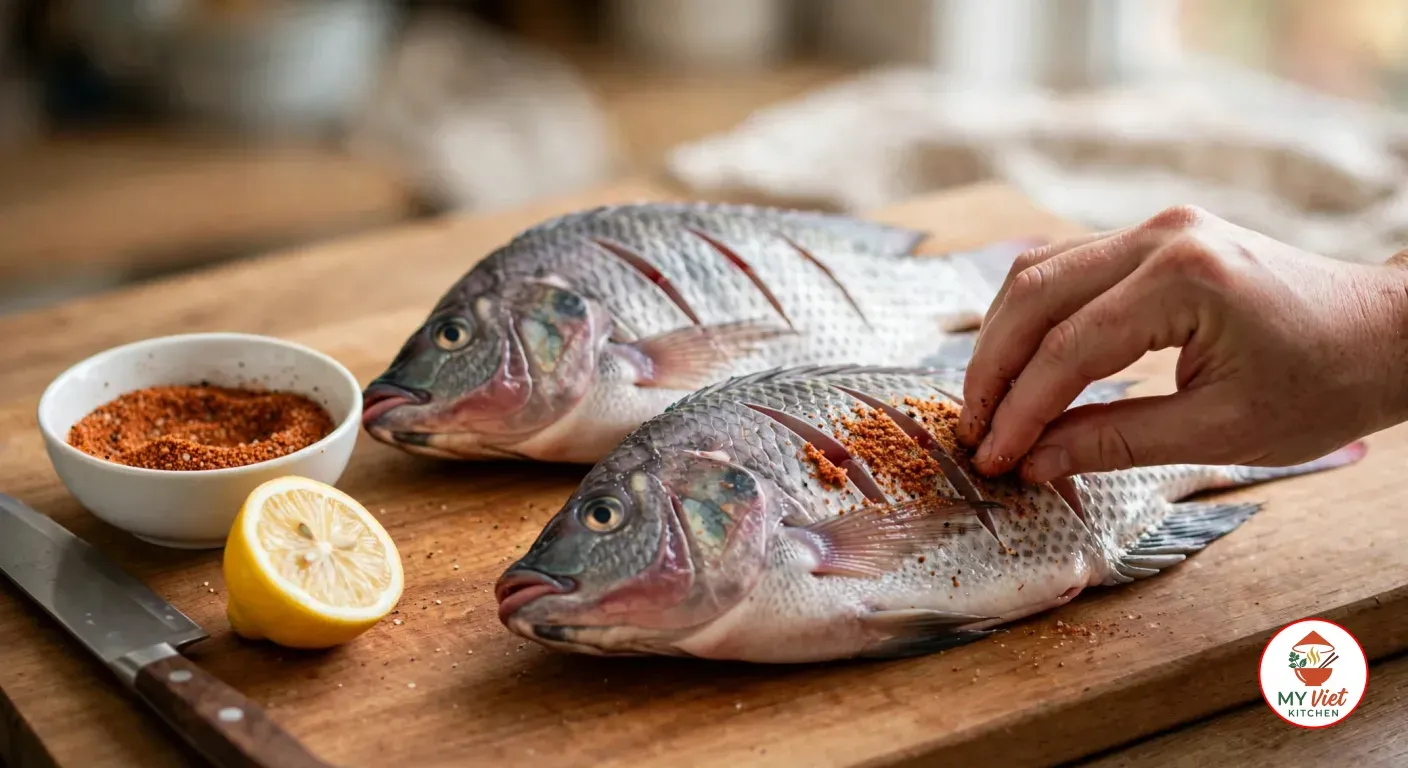
1If the fishmonger hasn’t done it, scrape off the scales from tail to head with the back of a knife, slit the belly and pull out the guts, then rinse the cavity under cold water. Pat the fish dry inside and out. With a sharp knife, cut three diagonal slashes about 1 inch (2.5 cm) apart on each side, deep enough to touch the bone. Mix the salt, pepper, garlic powder and paprika, rub it over both sides and push it into the cuts and the cavity. Sprinkle the lemon juice over the fish and leave them on the board for 15 minutes while you make the relish.
Step 2: Make the Tomato Onion Relish
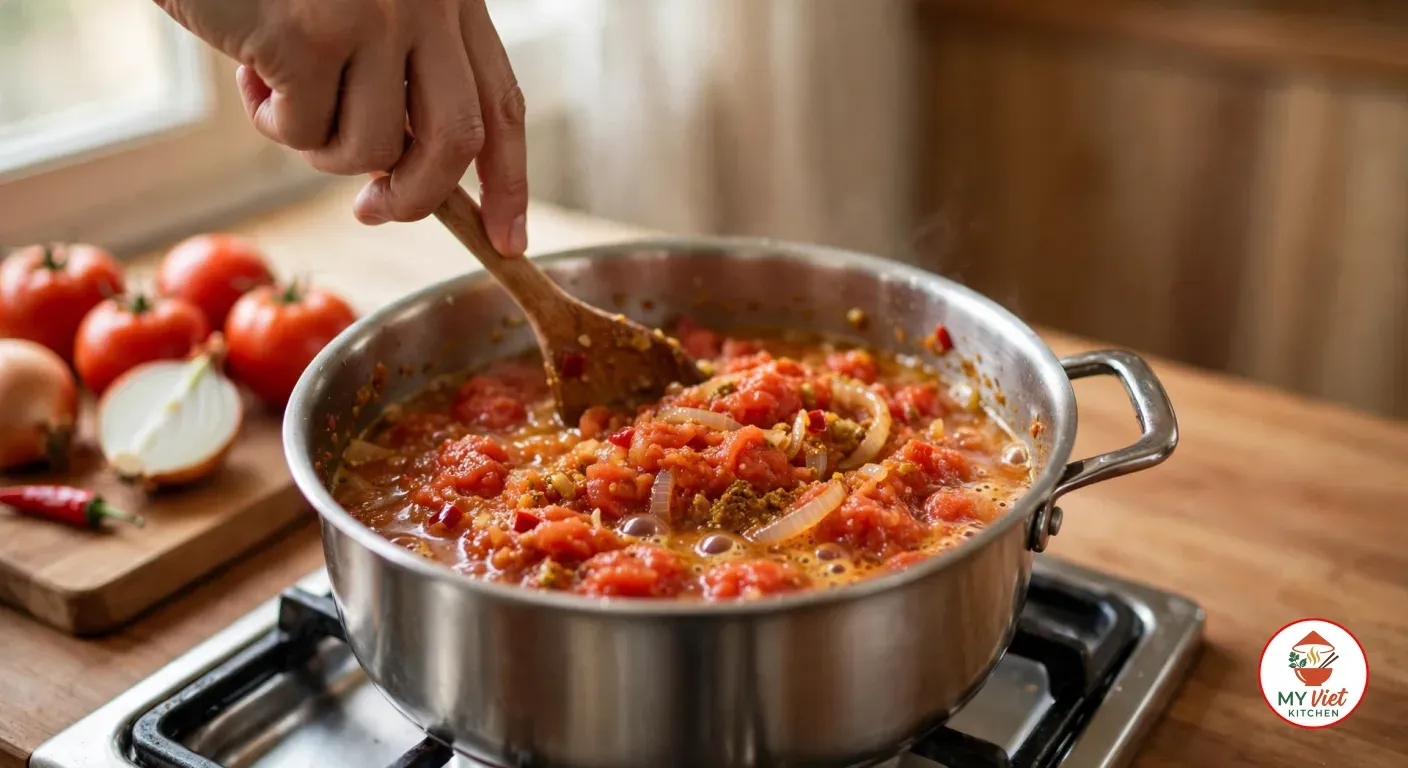
2Warm 1 tablespoon of oil in a saucepan over medium heat and soften the onions in it for 3 to 4 minutes. They should turn see-through but not brown. Stir in the tomatoes, curry powder, chili and water. Let the pan bubble gently for 10 to 12 minutes, with a stir every few minutes, until the tomatoes have collapsed and most of the water has cooked off. A spoon dragged across the bottom should leave a clear track for a second. Season with salt and keep the relish warm over the lowest heat.
Step 3: Cook the Chambo Fish
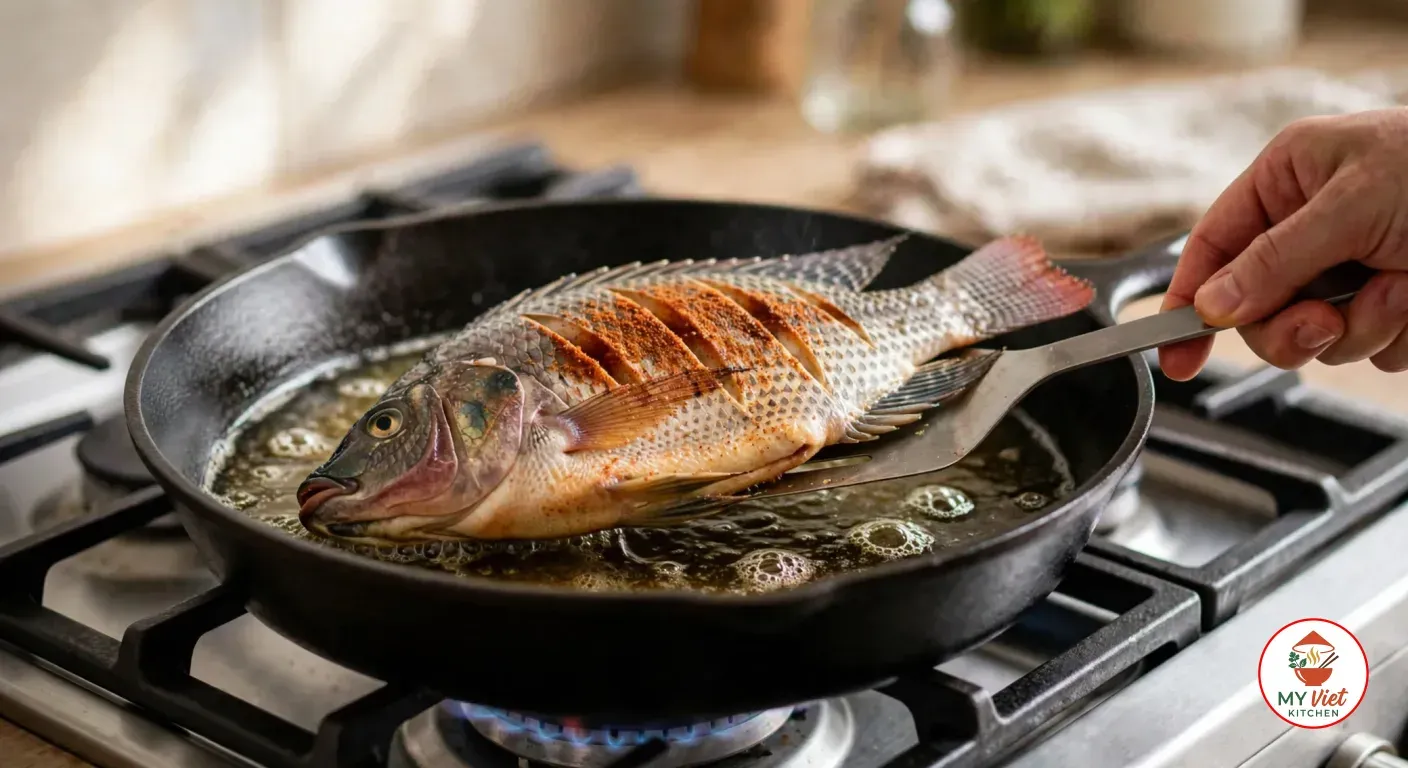
3Heat the oven to 200°F (95°C) and set a rack over a baking sheet. Blot the fish dry with paper towels. Pour the 1/3 cup of oil into a 12-inch cast-iron skillet and heat it over medium-high until it shimmers. Lay one fish in the pan, moving it away from you to avoid splashes, and leave it untouched for 6 to 7 minutes, until the underside is deep golden. Slide a wide spatula under it, steady it with a second spatula or a fork, and turn it over. Fry for another 6 to 7 minutes. The fish is done when the flesh at the deepest cut is white all the way through and lifts off the backbone. A thermometer pushed into the thickest part, near the bone, should read 145°F (63°C), the temperature the FDA gives for fish. Move it to the rack in the oven and fry the second fish the same way.
Step 4: Serve the Dish
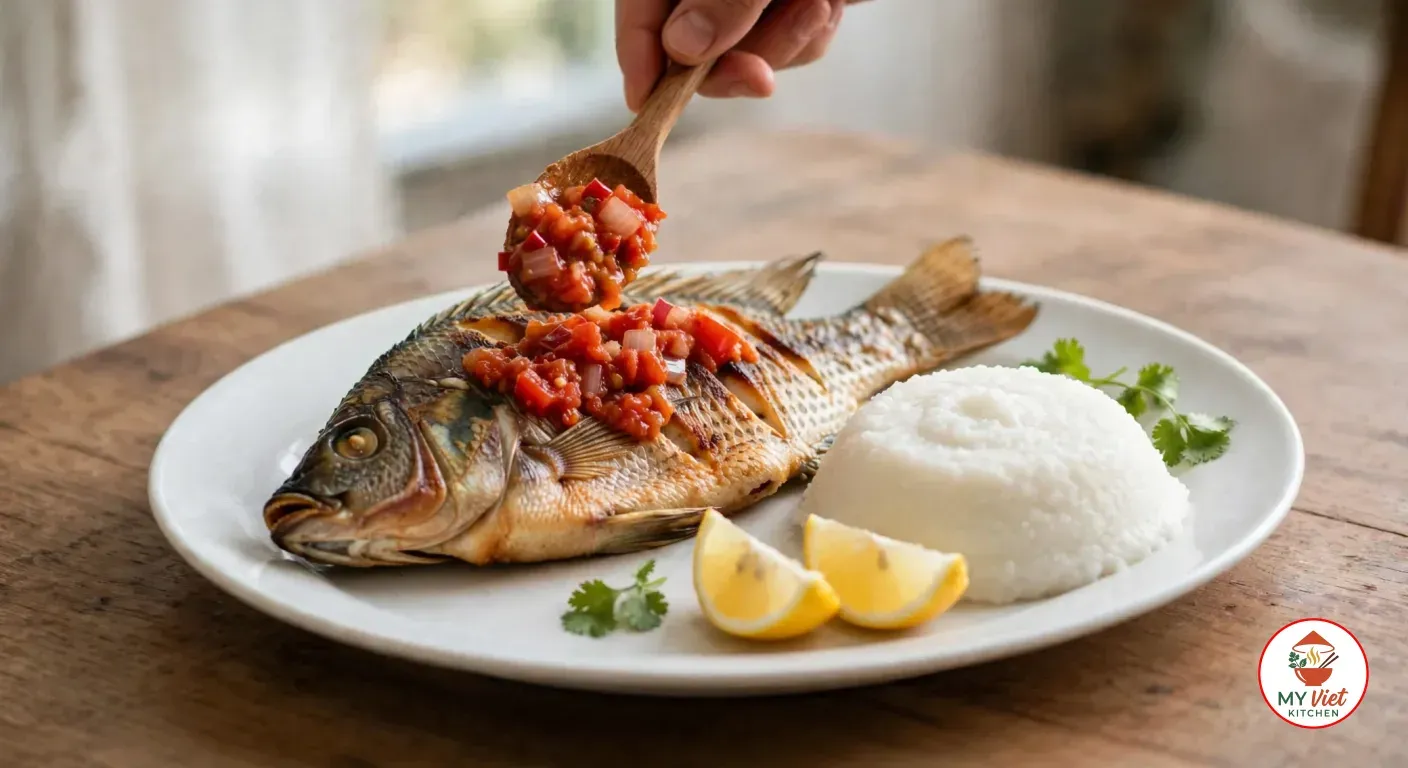
4Put each fish on a plate or both on a platter. Spoon the warm relish along the middle so the head, tail and much of the crisp skin stay uncovered. Add lemon wedges and a few cilantro leaves and serve at once, with nsima or rice on the side. To eat, pull the flesh off the top in pieces, lift out the backbone in one piece, and carry on with the underside.
Frequently Asked Questions
Can I grill chambo instead of frying it?
Yes. The Mbira restaurant at Sunbird Nkopola in Mangochi serves chambo pan fried, stewed or grilled over charcoal (The Nation). Oil the seasoned fish and the grate, or clamp the fish in a hinged fish basket so the skin doesn’t tear when you turn it. Grill over medium-hot coals for 6 to 8 minutes a side, until the flesh at the deepest cut is white and pulls away from the bone.
Can I use tilapia fillets instead of a whole fish?
You can, though a whole fish stays moister because the bones and skin shield the flesh. Buy skin-on fillets about 3/4 inch (2 cm) thick and skip the scoring. Fry them skin side down until the flesh turns opaque most of the way up, about 3 to 4 minutes, and give the flesh side 2 to 3 minutes more. The spice rub covers about 1 1/2 pounds (700 g) of fillets.
What is served with chambo in Malawi?
Nsima, the stiff white maize porridge that is Malawi’s staple. Diners roll a small lump into a ball in the right palm and dip it into the relish, so the fish is eaten by hand (Wikipedia). Chef Miriam Kaudzu serves her chambo stew with nsima and boiled pumpkin leaves, called nkhwani. Plain white rice works if you have no white cornmeal for nsima.
Why does a whole fish stick to the pan?
The skin was wet, the oil wasn’t hot enough, or the fish was moved too soon. Lemon juice and the moisture that salt draws out sit on the skin, so blot the fish again just before it goes in. Wait until the oil shimmers, lay the fish down away from you and leave it alone for 6 minutes. Once the skin has browned, it releases from the pan.
Sources
- Oreochromis lidole, Oreochromis and Nsima, Wikipedia
- Oreochromis karongae, Karonga tilapia, FishBase
- Red List Assessment of Lake Malawi Finds Fish Species Threatened and Provides Information for Decision-Makers, JRS Biodiversity Foundation, 2018
- Malawi’s dwindling Chambo, Anadolu Agency, 2014
- Lake Malawi’s Mbenje island protects vital fish stocks with annual fishing ban, Africanews, 2025
- Mbira Restaurant at Sunbird Nkopola, The Nation (Malawi), 2013
- Malawi, Miriam Kaudzu, Chambo stew mama’s, UN Tourism
- Selecting and Serving Fresh and Frozen Seafood Safely, U.S. Food and Drug Administration