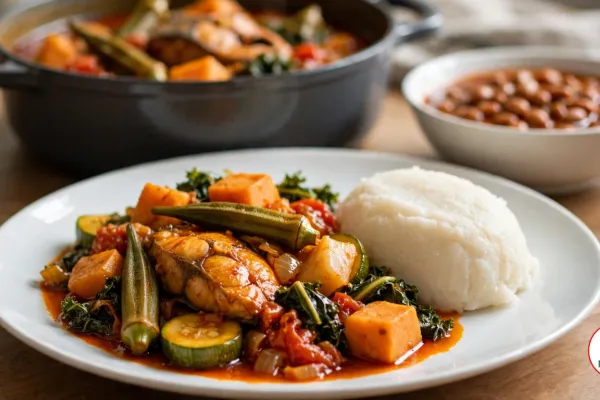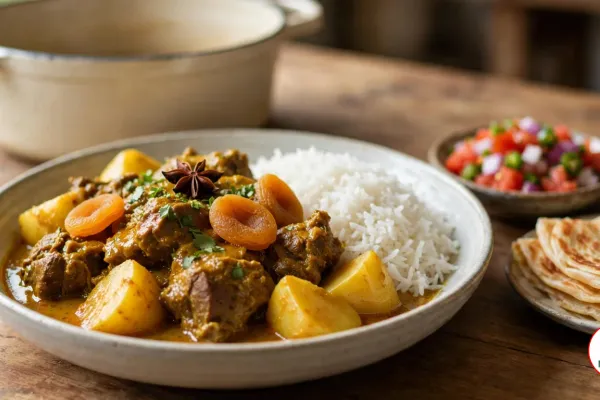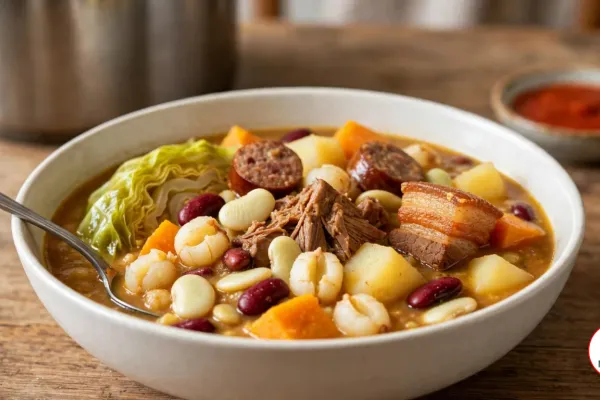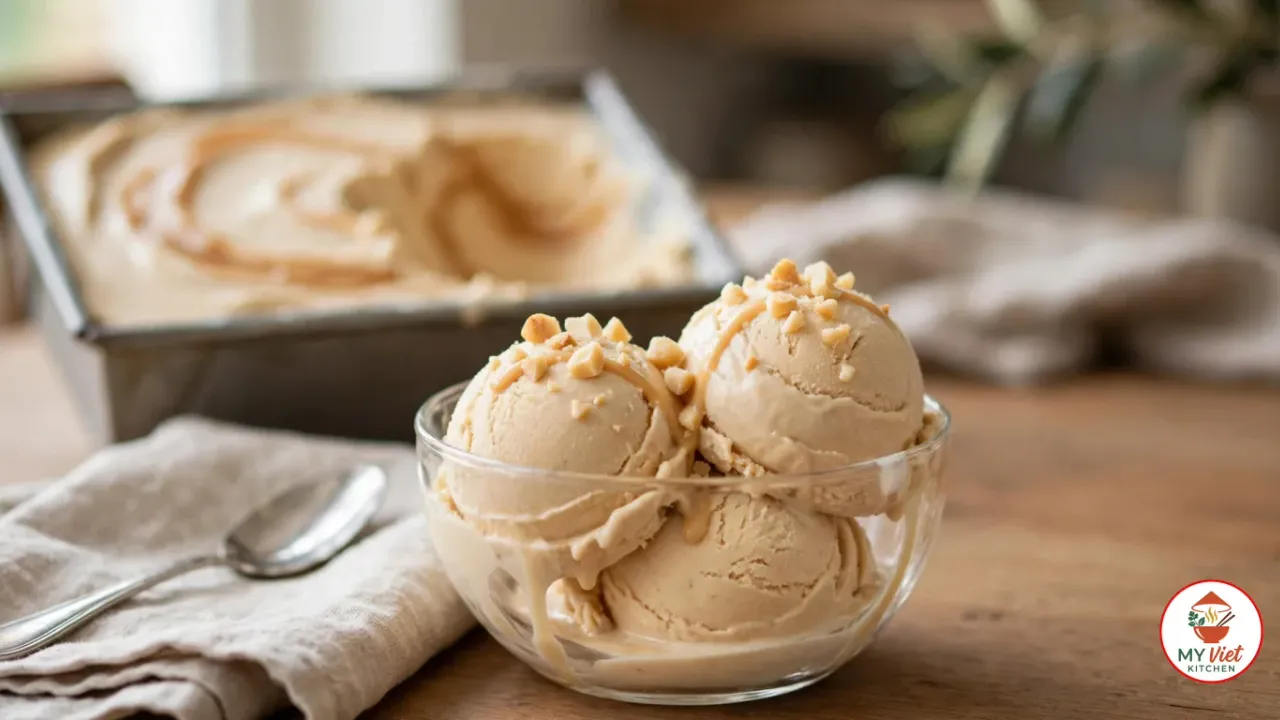
Amarula ice cream is the frozen dessert that captures the soul of South Africa in every scoop. This amarula ice cream recipe teaches you how to make the beloved no-churn treat using Amarula cream liqueur, sweetened condensed milk, and whipped cream. The result is a luxuriously smooth ice cream with layers of caramel, vanilla, and the distinctive tropical flavor of the African marula fruit. Whether you serve it at a braai, a holiday gathering, or a quiet evening at home, this amarula ice cream recipe delivers an authentic taste of South African indulgence with minimal effort and no ice cream maker required.
Prep Time: 20 minutes | Cook Time: 0 minutes (6 hours freezing) | Servings: 8
Difficulty: Easy | Calories: ~320 per serving
What Makes Amarula Ice Cream Special?
Amarula ice cream stands apart from every other frozen dessert because its flavor comes from one of Africa’s most extraordinary trees. The marula tree (Sclerocarya birrea) grows wild across sub-Saharan Africa and produces a plum-sized fruit with a creamy white flesh that tastes like a blend of caramel, citrus, and tropical stone fruit. For centuries, the Tsonga and Venda peoples of southern Africa harvested marula fruit to make traditional beer, cooking oil, and preserves. In 1989, the South African distillery that created Amarula liqueur found a way to ferment and distill the fruit into a smooth cream liqueur that became an international sensation. Today, Amarula is the second most popular cream liqueur in the world, and the ice cream made from it is arguably South Africa’s most iconic frozen dessert.
The flavor profile of this amarula ice cream recipe is unlike anything you can achieve with ordinary vanilla or caramel. Amarula liqueur brings a complex sweetness that combines butterscotch and toffee with a bright, slightly tangy fruit character. When you fold it into condensed milk and whipped cream, those flavors mellow and deepen. The condensed milk adds a dense, milky richness. The whipped cream contributes airiness and a silky mouthfeel. Together, they create an ice cream that tastes simultaneously familiar and exotic. It is sweet without being cloying, boozy without being overwhelming, and creamy in a way that coats your palate and lingers.
Why No-Churn Works Perfectly Here
The no-churn method is not a shortcut for this amarula ice cream recipe. It is the ideal technique. Traditional ice cream machines work by churning air into a custard base as it freezes, preventing large ice crystals from forming. In a no-churn recipe, the whipped cream provides that air, while the condensed milk and alcohol both suppress ice crystal formation. Alcohol lowers the freezing point of the mixture, which keeps the ice cream soft and scoopable even at freezer temperature. Condensed milk is essentially a supersaturated sugar solution, and sugar interferes with crystallization in the same way. The combination of these three factors means no-churn amarula ice cream achieves a texture that rivals machine-churned versions.
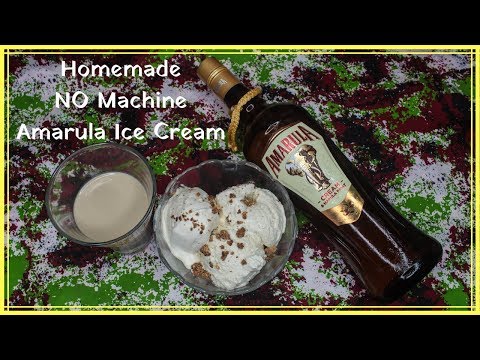
Choosing the Right Amarula Liqueur
The quality and type of cream liqueur you use determines the character of your amarula ice cream recipe. Not all bottles labeled Amarula are the same, and understanding the differences helps you make the best choice.
- Amarula Cream (classic, best choice): The original Amarula Cream liqueur in the distinctive bottle with the elephant on the label. It has 17% alcohol by volume, a rich cream base, and the fullest marula fruit flavor. This is the standard for South African amarula ice cream and produces the most authentic result.
- Amarula Gold: A clear, non-cream version of the liqueur with a lighter body. It works in this recipe but produces a less creamy result because it lacks the dairy component of the original. If you use Gold, increase the cream by a quarter cup to compensate.
- Amarula Vanilla Spice: A flavored variation with added vanilla and warm spice notes. It makes an excellent ice cream with a slightly more dessert-like character. The vanilla and spice complement the condensed milk beautifully and add complexity without extra effort.
Ingredients for Amarula Ice Cream Recipe
Main Ingredients:
- 1 cup (250ml) Amarula cream liqueur
- 1 can (14 oz / 397g) sweetened condensed milk
- 2 cups (480ml) heavy whipping cream, cold
- 1 teaspoon pure vanilla extract
- 1/8 teaspoon fine salt
For the Optional Toppings:
- 2 tablespoons caramel sauce for swirling
- Chopped roasted macadamia nuts for garnish
- Extra Amarula liqueur for drizzling
- Dark chocolate shavings
Pro tip: Chill your mixing bowl and whisk attachment in the freezer for 10 minutes before whipping the cream. Cold equipment helps the cream reach stiff peaks faster and hold its structure longer, which is essential for a smooth, airy amarula ice cream with no icy texture.
Step-by-Step Instructions
Step 1: Prepare the Amarula Base
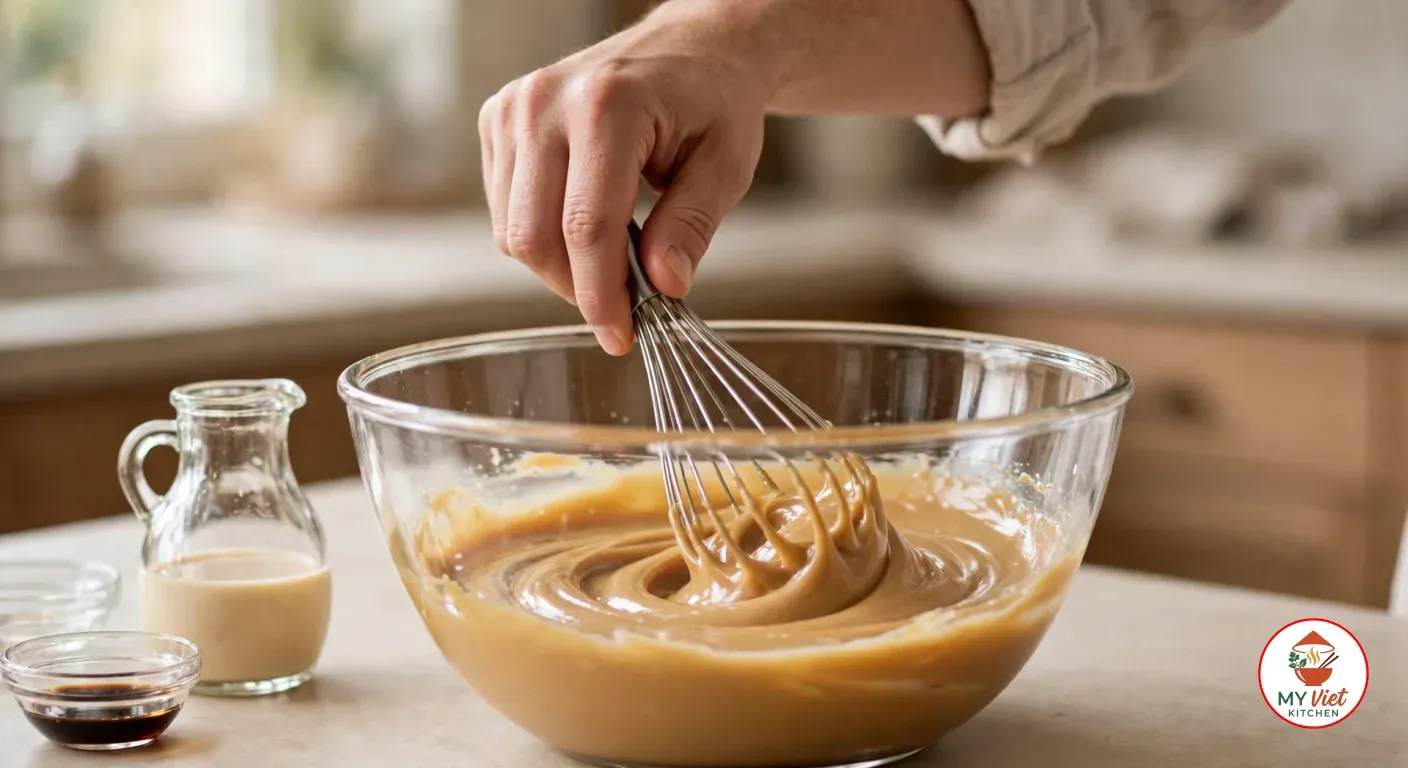
1In a large mixing bowl, pour the Amarula cream liqueur and add the entire can of sweetened condensed milk. Add the vanilla extract and fine salt. Whisk everything together until the mixture is smooth and fully combined. The salt is not optional here. It amplifies the caramel and fruit flavors of the Amarula while tempering the sweetness of the condensed milk. Without it, the ice cream tastes flat. The base will be thick, golden, and intensely aromatic with notes of butterscotch and tropical fruit. Set this bowl aside at room temperature while you prepare the whipped cream.
Step 2: Whip the Cream to Stiff Peaks
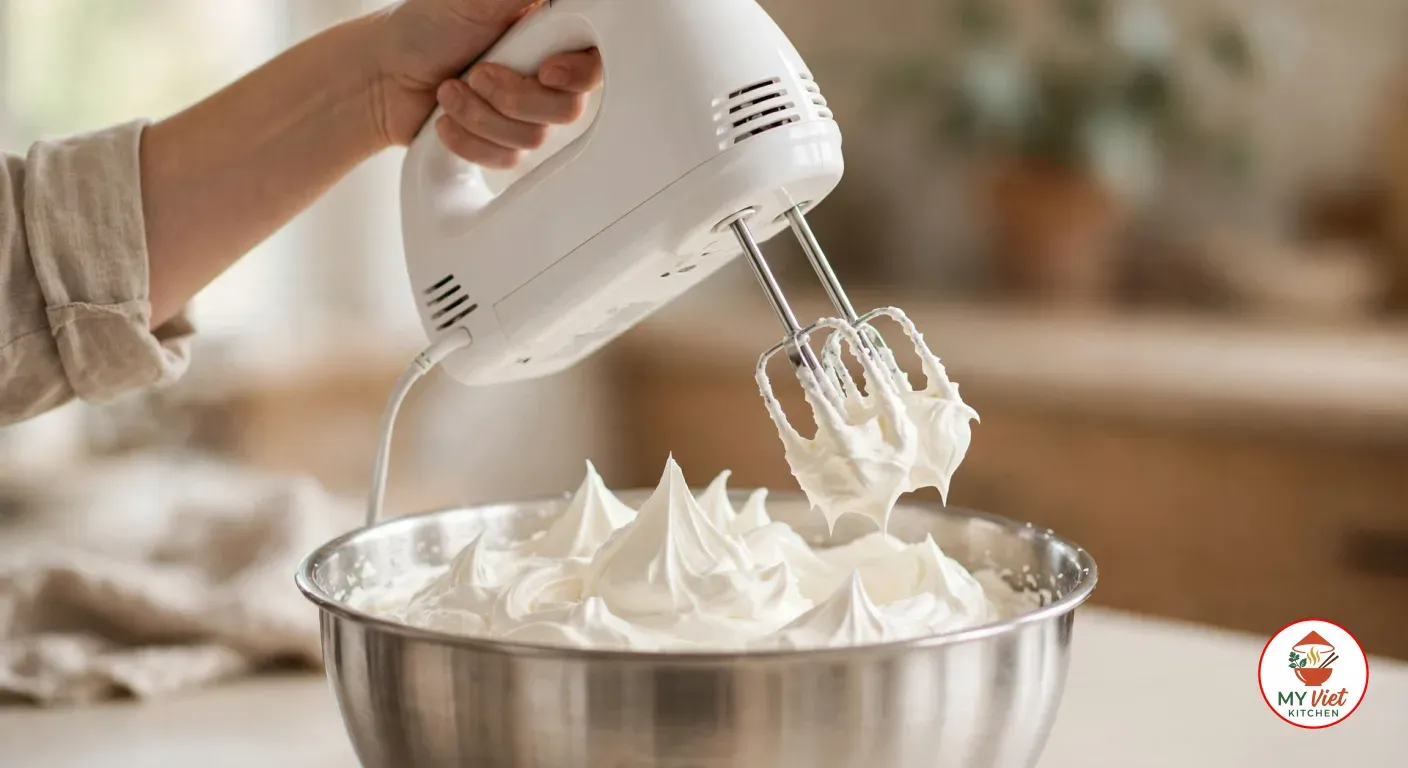
2Pour the cold heavy whipping cream into a separate large bowl. Using an electric hand mixer or a stand mixer fitted with the whisk attachment, beat the cream on medium-high speed. Start slowly to avoid splattering, then increase the speed. After about 3 to 4 minutes, the cream will transform from liquid to a thick, billowy mass that holds firm peaks when you lift the whisk. Stiff peaks stand straight up without drooping.
Do not overbeat the cream past stiff peaks. If you continue beating beyond this point, the fat globules in the cream rupture and the mixture turns grainy, eventually becoming butter. Stop as soon as the peaks hold their shape. The temperature of the cream matters enormously. Cold cream contains fat that is firm and stable, which traps air more efficiently during whipping. Warm cream produces a looser, less stable foam that collapses when folded into the Amarula base.
Step 3: Fold the Cream into the Amarula Base
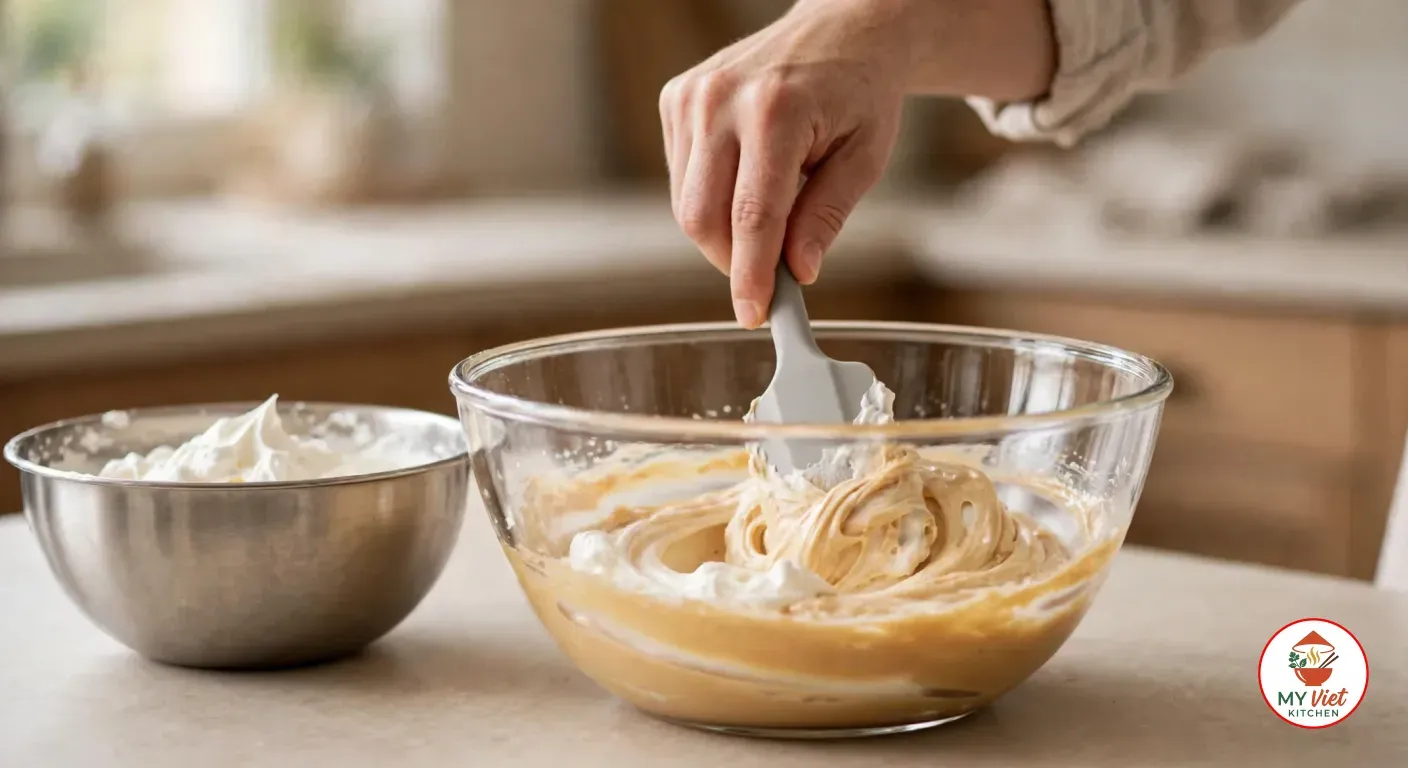
3Take roughly one third of the whipped cream and add it to the Amarula base. Stir this portion in vigorously with a whisk. This step sacrifices some air deliberately to lighten the dense base, making the subsequent folding easier and more effective. Now add half of the remaining whipped cream. Switch from the whisk to a large silicone spatula. Cut down through the center of the mixture, sweep along the bottom, and fold upward and over. Rotate the bowl a quarter turn and repeat. Continue folding until the cream is mostly incorporated.
Add the final portion of whipped cream and fold again with the same gentle motion. Stop folding as soon as no white streaks remain. Every extra fold pushes air out of the mixture. That air is what gives your amarula ice cream its light, scoopable texture. A few tiny streaks of white are far better than a deflated, dense mixture. The finished batter should be pale gold, thick, and mousse-like.
Step 4: Freeze the Ice Cream
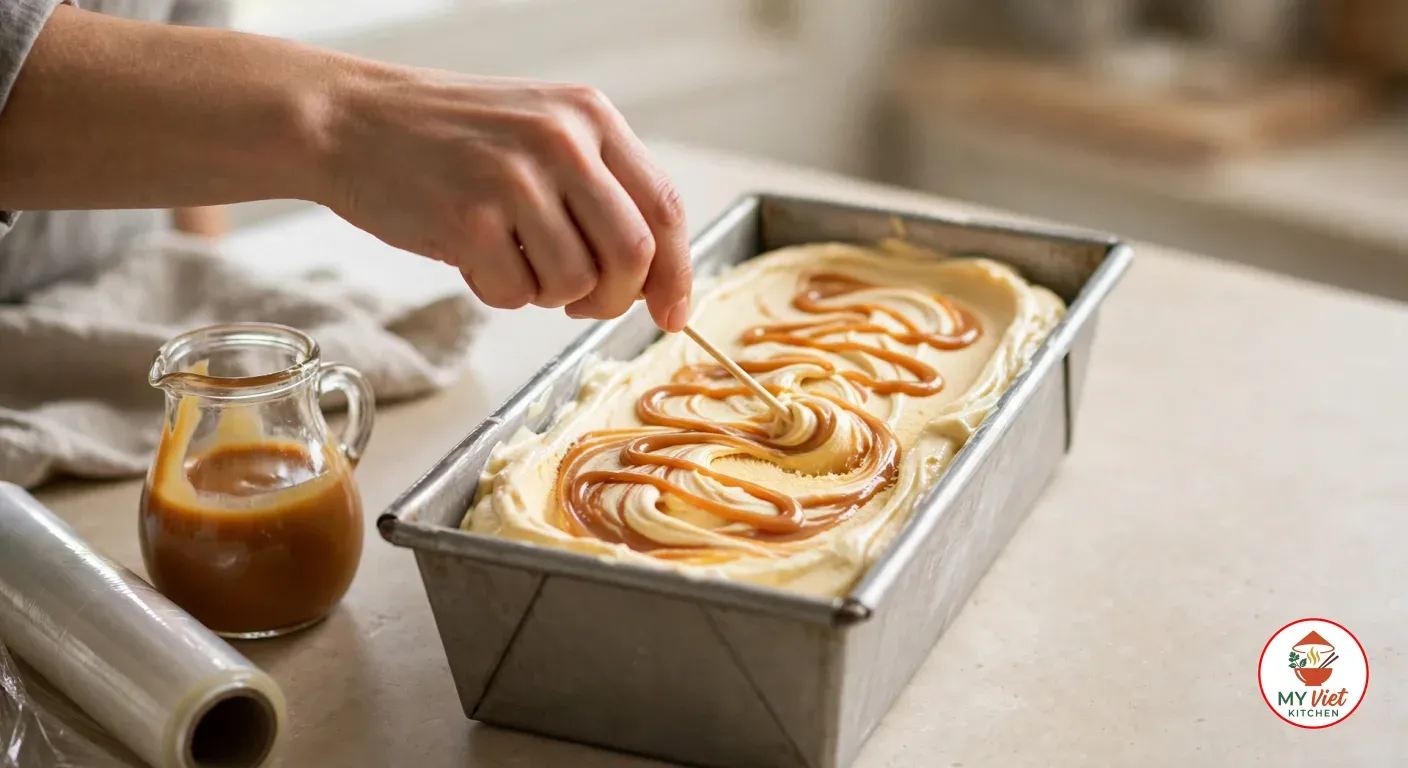
4Pour the ice cream mixture into a 9x5 inch loaf pan, a deep freezer-safe container, or individual ramekins. Smooth the top with a spatula. If you want a caramel swirl, drizzle two tablespoons of caramel sauce across the surface. Then drag a knife or wooden skewer through the caramel in a zigzag pattern to create decorative ribbons throughout the ice cream. Tap the container gently on the counter two or three times to release any trapped air bubbles that could create holes in the frozen ice cream.
Press a sheet of plastic wrap directly onto the surface of the ice cream before sealing with a lid or foil. This contact barrier prevents ice crystals from forming on top during freezing. Place the container in the coldest part of your freezer, typically the back of the bottom shelf, away from the door. Freeze for a minimum of 6 hours. Overnight freezing produces the best results. The alcohol in the Amarula means this ice cream will never freeze rock-hard, which is one of its greatest advantages.
Step 5: Serve and Garnish
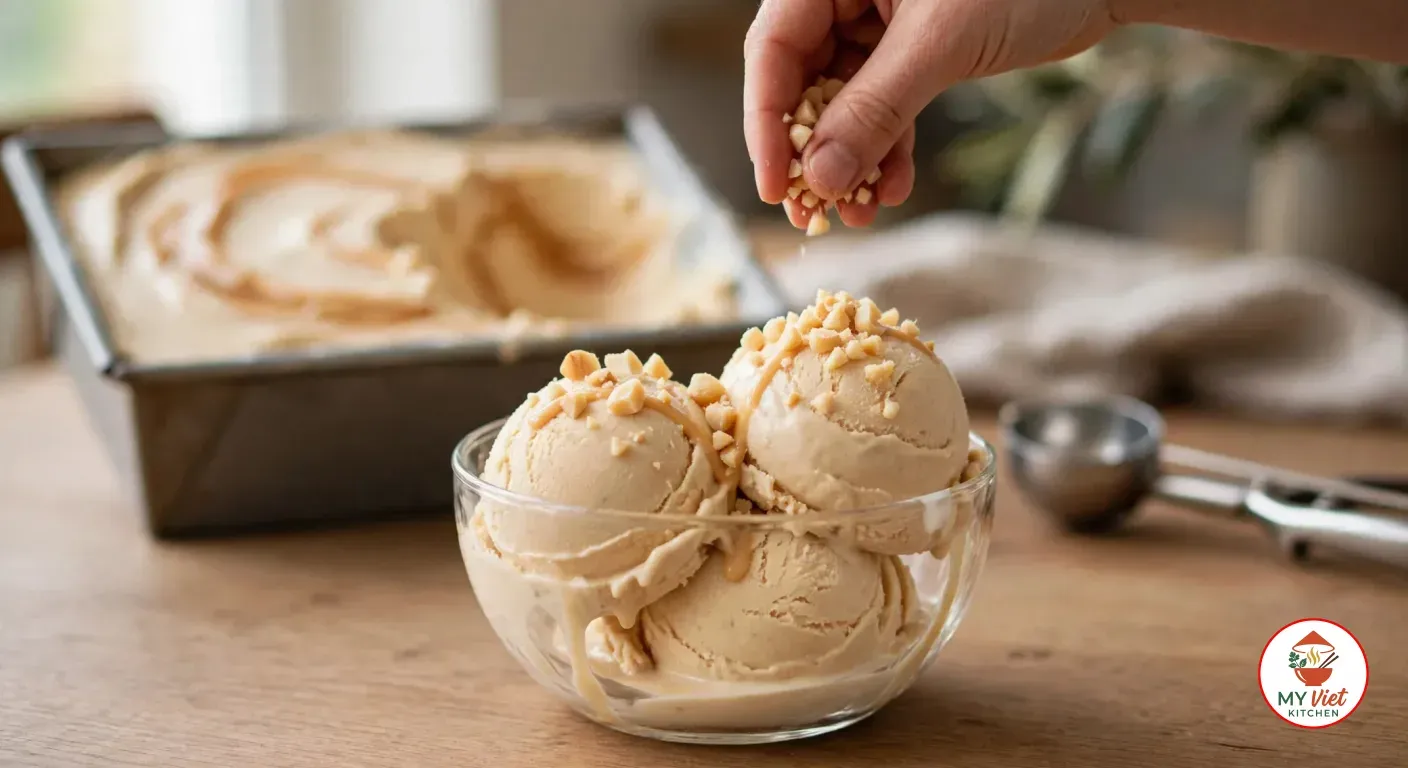
5Remove the amarula ice cream from the freezer about 5 to 10 minutes before serving. This brief rest at room temperature allows the ice cream to soften just enough for easy scooping. Dip your ice cream scoop in hot water between each scoop for clean, round balls. Serve in chilled bowls, waffle cones, or elegant dessert glasses. Garnish with chopped roasted macadamia nuts for a nutty crunch that complements the creamy texture. A drizzle of extra Amarula liqueur over the top intensifies the marula flavor. Dark chocolate shavings or a ribbon of caramel sauce also pair beautifully. Serve immediately before the ice cream melts.
Expert Tips for Perfect Amarula Ice Cream
Temperature Control Is Everything
The success of no-churn ice cream depends on keeping your ingredients cold. Use cream straight from the refrigerator. Chill your mixing bowl and whisk in the freezer for at least 10 minutes before whipping. A warm bowl transfers heat to the cream, which weakens the foam structure. Once you fold the mixture together, pour it into the freezing container immediately. Every minute the mixture sits at room temperature, air escapes and the texture suffers. Work quickly and decisively during the folding and pouring stages.
Master the Fold
Folding is the single most important technique in this amarula ice cream recipe. A fold is not a stir. Stirring moves the spatula in circles, which deflates air. Folding moves the spatula in a vertical loop. Cut down through the center of the bowl, sweep along the bottom, then lift and fold the mixture over itself. Rotate the bowl slightly after each fold. This motion incorporates the ingredients while preserving the maximum amount of air. The difference between a well-folded and an over-mixed batch is the difference between silky gelato texture and dense, chewy ice cream.
The Right Amount of Alcohol
One cup of Amarula produces an ice cream that is creamy and scoopable with a noticeable but not overpowering boozy character. If you prefer a milder flavor, reduce the Amarula to three quarters of a cup. If you want a stronger kick, you can increase it to one and a quarter cups, but be aware that more alcohol means softer ice cream that takes longer to set. Beyond one and a half cups, the mixture may not freeze properly at all. The sweet spot for most people is the one cup measurement in this amarula ice cream recipe.
Amarula Ice Cream vs. Other Cream Liqueur Desserts
Cream liqueur ice creams are popular across many cultures, but each one carries a distinct flavor signature. Here is how amarula ice cream compares to other well-known versions from around the world.
| Feature | Amarula Ice Cream | Baileys Ice Cream | Kahlua Ice Cream |
|---|---|---|---|
| Base liqueur | Amarula (marula fruit) | Baileys (Irish whiskey) | Kahlua (coffee) |
| Primary flavor | Caramel, tropical fruit | Whiskey, chocolate | Coffee, vanilla |
| Sweetness level | Medium-sweet | Sweet | Bittersweet |
| Origin | South Africa | Ireland | Mexico |
| Alcohol content | 17% | 17% | 20% |
| Best garnish | Macadamia nuts, caramel | Chocolate shavings | Espresso beans |
Serving Suggestions
Amarula ice cream is versatile enough to serve on its own or as part of an elaborate dessert. In South Africa, it appears at braais, birthday parties, and Christmas celebrations. The following pairings bring out the best in this frozen treat.
The Perfect Accompaniments:
- Warm malva pudding: South Africa’s famous baked sponge pudding drenched in cream sauce is the classic partner for amarula ice cream. The hot, sticky pudding contrasts beautifully with the cold, smooth ice cream.
- Koeksisters: These twisted, syrup-soaked South African doughnuts provide a crunchy, sweet counterpoint. Break a koeksister open and place a scoop of amarula ice cream inside for an indulgent dessert sandwich.
- Fresh tropical fruit: Sliced mango, pineapple, or passion fruit echo the tropical notes in the Amarula liqueur. The acidity of the fruit cuts through the richness of the ice cream.
- Waffle cones or brandy snaps: A crispy cone or a delicate brandy snap basket adds textural contrast. The buttery crunch of the wafer complements the smooth, creamy ice cream.
Beverage Pairings:
- South African espresso: A shot of strong espresso served alongside the ice cream creates an affogato-style experience. Pour the espresso directly over the scoop for a dramatic presentation.
- Rooibos tea: A warm cup of rooibos with its naturally sweet, earthy character pairs beautifully with the caramel notes in amarula ice cream. This is a distinctly South African combination.
- Pinotage dessert wine: A late-harvest Pinotage from Stellenbosch brings berry sweetness that harmonizes with the marula fruit flavors in the ice cream.
Storage and Freezing Tips
Freezer: Store amarula ice cream in an airtight container with plastic wrap pressed directly onto the surface for up to 2 weeks. The alcohol content helps maintain a smooth texture longer than standard ice cream, but after 2 weeks, ice crystals begin to form and the texture degrades. Keep the container in the coldest part of your freezer, away from the door where temperature fluctuates.
Softening for serving: Remove the ice cream from the freezer 5 to 10 minutes before scooping. Because of the alcohol content, amarula ice cream softens faster than regular ice cream. In warm weather, 3 to 5 minutes may be sufficient. If the ice cream becomes too soft, return it to the freezer for 15 minutes before serving.
Refreezing: You can refreeze amarula ice cream that has partially melted, but the texture will suffer. Melting and refreezing creates larger ice crystals and a grainier consistency. For the best experience, scoop only what you plan to serve and return the container to the freezer immediately.
Common Mistakes to Avoid
1. Overbeating the Whipped Cream
This is the most frequent mistake in any no-churn ice cream recipe. Once the cream passes stiff peaks, it rapidly turns grainy and then becomes butter. Watch the cream carefully as you beat it and stop the mixer the moment the peaks hold their shape firmly. If you accidentally overbeat the cream, discard it and start fresh. There is no way to rescue overbeaten cream, and using it produces ice cream with a gritty, unpleasant texture.
2. Using Warm Cream or a Warm Bowl
Cream that is not cold enough produces a weak, unstable foam that collapses when you fold it into the Amarula base. The fat in cream needs to be cold and firm to trap air effectively. Always use cream straight from the refrigerator. If your kitchen is warm, chill the mixing bowl and whisk attachment in the freezer for 10 minutes before starting. This small step makes a significant difference in the final texture of your amarula ice cream.
3. Stirring Instead of Folding
Circular stirring motions push air out of the whipped cream. Every bubble you lose reduces the lightness of the finished ice cream. Always fold with a large spatula using the cut-sweep-lift motion described in Step 3. The goal is to combine the ingredients while preserving as much air as possible. A properly folded batch looks light and mousse-like. An over-stirred batch looks dense and flat.
Frequently Asked Questions
What is Amarula ice cream?
Amarula ice cream is a South African frozen dessert made with Amarula cream liqueur, which is produced from the fruit of the African marula tree. The ice cream combines the liqueur with sweetened condensed milk and whipped cream to create a rich, creamy treat with caramel, vanilla, and tropical fruit flavors. It is one of the most popular desserts in South Africa and is commonly served at braais, holiday celebrations, and dinner parties.
Does Amarula ice cream contain alcohol?
Yes, this amarula ice cream recipe contains alcohol from the Amarula cream liqueur, which has 17% alcohol by volume. However, the alcohol is significantly diluted by the condensed milk and cream, so a typical serving contains roughly 2 to 3% alcohol. The freezing process does not eliminate the alcohol. For a non-alcoholic version, substitute the Amarula with a mixture of caramel syrup, coconut cream, and vanilla extract.
Why does my amarula ice cream stay soft?
Alcohol lowers the freezing point of liquids, so amarula ice cream never freezes as hard as regular ice cream. This is actually desirable because it means the ice cream stays scoopable straight from the freezer. If yours is too soft, try reducing the Amarula to three quarters of a cup, or freeze for a longer period. Ensure your freezer is set to 0 degrees Fahrenheit or minus 18 degrees Celsius.
Can I make amarula ice cream without condensed milk?
Sweetened condensed milk serves two essential functions in this amarula ice cream recipe. It provides sweetness and it prevents ice crystal formation thanks to its high sugar concentration. Without it, the ice cream will freeze into a hard, icy block. If you want an alternative, you can make a custard base with egg yolks, sugar, and whole milk, then combine that with whipped cream and Amarula. However, this requires cooking and churning, which defeats the simplicity of the no-churn method.
What can I use instead of Amarula liqueur?
Baileys Irish Cream is the closest widely available substitute for Amarula. It has a similar cream liqueur base with caramel and vanilla notes, though it lacks the distinctive marula fruit character. Other options include Carolans Irish cream or any cream-based liqueur. For a completely non-alcoholic version, combine half a cup of caramel sauce with half a cup of coconut cream and a teaspoon of vanilla extract.
Variations and Adaptations
Amarula Chocolate Swirl:
Melt 100 grams of dark chocolate with a tablespoon of coconut oil and let it cool until barely warm. After pouring the ice cream mixture into the freezing container, drizzle the chocolate over the top and swirl it through with a knife. The chocolate hardens as it hits the cold cream, creating thin, snappable ribbons throughout the ice cream. South African chocolate brand Wedgewood pairs especially well with Amarula for an all-local dessert.
Amarula and Rooibos Ice Cream:
Steep four rooibos tea bags in the condensed milk overnight in the refrigerator. Remove the tea bags and squeeze out the excess liquid before mixing the infused condensed milk with the Amarula. The rooibos adds a warm, honey-like depth and a beautiful amber color to the ice cream. This variation highlights two of South Africa’s most famous exports in a single dessert.
Non-Alcoholic Amarula-Style Ice Cream:
Replace the Amarula with half a cup of thick caramel sauce thinned with a quarter cup of coconut cream. Add a teaspoon of vanilla extract and a few drops of rum extract for depth. The result will not replicate the exact marula fruit flavor, but it captures the sweet, creamy, butterscotch character that makes amarula ice cream so appealing. This version is suitable for children and guests who do not consume alcohol.
The Cultural Significance of Amarula Ice Cream
The marula tree holds deep cultural significance across southern Africa. Known as the “elephant tree” because elephants famously seek out its ripe fruit, the marula has been a source of food, medicine, and ceremonial drink for thousands of years. The Tsonga, Venda, Zulu, and Tswana peoples all have traditions centered around the marula harvest, which takes place between January and March when the fruit ripens and falls to the ground. Women traditionally gathered the fallen fruit and fermented the juice into a mildly alcoholic beer called ubuganu or mukumbi, which was shared during community celebrations.
When Amarula cream liqueur launched in 1989, it brought the marula fruit to an international audience for the first time. The liqueur quickly became one of South Africa’s most recognizable exports. Amarula ice cream emerged as a natural extension of the liqueur’s popularity. South African home cooks discovered that the no-churn method produced an ice cream of remarkable quality with minimal effort. The recipe spread through families, church gatherings, and braai culture. Today, it appears on dessert menus at restaurants across the country, from casual seaside cafes in Durban to fine dining establishments in Cape Town. The simplicity of the recipe belies its elegance. In three ingredients and twenty minutes of active work, you create a frozen dessert that carries the flavor of the African bushveld in every spoonful.
Conclusion
This amarula ice cream recipe delivers one of South Africa’s most beloved desserts with almost no effort. You need just five ingredients, a mixing bowl, and a freezer. The technique is straightforward. Whisk the Amarula base, whip the cream to stiff peaks, fold them together gently, and freeze overnight. The result is a creamy, scoopable ice cream with the unmistakable caramel and tropical fruit character of the African marula. Whether you serve it alongside warm malva pudding or scoop it into a cone at a summer braai, this amarula ice cream recipe brings an authentic taste of South Africa to your table.
If you enjoy South African desserts, explore our melktert recipe for the classic custard milk tart. For more South African cooking, try our koeksisters recipe for those irresistible syrup-soaked doughnuts. And if you want a hearty main course to serve before dessert, our potjiekos recipe offers the beloved three-legged pot stew that pairs perfectly with a cold scoop of amarula ice cream.