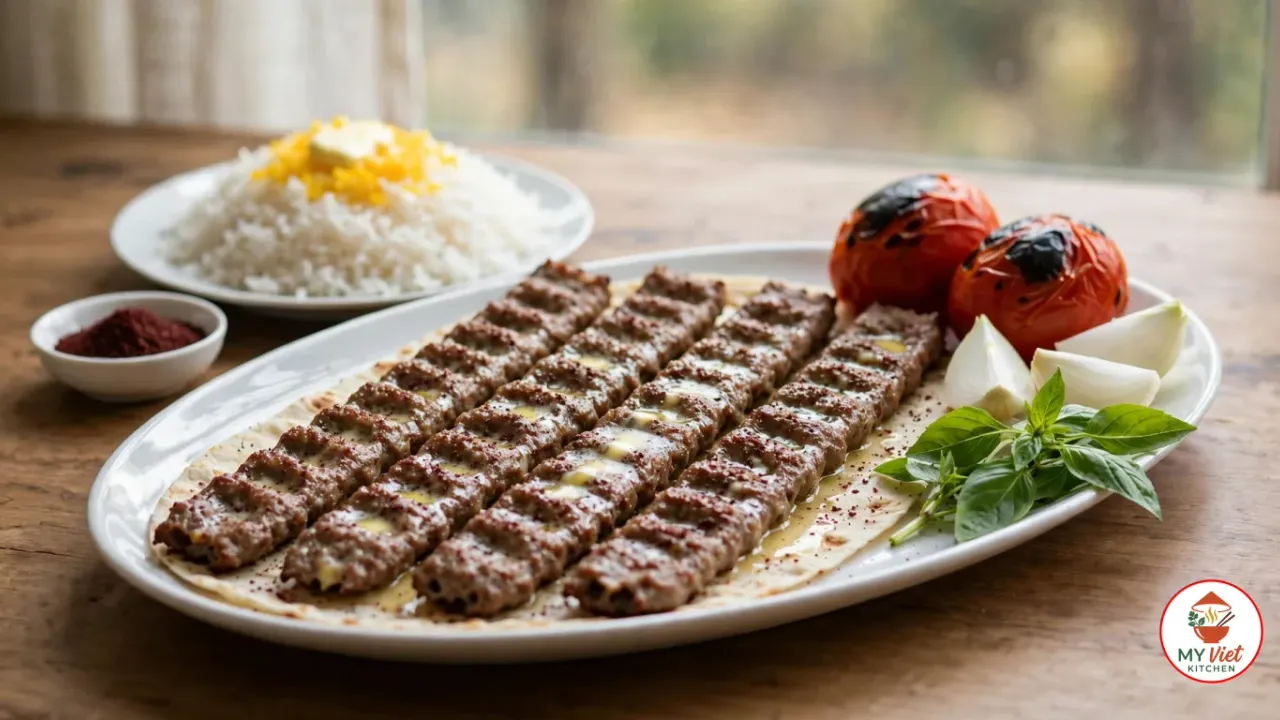
Kebab-e-koobideh is an Iranian kebab of ground lamb, often mixed with grated onion, salt and black pepper, pressed onto a wide skewer and grilled over hot coals (Wikipedia). This recipe uses half lamb and half beef with a little saffron and sumac. It also keeps the three habits that hold the meat on the skewer: a dry onion, a long knead and a quick first turn.
Prep Time: 30 minutes | Cook Time: 15 minutes | Total Time: 1 hour 15 minutes, including 30 minutes of chilling | Servings: 4
Difficulty: Medium | Calories: ~560 per serving

What Is Kebab-e-Koobideh?
Koobideh comes from the Persian verb koobidan, “to pound”. The meat was traditionally laid on a flat stone or a log and beaten with a wooden mallet, then cooked on a seekh, the Persian word for skewer. Wikipedia also records the spellings kubideh and kobida (Wikipedia).
Homa, who writes the blog Persian Mama, spells it kabob koobideh. She calls it one of the most popular kebabs on the streets of Iran. A vendor there may need no more than a small charcoal grill, a bowl of seasoned ground lamb and a stack of lavash or sangak for wrapping (Persian Mama).
Served with chelow, steamed white rice, the kebab becomes chelow kabab, which is considered the national dish of Iran (Wikipedia). The Encyclopaedia Iranica points out that two culinary tracts of the 16th century do not mention the dish, and concludes that it “was probably created in the Qajar period”. It was part of Naser al-Din Shah’s diet and a favourite in Tabriz, where restaurants served it. The entry dates from 1990. It adds that kebab-e-koobideh is also eaten with bread instead of rice, and that many fast-food restaurants specialising in it had lately opened in large cities (Encyclopaedia Iranica).
Bread or rice changes the kebab itself. Citing Najaf Daryabandari’s Persian cookbook, Wikipedia describes two styles: a soft, tender koobideh for flatbreads such as sangak and lavash, and a firmer but juicier one for rice. Both use the same ingredients. The difference lies in how the meat is worked (Wikipedia).
Which Meat and Seasonings Go into Koobideh?
The strict answer for kebab-e-koobideh is short. Wikipedia’s article limits the key ingredients to meat, white or yellow onion, salt and black pepper. The meat is fatty, inexpensive lamb such as lower rib, breast and flank, ground twice, with 20 to 35 percent fat. Beef, eggs, baking soda, breadcrumbs, flour and other spices all count as departures from tradition (Wikipedia).
Published recipes for kebab-e-koobideh are looser, and they disagree with each other. The Iranica entry lists egg yolk among the ingredients (Encyclopaedia Iranica). Homa mixes 1 1/2 pounds of beef with 1 pound of lamb, both 80 to 85 percent lean, and adds garlic, an egg, sumac and turmeric (Persian Mama).
Roxana Begum, the registered dietitian behind The Delicious Crescent, uses a pound each of lamb and beef, 80 percent lean. Her only spices are black pepper and turmeric or ground saffron. She counts garlic and sumac as non-traditional and says traditional recipes add no egg. Meat that is only 70 percent lean is too fatty for her: the fat melts on the grill and the kebab drops off more easily (The Delicious Crescent).
The video above is all lamb. Its ingredient list reads 1 kg of lamb mince, one grated brown onion with the juice squeezed out, salt, pepper, turmeric, red sumac and a tablespoon of saffron water. The cook describes himself as a self-trained executive chef working in his family’s restaurant in Sydney (Henrys HowTos). The steps below split the meat between lamb and beef, as the two blogs do, and season it as the video does.
Why Does Koobideh Fall off the Skewer?
Three things loosen kebab-e-koobideh on the grill: water in the mix, heat on one side only, and a hot grate.
The water comes from the onion. By Wikipedia’s figures, up to 65 percent of a grated onion’s weight is juice to be squeezed out. Extra onion makes a softer, juicier kebab, the article adds, but raises the risk of it breaking up over the fire (Wikipedia).
Kneading binds the meat. Begum kneads for about 5 minutes, until the mixture is a smooth paste and the bowl shows a thin coating of fat (The Delicious Crescent). Homa stops when it “sticks together without falling apart” (Persian Mama).
On temperature the sources split. Wikipedia describes the firm, juicy style as kneaded cold, with the meat half frozen. The fat then stays in separate particles and melts into pockets of juice on the grill (Wikipedia). Homa finds that fresh meat at room temperature sticks to the skewer better (Persian Mama). This recipe takes the cold route and leaves the bowl in the fridge until the coals are ready.
Over the fire, the first minute decides it. Homa and Begum both set the skewers down one by one and start turning them at once, in the order they went on. If one side cooks through before the turn, the raw side falls off (Persian Mama). Wikipedia agrees that early flipping keeps the meat from shrinking or coming away from the skewer (Wikipedia).
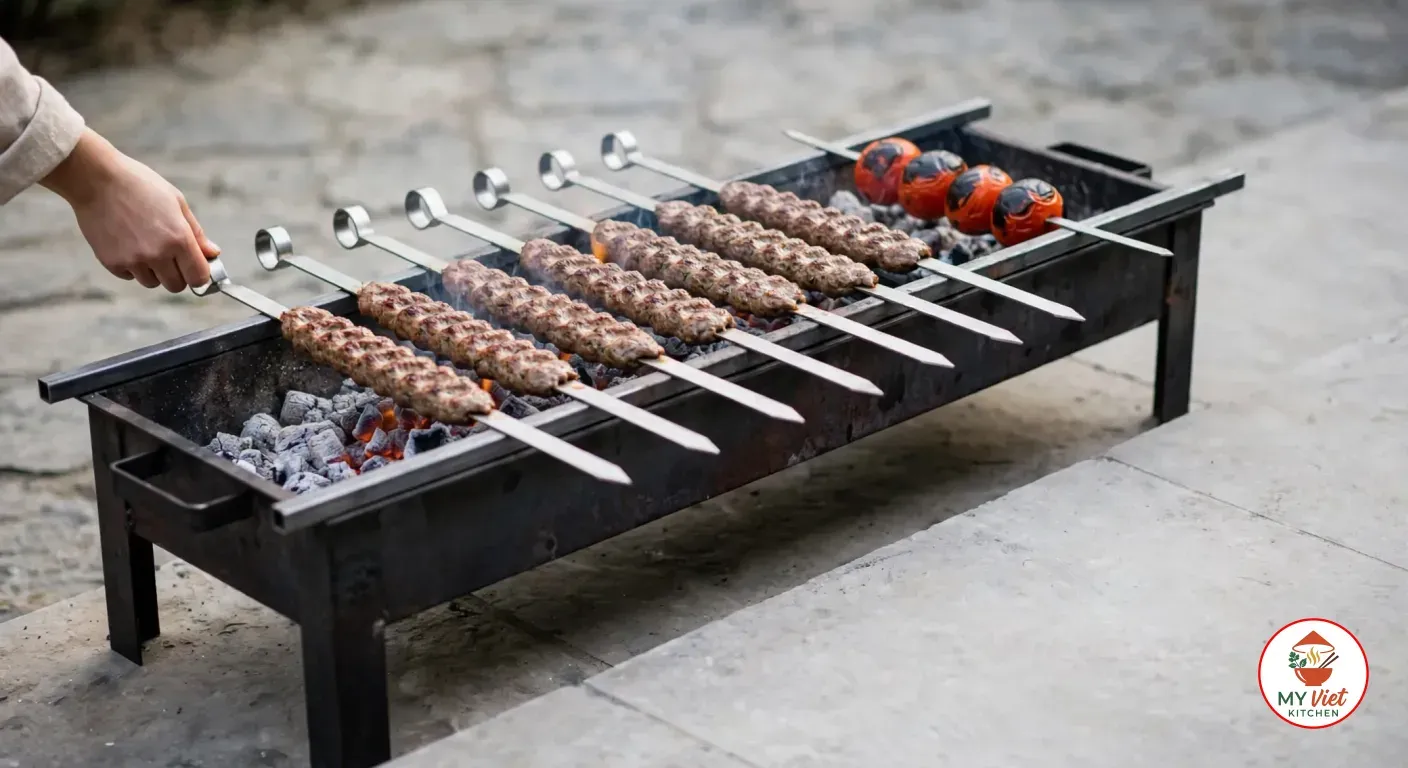
The meat should hang in the air, never lie on a grate. Homa’s husband rests the two ends of each skewer on square metal pipes laid along the grill (Persian Mama). Begum suggests pipes or bricks, with the meat 3 to 4 inches above the coals. Her skewers are flat and 1 inch wide, sold as Persian kebab skewers (The Delicious Crescent). The dents pressed along the kebab are called gol. They expose the hot metal and help the meat cook evenly (Wikipedia).
Ingredients for Kebab-e-Koobideh
For the Kebabs:
- 1 large yellow onion (about 250 g / 9 oz)
- A pinch of saffron threads (about 1/8 teaspoon)
- 1 tablespoon hot water
- 500 g (1.1 lb) ground lamb, about 20% fat, cold
- 500 g (1.1 lb) ground beef, 80% lean, cold
- 1 1/4 teaspoons fine salt
- 1/2 teaspoon ground black pepper
- 1/2 teaspoon ground turmeric
- 1 teaspoon ground sumac, plus more for serving
For Grilling and Serving:
- 4 firm, ripe Roma tomatoes
- 2 tablespoons (30 g) butter, melted
- Lavash or sangak bread, for serving
- Steamed basmati rice, raw onion and fresh basil, for serving
You also need 8 flat metal skewers about 2.5 cm (1 inch) wide, one thin skewer for the tomatoes, and a charcoal grill. If the grill is wider than the skewers are long, add two bricks or square metal pipes to rest them on.
Step-by-Step Instructions
Step 1: Grate and Squeeze the Onion
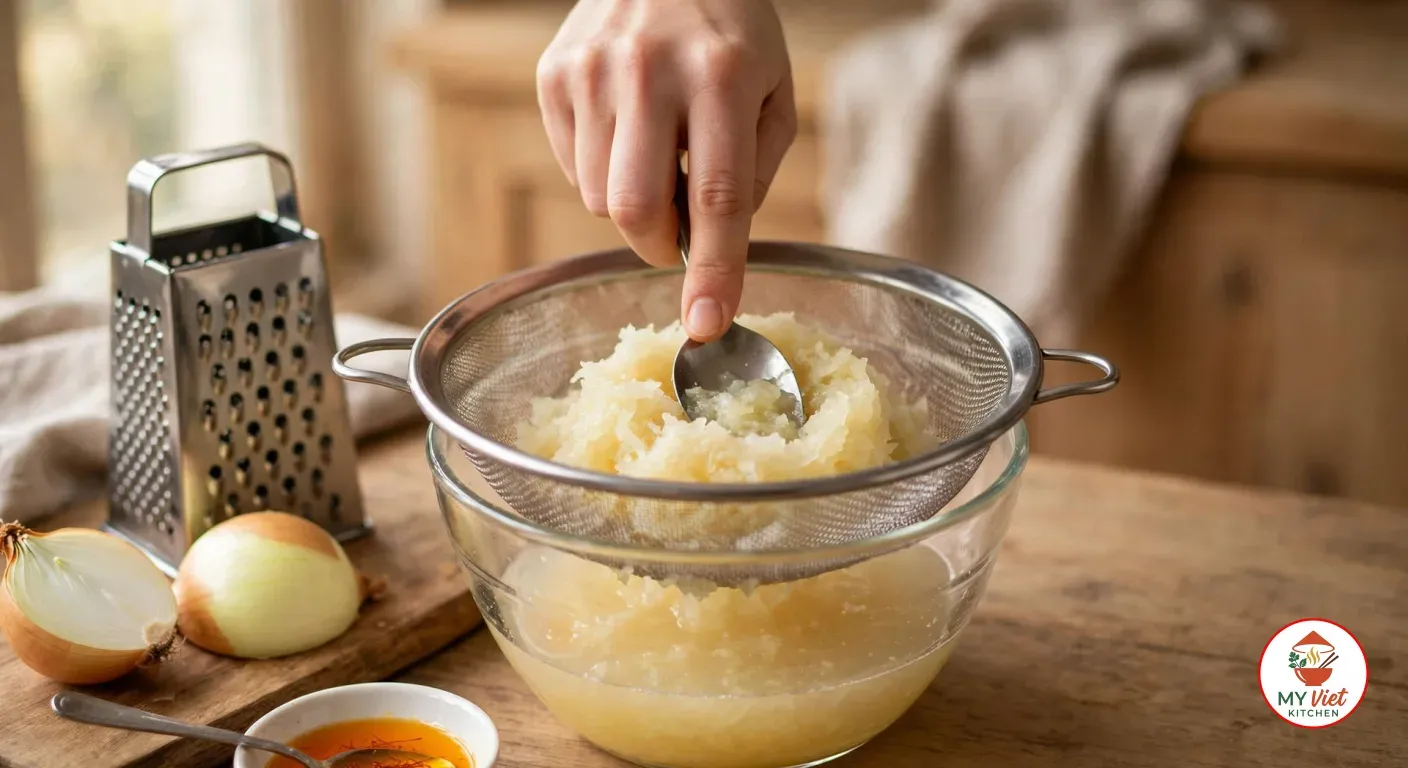
1Grind the saffron to a powder between your fingers or in a mortar, stir it into the tablespoon of hot water and set it aside. Peel the onion and grate it on the large holes of a box grater. Tip it into a fine-mesh sieve set over a bowl and press hard with the back of a spoon, or wring it in a clean cloth, until no more juice runs out. Keep the juice for wetting your hands in Step 4.
Step 2: Knead the Meat
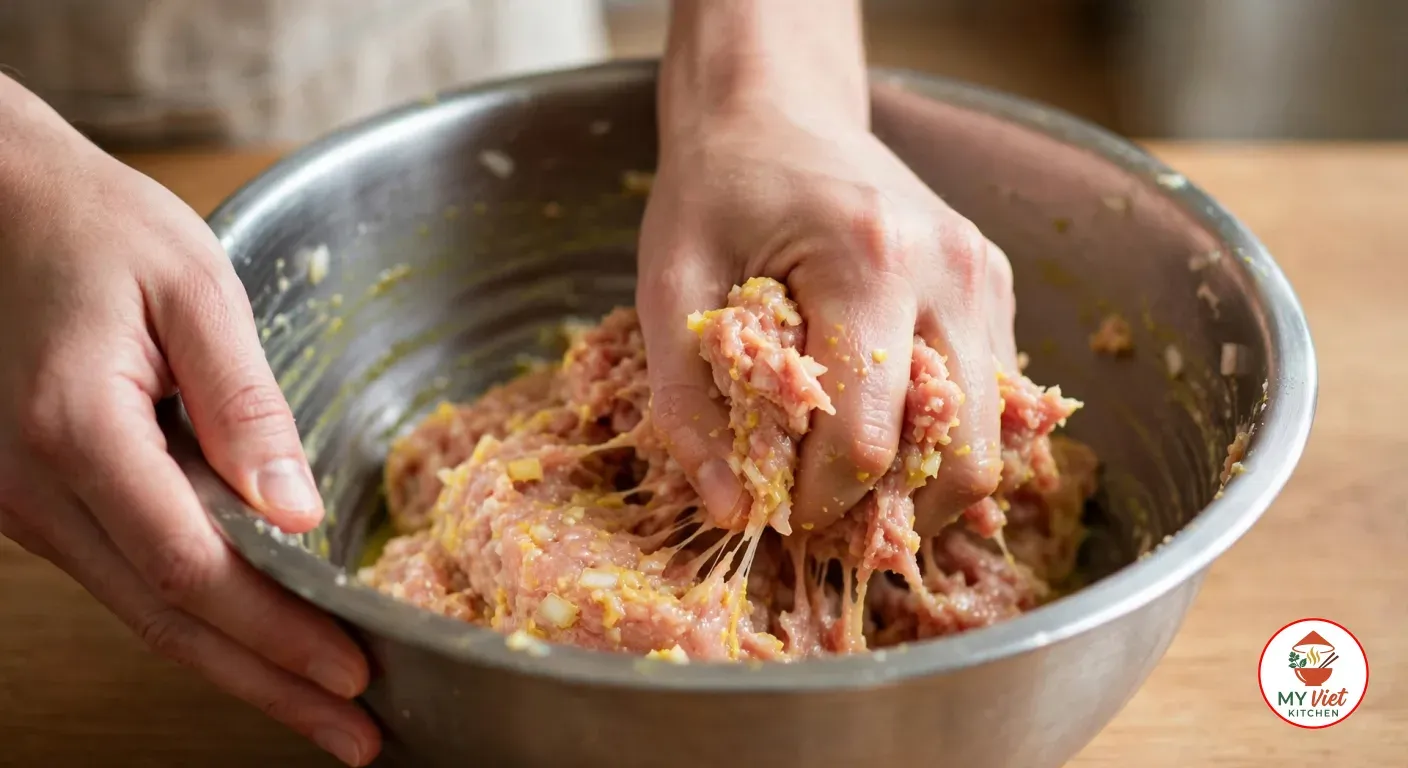
2Put the cold lamb and beef in a large bowl with the onion pulp, the saffron water, salt, pepper, turmeric and the teaspoon of sumac. Knead by hand for about 5 minutes, squeezing the meat through your fingers and folding it over, until it is a smooth, sticky paste and a thin film of fat coats the bowl. A handful lifted out of the bowl should hang together in one piece.
Step 3: Chill the Meat and Light the Charcoal
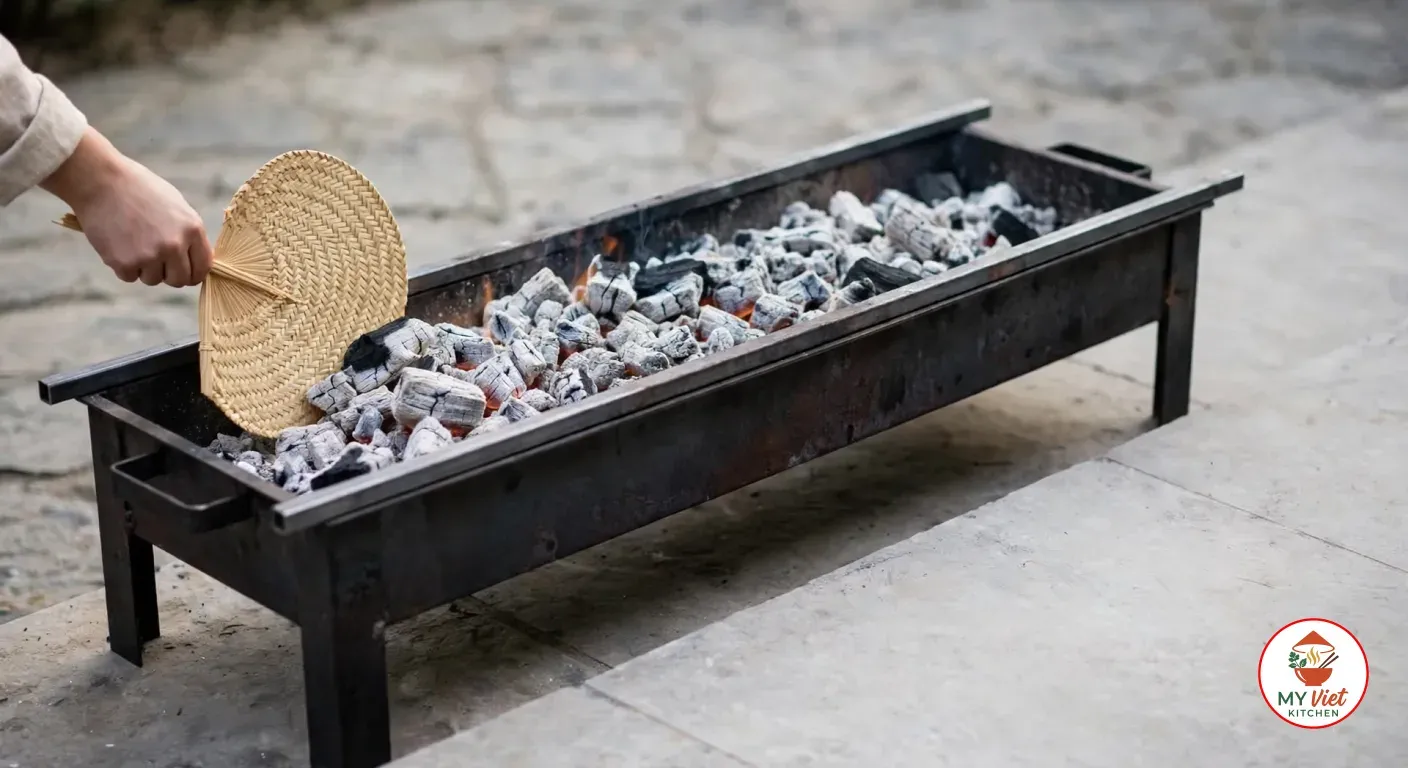
3Cover the bowl and put it in the fridge for 30 minutes. Meanwhile, light the charcoal. It is ready when it glows evenly, the flames have died down and the coals are covered with grey ash. Take the grate off the grill. The skewers have to rest across it by their bare ends, with the meat 8 to 10 cm (3 to 4 inches) above the coals. The rims of a narrow kebab grill hold them; on a wider grill, lay two bricks or square metal pipes along the sides.
Step 4: Shape the Kebabs on the Skewers
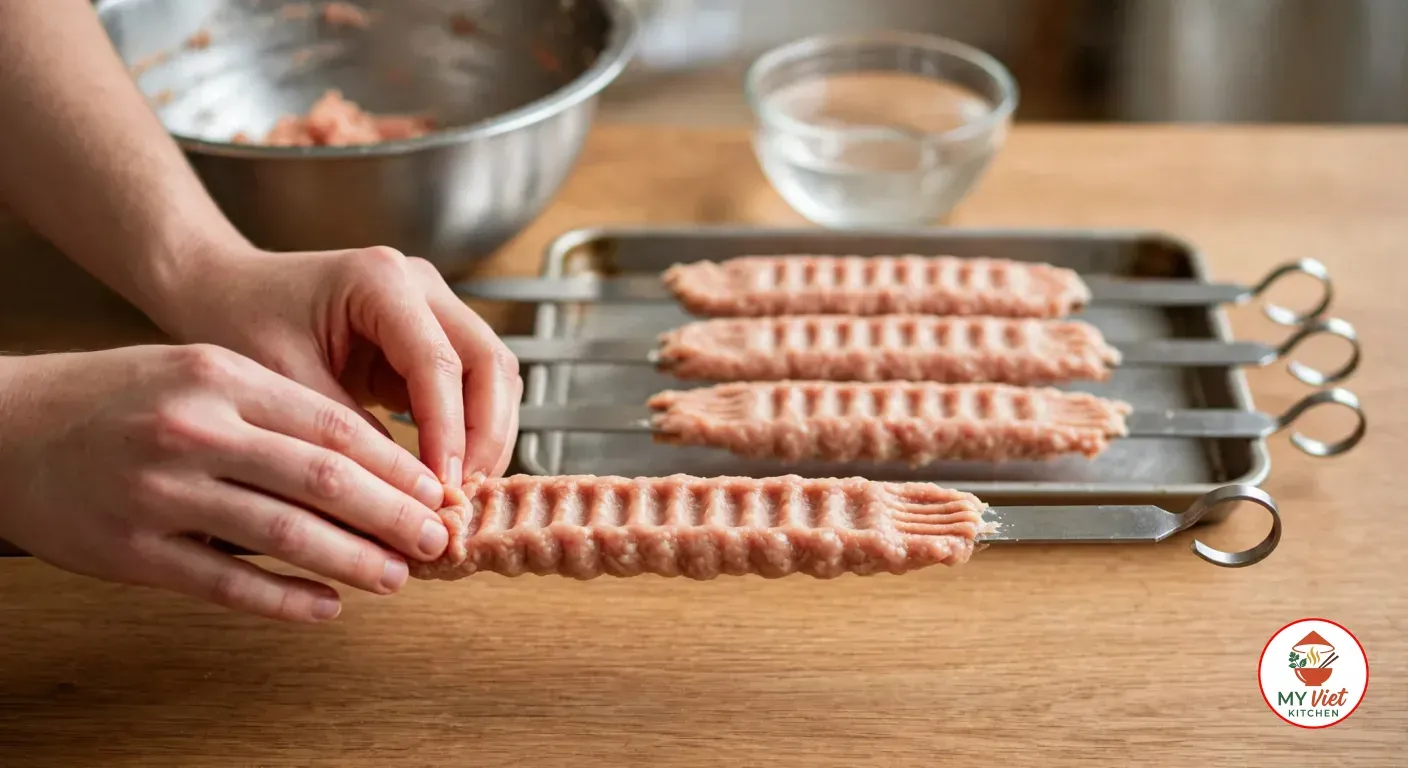
4Divide the meat into 8 equal balls of about 135 g each. Wet your palms with the onion juice or water. Hold a ball in one hand, press a wide flat skewer into it and squeeze the meat along the skewer, opening and closing your fingers, into a kebab 18 to 20 cm (7 to 8 inches) long and about 1.5 cm (a good 1/2 inch) thick. Leave both ends of the skewer bare. Pinch the meat between thumb and index finger every 2.5 cm (1 inch) to make ridges. Rest the skewers across a rimmed tray so that the meat hangs free. Thread the tomatoes onto a thin skewer.
Step 5: Grill over Hot Coals
5Grill the tomatoes for about 5 minutes, turning them, until the skins start to blister. Lay the kebabs over the coals one at a time. As soon as the last one is down, turn the first, then the others in the same order. Keep turning them every 20 to 30 seconds until the meat has firmed up all round, then give each side 4 to 5 minutes, 8 to 10 minutes in all, until browned and 71 °C (160 °F) in the middle. Brush with the melted butter.
Step 6: Serve with Bread and Rice
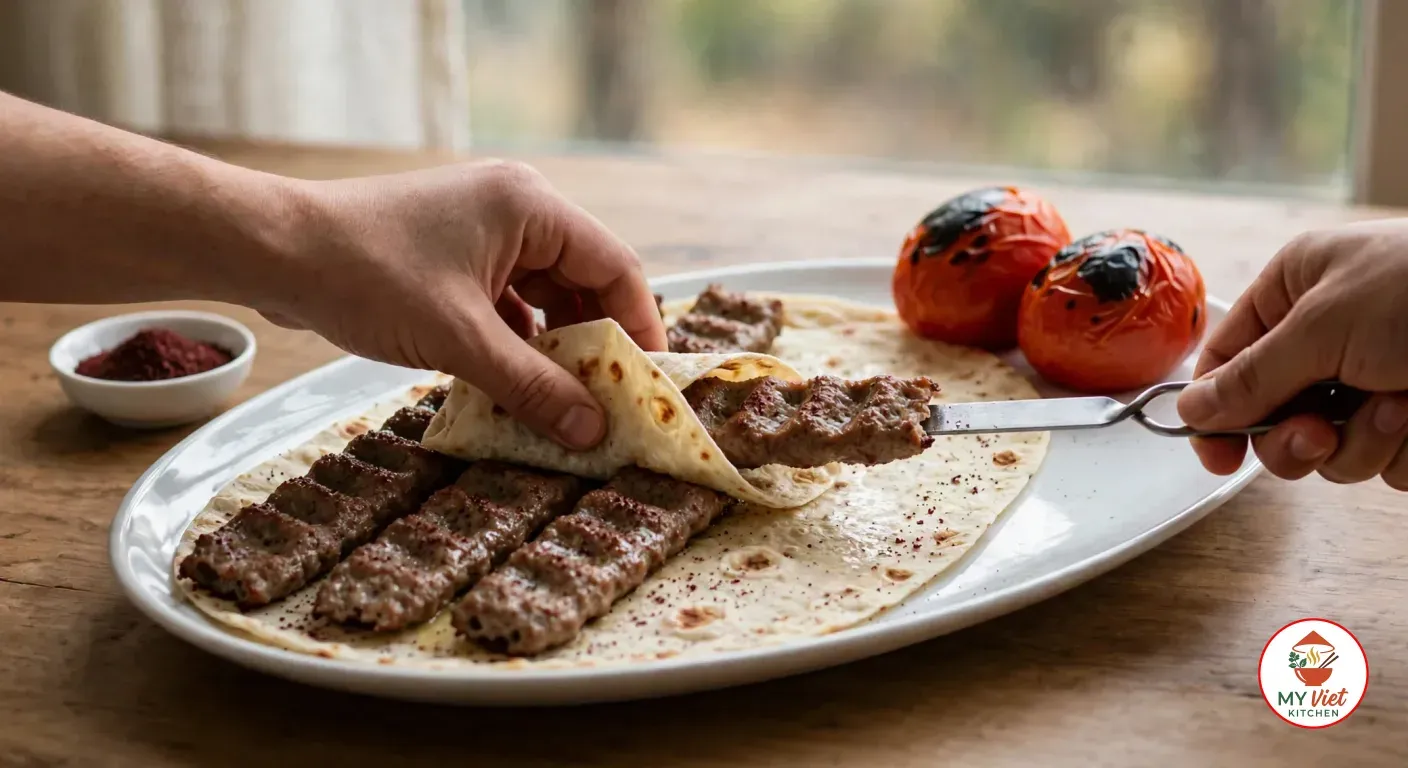
6Lay a piece of lavash or sangak over a kebab at the handle end, grip the meat through the bread and pull the skewer out. Do the same with the rest, on a platter lined with more bread. Sprinkle with sumac and serve at once with the grilled tomatoes, raw onion, fresh basil and steamed basmati rice with a knob of butter.
Frequently Asked Questions
What is served with kebab-e-koobideh?
Kebab-e-koobideh comes with rice or flatbread, grilled tomatoes, raw onion, fresh basil, butter and sumac. The Encyclopaedia Iranica describes the rice as a mound with butter buried inside, and names the traditional drink as doogh, yogurt thinned with water (Encyclopaedia Iranica). Persian Mama tosses the hot rice with cubes of butter, sprinkles it with sumac and adds a plate of fresh herbs, sabzi khordan (Persian Mama). Wikipedia’s article also lists lime or bitter orange (Wikipedia).
Can you make kebab-e-koobideh in the oven?
Yes, under the broiler. Roxana Begum broils the skewers on high for 4 to 5 minutes a side and pours the juices from the pan over the rice or bread (The Delicious Crescent). Without skewers, Homa of Persian Mama advises a reader to roll the meat into long kebabs, press them lightly with the fingertips and broil them on a rack over a pan, 7 to 8 minutes a side (Persian Mama). The Encyclopaedia Iranica records a version cooked in a pot on the stove, kabab-e digi (Encyclopaedia Iranica).
What temperature should koobideh reach inside?
71 °C (160 °F). That is Health Canada’s safe internal temperature for ground beef, veal and lamb, and it recommends a digital thermometer for an accurate reading (Health Canada). Persian Mama gives the same figure and describes kebabs that are no longer pink inside but still very juicy (Persian Mama).
How long do leftover kebabs keep?
Two to three days in the fridge. Health Canada’s advice is to refrigerate leftovers promptly, throw away cooked food left at room temperature for more than two hours, eat refrigerated leftovers within 2 to 3 days or freeze them, and reheat them to 74 °C (165 °F) (Health Canada). To reheat without drying the meat, Roxana Begum sprinkles a little water into an oven-safe dish, covers it tightly and warms it in the oven, or lays the kebabs over rice so the steam heats them (The Delicious Crescent).
What is kabab soltani?
A plate that pairs kebab-e-koobideh with kabab barg. Barg is a kebab of marinated fillet, and soltani means in the style of a sultan (Wikipedia). Persian Mama calls the pairing fit for a sultan (Persian Mama).
Sources
- Kabab koobideh, Wikipedia
- Chelow kabab, Wikipedia
- Čelow-kabāb, Ṣoḡrā Bāzargān, Encyclopaedia Iranica, December 1990 (archived copy)
- Kabob Koobideh | Grilled Minced Meat Kabobs, Homa, Persian Mama
- Kabob Koobideh (Ground Meat Kabob), Roxana Begum, The Delicious Crescent, March 2019
- Safe cooking temperatures, Health Canada
- Food safety tips for leftovers, Health Canada
- How To Make The Best Persian Kabab Koobideh | Ep 575, Henrys HowTos, YouTube, November 2022